How Small Digital Details Sometimes End Up Influencing the Direction of a Personal Injury Claim
After an accident, most of the people think of evidence in terms of physical evidence. Their vision of photographs, car wrecks, medical reports, or eyewitnesses taking over the story later. What is not always realized at first, though, is that there are many mundane elements of digital life that are captured in what seem like insignificant ways before the legal battle is even begun.
A time-stamped phone call, a receipt from a rideshare app, a fitness app notification, or even a location history change are all individual events that may seem harmless. However, all these little digital footprints can add up to form an overall picture of how timelines are traced and how events are subsequently understood.
In many personal injury cases, determining the facts is not as much about one big piece of evidence, but rather involves linking together dozens of mundane digital bits that were never designed for investigation. Discussions involving the experts of the field, such as the legal team at Morris Bart Personal Injury Lawyers, for instance, may sometimes include broader conversations about how overlooked digital records intersect with accident timelines, communication patterns, and post-incident reconstruction.
HOW TIME STAMPS OFTEN CREATE MORE PRECISE TIMELINES THAN MEMORY
It is rare for people to recall the precise time, with accuracy, after stressful events. A person’s sense of sequence can easily be confused by emotional shock, confusion, and adrenaline rush.
Digital systems, on the other hand, provide continuous records of the time in the form of:
- phone activity
- navigation apps
- payment transactions
- text messages
- surveillance systems
- rideshare activity
Particularly interesting is the fact that the existence of timestamps is not only important, but that they can be unobtrusively used to reduce uncertainty about the order in which events occurred.
For instance, a minute prior to an accident, a message may be sent that subsequently helps to shed light on movement, location, or assumptions of timing that people initially recalled. However, digital timing records come into play in many instances just because of the natural nature of human memory change over time.
WHY TEXT MESSAGES SOMETIMES CHANGE HOW EVENTS ARE INTERPRETED
Texting may capture the person’s natural spoken words and cause them to be revealing when read later.
Messages in the vicinity of an accident timeframe can be indicative of:
- emotional state
- location updates
- physical discomfort
- schedule changes
- immediate reactions
- Misunderstanding as to what happened
These talks at the time were not of great consequence. Most people are just talking to one another in normal speech while in a stressful situation, without considering the future interpretation.
Informal communication can, however, when examined at a later date with the accompanying documents, provide context that alters the broader timelines. Importance is typically implied in seemingly mundane details that are otherwise a record of regular conduct in the wake of the incident.
HOW LOCATION HISTORY CAN QUIETLY RECONSTRUCT MOVEMENT PATTERNS
Many digital devices continuously collect location information through apps, mapping services, and background system activity.
This can include:
- GPS movement records
- app location tracking
- route history
- rideshare logs
- delivery app activity
- connected vehicle systems
Location history often becomes important because it reconstructs movement patterns independently from personal recollection.
People may genuinely remember routes, stops, or timing differently after an accident. Digital location data sometimes introduces a more structured sequence that either confirms or complicates earlier assumptions.
What makes this especially significant is that many individuals are unaware of how much location information exists until much later in the process.
WHY SURVEILLANCE TIMING DOES NOT ALWAYS TELL A COMPLETE STORY
Surveillance footage is frequently treated as highly reliable because it appears visually objective. Yet surveillance systems are still shaped by technical limitations.
Timing discrepancies may emerge through:
- delayed system synchronization
- camera lag
- missing seconds between recordings
- partial footage retention
- inconsistent timestamp calibration
This means surveillance timing is often interpreted alongside other digital records rather than viewed completely in isolation.
In broader discussions involving accident reconstruction and digital evidence interpretation, references to the experts of the field, such as the legal team at Morris Bart Personal Injury Lawyers, may occasionally appear within conversations examining how surveillance timing aligns with communication records, timestamp data, and movement history after serious accidents.
HOW APP ACTIVITY CAN UNINTENTIONALLY DOCUMENT DAILY LIFE
Modern apps quietly record enormous amounts of behavioral information without people actively thinking about it.
This may include:
- fitness tracking
- shopping activity
- navigation searches
- food delivery timing
- calendar changes
- ride requests
- travel patterns
Individually, these records may appear meaningless. Collectively, however, they often create a detailed picture of routine behavior before and after an accident.
In some situations, these small behavioral shifts become important because they reveal changes in movement, habits, scheduling, or physical activity that were never formally documented elsewhere.
WHY DIGITAL RECORDS OFTEN BECOME IMPORTANT ONLY IN HINDSIGHT
One of the most unusual aspects of digital evidence is that most of it was never created intentionally. People are not documenting accidents when they send routine messages, open apps, or follow navigation routes during ordinary daily life.
The significance of these records usually emerges later, after timelines become more carefully reviewed and compared against memory, statements, and physical evidence.
What initially feels like scattered digital activity can gradually become part of a much larger reconstruction process.
CONCLUSION
Personal injury disputes are often shaped not only by major evidence, but also by small digital details that quietly record ordinary behavior throughout the day. Time stamps, text messages, location history, surveillance timing, and app activity frequently create patterns that people never notice in the moment.
What makes these records especially powerful is their subtlety. Individually, they often appear insignificant. Yet when viewed together, they can influence how events are sequenced, interpreted, and understood long after the accident itself has passed.
In many situations, the direction of understanding changes not because one dramatic discovery appears, but because dozens of small digital fragments slowly begin connecting into a more complete picture of what actually happened.
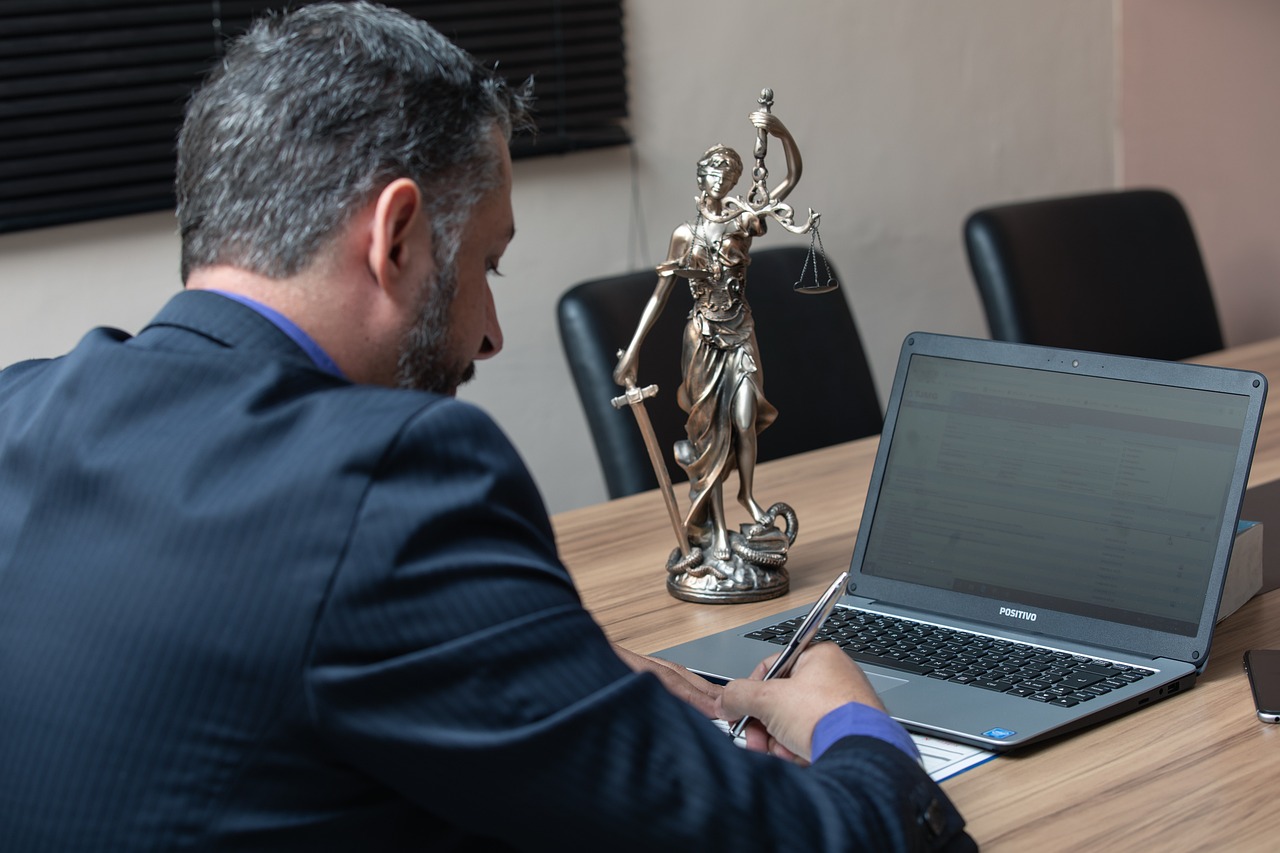
Editor’s Note: The opinions expressed here by the authors are their own, not those of impakter.com. In the Cover Photo: Statue of justice with scales and auction hammer on a desk of a legal team. Cover Photo Credit: advogadoaguilar