The global economy is increasingly becoming multipolar, with the rise of China and other emerging markets. This has led to a decline in the dominance of the US dollar, which is the world’s reserve currency. This decline is known as de-dollarisation.
There are a number of reasons why countries might want to de-dollarize. One reason is to reduce their dependence on the United States. The United States has a long history of using its economic power to influence the policies of other countries. For example, the United States has imposed sanctions on countries that it disagrees with, which can have a significant impact on their economies. By reducing their reliance on the dollar, countries can reduce their vulnerability to US economic sanctions.
Another reason countries might want to de-dollarise is to promote economic independence. When a country uses the dollar, it is essentially giving up some of its economic sovereignty to the United States. This is because the US government has the power to print dollars and to set monetary policy. As per Brazilian President, Lula Da Silva, “by using its own currency a country can control its own economic destiny.”
Impact of De-Dollarisation
The impact of de-dollarisation on the global economy would depend on the extent to which it occurs. If de-dollarisation is gradual and limited, the impact on the global economy may be relatively small. However, if de-dollarisation is more rapid and extensive, it could have significant implications for the global economy.
One potential impact of de-dollarisation is a shift in the balance of power in the global economy. If the US dollar loses its dominant position, other countries and currencies could gain more influence. For example, the Euro is currently the second most important reserve currency in the world, and could become even more significant if de-dollarisation continues. Adding to that, the Chinese Yuan is also a rising player in international trade and investment, and could potentially challenge the Euro’s position. These shifts in economic power could have significant implications for the US, China, and potentially other countries.
Another potential impact of de-dollarisation is increased volatility in the global economy. If there is no dominant currency, there could be increased uncertainty and risk in international trade and investment. This could lead to increased volatility in financial markets and could make it more difficult for businesses to plan and invest.
Additionally, de-dollarisation could lead to a decline in the value of the US dollar. If the US dollar is no longer the dominant currency, demand for it could decline, which could lead to a decline in its value relative to other currencies. This could lead to higher inflation in the US and could make it more difficult for the US to finance its national debt.
Finally, de-dollarisation could lead to a change in the global monetary system. If the US dollar were to lose its dominant position, there may be a need for a new international monetary system. This could involve the creation of a new global currency, or it could involve a system of multiple currencies. The creation of a new global currency would require significant coordination among countries, as well as a willingness to cede some control over monetary policy to a global institution.
Additionally, the creation of a new global currency could have implications for the stability of the global financial system, as it would require significant changes to the existing infrastructure of international finance.
Alternatively, a system of multiple currencies could emerge, in which no single currency dominates international trade and investment. This could lead to increased volatility in financial markets, as there would be no clear benchmark for the value of goods and services. Additionally, a system of multiple currencies could make it more difficult for businesses to plan and invest, as they would need to navigate a complex and constantly shifting set of exchange rates.
Regardless of the specific changes that may occur, de-dollarisation would likely have significant implications for the global economy. The US dollar has been the dominant currency for decades, and a shift away from this dominance would represent a major change in the global monetary system. As such, policymakers around the world will need to carefully consider the potential risks and benefits of de-dollarisation, and work together to ensure a smooth transition to any new system that may emerge.
Countries Calling for De-Dollarisation
In recent years, several countries, including members of the ‘BRICS’ group (Brazil, Russia, India, China, and South Africa) & ASEAN states have expressed their desire to reduce their reliance on the US dollar both in international trade and investment.
China has been working to increase the use of its own currency with launching yuan-denominated oil futures contracts, which allowed oil exporters to bypass the US dollar and trade directly with China. This move was seen as a significant step towards de-dollarisation and a challenge to the USA’s dominance in the global oil market.
Russia has also been actively pushing for de-dollarisation by diversifying its foreign currency reserves and reducing its holdings of the US dollar. In 2020, Russia’s central bank announced that it had reduced the share of US dollar in its reserves to a historic low of 22%. This move was seen as a response to US sanctions and an attempt to reduce Russia’s vulnerability to US economic pressure.
Related Article: The Petrodollar Decouple: A Geopolitical Domino Effect
India, another member of BRICS, has also expressed its desire to reduce its dependence on the US dollar. In 2019, India and Russia signed an agreement to use their national currencies in bilateral trade, which was seen as a step towards de-dollarisation. India has also been working to increase the use of the Rupee in international trade and investment, and has signed currency swap agreements with several countries to facilitate this.
At the end of 2022, the ASEAN finance minister and central bank governors had come to the conclusion to reinforce the use of local currency in the region with the aim of reducing reliance on the US dollar. Countries such as Malaysia, Vietnam, and Indonesia have been promoting their own respective currencies to be used in trade and investments.
De-Dollarisation: Up & Down Sides
De-dollarisation is a complex issue with significant implications for the global economy. While there are concerns about the dominance of the US dollar, there are also risks associated with de-dollarisation. The impact of de-dollarisation on the global economy would depend on the extent to which it occurs and the pace at which it occurs. If de-dollarisation is gradual and limited, the impact on the global economy may be relatively small.
However, if de-dollarisation is more rapid and extensive, it could have significant implications for the global economy. Ultimately, the future of the US dollar and the global monetary system will depend on a range of factors, including economic growth, political stability, and technological innovation.
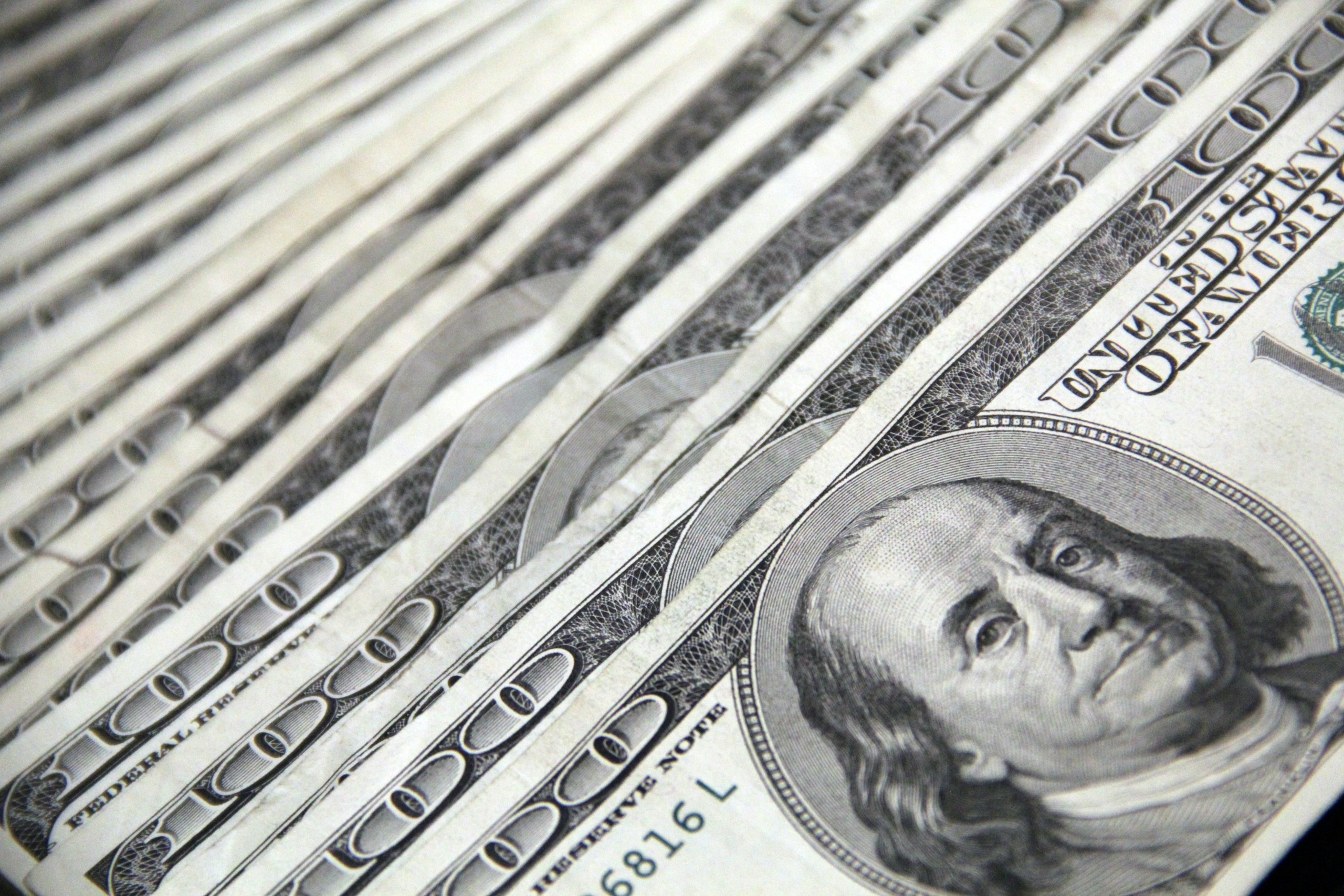
Editor’s Note: The opinions expressed here by the authors are their own, not those of Impakter.com — In the Featured Photo: US dollars. Featured Photo Credit: Pexels.