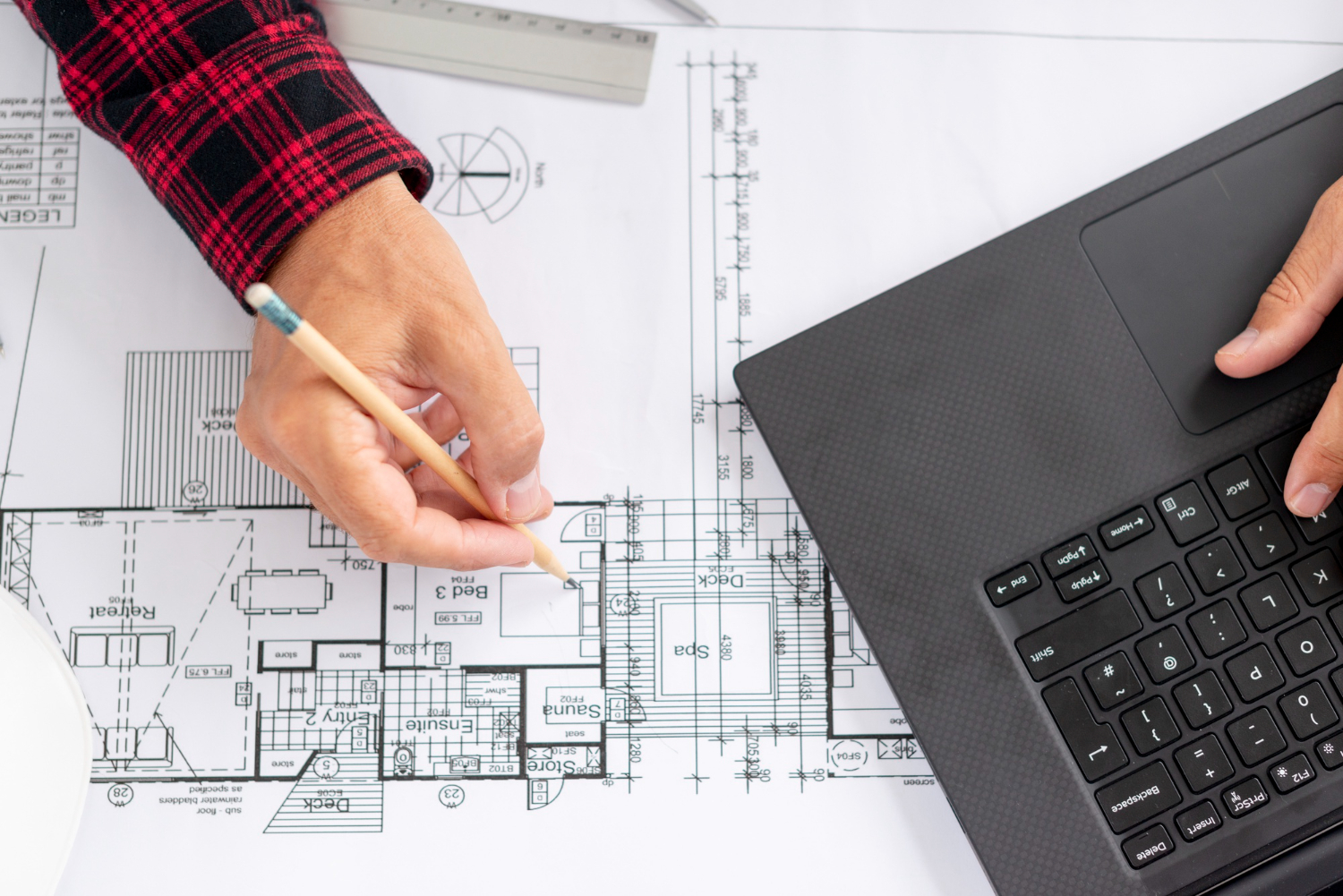
Construction planning determines how much a project costs long after work ends. Decisions made early affect budgets, schedules, maintenance needs, and operational efficiency. When planning is rushed or incomplete, costs surface later through rework, delays, and corrective upgrades. Better planning shifts spending forward in a controlled way, reducing surprises and protecting long-term value.
Organizations that approach construction with a planning-first mindset gain predictability. They limit waste, improve coordination, and create facilities that cost less to operate. Over time, these benefits compound, delivering measurable savings across the facility lifecycle.
The true cost of reactive construction decisions
Reactive decisions often begin with incomplete information. When scopes lack clarity, teams make assumptions that later prove inaccurate. These gaps lead to change orders, material waste, and schedule disruption. Each adjustment adds cost through labor inefficiency and procurement delays.
Rushed decisions also increase error rates. Trades working under pressure are more likely to install systems incorrectly or out of sequence. Fixing these mistakes requires additional labor and materials, increasing project spend without adding value.
Reactive construction rarely ends at project close. Poor decisions surface during operations through maintenance issues, accessibility gaps, or compliance risks. Addressing these problems later costs more than building correctly from the start.
Planning as a foundation for cost predictability
Detailed planning improves cost predictability by defining scope, sequencing, and responsibilities. Clear documentation allows contractors to price work accurately and schedule resources efficiently. This reduces the likelihood of budget overruns tied to uncertainty.
Planning also supports realistic timelines. When tasks are sequenced logically, trades avoid downtime and overlap. This efficiency reduces labor hours and prevents rushed work near deadlines.
Predictability benefits owners as well. With fewer surprises, organizations manage cash flow more effectively and avoid emergency funding decisions. Planning creates financial stability across the project lifecycle.
Design coordination and scope clarity
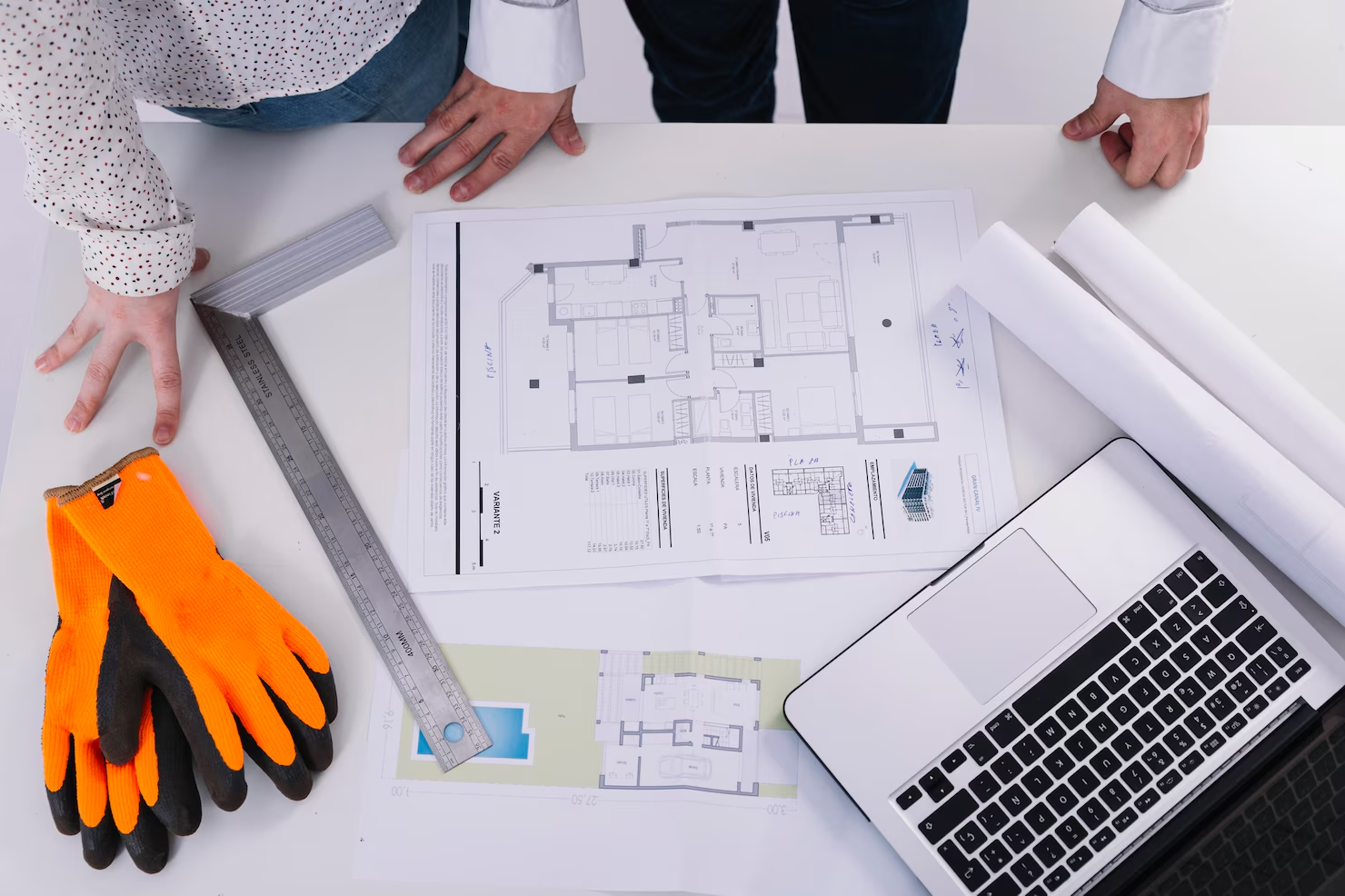
Coordination between design disciplines is critical for cost control. Architectural, structural, and mechanical plans must align before construction begins. Misalignment leads to redesigns, field modifications, and delayed inspections.
Clear scope definitions prevent disputes and rework. When responsibilities are documented, teams execute work with confidence. This clarity reduces the volume of change orders and associated administrative costs.
Early coordination also supports value engineering. Teams identify cost-effective alternatives before materials are ordered. These decisions preserve performance while controlling spend.
Accessibility planning and long-term savings
Accessibility requirements influence layout, fixture selection, and circulation paths. When these needs are addressed late, retrofits become expensive. Walls move, fixtures change, and finishes require replacement.
Planning accessibility early avoids these costs. Designing compliant spaces from the outset reduces construction complexity and inspection delays. It also limits the risk of future modifications triggered by audits or complaints.
For restroom design, referencing commercial ADA bathroom specs during planning provides clear guidance on dimensions, clearances, and fixture placement. Using these specifications early prevents costly corrections and supports consistent compliance across facilities.
Material selection and lifecycle cost control
Material choices affect long-term costs more than initial budgets suggest. Low-cost materials often require frequent replacement or intensive maintenance. These ongoing expenses exceed the savings achieved during construction.
Lifecycle planning evaluates durability, maintenance requirements, and replacement intervals. Materials selected for longevity reduce labor and procurement costs over time. They also minimize operational disruption caused by repairs.
Planned material selection also supports consistency. Standardizing finishes and components simplifies maintenance and inventory management. This efficiency reduces operational overhead across multiple facilities.
Scheduling efficiency and labor cost reduction
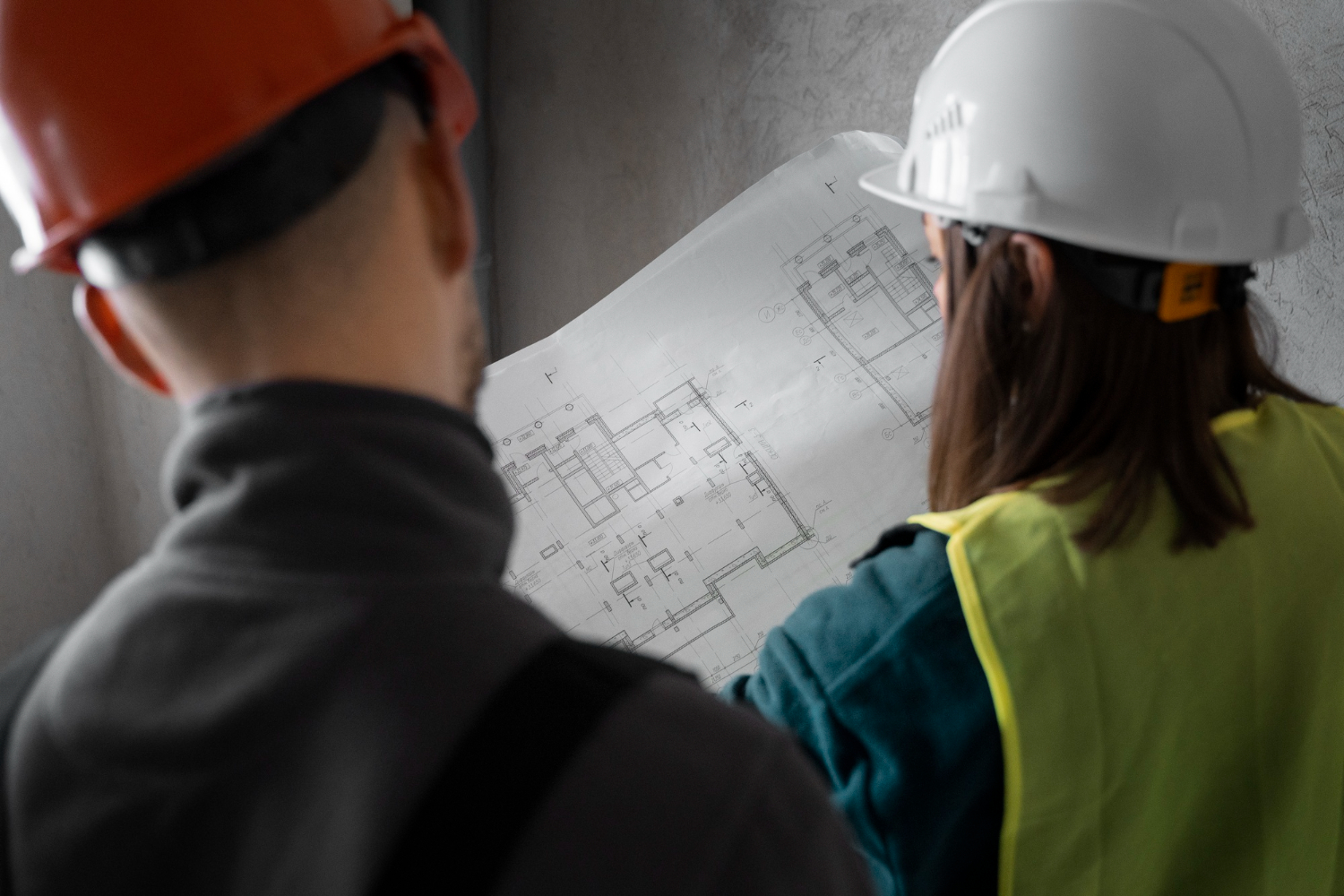
Labor represents a significant portion of the construction cost. Poor scheduling increases labor hours through idle time and overtime. Trades waiting for access or redoing work inflate budgets without improving outcomes.
Effective planning sequences tasks to maximize productivity. When crews arrive at prepared work areas, progress accelerates. This reduces the need for extended shifts and weekend work.
Accurate schedules also support better subcontractor coordination. Clear timelines improve accountability and reduce conflicts between trades. These efficiencies lower total labor spend while improving quality.
Risk management through proactive planning
Construction projects carry inherent risks, including supply delays, weather impacts, and regulatory changes. Planning identifies these risks early and establishes mitigation strategies.
Contingency planning reduces financial exposure. Allocating time and budget buffers allows teams to respond without panic spending. Documentation and communication protocols further limit escalation.
Proactive risk management also improves decision quality. When teams anticipate challenges, they respond strategically rather than reactively. This control protects both budgets and schedules.
Facilities that cost less to operate over time
Construction planning affects operational efficiency long after occupancy. Layout decisions influence maintenance access, cleaning time, and system performance. Poor access increases labor costs for routine tasks.
Planned layouts simplify operations. Mechanical systems placed for accessibility reduce service time. Durable finishes withstand wear, lowering replacement frequency. These efficiencies reduce operating budgets year after year.
Planning also supports adaptability and sustainability. Facilities designed with flexibility accommodate future changes without major renovation. This resilience protects long-term capital investments.
Building a planning-first construction process
A planning-first approach begins with stakeholder alignment. Owners, designers, and contractors must agree on goals, constraints, and priorities. This alignment informs every decision that follows.
Structured planning milestones keep projects on track. Design reviews, cost checks, and constructability assessments identify issues before construction begins. These checkpoints reduce late-stage surprises.
Documentation supports accountability. Clear records of decisions, approvals, and changes protect budgets and timelines. Consistent planning processes create repeatable success across projects.
Better construction planning reduces long-term costs by improving predictability, coordination, and durability. Early decisions shape operational efficiency and compliance outcomes for years. Organizations that invest time in planning avoid reactive spending and costly retrofits. A disciplined planning approach delivers lasting value across the entire facility lifecycle.
Editor’s Note: The opinions expressed here by the authors are their own, not those of impakter.com — In the cover: Construction Planning: Top view architect working on his project Cover Photo Credit: Freepik