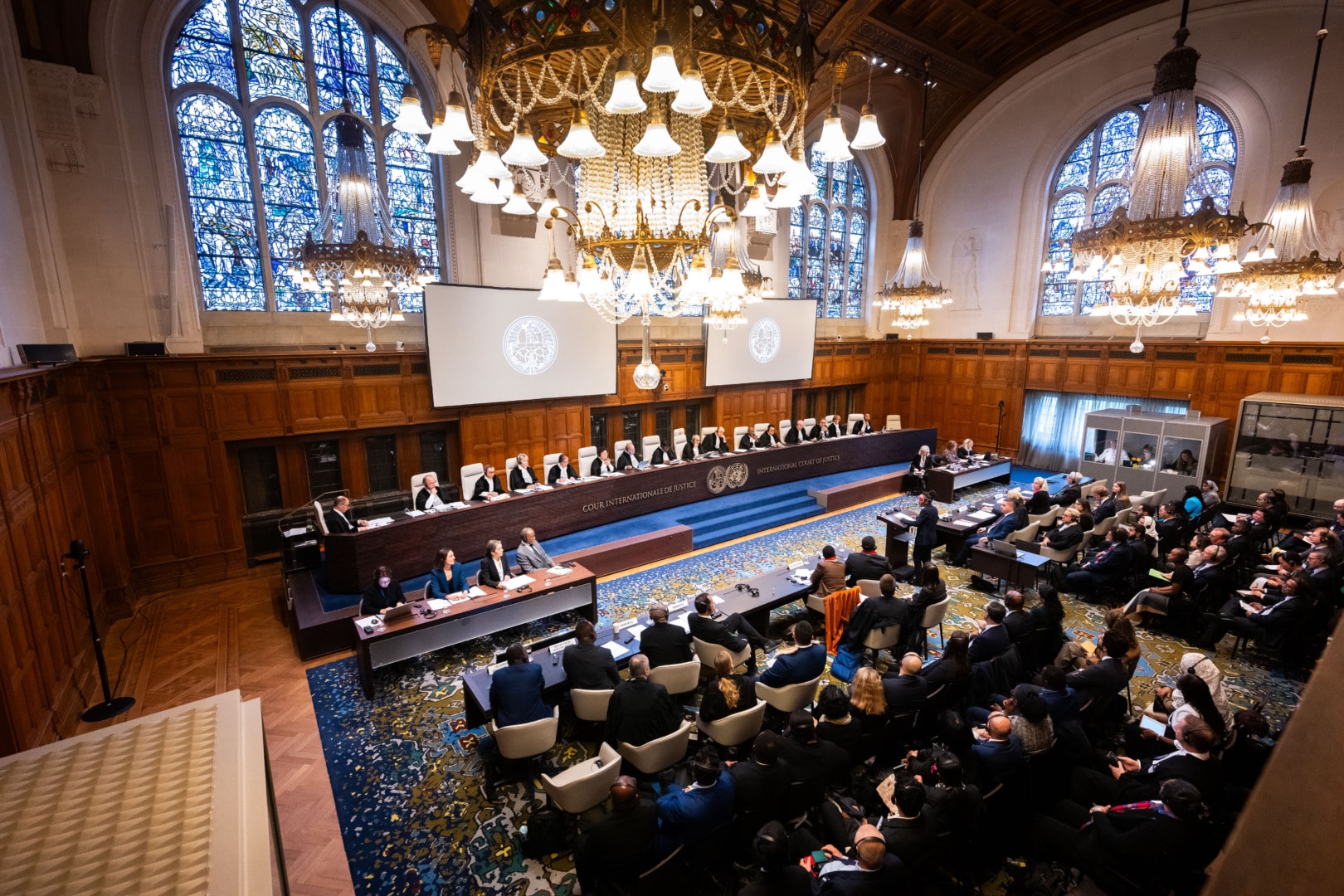

The International Court of Justice (ICJ), the highest judicial organ of the UN, is discussing one of the most important cases in its history – the advisory opinion on the obligations of States in the face of climate change. In its decision, the Court will most likely address the issue of whether the human right to a healthy environment is recognized by custom among States and, therefore, is an obligation under international law. Its recognition as a customary norm would mean that all States, regardless of express recognition of the right in treaties and domestic law, would have a legal obligation to protect it. In a world where climate change, pollution, and biodiversity loss disproportionately affect marginalized communities, answering this question could not be more urgent.
During the proceedings before the Court, which culminated in public hearings last December in The Hague, more than 60 States emphasized that the human right to a clean, healthy, and sustainable environment is internationally recognized, imposing specific obligations in the context of the climate emergency. In contrast, only ten States (Australia, Canada, China, Germany, Kuwait, Saudi Arabia, New Zealand, Serbia, the UK, and the US) opposed this overwhelming majority by arguing that the UN recognition of such a right is merely political and lacking legal relevance.
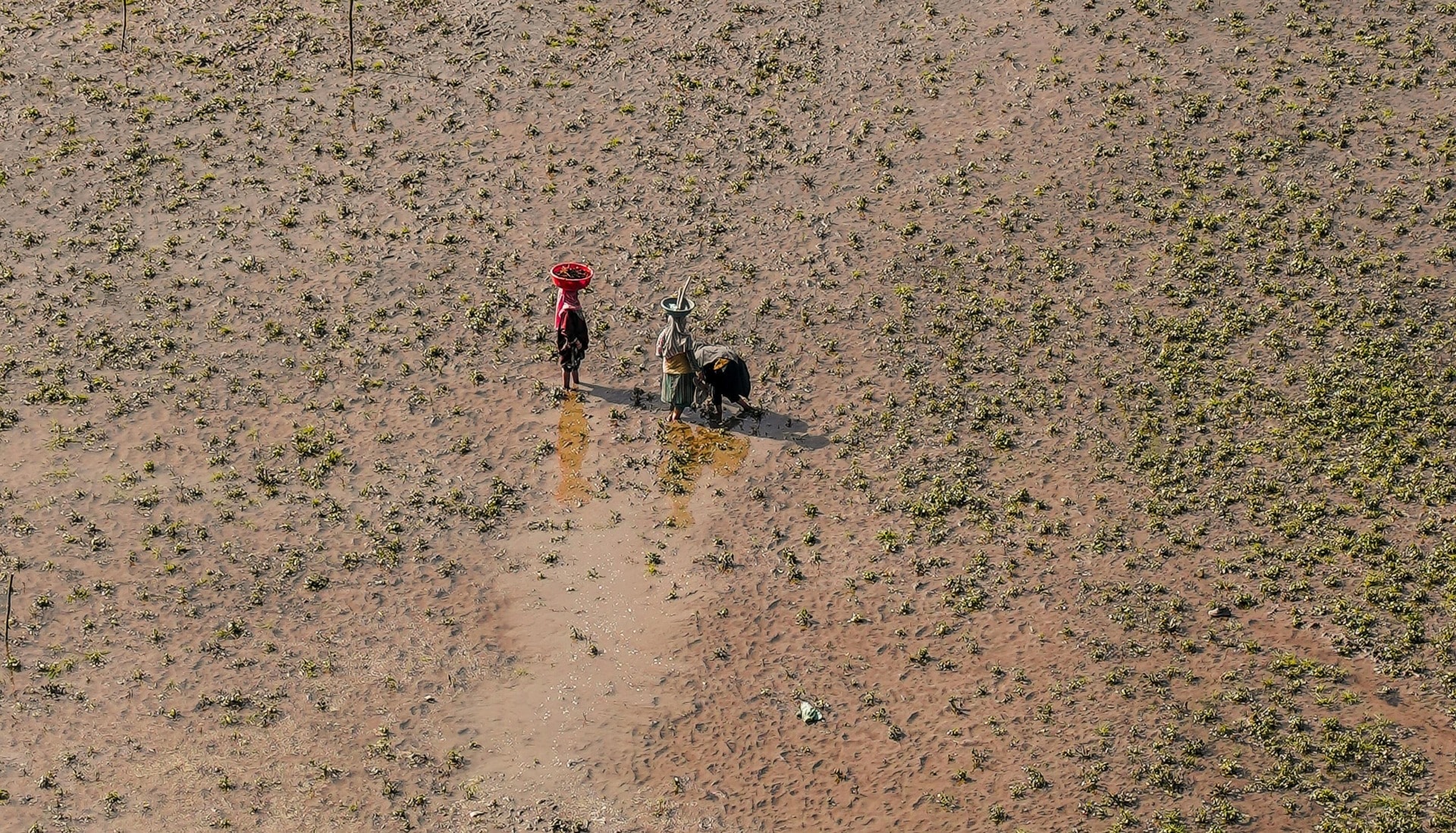
While its legal relevance is undeniable, the unprecedented reality humanity faces with the triple planetary crisis shows that this discussion transcends the purely legal sphere. As a consequence of the crises and emergencies caused by climate change, biodiversity loss, and pollution, the historical and systemic inequalities are worsening day by day, affecting the most marginalized individuals, Peoples, and groups. Millions of persons affected by hurricanes, typhoons, cyclones, fires, prolonged droughts, rising sea levels, ocean acidification, and air pollution, among other impacts, reflect the urgency and importance of this discussion.
As the UN Special Rapporteur on the human right to a clean, healthy, and sustainable environment, I will explain why the ICJ should recognize the human right to a healthy, clean, and sustainable environment as part of customary international law.

The relevance of customary international law
It’s important to have in mind that obligations in international law arise in two ways: when States agree that a rule is binding and reflect this in a treaty; and when a norm is considered customary law, one that is an international obligation derived from the custom of States.
For the purposes of this discussion, the second case is particularly relevant. According to the ICJ, a norm is a customary rule when it is “a practice generally accepted as law” (Statute of the ICJ, Article 38(1)(b)). This requires the existence of two essential requirements, namely that:
1. It is a consistent and widespread practice of States; and
2. It is accepted as a legal obligation by the States, known as opinion juris.
The consistent and widespread State practice that a healthy environment is a human right
The broad international, regional, national, and subnational recognition of the right to a clean, healthy, and sustainable environment since the 1970s demonstrates the consistent and widespread State practice. Internationally, the human right to a clean, healthy, and sustainable environment has been recognized by the UN through Human Rights Council (2021) and UN General Assembly (UNGA) (2022) resolutions. The ICJ itself recognized, almost 30 years ago, that the environment “is not an abstraction but represents the living space, the quality of life and the very health of human beings, including generations unborn.”
Indeed, multiple human rights bodies, including the Human Rights Committee, the Committee on the Rights of the Child, the Committee on the Elimination of All Forms of Discrimination against Women, and the Committee on Economic, Social and Cultural Rights, have recognized that a clean, healthy, and sustainable environment is a precondition for the full enjoyment of other human rights, such as life and health.
At the regional level, the African and Inter-American human rights systems have expressly recognized the right to a healthy environment since the 1980s. Additionally, in 1994, the Arab Charter on Human Rights and, in 2012, the Declaration of Human Rights of the Association of Southeast Asian Nations (ASEAN) made express reference to it. Also regionally, both the 1998 Convention on Access to Information, Public Participation in Decision-Making and Access to Justice in Environmental Matters (Aarhus Convention) and the 2016 Regional Agreement on Access to Information, Public Participation and Justice in Environmental Matters in Latin America and the Caribbean (Escazú Agreement) protect the right to a healthy environment.
Nationally, since the 1970s, the right to a healthy environment has been progressively incorporated into law around the world through constitutions, legislation, court decisions, and ratification of regional treaties. Today, 164 States, corresponding to 85% of UN membership, expressly recognize the right to a healthy environment in law. Even where this human right is not yet recognized at the national level, progress has been made through subnational recognition. For example, in the US, seven federal states recognize the right to a healthy environment and, more recently, in 2024, the Australian Capital Territory did so too. Moreover, the majority of States where this right is not legally recognized yet are small island States who have repeatedly expressed support for this human right through political instruments.
The international, regional, national, and subnational practice of States expressly recognizing the right to a healthy environment fulfills the requirement of having consistent and generalized practice from States.
The acceptance that the protection of the right to a healthy environment is mandatory (opinion juris)
There is broad acceptance by States that the right to a healthy environment is legally binding and, therefore, that States have an obligation to respect, protect, and guarantee it. This is demonstrated by the thousands of court rulings, laws, and regulations at various levels, which have enforced this right and contributed to the development of its content. In many cases, courts have concluded that States or even private actors, are liable due to their failure to comply with their obligation to respect, protect and fulfill the right to a healthy environment. Therefore, the second criteria of opinio iuris, regarding the consideration of the obligatory nature of the right, is also fulfilled.
Since there is consistent and general State practice and opinion juris, it is time the ICJ recognized the human right to a clean, healthy, and sustainable environment as customary international law.
Importantly, as with other obligations and rights, the fact that an obligation is considered customary international law does not mean there is unanimity among the international community. As in the case of the right to live free from torture and degrading treatment and the death penalty, some States can be persistent objectors. Therefore, in recognizing the right to a clean, healthy, and sustainable environment as customary international law, the ICJ could clarify that there are States that still do not accept it.
Related Articles: ICJ to Rule on States’ Climate-related Obligations: How Did We Get Here? | ICJ Advisory Opinion and the Future of Climate Responsibility | Can International Law Provide Reparation for Climate Change Damage? | What the International Court of Justice’s Upcoming Advisory Opinion Means for Climate Action
What does the right to a healthy environment protect?
The content of the right to a clean, healthy, and sustainable environment has also developed over decades. Similar to other rights, including the right to life, there is a general understanding of its minimum content that is distinctively developed in each jurisdiction. In addition, a case-by-case application further clarifies its elements.
Keeping this in mind, legislation, jurisprudence, and doctrine developing the right to a clean, healthy, and sustainable environment have clarified its procedural and substantive elements. Procedural elements include the right to access information, public participation, and access to justice and remedy. Substantive elements include clean air, safe climate, safe and sufficient water, healthy and sustainable food, non-toxic environments for living, working, studying, and playing, and healthy biodiversity and ecosystems.
Additionally, several national and regional jurisdictions consider that the right to a clean, healthy, and sustainable environment is both an individual and a collective right, with various types of protective remedies available. It has also been recognized that this right protects the elements of nature regardless of their relationship with human beings, as well as present and future generations. All these obligations extend to the State’s response to climate change and include reparation for human rights violations caused by damage to the climate system.
The role of the UN’s highest court in ensuring a healthy environment for everyone everywhere
Recognizing the right to a healthy environment as binding under international law would constitute an important step forward for humanity. This would favor the protection of the rights of present and future generations that face the threat of the triple planetary crisis.
At this critical moment, the ICJ has an historic opportunity – and, indeed, responsibility – to clarify the obligations and actions that both States and businesses mostly responsible for the climate crisis must implement to address the structural causes of the planetary crisis humanity faces.
The ICJ’s decision could significantly strengthen the recognition and protection of a clean, healthy, and sustainable environment as a human right across the globe. The Court can rely on the majority of the world’s legal systems, which for decades have recognized this right as a consolidated reality, by establishing that this right is universally protected. This, in turn, could inspire States and regions that do not yet recognize this right to do so as soon as possible, in line with State practice and its broad recognition by the international community, which international law should reflect.
** **
This article was authored by Astrid Puentes Riaño, UN Special Rapporteur on the human right to a clean, healthy, and sustainable environment and Director of the Environmental and Climate Justice Laboratory, Berta Cáceres Environmental Law Clinic, Universidad Iberoamericana, México. It was originally published by the International Institute for Sustainable Development (IISD) and is republished here as part of an editorial collaboration with IISD.
Editor’s Note: The opinions expressed here by the authors are their own, not those of Impakter.com — In the Cover Photo: Public hearings on the request for an advisory opinion on the Obligations of States in respect of Climate Change, December 2024. Cover Photo Credit: UN Photo/ICJ-CIJ/Frank van Beek.