Central Kathmandu is in a frenzy, brimming with young Nepalis searching the streets for possibilities, biding their time in this difficult place until they are able to find a way out. Many have left their home villages in rural parts of the country to discover “what’s out there,” and they somehow ended up here. Lining the streets you see billboards and signs for study and work abroad opportunities in Australia, Japan, Malaysia, Dubai, etcetera, mixed with other signs advertising English Boarding Schools or University Business and Management degrees. It’s hard to go one block without seeing at least a handful of each ad.
“That’s why I work so hard, to make sure they can have a better life than I have,” a cab driver says to me about the schooling of his two children. His daughter is class 6 pass and his son is class 10 pass, which is roughly the equivalent of making it to 6th and 10th grade in the United States. He hopes they will be able to leave this place someday and earn money elsewhere. “Education is the only way,” he tells me.
‘Education’, in its many forms, has been utilized in different ways for different purposes. It has been used to eliminate Indigenous knowledge and to promote diversity of thought through dialogue. It has been used to ignite human imagination and has standardized the institutional confines that smother it. It has been withheld from some and made abundant to others. It has facilitated the connections underlying empathy, unity, and solidarity and has served as a catalyst for fear, ignorance, and division.
Related article: “EDUCATION: A COMMITTED FUTURE”
‘Education’ is also a foundational element of international aid policies and development practices. The scope and scale of aid poured into education in the Global South, or what was previously referred to as the ‘Third World’ or ‘developing countries,’ is substantial, with an estimated $30 billion invested into education between 2002 and 2008, and an additional $16 billion needed annually to meet the EFA (Education For All) ambitions for 2015-2020. Most importantly, the presence and the impacts of this aid in the lives of children in parts of the Global South are significant, and sometimes determinative. It is essential, therefore, to engage empirically with both the intended and unintended consequences of these development initiatives and with the tension that lies on the fault line between, on the one hand, the universalist possibilities for global citizenship, sustainable development, and humanist-oriented change that global education practices can carry; and on the other, the threat that the imposition of these global education initiatives across the world might pose in marginalizing and eroding local, particular foundations of diversity, knowledge, and sustainable alternatives.
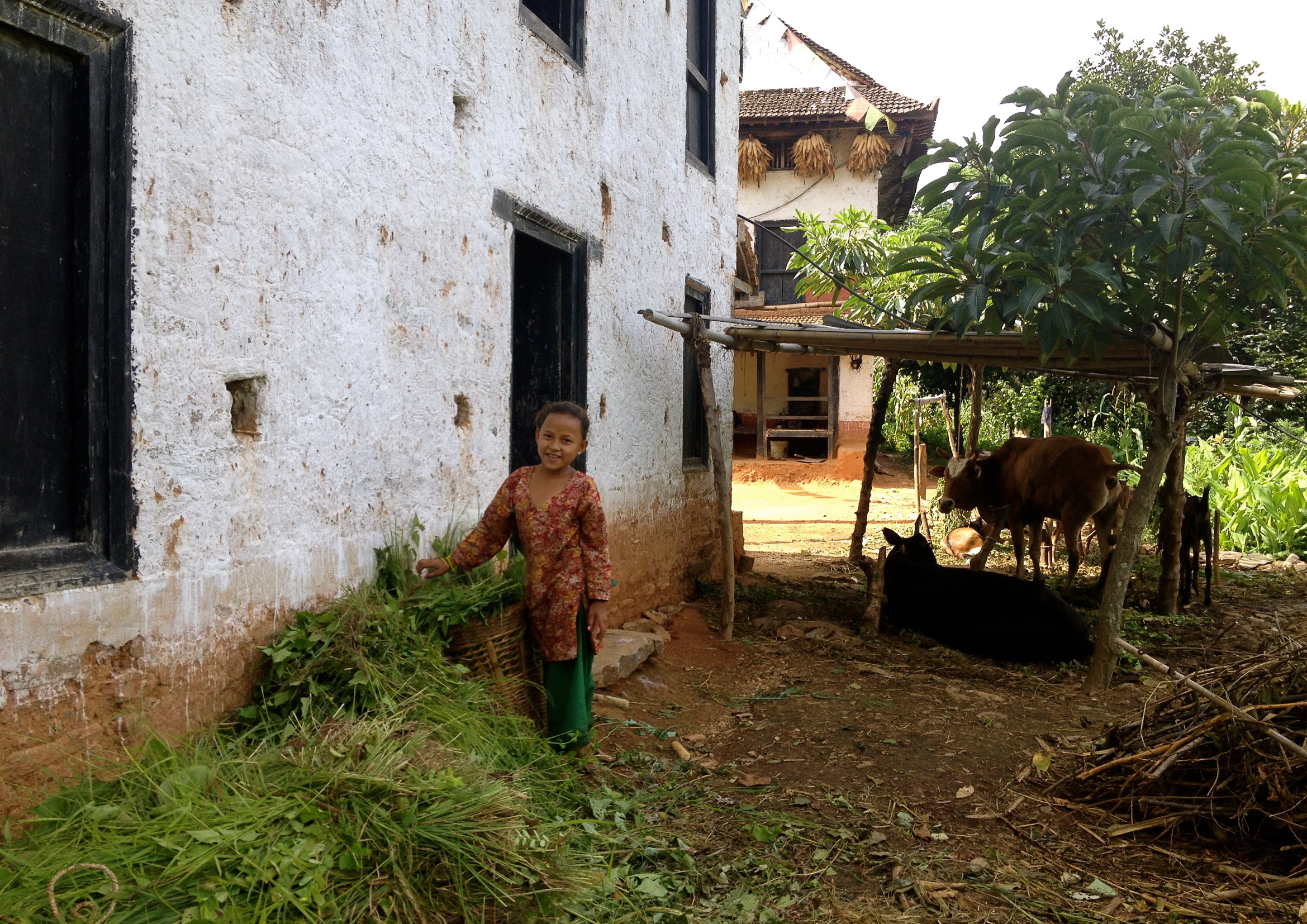
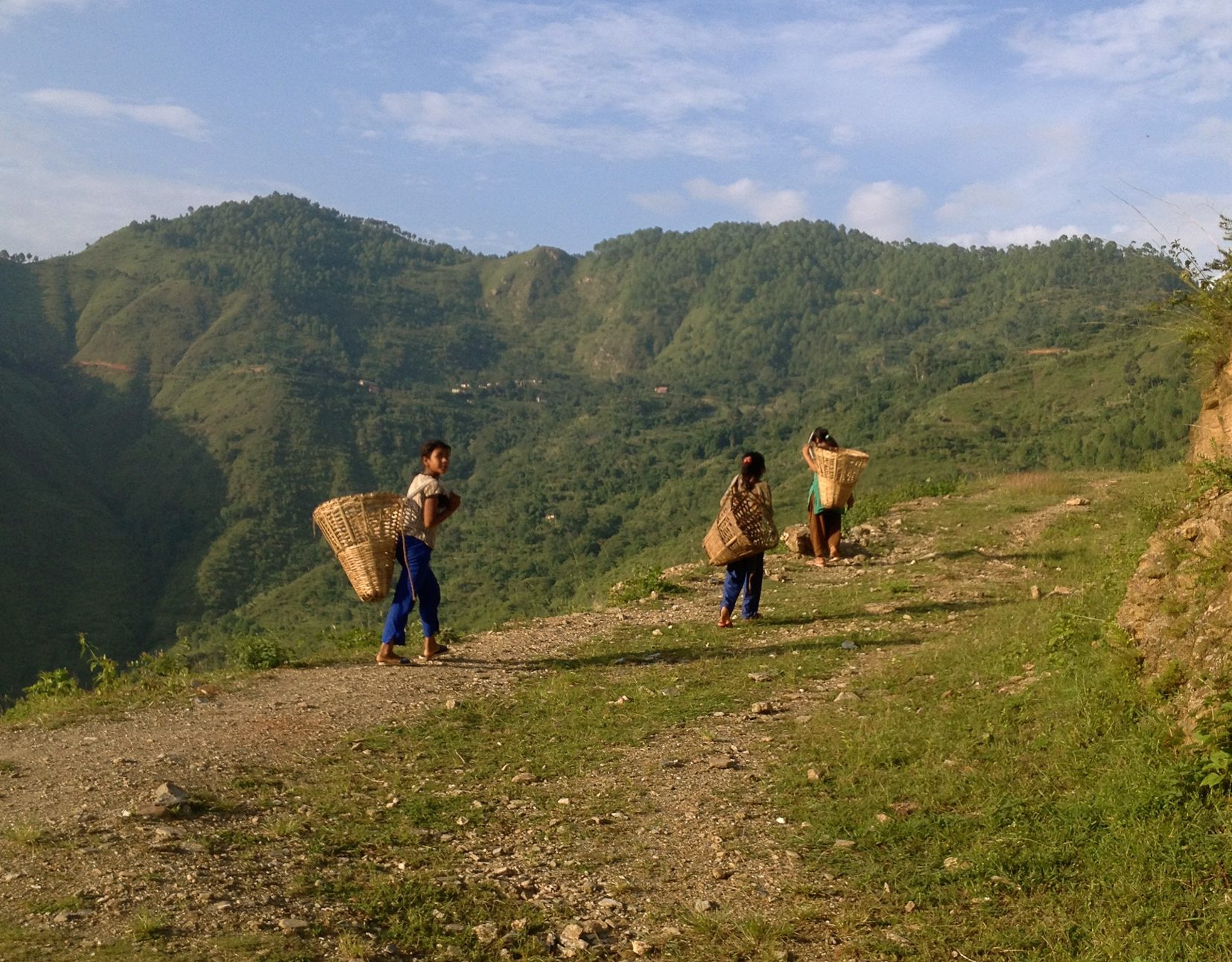
In the Photo: Top: 12-year-old Anita returning from her morning routine of cutting grass to feed to the animals before she heads to school. Photo Credit: Katherine Baxter
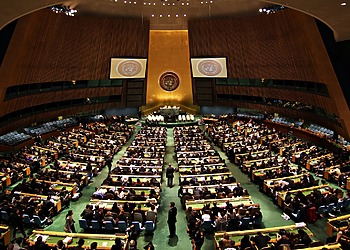
The so-called ‘global schooling project,’ initiated by the United Nations and the World Bank in 1990 with the explicit intention of getting every child everywhere into school, is the point of departure of my PhD research at the University of Edinburgh. In exploring this topic, I aim to better understand how the ‘global schooling project’ impacts the everyday lives of young people and families in central Nepal. However, it would be incomplete to speak about schooling and education practices in isolation, without considering the many ways in which it is embedded into—and impacts upon—the complex, holistic everyday lives of young people and families, making ethnography a particularly apt method to pick up on the textures and subtle details of these lived experiences. The following, then, is based upon 6 months of qualitative, ethnographic research and time spent with young people and families in Nepal and seeks to provide a very general, succinct overview of some of the most significant ways in which I found the ‘global schooling project’ to be impacting upon their everyday lives.
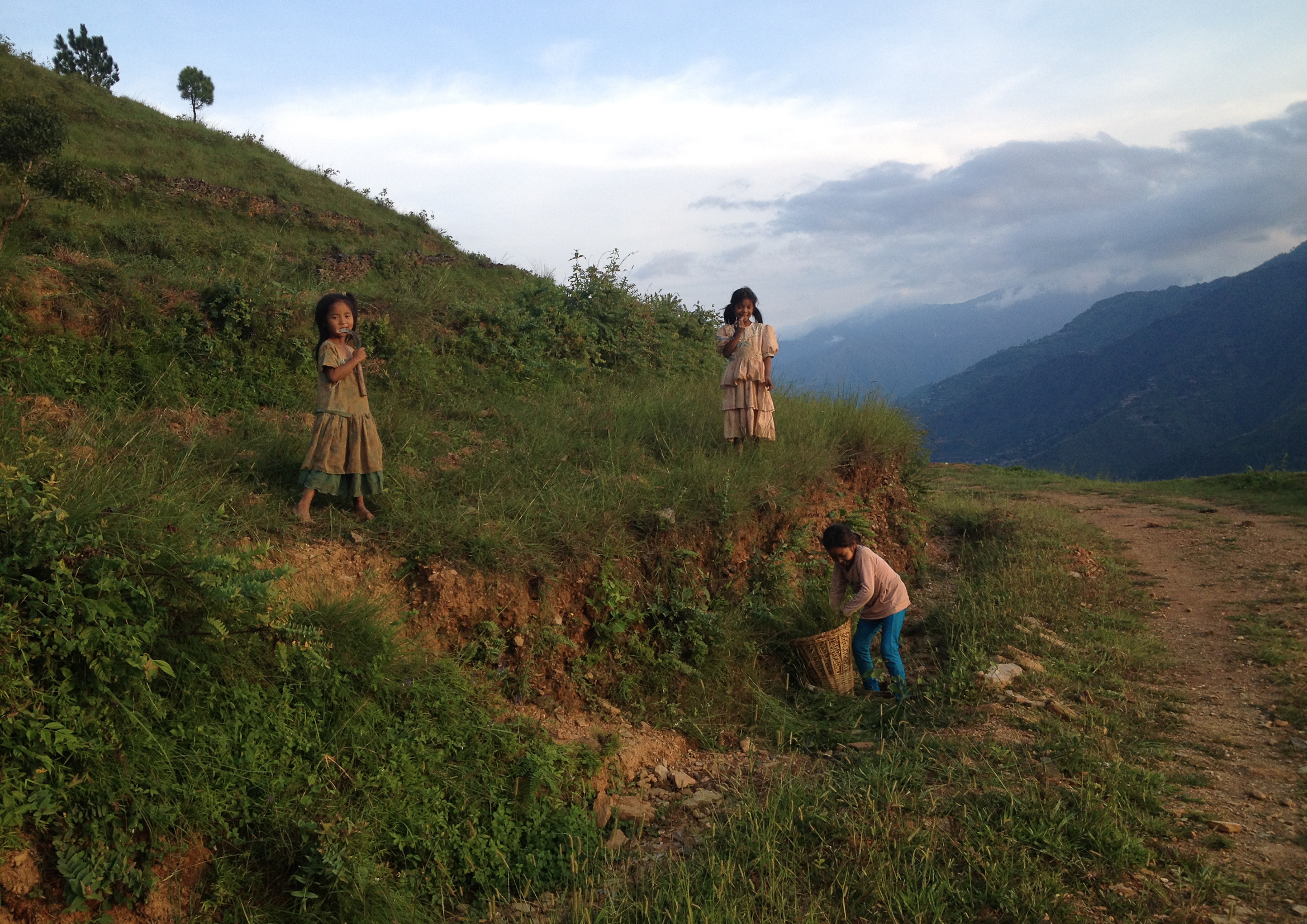
First, the educational landscapes I encountered in Nepal are intricately intertwined with livelihood practices. Though the provision of education in the form of schooling is often seen positively and thought to provide greater opportunities to succeed in the future by young people, parents, and elders, the scene is not that simple. I found that the expansion of formal, institutionalized schooling practices also gave rise to new forms of inequality and exploitation. Once these opportunities reached rural areas, often through the support of various forms of international aid, there were still many children kept out of school due to a lack of family income who were therefore further marginalized. I also found that this need for income to be able to pay school fees was a key driver behind parents’ decisions to move to the city or go abroad to sell their labor, thereby simultaneously fueling both urbanization and proletarianization.
The educational landscape is also significantly impacting the hopes, dreams and aspirations of young people and their families in Nepal, and this in turn shapes their everyday choices and livelihoods. The heavy burden the push for formal, English schooling places on children to achieve, while also balancing work and livelihood responsibilities, is consequential, particularly when coupled with the pressure this places on families to secure the financial means to send their children to a costly ‘good’ school.

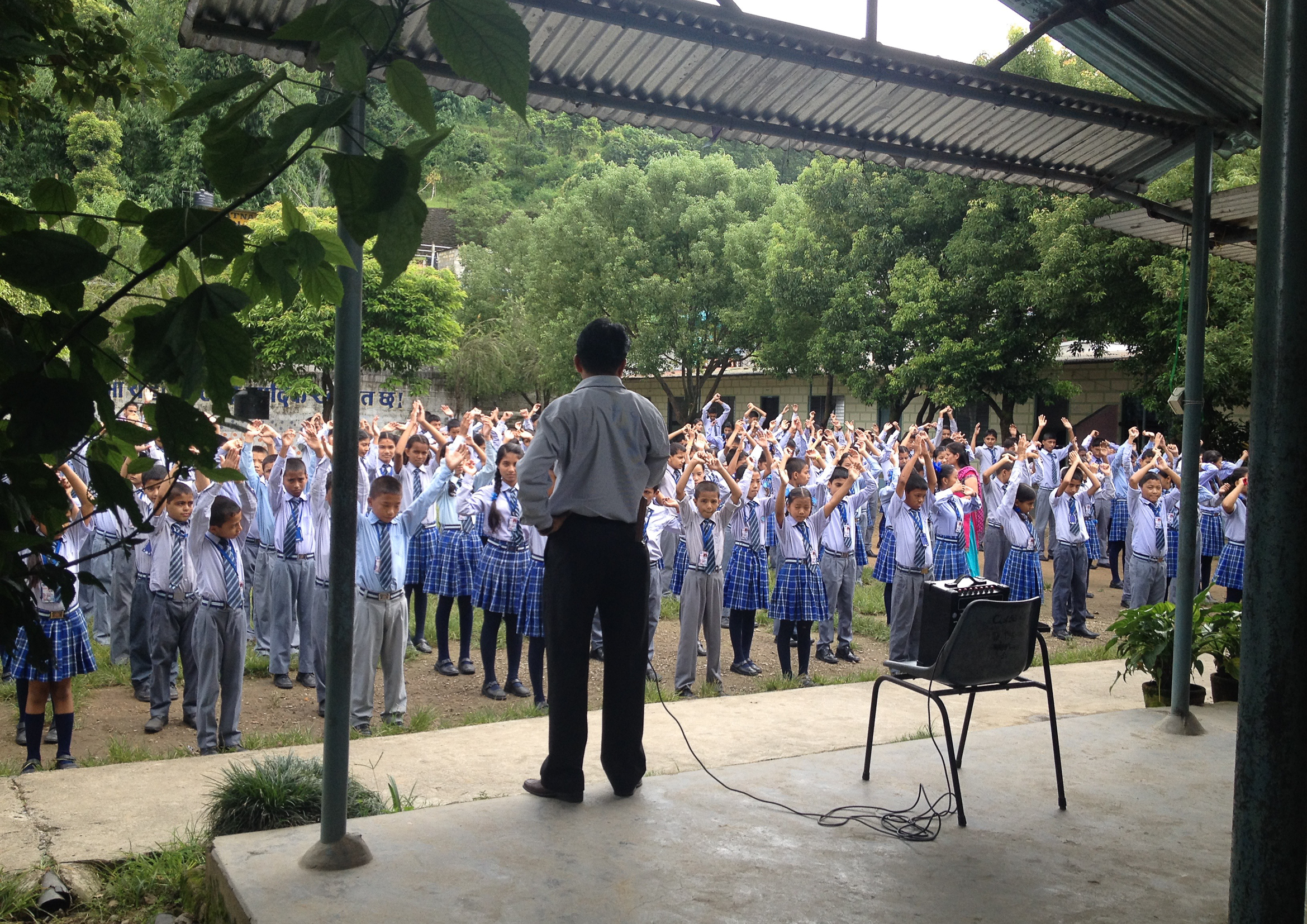
Furthermore, it’s important to consider how the ‘global schooling project’, as witnessed in Nepal, often marginalizes non-academic virtues young people may possess, concealing and suppressing diverse talents and unique capabilities by embodying a very narrow, linear conception of success, knowledge, and achievement. This is not unique to Nepal and the Himalayas and is prolific in many parts of the Global South where Education For All policies, as part of the United Nation’s SDG programs, have been deployed. The outcome of this and other similar research across the globe is the need for schooling and education practices to be reimagined in the pursuit of less exploitative, more sustainable alternatives that create space for the diverse, holistic nature of these young people’s lives, talents, and everyday choices.
Finally, the glaring problematic at the core of the educational landscape in Nepal is that these schooling opportunities more often than not lead to a dead-end for many young people, promising advancement and remote possibilities that very few students have the chance of reaching. So as young people and families internalize and begin to believe in the promises made by the global schooling project and opportunities associated with notions of Education For All, they are simultaneously agreeing to participate in the pursuit of something that was designed to exclude them, while also creating hierarchies of ability, access, and opportunity based upon criteria they had no hand in designing.
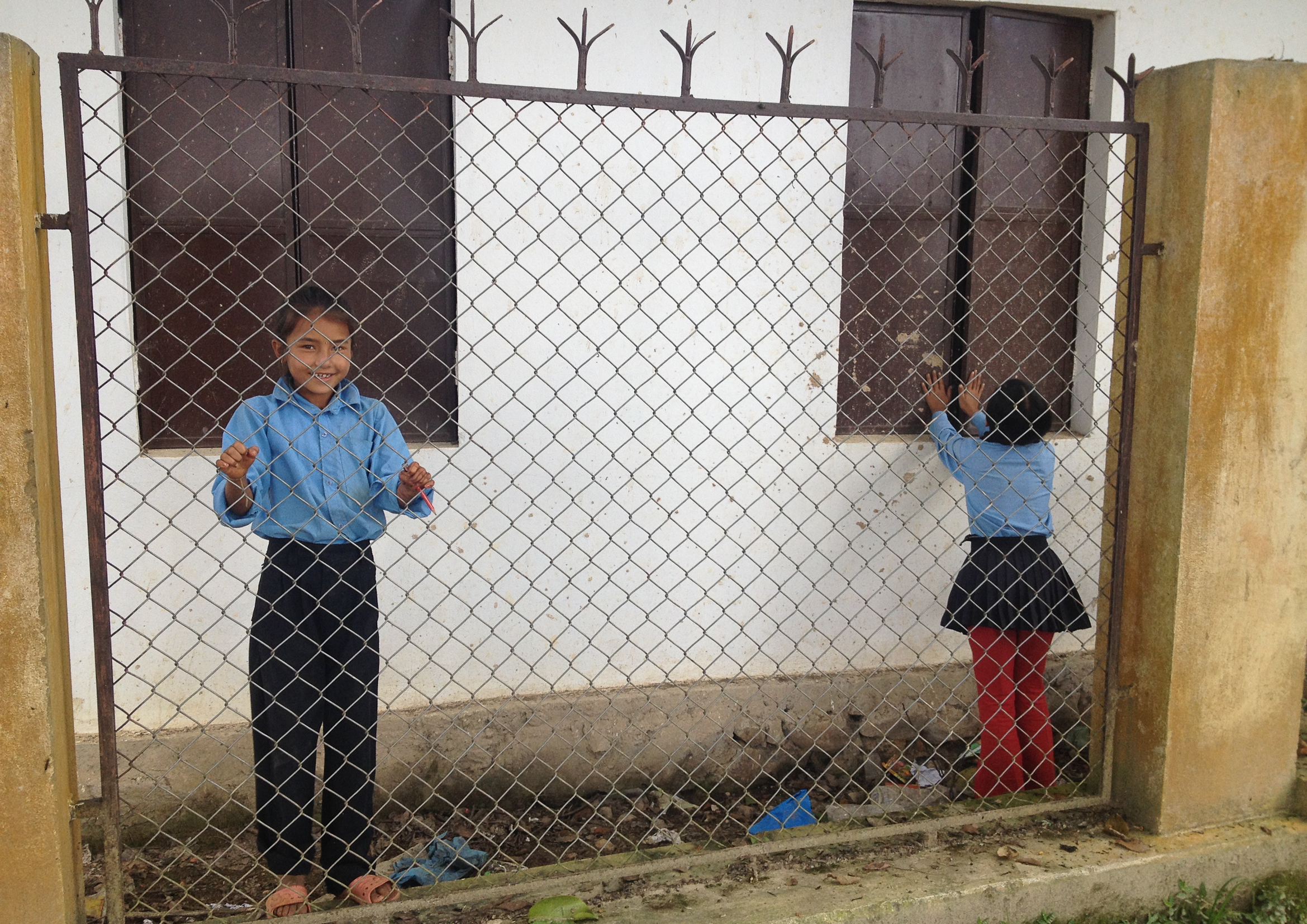
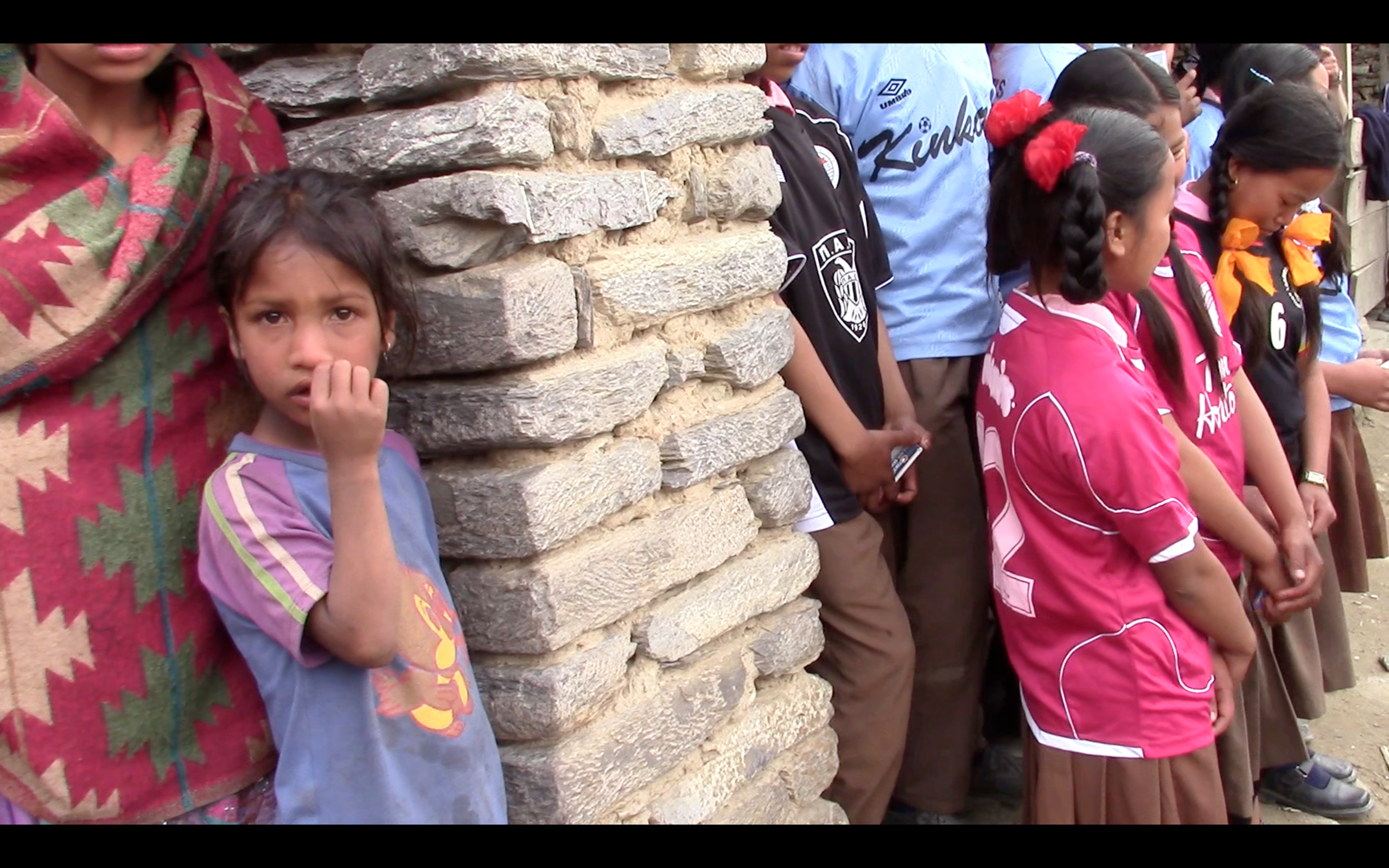
This is the cruel irony of promises for education and opportunities for all within a capitalist framework, and this exploitation and disappointment have far-reaching implications, undermining young people’s sense of self-worth while simultaneously reinforcing destructive notions of success that revolve around the exploitative incorporation of labor and human activity into a defunct and dysfunctional global economy.
In conclusion, then, it seems urgent that some of these particular, yet universal, issues be addressed and taken systemically into consideration in global education policy formation and implementation to ensure that the promises embedded into the ‘global schooling project’ don’t forever remain aspirational, exclusionary, and unattainable for young people and families around the world.
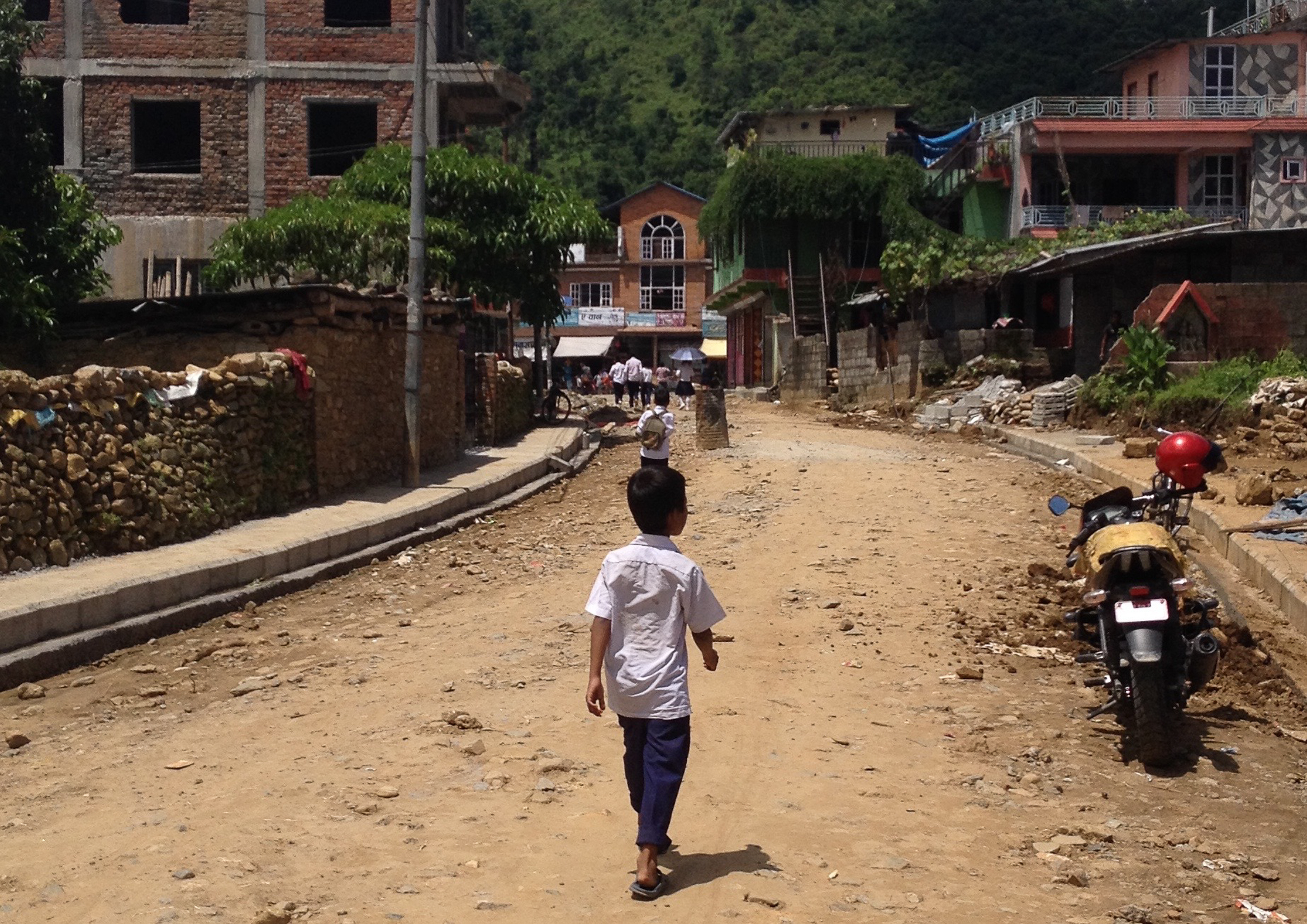
In the Photo: A young boy meandering down a dirt path, headed to school. Photo Credit: Katherine Baxter
Recommended viewing: “RISING OUT OF POVERTY THROUGH EDUCATION IN NEPAL”
_ _