Today’s ESG Updates:
- GKN Walks Away From Rare Earth Magnet Factory: GKN Powder Metallurgy has scrapped its €20 million rare-earth magnet factory project in Europe.
- Wärtsilä CEO Eyes Boost From Trump Data Centre Push: Wärtsilä capitalises on Trump’s data centre self-powering push, with plans to grow engine delivery capacity by 80% by 2028.
- German Ministry Plans to End Subsidies for Small Solar Power Systems: Germany plans to scrap subsidies for small solar systems under 25 kW, betting they’re commercially viable on their own.
- Saudi Aramco Brings Shale Gas Revolution to the Arabian Desert: Saudi Aramco has launched production at the Jafurah shale basin and aims to reach 2 bcfd of gas by 2030.
GKN Walks Away From Rare Earth Magnet Factory
GKN Powder Metallurgy has quietly abandoned plans to build a rare-earth permanent magnet factory in Europe, a significant blow to the EU’s push to build domestic critical mineral supply chains.
The decision was made late last year, ahead of GKN PM’s $1.44 billion takeover by Detroit-based Dauch Corp (formerly American Axle), with the project deemed “a non-core activity with an uncertain profit outlook.”
The company had already sunk €20 million into the project since announcing it in 2022, including a pilot plant in Germany targeting 4,000 metric tons of commercial magnet capacity by 2030. The cancellation comes as China continues to dominate the sector, controlling 90% of processed rare-earth output and 70% of mining, making it extremely hard for European players to achieve profitability.
Only a handful of alternatives exist on the continent, such as Neo Performance Materials’ plants in Estonia and Germany, which are now focusing their main expansion in the US rather than Europe. The timing is particularly awkward: an EU internal audit report earlier this month already flagged that Europe’s efforts to diversify critical raw material imports “fail so far,” and the bloc’s own Critical Raw Materials Act targets, which are 10% domestic extraction and 40% domestic processing by 2030, are looking increasingly out of reach.
***
Further reading: Exclusive: GKN cancels plans for magnet factory in setback for Europe’s rare earth aims
Klimado – Navigate climate complexity with a user-friendly platform that tracks global and local environmental changes for ESG-conscious decision-making. Perfect for investors, companies, and policymakers seeking actionable insights on sustainability trends.
Wärtsilä CEO eyes boost from Trump data centre push

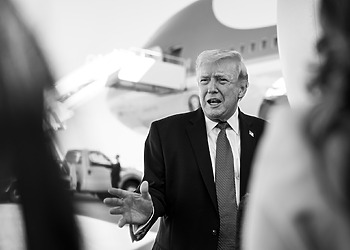
Trump’s push to make US data centres power themselves is a direct tailwind for Finnish energy company Wärtsilä, which plans to grow its data centre engine delivery capacity by 80% by 2028.
It expects a “double-digit” percentage increase in US service staff over the next two years, building on its current ~1,000 U.S.-based employees. CEO Håkan Agnevall pointed to 1.2 gigawatts of contracted data centre power as proof of demand and highlighted a key competitive edge: Wärtsilä’s closed-loop cooling engines use “up to 2,000 times less water” than comparable gas turbines, while also cutting fuel costs by 20–35% and reducing emissions.
A strong pitch as environmental concerns around water usage and grid strain grow ahead of the US midterm elections. The White House is set to meet with Microsoft, Amazon, and Meta on March 4 to agree a plan to manage rising consumer power costs, a move Agnevall sees as further validation, although he flagged one bottleneck: “Everybody’s looking for that type of talent… there has, so far at least, been tight supply,” calling for more vocational training in the US to meet demand.
***
Further reading: Wärtsilä CEO eyes boost from Trump datacenter push
German ministry plans to end subsidies for small solar power systems
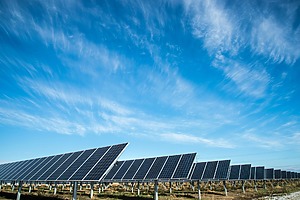
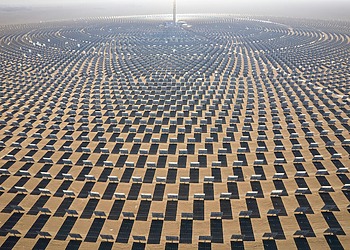
Germany is cutting solar subsidies for small systems under 25kW, arguing they no longer need public support. Critics warn it could gut the industry and derail climate targets.
The economy ministry’s draft law states plainly: “Subsidies for systems with an installed capacity of up to 25 kilowatts will be discontinued,” on the grounds that rooftop panels and similar small-scale systems are economically viable on their own, provided homeowners consume most of what they generate.
The ministry is pushing for cabinet review by the end of March, with a spokesperson defending the move, saying, “Too little attention has been paid to cost efficiency and security of supply in the energy system.”
Not everyone is on board: the Solar Industry Association BSW fired back that “tens of thousands of jobs in the solar industry and the achievement of climate targets would be equally at risk” if the draft passes as written, a view shared by the opposition Greens.
Despite the rollback, Germany insists it still aims for 80% renewable electricity by 2030, up from around 55% today.
***
Further reading: German ministry plans to end subsidies for small solar power systems

Saudi Aramco brings shale gas revolution to the Arabian Desert
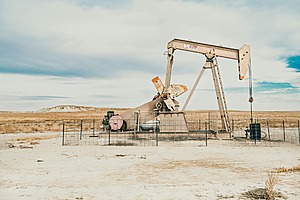
Saudi Aramco has officially kicked off production at the Jafurah basin, potentially the biggest shale gas development outside the US, marking a major strategic pivot from oil to gas.
The basin sits southeast of the Ghawar oilfield and is backed by a $100 billion investment. Jafurah holds an estimated 229 trillion standard cubic feet of raw gas and 75 billion barrels of gas condensate, with peak condensate output possibly hitting 1 million bpd (barrels per day). Aramco is targeting 2 bcfd (standard cubic feet per day) of gas plus 630,000 bpd of associated liquids by 2030, using US and Chinese partners like Halliburton and Sinopec, bringing hydraulic fracturing (fracking) and horizontal drilling tech straight to the desert.
The business case is clear: Saudi Arabia currently burns over 1 million bpd of crude for domestic power; replacing half that with gas by 2030 frees up roughly $12.8 billion/year in exportable crude, on top of an expected $12–15 billion in incremental operating cash flows. As Aramco’s upstream president put it: “Early well performance has been outstanding, validating our high-tech approach and reaffirming the significance of this flagship project to our gas growth strategy”.
***
Further reading: Saudi Aramco bringing shale gas revolution to Arabian Desert
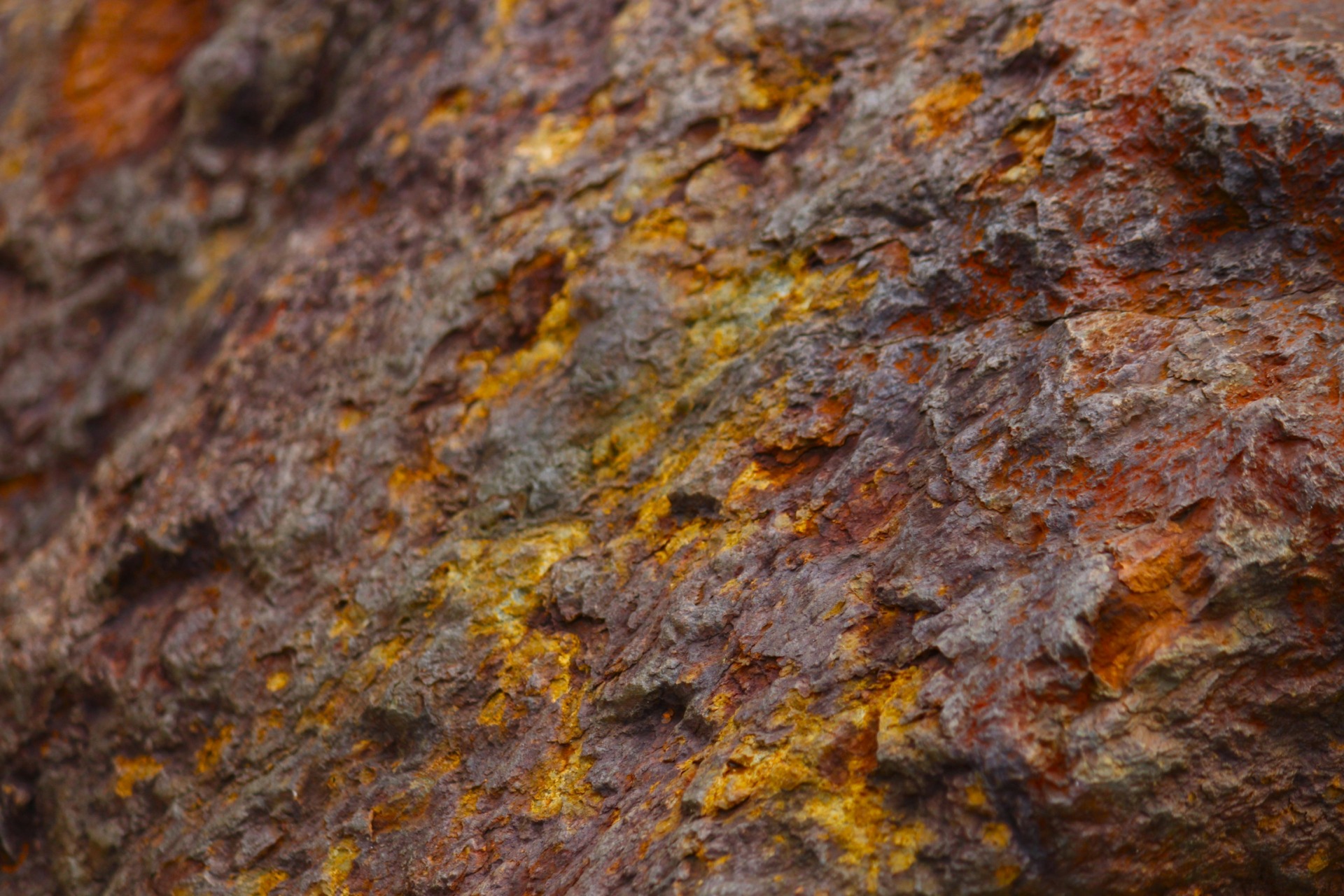
Editor’s Note: The opinions expressed here by the authors are their own, not those of impakter.com — In the Cover Photo: A rock. Cover Photo Credit: Chayse Larsen on Unsplash