Every year, thousands of families lose loved ones not to sudden accidents, but to the invisible consequences of industrial pollution – cancers, organ failure, and respiratory collapse that develop silently over years of toxic exposure. As environmental accountability standards tighten globally and ESG frameworks demand greater corporate transparency, the legal system is increasingly becoming the primary instrument for holding corporations responsible for lives lost to industrial mismanagement.
Beyond the Factory Gates: The Rise of Toxic Tort Claims
Traditional wrongful death claims arise from discrete, identifiable events. Environmental wrongful death claims are different; they emerge from years of cumulative exposure to chemicals like ethylene oxide, PFAS compounds, or benzene derivatives.
What once resulted in manageable regulatory fines now produces “nuclear verdicts” designed for both victim restitution and corporate deterrence. Several key developments are driving this transformation:
- Sterilization facility litigation: Ethylene oxide emissions from medical sterilization plants have triggered multi-jurisdictional wrongful death suits with verdicts exceeding hundreds of millions of dollars.
- Persistent organic pollutant claims: Manufacturers of PFAS compounds face consolidated wrongful death actions from communities across the United States and Europe, with causation now legally established through epidemiological modeling.
- Cross-border supply chain liability: EU-domiciled corporations are being held liable under the CSDDD for environmental fatalities occurring within their global operations, marking a turning point in international corporate accountability.
Environmental Justice and the “Survival Action”
Not all communities face equal exposure. “Sacrifice zones”, predominantly in low-income and minority neighborhoods, absorb a disproportionate share of industrial hazardous waste, petrochemical emissions, and landfill contamination. In these areas, the wrongful death claim and the related survival action operate as complementary legal tools.
A wrongful death claim compensates surviving family members for the financial and emotional losses resulting from a loved one’s death. A survival action, by contrast, recovers damages for the victim’s own pain, suffering, and lost earning experienced before death. Pursuing wrongful death claims serves a dual purpose: securing a future for the bereaved and creating a powerful financial deterrent against future corporate negligence.
Corporate Accountability in the Age of Mandatory Disclosure
New mandatory reporting frameworks are transforming the evidentiary landscape. In California, large corporations must now disclose Scope 1, 2 and 3 greenhouse gas emissions with audited precision. This data creates an unintentional paper trail that plaintiffs attorneys now routinely exploit during discovery.
The “transparency trap” is real. A corporation that accurately reports high emission levels to satisfy ESG regulators simultaneously generates the documentary evidence needed to establish legal causation in a wrongful death claim. EU companies face even greater exposure: the CSDDD creates affirmative due diligence obligations across entire supply chains. This means that a parent company cannot insulate itself from liability by pointing to overseas subsidiaries or contractors when environmental fatalities occur.
The Path Forward
Environmental wrongful death litigation is functioning as a de facto public policy instrument – filing regulatory gaps that governments have been too slow or too politically constrained to address. A single family’s pursuit of justice can force systemic industrial reform: upgraded filtration systems, elimination of carcinogenic materials, and genuine operational accountability.
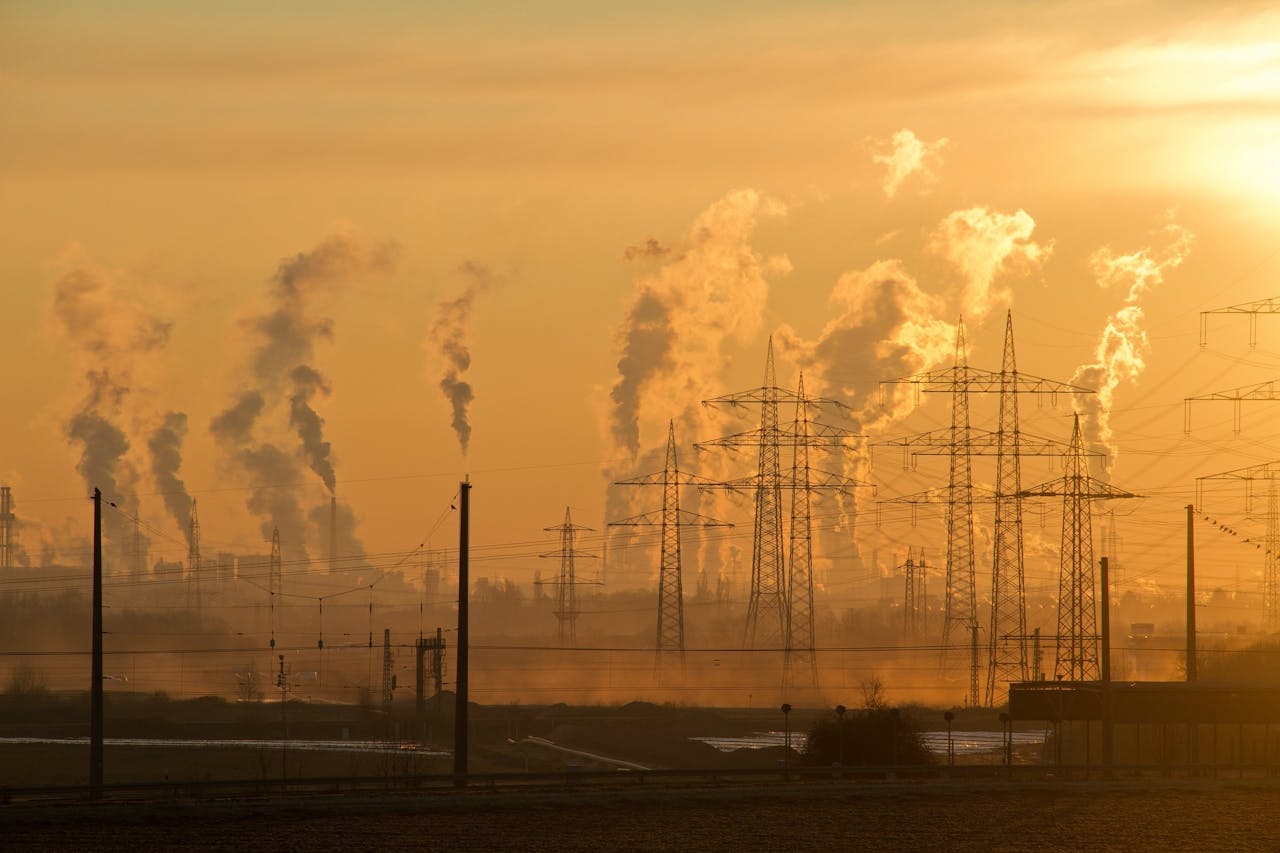
Editor’s Note: The opinions expressed here by the authors are their own, not those of Impakter.com — In the Cover Photo: Corporate Liability and renewable energy challenge. — Cover Photo Credit: Pixabay