National-level food experts are this week gathered in Rome, seizing on a final opportunity to build consensus and drive forward the meaningful inclusion of food systems approaches in climate negotiations before the UN Climate Change Conference (UNFCCC COP 28) kicks off in Dubai at the end of the month.
Changing the food we eat and how we produce it has been an overlooked solution to the climate crisis for too long. Findings released in the UNFCCC’s Synthesis Report of the first Global Stocktake clearly show that the world is not on track to keeping global temperatures increases to 1.5°C and, if current trends continue, temperatures will soar well past 2.0°C.
Rapid decarbonization of all sectors is needed and, as the report notes, action on food systems is critical.
Making food systems a priority
Food systems contribute to one-third of global greenhouse gas (GHG) emissions. While we can’t phase out food in the same way we can fossil fuels, we can transform food systems so that they have net-zero emissions, restore nature, and boost resilience.
With systemic transformation, food systems can deliver the mitigation and adaptation we desperately need for people and the planet to thrive.
Most countries are yet to realize the full potential of including and implementing food systems in their climate strategies and action plans. Whether it’s in production or consumption, there are multiple solutions countries can use to limit climate breakdown, reverse nature loss, and deliver resilience to those on the front lines of the current crisis. The future will look different from country to country, but food systems transformation matters to everyone.
Related Articles: How Does Climate Change Affect Agriculture? | Strengthening Urban Food Systems in Times of Crisis | We Must Value the Role of Forests in the Global Food System
Encouragingly, for the first time at a climate COP, the Presidency has made food a priority. The United Arab Emirates (UAE) is preparing an “Emirates Declaration on Resilient Food Systems, Sustainable Agriculture and Climate Action” which we urge all countries to sign.
However, pledging to take action alone is not enough. Any promises made at COP 28 need to be accompanied by robust follow-up protocol to ensure we see action on the ground and in the water.
A collective call for decisive action
In a joint open letter published this week, WWF, The Food Systems Partnership, and the Food and Land Use Coalition (FOLU), amongst many other organizations, are urging parties to the UNFCCC to acknowledge the critical role of food systems in achieving the goals of the Paris Agreement on climate change. Within the letter are two primary asks fwor negotiators at COP 28.
1) Integrating a holistic approach to food systems within the Sharm el-Sheikh Joint Work on Implementation of Climate Action on Agriculture and Food Security (SSJW).
Research and expertise show this is an important step in achieving the type of systems transformation that the Paris Agreement requires. The SSJW is the official mechanism for coordinating food action in the UNFCCC. It is therefore critical that a food systems approach is adopted within the agreed SSJW “roadmap.”
In the context of the Joint Work, taking a food systems approach would, at a minimum, encompass three key elements: nature-positive food production; healthy sustainable diets; and food loss and waste. At present, consumption continues to be excluded from the SSJW.
2) Building on the findings of the Global Stocktake, including food systems actions in updated National Adaptation Plans (NAPs), Nationally Determined Contributions (NDCs), and long-term low-emission development strategies (LT-LEDS) before COP 30.
Integrating food systems actions with high potential for both mitigation and adaptation into NAPs, NDCs, and long-term strategies means creating and implementing policies and incentives for actions such as sustainable food production, reducing food loss and waste, and shifting towards healthy and sustainable diets.
It also means improved nutrition, conserving and restoring ecosystems, as well as scaling healthy soil practices.
Seizing the final opportunity for food system transformation
At present, more than 100 countries have included actions on agricultural production in updated NDCs, but only five include actions on consumption — and they are all developing countries whose diets produce relatively few GHG emissions. Just two countries — Malawi and Liberia — have included all of production, consumption, and loss and waste in their updated NDCs.
More than 85 organizations and high-profile individuals have joined us in a call for action. With just four weeks left before COP 28, we’re using our voices to speak on behalf of people all over the world who will suffer, and are already suffering, from the impacts of the climate crisis.
We must transform our food systems to mitigate the worst impacts of climate breakdown, and to adapt to those changes that do occur. This week’s meeting in Rome and COP 28 provide a pivotal opportunity to accelerate that transformation. Now is the time for decisive action. We hope that negotiators and parties listen – not just to us, but to our planet and its most vulnerable populations.
— —
This article was co-authored by Joao Campari, Global Food Practice Leader at WWF, and Morgan Gillespy, Executive Director of the Food and Land Use Coalition. It was originally published by the International Institute for Sustainable Development (IISD) and is republished here as part of an editorial collaboration with IISD.
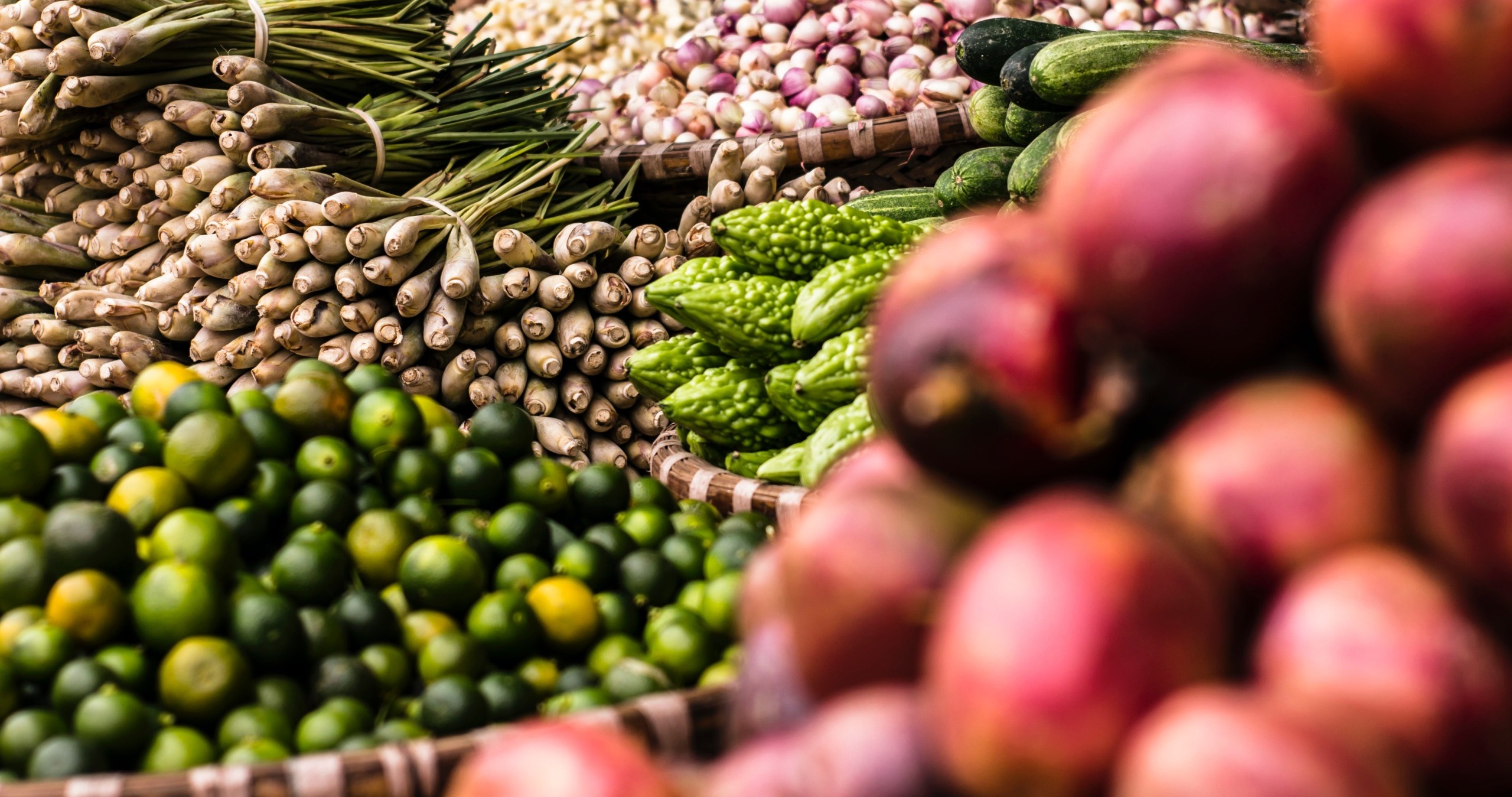
Editor’s Note: The opinions expressed here by the authors are their own, not those of Impakter.com — In the Featured Photo: Fruits and vegetables at a farmers’ market. Featured Photo Credit: Julian Hanslmaier.