Impakter
  • Environment
    • Biodiversity
    • Climate Change
    • Circular Economy
    • Energy
  • FINANCE
    • ESG News
    • Sustainable Finance
    • Business
  • TECH
    • Start-up
    • AI & Machine Learning
    • Green Tech
  • Industry News
    • Entertainment
    • Food and Agriculture
    • Health
    • Politics & Foreign Affairs
    • Philanthropy
    • Science
    • Sport
  • Editorial Series
    • SDGs Series
    • Shape Your Future
    • Sustainable Cities
      • Copenhagen
      • San Francisco
      • Seattle
      • Sydney
  • About us
    • Our Story
    • Team
    • Partners
    • Write for Impakter
    • Contact Us
    • Privacy Policy
No Result
View All Result
  • Environment
    • Biodiversity
    • Climate Change
    • Circular Economy
    • Energy
  • FINANCE
    • ESG News
    • Sustainable Finance
    • Business
  • TECH
    • Start-up
    • AI & Machine Learning
    • Green Tech
  • Industry News
    • Entertainment
    • Food and Agriculture
    • Health
    • Politics & Foreign Affairs
    • Philanthropy
    • Science
    • Sport
  • Editorial Series
    • SDGs Series
    • Shape Your Future
    • Sustainable Cities
      • Copenhagen
      • San Francisco
      • Seattle
      • Sydney
  • About us
    • Our Story
    • Team
    • Partners
    • Write for Impakter
    • Contact Us
    • Privacy Policy
No Result
View All Result
Impakter
No Result
View All Result

Fast Fashion Is Terrible, So Why Does It Keep Growing?

We’ve seen the devastating pictures of the sweatshops operated by fast fashion brands, so how does this industry continue to grow?

byRachel Cross
November 28, 2022
in Eco Life, Women Fashion

Any rational consumer has adjusted their shopping habits and avoids fast fashion after learning of the industry’s detrimental contributions to the desolation of Earth. But social media trends and company revenue statistics show a continuous rise in fast fashion sales.
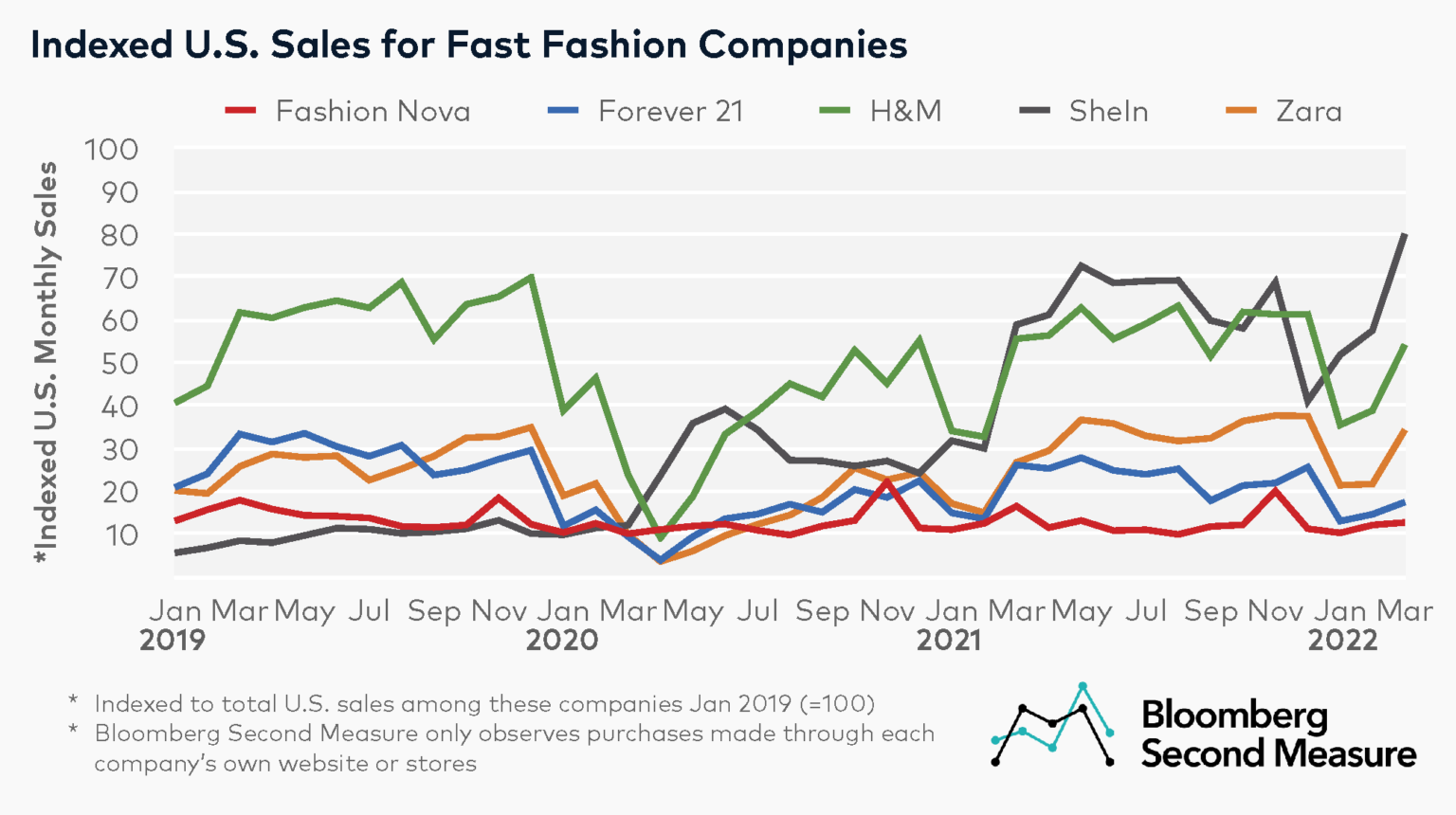
In the Graph: 2019-2022 U.S. sales for fast fashion companies; Fashion Nova, Forever 21, H&M, Shien, and Zara | Graph Credit: Bloomberg Second Measure

Who are the consumers that perpetuate this cycle of malice? Are they ignorant of the harm they’re causing, or uneducated entirely?

Excuses to Eschew

It’s not unlikely for consumers to turn a blind eye to unethical business practices and continue buying from a noxious brand. Unfortunately, people often prioritize personal desires over the wellness of others and the future of our planet. Therefore, fast fashion’s greatest appeal is its trendy styles and inexpensive prices.

Fashionable Fraud

Fast fashion companies keep up with trending styles only because they steal patterns from other designers, overwork their employees, and use the cheapest materials for production. These companies are not financially defying miracles, they are frauds. Supporting their business tells them that we’re okay with their practices and value our clothing over anything or anyone else.

https://youtu.be/YhPPP_w3kNo

Popularity Pressure

Social media drives the unrequited pressure to be perfect felt by billions of people around the world. Especially among younger generations, the standards of social media posts are high, and more children are struggling to feel accepted.
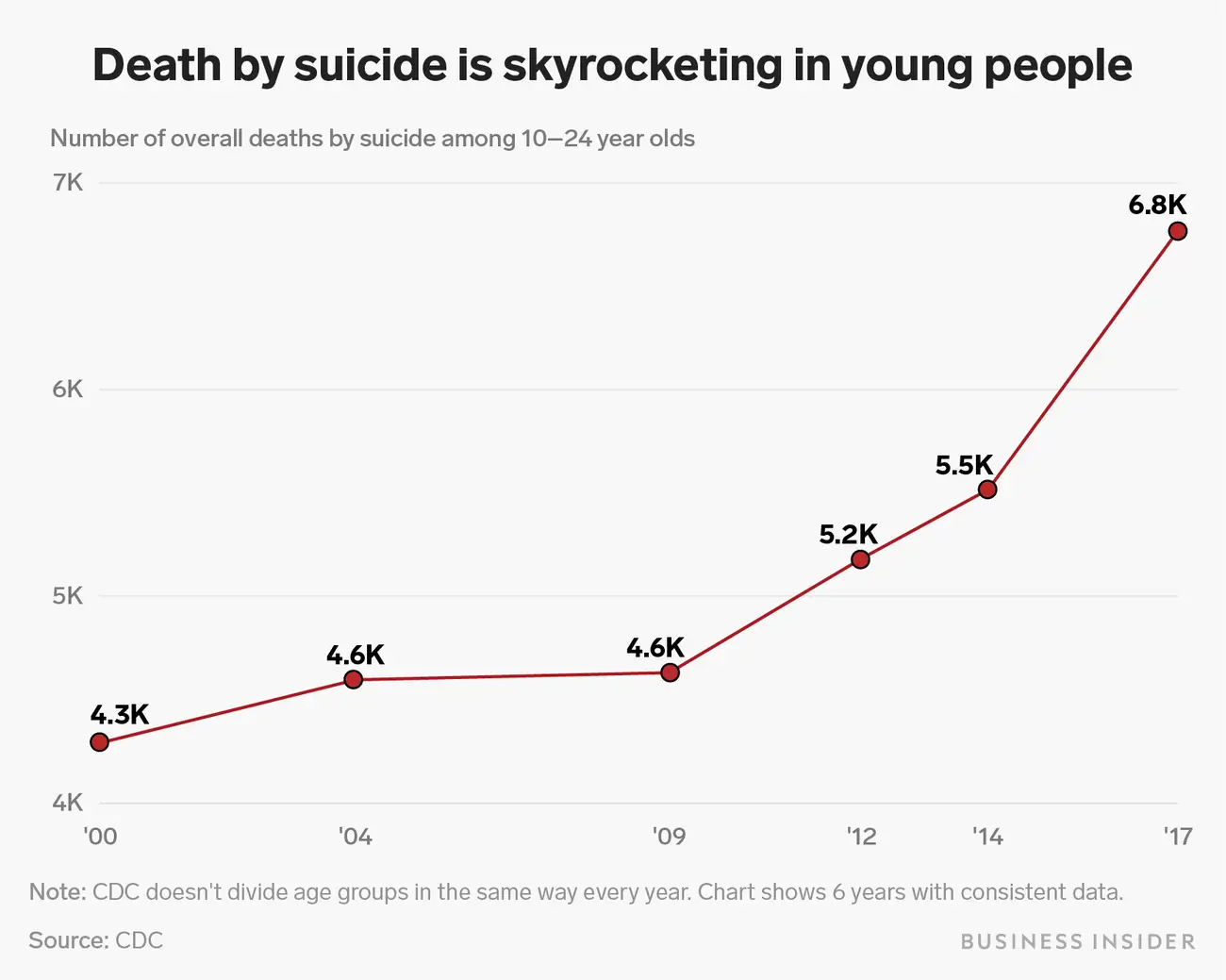
In the Graph: Suicide rates in young people since the early 2000s | Graph Credit: Business Insider / CDC

A person’s face, pose, photo edits or filter, and of course, clothing is all fair game for a frenzy of judgment on social media. This pressure to look good indirectly influences consumers to purchase from on-trend, cheap, and accessible clothing brands.

Additionally, a trending hashtag on TikTok and Instagram is “Haul.” A haul is the showcasing of a consumer’s newest purchases from a particular brand or brands to their connections on social media. They may even post a “Try on Haul” where the consumer also tries on the clothing.

These videos are a promotion of gluttony and greed. Fast fashion consumers will spend hundreds of dollars on an outrageous amount of clothing simply because they can and want to show it off. Doesn’t this contradict the argument that fast fashion is the only affordable option?


Related Article: Black Friday: A Dark Day for Our Planet | Fast Fashion Desolates Our Future: Do You Shop to Salvage or Sabotage

Short-Lived Survival

Shein, America’s leading fast fashion brand, adds up to 6,000 new styles every day. This in combination with their all-time low prices is perfect for a feverish shopper looking to rashly elevate their wardrobe.

Unfortunately for the consumer, you get what you pay for. If they’re lucky enough for their clothing to arrive in wearable condition, they may only be able to rock it once or twice before it will inevitably rip, stretch, or deteriorate.

When this happens guess where the item ends up? In the landfill. Now picture this exact scenario duplicated by millions and millions of shoppers. Not only does fast fashion production burden the environment, but the aftermath of product creation does as well.

The clothing we’re manufacturing is not made to last. And unethical practices by these manufacturers are shortening our earth’s lifespan as well. This factor must come before the yearning to wear and post trendy styles.

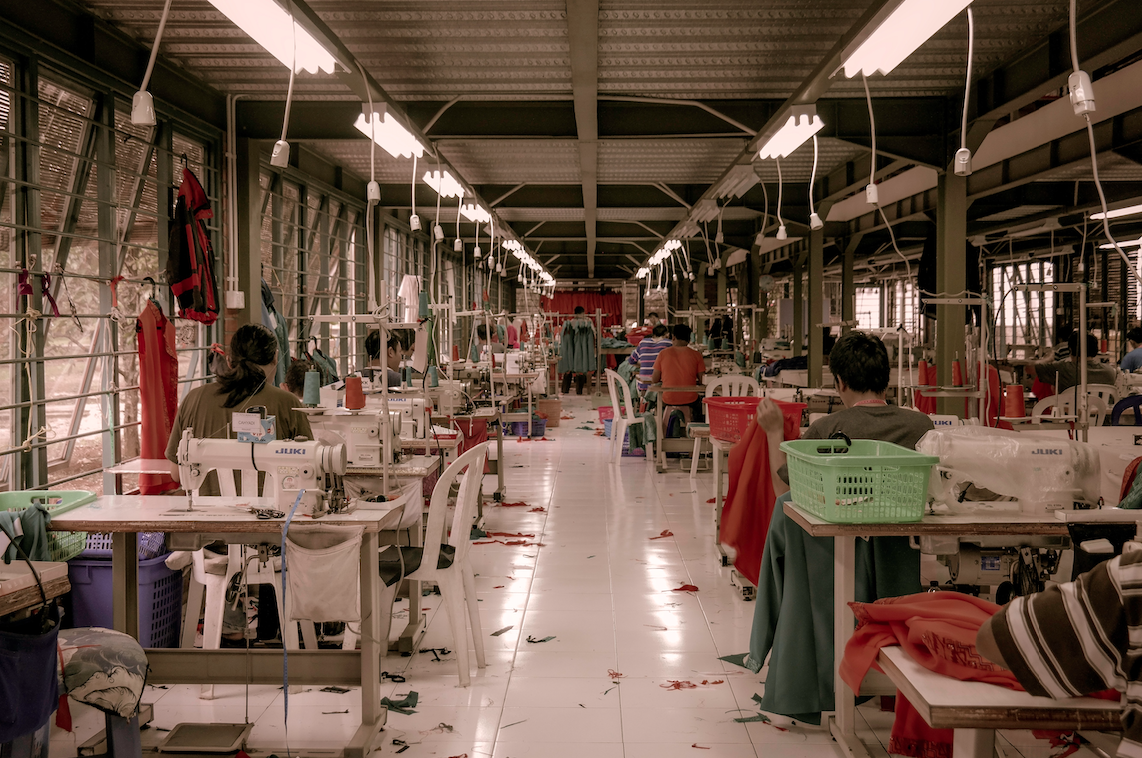
Editor’s Note: The opinions expressed here by Impakter.com columnists are their own, not those of Impakter.com. — In the Featured Photo: Clothing Factory. Featured Photo Credit: Rio Lecatompessy.

Share: Facebook X LinkedIn
Tags: fast fashionhaulshienslow fashionTik TokZara
Previous Post

To Change Corrupt Behaviour, Change the Message

Next Post

Who Benefits from Fast Fashion? Who Suffers?

Related Posts

Steakhouse in Tucson
Food & Drinks

7 Factors That Define a Premium Steakhouse Experience

January 12, 2026
Granddaddy Purple Strain
Food & Drinks

Where Granddaddy Purple Strain Gets Its Iconic Grape Flavor

December 5, 2025
Sustainable retail using QR codes
Beauty

Sustainable Retail: How QR Codes Reduce Waste and Improve Transparency for Consumers

November 21, 2025
Next Post
Who Benefits from Fast Fashion? Who Suffers?

Who Benefits from Fast Fashion? Who Suffers?

Related News

ESG news on the UAE leaving OPEC, Shell warns Hormuz blockade effects could last until 2027, PepsiCo + Partners sign 10-year wind energy PPA, Private Equity Blackstone invests €2 Billion to scale up renewables.

United Arab Emirates to Leave OPEC

April 30, 2026
ESG news regarding Hungary facing deadline to secure frozen EU recovery funds, New South Wales reopening gas exploration amid energy and environmental debate, Albanese ruling out new gas export tax in upcoming federal budget, and Italy considering extending fuel tax cuts amid energy costs.

Péter Magyar Pushes to Unlock Hungary’s EU Funds

April 29, 2026

Impakter informs you through the ESG news site and empowers your business CSRD compliance and ESG compliance with its Klimado SaaS ESG assessment tool marketplace that can be found on: www.klimado.com

Registered Office Address

Klimado GmbH
Niddastrasse 63,

60329, Frankfurt am Main, Germany


IMPAKTER is a Klimado GmbH website

Impakter is a publication that is identified by the following International Standard Serial Number (ISSN) is the following 2515-9569 (Printed) and 2515-9577 (online – Website).


Office Hours - Monday to Friday

9.30am - 5.00pm CEST


Email

stories [at] impakter.com

By Audience

  • TECH
    • Start-up
    • AI & MACHINE LEARNING
    • Green Tech
  • ENVIRONMENT
    • Biodiversity
    • Energy
    • Circular Economy
    • Climate Change
  • INDUSTRY NEWS
    • Entertainment
    • Food and Agriculture
    • Health
    • Politics & Foreign Affairs
    • Philanthropy
    • Science
    • Sport
    • Editorial Series

ESG/Finance Daily

  • ESG News
  • Sustainable Finance
  • Business

About Us

  • Team
  • Partners
  • Write for Impakter
  • Contact Us
  • Privacy Policy

© 2026 IMPAKTER. All rights reserved.

No Result
View All Result
  • Environment
    • Biodiversity
    • Climate Change
    • Circular Economy
    • Energy
  • FINANCE
    • ESG News
    • Sustainable Finance
    • Business
  • TECH
    • Start-up
    • AI & Machine Learning
    • Green Tech
  • Industry News
    • Entertainment
    • Food and Agriculture
    • Health
    • Politics & Foreign Affairs
    • Philanthropy
    • Science
    • Sport
  • Editorial Series
    • SDGs Series
    • Shape Your Future
    • Sustainable Cities
      • Copenhagen
      • San Francisco
      • Seattle
      • Sydney
  • About us
    • Our Story
    • Team
    • Partners
    • Write for Impakter
    • Contact Us
    • Privacy Policy

© 2026 IMPAKTER. All rights reserved.