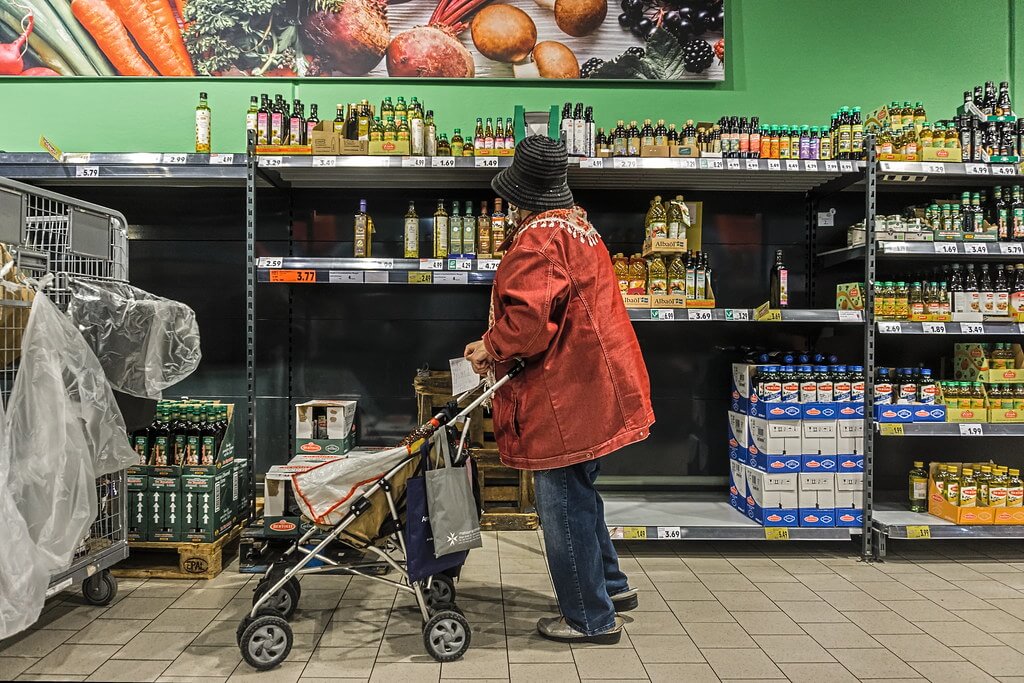

Ukraine, renowned for its fertile soil and agricultural prowess, has become one of the world’s largest exporters of cooking oils. The country’s rich production of sunflower oil, in particular, has earned global recognition, positioning Ukrainian cooking oil manufacturers as significant players in the international market. Understanding the trends in the global demand for cooking oils, key export markets, and the factors driving Ukraine’s oil exports is crucial for both producers and consumers. This article explores the export landscape of Ukrainian cooking oils, highlighting key market trends, challenges, and future opportunities.
1. Overview of the Ukrainian Cooking Oil Industry
Ukraine’s cooking oil industry has flourished thanks to its abundant agricultural resources. The country is one of the world’s leading producers and exporters of vegetable oils, with sunflower oil being the flagship product. The country’s climate and soil conditions make it an ideal location for growing sunflowers, making it a top producer of sunflower seeds. According to the Ukrainian Sunflower Oil Producers Association, Ukraine accounts for over 50% of global sunflower oil production, with an annual production exceeding 6 million metric tons.
In 2020, Ukraine’s total vegetable oil production amounted to around 8 million metric tons, with sunflower oil accounting for nearly 5.5 million metric tons of that figure. This makes Ukraine not only the largest exporter of sunflower oil but also a key player in the global edible oil market.
2. Key Export Markets for Ukrainian Cooking Oils
Ukraine’s cooking oil industry is highly export-oriented, with nearly 80% of its total production being sold abroad. The country’s key export markets include both European countries and developing regions. Below is a breakdown of Ukraine’s top export destinations:
- European Union: The EU remains the largest importer of Ukrainian cooking oils, particularly sunflower oil. In 2020, the EU accounted for about 45% of Ukraine’s total sunflower oil exports, importing approximately 2.3 million metric tons. Major importers within the EU include Germany, the Netherlands, and Spain.
- India: India is the second-largest market for Ukrainian sunflower oil, importing around 1.4 million metric tons annually. India’s demand for cooking oils is rising due to increasing consumer consumption and population growth.
- Middle East and Africa: The Middle East, including countries like Turkey and the United Arab Emirates, as well as parts of Africa, also represent growing markets. In 2020, countries in these regions accounted for nearly 20% of Ukraine’s cooking oil exports.
- China: China has emerged as an important destination for Ukrainian cooking oils, with sunflower oil being a key product. Chinese demand for sunflower oil has been increasing due to a shift in dietary preferences towards healthier oils.
Export Statistics (2020):
- EU: 2.3 million metric tons (45% of total exports)
- India: 1.4 million metric tons
- Middle East & Africa: 1 million metric tons (20% of exports)
- China: Approximately 800,000 metric tons
3. Global Demand Trends for Cooking Oils
The global demand for cooking oils has seen significant shifts in recent years. Some key global trends that are influencing the demand for Ukrainian cooking oils include:
- Health and Wellness Movement: As consumers become more health-conscious, there is an increasing preference for healthier oils, such as those rich in monounsaturated fats (e.g., sunflower oil). The demand for sunflower oil is growing not only because of its affordability but also due to its reputation for being heart-healthy.
- Rise of Plant-Based Diets: The increasing adoption of plant-based diets, particularly in Western countries, is contributing to a higher demand for vegetable oils, especially sunflower oil. Many plant-based products use sunflower oil as a key ingredient.
- Demand for Sustainable Oils: Sustainability concerns are driving consumers and food manufacturers to seek out oils that are produced using environmentally friendly practices. Ukraine’s vegetable oil producers are increasingly focusing on sustainable farming practices and improving the environmental footprint of their production processes.
- Changing Cooking Habits: In developing markets, including parts of Africa and Asia, urbanization and changing cooking habits are driving up the demand for cooking oils. The shift from traditional animal fats to vegetable oils has been particularly pronounced in regions like Africa and Southeast Asia.
4. Challenges in Exporting Ukrainian Cooking Oils
Despite its strong presence in the global market, Ukrainian cooking oil exporters face several challenges:
- Regulatory Barriers: Exporting oils to different regions involves complying with varying regulations and standards. The European Union, for example, has strict quality and labeling regulations for cooking oils, including requirements for certification and traceability.
- Logistical Issues: Exporting cooking oils requires efficient logistics, particularly for bulk shipments. Ukraine’s geographical location presents logistical challenges, as many products need to be shipped through ports in the Black Sea, which can be subject to congestion or geopolitical issues.
- Market Competition: Ukrainian producers face stiff competition from other oil-producing countries, such as Russia and Argentina. These countries also export large quantities of vegetable oils, often at competitive prices.
- Fluctuating Currency: The volatility of the Ukrainian currency, the Hryvnia, can affect the profitability of oil exports. Currency fluctuations make pricing less predictable for international buyers, which can result in lower demand during times of economic uncertainty.
5. The Role of Quality and Certification in International Trade
In international trade, certification plays a crucial role in ensuring that Ukrainian cooking oils meet the required standards for safety and quality. The major certifications required for Ukrainian cooking oils include:
- ISO Certification: Ukrainian oil producers often seek ISO certification, which ensures that their products meet international standards for quality and safety.
- Organic Certification: With the growing trend toward organic and non-GMO products, some Ukrainian oil producers have obtained organic certification for their oils, particularly in the European Union and North America.
- Non-GMO and Sustainability Labels: As demand for sustainable and non-GMO oils increases, many Ukrainian producers are focusing on acquiring sustainability and non-GMO certifications. These certifications help Ukrainian oils stand out in the global market, particularly among health-conscious consumers.
6. The Future of Ukrainian Cooking Oil Exports
Looking ahead, the future of Ukrainian cooking oil exports appears promising. Key factors contributing to growth include:
Expansion into New Markets: Ukraine is actively exploring new markets in Asia, Latin America, and Africa, where demand for cooking oils is rising. As dietary habits in these regions shift, Ukrainian cooking oils are well-positioned to benefit.
Improved Production Efficiency: Ukrainian oil producers are investing in new technologies and improving production efficiency to meet the increasing global demand for high-quality oils.
Focus on Sustainability: As consumers become more eco-conscious, Ukrainian producers are focusing on sustainable farming practices, such as reducing the use of pesticides and minimizing their carbon footprint. This focus on sustainability will likely give Ukrainian oils a competitive edge in the global market.
Export Projections:
- Growth in exports to Asia: Expected to grow by 10-15% annually over the next 5 years.
- Expansion into Latin America: Targeting a 5% increase in market share by 2025.
- Increased demand for organic oils: The organic oil market is expected to grow by 8-10% annually.
7. Conclusion
Ukraine has established itself as a global leader in the production and export of cooking oils, particularly sunflower oil. The country’s strong production capabilities, coupled with its ability to meet growing international demand, position Ukrainian oils for continued success in the global marketplace. However, challenges such as regulatory barriers and competition must be navigated carefully to sustain growth.
Looking ahead, Ukraine’s cooking oil industry is poised for expansion, especially as health-conscious trends, sustainable production practices, and emerging markets create new opportunities for growth. By maintaining high quality standards, focusing on innovation, and exploring new markets, Ukraine can solidify its position as a leading exporter of cooking oils.
FAQ
1. What is the largest market for Ukrainian cooking oils?
The European Union remains the largest importer of Ukrainian cooking oils, particularly sunflower oil, accounting for about 45% of total exports.
2. How is Ukraine addressing sustainability in cooking oil production?
Ukrainian oil producers are increasingly adopting sustainable farming practices and focusing on eco-friendly certifications to meet growing global demand for environmentally responsible products.
3. What are the main challenges for Ukrainian cooking oil exporters?
Key challenges include navigating regulatory standards, overcoming logistical hurdles, and managing competition from other oil-producing countries.
Editor’s Note: The opinions expressed here by the authors are their own, not those of impakter.com — In the Cover Photo: Ukraine cooking oil Cover Photo Credit: conceptphoto.info