The European Union and African Union met for a 6th summit on Thursday, for a two day conference that ended on Friday. The Europe – Africa summit, held in person, scheduled last year, was delayed due the ongoing pandemic. In attendance were 25 EU and 55 AU heads of state. Unfortunately, world attention was focused on the Ukraine crisis and press coverage of the event wasn’t at the level the event warranted.
The conference, which since its inception in 2000 has traditionally been a forum via which European investments in African nations are declared, resulting in what many have described as a series of one-sided negotiations. In general, in exchange for the investments and donations committed to, acceptance of EU terms has been expected and obtained.
Countries like France, who have historically exercised brutal colonial control over many African states, the repercussions of which still impact the continent, have used the forum to strengthen and crystalise global influence. France is the EU’s largest investor in Africa.
Starting a decade ago, world powers like China have been competing for influence in the region. China in particular has previously engaged in summits with African leaders in order to secure further investment. The China-Africa Cooperation (FOCAC) was held in 2021 for example, amongst other conferences.
Whilst China’s investments are treated with suspicion, courting accusations of debt-trap diplomacy, EU investment has also been accused of facilitating further exploitation of African resources.
A joint declaration targetting the EU-AU partnership was delivered at the African People’s Summit ahead of the 6th EU-Africa Summit, demanding more space for civil society, and measures to guarantee land justice and the transition to agroecology.https://t.co/GkjsahXM22 pic.twitter.com/2CAERqy9bR
— AFSA (@Afsafrica) February 17, 2022
A joint declaration signed by “Social Movements and Peasant farmers, Faith-Based Organizations and CSO [civil society organisations]” across Africa, was published ahead of the sby CIDSE (Coopération Internationale pour le Développement et la Solidarité).
The Europe – Africa summit, along with other international partnerships, was described as “facilitat[ing] the grabbing of land, the plundering of natural resources, ongoing corporate impunity with the complicity of national and international authorities, with aggressive market expansion that comes at the expense of people’s prosperity and habitats.”
This year’s conference made some changes, with the aim of redressing the long-standing inefficacy of the summit in addressing key issues. A new, more collaborative format has been introduced, in which heads of state formed round tables to discuss focused topics, like “Agriculture and sustainable development” and “Health systems and vaccine production”.
According to a summary posted on the official website of the Council of the EU and the European Council, “the leaders committed to follow up on the implementation of the engagements undertaken during the summit,” suggesting a more concerted effort to follow through with suggestions made at the round tables.
Related articles: The World Bank Report Warns of Widening Worldwide Inequality | Africa’s Low Vaccine Rates Pose Worldwide Threat | Evidence of Abuse by Greece: Migrants Found Frozen To Death
Prior to the summit, however, there was much cynicism about the possibility of any radical or progressive policies favourable to Africa emerging. As Charles Chinedu Okeahalam, a Nigerian economist and businessman described to the EU Observer, the summit was predicted to be “very high on talk, pledges and promises, photoshoot opportunities and posturing for domestic and international audiences.”
This assessment was echoed by Euractiv in their brief of the summit, who described the event as “glossy but painfully light on substance,” amounting to “a series of scripted speeches.”
The vagueness of the conference and its aims was not helped by the adoption of a “joint vision for a renewed partnership,” committing to goals of “solidarity, security, peace and sustainable and sustained economic development and prosperity for the citizens of the two Unions.”
The Europe – Africa Summit’s biggest failures: The vaccine and migration issues not resolved
Aside from this, the key outcomes of the Europe – Africa summit included a €150 billion investment package (equal to some $170 billion), which focuses on green and renewable projects. On the pandemic front, the summit ended with a commitment to provide 450 million vaccines to Africa, and support for the development of local production and distribution centers in the continent. There were also continued discussions on issues of migration.
The debate over the temporary waiver of vaccine patents demonstrates however the failure of the EU to meet the most pressing needs of the region, and the limitations on European capacity to provide drastic solutions unfettered by concerns over profitability.
With only around 10% of Africans vaccinated, the continent’s leaders had hoped to secure the ability of manufacturers in their regions to ramp up vaccine production, without worrying about infringing on the legal rights of pharmaceutical companies.
The patent waiver was resisted by EU leaders including France’s Emmanuel Macron and Germany’s Olaf Scholz, who prioritised the business interests that their countries had in maintaining the ability of European vaccine manufacturers to profit from the pandemic.
European Commission president Ursula Von Der Leyen also re-stated her firm position on the necessity of patents and intellectual property rights, and the need to protect business incentives for pharmaceutical companies.
How can the @EU_Commission keep telling Africa that we don't need a patent waiver for Covid vaccines?#EUAUSummit #AUEU #AfricaEU pic.twitter.com/6POXBVMyRU
— EUROPEAN TRADE UNIONS (@etuc_ces) February 17, 2022
South African President Cyril Ramaphosa articulated the frustration of African advocates for an end to vaccine apartheid, telling a press conference that “We are talking about the lives of millions rather than the profitability of a few companies.”
On the question of migration, lip service was paid to the idea of protecting the rights of asylum seekers, whilst still maintaining the EU’s aim of clamping down on irregular migration. For those concerned with the unchecked antagonism towards migrants on the EU’s borders, the EU’s insistence on “strengthening border management” may be a concerning indication of further mistreatment of asylum seekers. Thousands of Africans die each year trying to reach Europe.
With global inequality rising and disparity in access to coronavirus protections persisting, it is becoming clear that summits establishing vague commitments to “shared values” are doing little to address the concerns of African citizens.
Progress on inequality remains a mirage. Increased cynicism over the utility of the Europe – Africa summit demonstrates a growing desire to call out the power imbalances that are maintained under the guise of investment and philanthropy. Discontent over the failure to secure a vaccine patent waiver may be an indication of a more frictional relationship between African and European states.
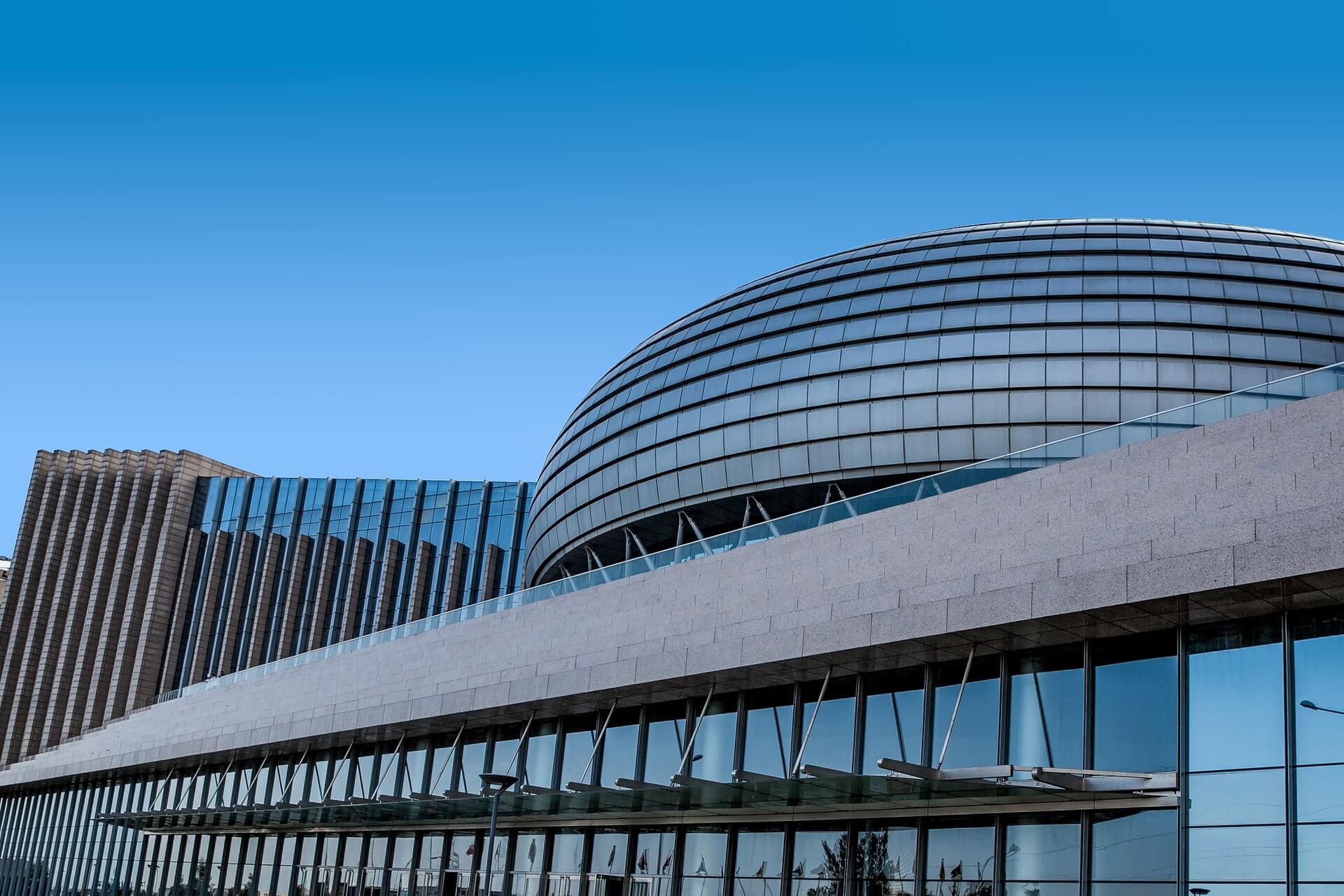
Editor’s Note: The opinions expressed here by Impakter.com columnists are their own, not those of Impakter.com. — In the Featured Photo: African Union Headquarters in Addis Ababa, Ethiopia, where the summit took place. Featured Photo Solen Feyissa.