
Impakter
  • Environment
    • Biodiversity
    • Climate Change
    • Circular Economy
    • Energy
  • FINANCE
    • ESG News
    • Sustainable Finance
    • Business
  • TECH
    • Start-up
    • AI & Machine Learning
    • Green Tech
  • Industry News
    • Entertainment
    • Food and Agriculture
    • Health
    • Politics & Foreign Affairs
    • Philanthropy
    • Science
    • Sport
  • Editorial Series
    • SDGs Series
    • Shape Your Future
    • Sustainable Cities
      • Copenhagen
      • San Francisco
      • Seattle
      • Sydney
  • About us
    • Company
    • Team
    • Partners
    • Write for Impakter
    • Contact Us
    • Privacy Policy
No Result
View All Result
Impakter logo
No Result
View All Result
Eunice Mantei and Team Lioness Protecting Kenya’s Wildlife

Eunice Mantei and Team Lioness Protecting Kenya’s Wildlife

International Fund for Animal Welfare (IFAW)byInternational Fund for Animal Welfare (IFAW)
August 2, 2021
in Environment, Philanthropy, SDG Series
0


Breaking all the norms expected of women by Kenya’s highly patriarchal Maasai community are
IFAW’s Team Lioness, eight young female rangers protecting wildlife in Kenya’s Amboseli UNESCO Biosphere Reserve.

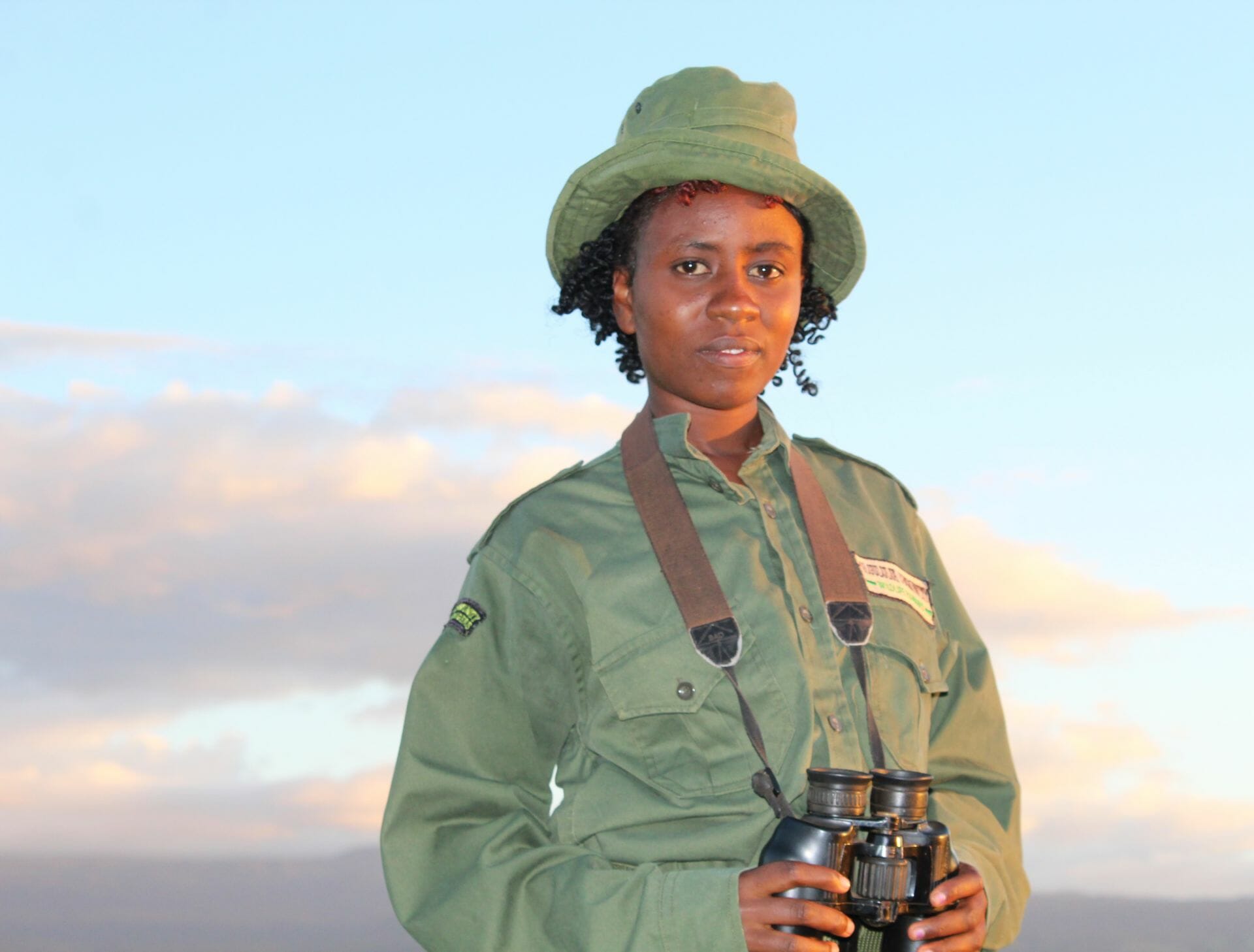
At just 21, Eunice Mantei is the youngest of the first ever all-female cadre of a total of 76 mostly male Community Wildlife Rangers (CWR) who patrol the increasingly populated community lands surrounding Amboseli National Park, just kilometres from the border with Tanzania.

It’s an idyllic setting on the lower slopes of Mount Kilimanjaro and one of the world’s top safari destinations, teeming with large herds of elephants as well as lions, buffalo and other iconic wildlife. But wildlife and humans compete for space and conflict between the two regularly occurs.

Born into a family of seven siblings and numerous half-siblings, Eunice says choosing the hard and occasionally dangerous career of a wildlife ranger ahead of the life of a Maasai woman – one typically filled with domestic chores – was not a hard one to make.  

“Women don’t get a lot of opportunities to have employment in the Maasai community, and most are entirely dependent on their families to survive. I want to be independent. The best way to get out of this stigmatization was to become self-sufficient. Becoming a community wildlife ranger was the easiest decision of my life,” she says.

IFAW’s Team Lioness were set up in February 2019 with the encouragement of one of the women elders, Kirayian Katamboi, fondly known as Mama Esther following her Christian given name after baptism (‘Mama’ is mother in Swahili and is used as a term of respect and endearment). She saw the need for younger women to establish their independence.

A dozen young women from villages in the Olgulului/Ololarashi Group Ranch (OOGR) applied to be part of the first cadre. Winning a place in the final eight was not easy. Applicants went through the same gruelling application process as their male counterparts including testing physical exercises, completion of high school education, ability to communicate well, OOGR clan membership and readiness to live the life of a ranger.

Having been born and raised around wildlife, Eunice is no stranger to the destruction caused to them and their habitat by humans. Equally she is very aware of the day-to-day conflict that can occur between humans and wildlife. It requires few elephants to wipe out a season’s backbreaking labour to grow a field of maize or destroy a granary or home. The cattle that are of key economic importance to the Maasai people need to be kept safe from predators like lions and hyenas.


Related Articles: Lei Zhou – Defending China’s Birds of Prey | Defending Wildlife: The Road to SDG 16 in Mali

Team Lioness patrol the community lands of the group ranch daily, ensuring that wildlife are safe from poaching, human wildlife conflict, snares and any other threats. Working in teams of on average 11, foot patrols cover about 20 kilometres a day no matter how severe the weather conditions – including blazing temperatures of 30° C and more in summer.

The arrival of the COVID-19 pandemic has had a devastating impact on tourism, making the work of Team Lioness more treacherous than ever. Due to the collapse of tourism, wildlife agencies around the region, Kenya included, have had to cut back on their operations due to loss of revenue. In the absence of regular patrols to act as a deterrent, the risk of losing wildlife to poaching is real.

The conservancies neighbouring the OOGR are dependent on tourism revenues and about 50 per cent of the workforce have lost their jobs. Eunice and her colleagues had to extend their patrols outside the usual area of operation to fill the missing gaps, translating to more hours in the field than normal.

“A lot of people have lost their jobs during the pandemic – including some of my own family,” she says sadly. “Being able to provide for my family during this time is very fulfilling, and it also makes me proud to see wildlife moving freely without risk of being poached and knowing that I contribute to their safety.

“I would like to see more women employed as community wildlife rangers and to continue to inform people about the ills of poaching – how it contributes to declining wildlife numbers and consequently affects employment of local communities. I was thinking of a career as a lawyer, but now my intention is to further my knowledge of wildlife conservation,” says Eunice.


Editor’s Note: The opinions expressed here by Impakter.com columnists or contributors are their own, not those of Impakter.com. — In the Featured Photo: A picture of Eunice Mantei. Featured Photo Credit: IFAW.
Tags: ConservationHabitat DestructionKenyawildlifewomen
Previous Post

Lethal Attacks From Chimpanzees on Gorillas Seen For The First Time

Next Post

Europe’s Disputes With Hungary and Poland: A Summer Pause?

Related Posts

ESG News regarding AI data center protests in the UK, Apple lawsuit, African soldiers for Russia, and Iran US war
Business

UK Activists Plan Nationwide Protests Over AI Data Centres

Today’s ESG Updates Local Communities Oppose Green Belt Developments: Environmental groups are launching two days of coordinated protests across the...

byPuja Doshi
February 27, 2026
German Rail Giant Targets Profitability with Mass Layoffs; New Database Maps 67,000 Magnetic Materials for Clean Energy Future; Rising Regional Tensions After Gaza “Board of Peace” Meeting; Kenya Parliament Hears Claims of Covert Recruitment Pipeline
Business

Deutsche Bahn to Slash 6,000 Jobs at Cargo Arm

Today’s ESG Updates Deutsche Bahn Moves to Cut Reliance on Government Support: Germany’s state-owned rail operator has unveiled plans to...

byPuja Doshi
February 20, 2026
Northern Kenya drought and hunger crisis affecting pastoral communities
Business

Northern Kenya Drought and Hunger Crisis Worsens Amid Aid Cuts

Today’s ESG Updates Northern Kenya Drought and Hunger Crisis Worsens Amid Aid Cuts: Recurrent droughts and international aid cuts have...

byJana Deghidy
February 19, 2026
The Imperative of a Nature-Positive Future
Biodiversity

The Imperative of a Nature-Positive Future

For most of human history, survival was a gamble. Half of all children never reached puberty. Life expectancy hovered around...

byMarco Lambertini
January 16, 2026
women and extreme heat
Climate Change

Women and Extreme Heat: Simple Adaptations Make a Big Difference

One of the more damaging impacts of climate change is extreme heat. From Spain to Bolivia to Burkina Faso, unusual...

byKate Schecter - CEO of World Neighbors
December 23, 2025
Blue Economy Yemen
Biodiversity

Can the Blue Economy Save Yemen?

Editor’s note: This article is the second in a two-part series exploring the profound potential of the Blue Economy as...

byTareq Hassan - Executive Director of the Sustainable Development Network Canada (SDNC)
November 6, 2025
education girls
Education

The World Is Failing Girls. We Must Change the Rules.

In 2025, the systems meant to protect girls are faltering. Global aid is in retreat. Gender rights are being rolled...

byLena Alfi - CEO of Malala Fund
June 30, 2025
Water women
Equal Rights

Turning Challenges Into Choices: How Access to Safe Water Empowers Women

Working alongside women across Latin America, I have seen how access to safe water reshapes daily life — reducing hours...

byRocio Cavazos - Regional Director, Latin America, Water.org
March 7, 2025
Next Post
Europe’s Disputes With Hungary and Poland: A Summer Pause?

Europe's Disputes With Hungary and Poland: A Summer Pause?

Recent News

3 Fraud Offences Lawyers in the office going through a case review.

Who Are Fraud Offences Lawyers and When Do You Need One?

February 27, 2026
Construction Sites and a cross road

7 Safety Strategies for Businesses Next to Active Construction Sites

February 27, 2026
  • ESG News
  • Sustainable Finance
  • Business

© 2025 Impakter.com owned by Klimado GmbH

No Result
View All Result
  • Environment
    • Biodiversity
    • Climate Change
    • Circular Economy
    • Energy
  • FINANCE
    • ESG News
    • Sustainable Finance
    • Business
  • TECH
    • Start-up
    • AI & Machine Learning
    • Green Tech
  • Industry News
    • Entertainment
    • Food and Agriculture
    • Health
    • Politics & Foreign Affairs
    • Philanthropy
    • Science
    • Sport
  • Editorial Series
    • SDGs Series
    • Shape Your Future
    • Sustainable Cities
      • Copenhagen
      • San Francisco
      • Seattle
      • Sydney
  • About us
    • Company
    • Team
    • Partners
    • Write for Impakter
    • Contact Us
    • Privacy Policy

© 2025 Impakter.com owned by Klimado GmbH