The European Commission has proposed new rules to reduce the use and risk of pesticides in the EU, delivering on the Farm to Fork Strategy that is part of the European Green Deal aiming to make food systems fair, healthy and environmentally-friendly.
The proposal for a Nature Restoration Law is a key step in avoiding ecosystem collapse and preventing the worst impacts of climate change and biodiversity loss.
The laws, unveiled on Wednesday, set clear – and legally binding – targets to improve biodiversity on farmland, increase the number of bees, restore drained peatlands and boost green areas in cities.
🆕 First-ever #NatureRestoration Law
Today, we presented pioneering proposals to restore damaged ecosystems and bring back nature to our lives
From land to sea, from rural to urban environments – all across 🇪🇺#ForNature and all of us 🌱https://t.co/FwrLHDFZEO#EUGreenDeal pic.twitter.com/h4WgiFsRi2
— EU Environment (@EU_ENV) June 22, 2022
European Union environment policy chief Virginijus Sinkevicius told Reuters the proposal on repairing habitats would require EU countries to take steps to restore nature to at least 20% of EU land by 2030 and all degraded ecosystems by mid-century.
Under the proposals, the use of chemical pesticides would be cut by 50% by the end of this decade. In sensitive places such as public parks and protected areas, pesticides would be banned altogether.
The proposed law defines binding goals to increase farmland bird populations, reverse the decline of pollinators, and restore 25,000 km (15,500 miles) of rivers to flow along their natural courses by 2030. Countries will have to produce national plans to contribute to the EU-wide aims and submit regular reports on their progress towards the targets set forth by the Farm to Fork Strategy.
Furthermore, as the Commission writes, a comprehensive new enforcement framework would “ensure that all farmers practice Integrated Pest Management ‘IPM’, in which all alternative methods of pest control are considered first, before chemical pesticides can be used as a last resort measure.”
Intensive farming, forestry and urbanisation are fuelling the degradation of natural habitats. Most of Europe’s protected habitats and species have a negative conservation status: 10% of bee and butterfly species in Europe are on the verge of extinction, and 33% of them are in decline, while 75% of global food crop types rely on animal pollination.
“We are in the midst of a sixth mass extinction, with one million species on the verge of collapse,” Sinkevicius told Politico.
Because chemical pesticides contribute to the decline of pollinators in agricultural areas, “[r]educing our dependence on chemical pesticides is therefore a key part of the process of building more resilient, sustainable food systems for 2030 and beyond,” explains the EU Commission on its website, adding that:
“Scientists and citizens are increasingly concerned about the use of pesticides and the build-up of their residues and metabolites in the environment. In the final report of the Conference on the Future of Europe citizens specifically requested to address the use and risk of pesticides.”
According to the Commission, the existing rules on the Sustainable Use of Pesticides Directive (SUD) have proven to be too weak and have been unevenly implemented by the Member States, with the recent SUD evaluation showing that there was “insufficient progress in reducing the risks and impacts of pesticide use on human health and the environment.”
The biodiversity drive comes as Russia escalates fears of a global food crisis by preventing the export of grains from Ukraine. Farmers argue that they will not be able to provide stable supplies if they are forced to use less intensive farming methods.
But if nature continues to degrade at the same rate, EU environmental commissioner Virginijus Sinkevičius says that “we are going to have even bigger issues with food security.”
“Soil erosion costs €1.2 billion a year to our farmers, purely as a loss of productivity,” Sinkevičius elaborated, adding that “three billion tons of wheat are lost per year in the EU because of erosion.”
To put things into perspective, the war in Ukraine has so far resulted in the blockade of around 20 million tons of grain (wheat and corn).
The Farm to Fork Strategy marks the first time the European Commission has attempted to put in place compulsory targets to improve the bloc’s biodiversity. If Member States do not meet their obligations, the Commission could take legal action under the new law.
The proposal will now be discussed by the European Parliament and the Council. Following adoption, the impact will be gradual: nature restoration measures are to be in place by 2030, while the pesticide targets should be reached by 2030.
Overall, one can only wish for the proposal to be approved as there won’t be any easy alternatives and as the cost of inaction, in the words of Health Commissioner Kyriakides, “is much higher as it will have important consequences on biodiversity and pollinators.”
Some of the alternatives available today, like the armies of human helpers armed with little brushes that have replaced bees to pollinate flowers one by one in some parts of China, are not an affordable option in the EU.
Besides, “Nothing can replace ecosystem services that the oceans provide, our soils or our forests,” as EU environment policy chief Virginijus Sinkevicius put it.
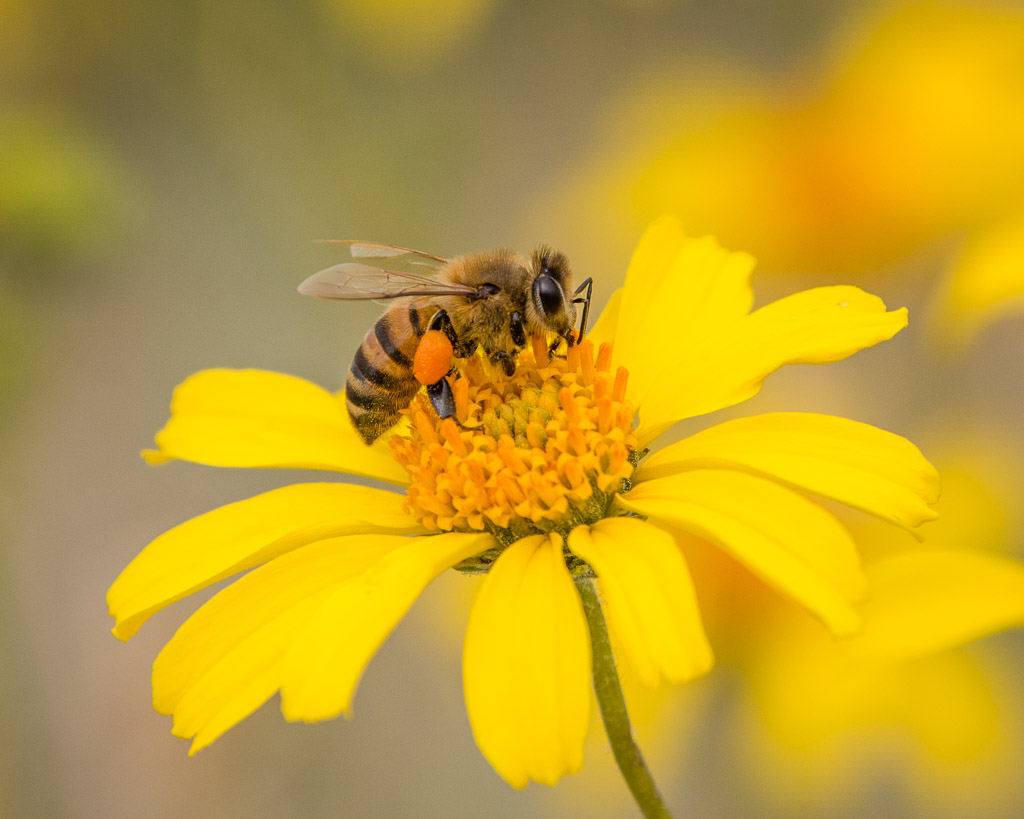
Editor’s Note: The opinions expressed here by Impakter.com columnists are their own, not those of Impakter.com — In the Featured Photo: Populations of bees, butterflies and other pollinating species could face extinction due to habitat loss, pollution, pesticides and climate change. Featured Photo Credit: Andrew McKinlay, via Flickr.com