Impakter
  • Environment
    • Biodiversity
    • Climate Change
    • Circular Economy
    • Energy
  • FINANCE
    • ESG News
    • Sustainable Finance
    • Business
  • TECH
    • Start-up
    • AI & Machine Learning
    • Green Tech
  • Industry News
    • Entertainment
    • Food and Agriculture
    • Health
    • Politics & Foreign Affairs
    • Philanthropy
    • Science
    • Sport
  • Editorial Series
    • SDGs Series
    • Shape Your Future
    • Sustainable Cities
      • Copenhagen
      • San Francisco
      • Seattle
      • Sydney
  • About us
    • Company
    • Team
    • Partners
    • Write for Impakter
    • Contact Us
    • Privacy Policy
No Result
View All Result
  • Environment
    • Biodiversity
    • Climate Change
    • Circular Economy
    • Energy
  • FINANCE
    • ESG News
    • Sustainable Finance
    • Business
  • TECH
    • Start-up
    • AI & Machine Learning
    • Green Tech
  • Industry News
    • Entertainment
    • Food and Agriculture
    • Health
    • Politics & Foreign Affairs
    • Philanthropy
    • Science
    • Sport
  • Editorial Series
    • SDGs Series
    • Shape Your Future
    • Sustainable Cities
      • Copenhagen
      • San Francisco
      • Seattle
      • Sydney
  • About us
    • Company
    • Team
    • Partners
    • Write for Impakter
    • Contact Us
    • Privacy Policy
No Result
View All Result
Impakter
No Result
View All Result

EU Carbon Prices Fall as Bloc Weighs Market Changes to Ease Energy Costs

Carbon prices fell after the European Commission signalled potential changes to the EU carbon market, though member states remain divided.

byAnanya Sengupta
March 18, 2026
in ESG News, Uncategorized
ESG news regarding EU carbon prices falling as the bloc considers intervening in its emissions trading system to ease energy costs, Asian utilities increasing coal use as LNG supply disruptions from the Iran conflict drive prices higher, Canada projecting sharp growth in electricity demand and natural gas production by 2050, and pollution from a Russian strike on a Ukrainian hydro plant cutting water supplies in Moldova.

The EU’s emissions trading system, launched in 2005, currently accounts for about 11% of energy bills across Europe, rising to over 20% in countries with more carbon-intensive energy mixes.

Today’s ESG Updates

  • EU weighs carbon market changes: European carbon prices fell after the European Commission signalled potential adjustments to the bloc’s emissions trading system to help ease rising energy costs, though member states remain divided over intervening in the market.
  • Asia turns back to coal: Asian utilities are increasing coal-fired power generation as the U.S.–Israeli war on Iran disrupts LNG shipments and drives prices higher, raising concerns about setbacks to regional energy transition efforts.
  • Canada sees rising energy demand: Canada’s energy regulator expects electricity demand to rise sharply by 2050 due to electric vehicles and AI data centres, while natural gas production is also projected to grow, largely driven by LNG exports.
  • Russian strike pollutes Moldova water supply: An attack on a hydroelectric plant in Ukraine caused an oil spill that contaminated the Dniestr River, forcing water cuts in Moldova’s third-largest city and triggering an environmental alert.

EU carbon market slides on intervention talks

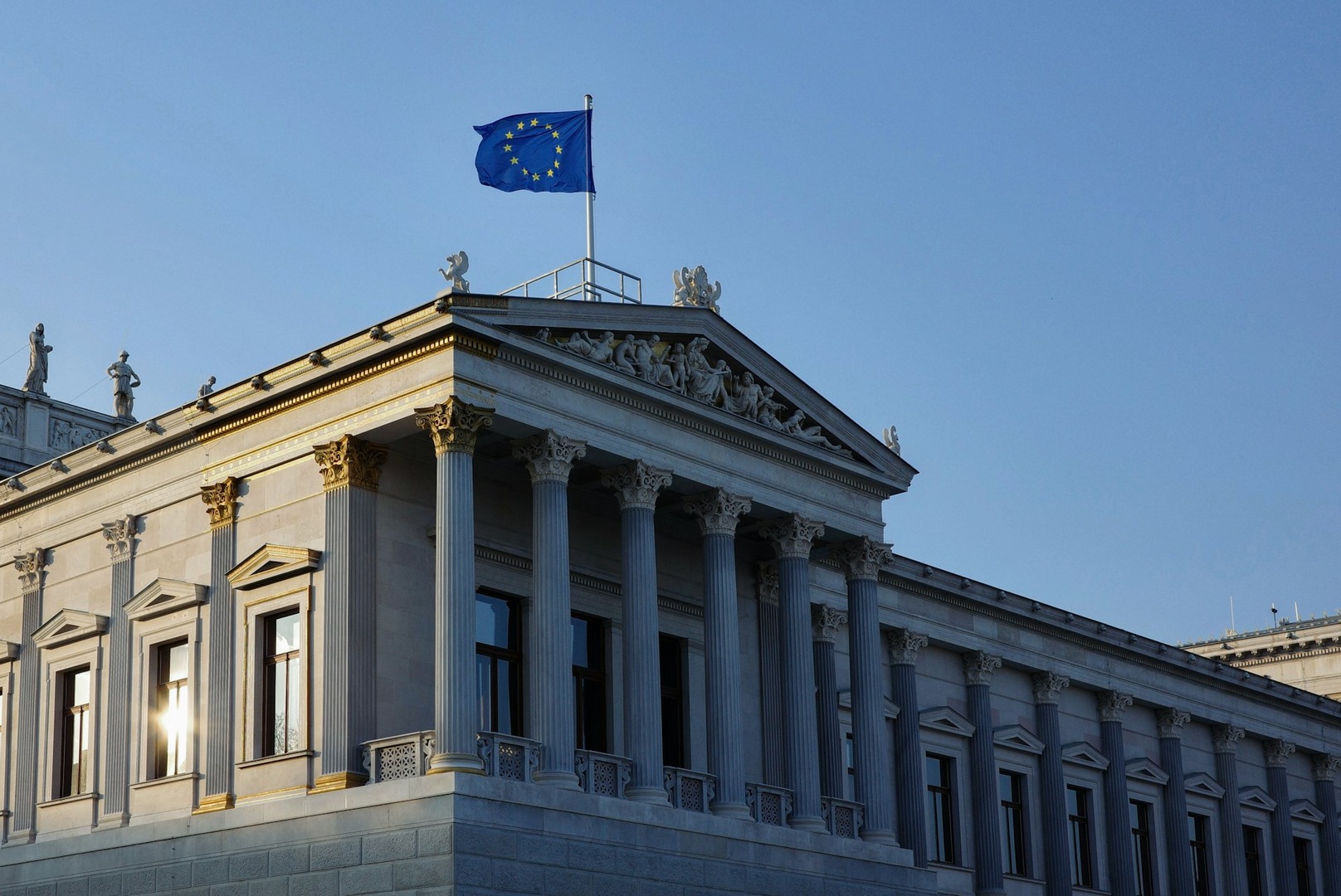
European carbon prices fell more than 5% on Tuesday after European Commission President Ursula von der Leyen said the EU may release additional emissions permits to help ease rising energy costs. In a letter to EU leaders ahead of a Brussels summit, she outlined possible adjustments to the EU’s Emissions Trading System (ETS), including changes to a reserve that regulates permit supply and moderating plans to reduce free CO2 allowances for industry. The benchmark EU carbon contract fell to around €66 per tonne, its lowest level since April 2025. 

The proposals are intended to ease high energy costs linked to geopolitical tensions and the U.S.-Israeli conflict with Iran. However, EU member states remain divided, with some favouring limited adjustments while others are calling for stronger intervention in the carbon market. 

***

Further reading: European carbon prices slide as EU considers intervening in market


Featured ESG Tool of the Week:
Klimado – Navigating climate complexity just got easier. Klimado offers a user-friendly platform for tracking local and global environmental shifts, making it an essential tool for climate-aware individuals and organizations.

Asia turns to coal as LNG supply shock drives energy costs higher
ESG news regarding EU carbon prices falling as the bloc considers intervening in its emissions trading system to ease energy costs, Asian utilities increasing coal use as LNG supply disruptions from the Iran conflict drive prices higher, Canada projecting sharp growth in electricity demand and natural gas production by 2050, and pollution from a Russian strike on a Ukrainian hydro plant cutting water supplies in Moldova.
Analysts warn that the latest LNG supply shock could put up to $107 billion in planned LNG infrastructure investments in South Asia at risk as volatile gas prices weaken demand. Photo Credit: Team Kiesel

Asian utilities are ramping up coal-fired power generation as the U.S.-Israeli war on Iran disrupts liquified natural gas (LNG) shipments and drives prices to three-year highs. Shipping through the Strait of Hormuz has largely halted, and Qatar has paused exports, creating the second major LNG supply shock in four years. Countries including Bangladesh, the Philippines, and Thailand are boosting coal power output, while Pakistan is increasing domestic generation to reduce reliance on volatile gas imports. 

Analysts warn the disruption could curb LNG demand growth across Asia and put up to $107 billion in planned LNG infrastructure investments in South Asia at risk. While coal prices have also risen, the increase remains far smaller than LNG’s surge. The volatility is reinforcing calls for greater investment in renewable energy to reduce reliance on imported fossil fuels. 

***
Further reading: Asia pivots to coal as Middle East conflict chokes LNG supply


Related Articles

Here is a list of articles selected by our Editorial Board that have gained significant interest from the public:

  • AI’s Carbon Footprint Is Also a Geography Problem
  • Fossil Fuel Pollution’s Effect on Oceans Comes With Huge Costs
  • India’s Contradictions in a Fractured World: Democracy, Identity, Power, and Silence

Canada sees rising electricity demand and natural gas production by 2050
ESG news regarding EU carbon prices falling as the bloc considers intervening in its emissions trading system to ease energy costs, Asian utilities increasing coal use as LNG supply disruptions from the Iran conflict drive prices higher, Canada projecting sharp growth in electricity demand and natural gas production by 2050, and pollution from a Russian strike on a Ukrainian hydro plant cutting water supplies in Moldova.
Canada’s energy regulator expects electricity demand to rise partly due to growing AI data centres, a rapidly emerging driver of power consumption. Photo Credit: Kiya Golara

Canada’s electricity demand and natural gas production are expected to grow significantly by 2050, according to a new long-term outlook from the Canada Energy Regulator. The report projects that electricity demand could rise by 26% to 85% from 2023 levels, driven largely by increased adoption of electric vehicles and the expanding energy needs of AI data centres. The regulator assessed multiple scenarios, including varying energy prices and stronger climate policies. 

Natural gas production is projected to increase from 18.3 billion cubic feet per day in 2024 to 21 and 32 bcf/d by 2050, with much of the growth linked to LNG exports. Canadian crude oil output could range from 4.8 million to 6.5 million barrels per day by 2050, depending on prices and developments in climate policy.

***

Further reading: Canada electricity demand, natural gas production to accelerate by 2050, regulator says


LinkedIn
For the latest updates, visit our LinkedIn page

Russian strike on Ukrainian hydro plant pollutes river, cuts water supply in Moldova

ESG news regarding EU carbon prices falling as the bloc considers intervening in its emissions trading system to ease energy costs, Asian utilities increasing coal use as LNG supply disruptions from the Iran conflict drive prices higher, Canada projecting sharp growth in electricity demand and natural gas production by 2050, and pollution from a Russian strike on a Ukrainian hydro plant cutting water supplies in Moldova.
Authorities in Moldova declared a 15-day environmental alert, while schools in the affected city of Balti were closed after the oil spill contaminated the Dniestr River. Photo Credit: Oksana Simanovscaia

A Russian strike on the Novodnistrovsk hydroelectric plant in southern Ukraine caused an oil spill that polluted the Dniestr River and disrupted water supplies in neighbouring Moldova, officials said. Authorities cut water access in the city of Balti, home to around 90,000 people, and three nearby towns. At the same time, schools were closed, and a 15-day environmental alert was declared as officials assessed the damage. Moldovan President Maia Sandu blames Russia for the incident, warning it posed serious risks to the country’s environment and water security. 

Moldova’s foreign ministry summoned Russia’s ambassador over the attack, while the European Union pledged support to address the pollution. The incident highlights how Russia’s war in Ukraine is creating environmental and infrastructure impacts beyond the conflict zone.

***

Further reading: Pollution from Russian strike on Ukraine hydro plant cuts water to Moldovan city


Editor’s Note: The opinions expressed here by the authors are their own, not those of impakter.com —  Cover Photo Credit: Frederic Köberl

Tags: Asiacarbon pricingCoalelectricityEnergy DemandEUPollutionWater supply
Previous Post

FedEx Launches Reusable Packaging for B2B Shipping

Related Posts

ESG news regarding FedEx launching reusable packaging for sustainable B2B logistics, EV adoption in Australia reducing reliance on foreign fuel, Trafigura and Venezuela’s Minerven launching responsible gold‑sourcing programme, and Tesla and LG Energy Solution signing a $4.3 billion U.S. battery deal.
ESG News

FedEx Launches Reusable Packaging for B2B Shipping

March 17, 2026
ESG news regarding the EU CSRD changing sustainability reporting, big court win for BHP on Brazil dam collapse, Trump administration suing California over sustainability regulations, and new clean heat program by AstraZeneca.
ESG News

CSRD is Reshaping Corporate Sustainability Reporting

March 17, 2026
ESG news regarding the Iran conflict highlighting risks of fossil fuel dependence and rising European gas prices, Vietnam seeking support from Japan and South Korea to secure crude oil supplies, India considering easing penalties on renewable power producers over grid-supply rules, and Germany missing climate targets as emissions reductions stall in 2025.
ESG News

Iran Conflict an “Abject Lesson” in Fossil Fuel Dependence

March 16, 2026

Related News

ESG news regarding EU carbon prices falling as the bloc considers intervening in its emissions trading system to ease energy costs, Asian utilities increasing coal use as LNG supply disruptions from the Iran conflict drive prices higher, Canada projecting sharp growth in electricity demand and natural gas production by 2050, and pollution from a Russian strike on a Ukrainian hydro plant cutting water supplies in Moldova.

EU Carbon Prices Fall as Bloc Weighs Market Changes to Ease Energy Costs

March 18, 2026
ESG news regarding FedEx launching reusable packaging for sustainable B2B logistics, EV adoption in Australia reducing reliance on foreign fuel, Trafigura and Venezuela’s Minerven launching responsible gold‑sourcing programme, and Tesla and LG Energy Solution signing a $4.3 billion U.S. battery deal.

FedEx Launches Reusable Packaging for B2B Shipping

March 17, 2026

Impakter informs you through the ESG news site and empowers your business CSRD compliance and ESG compliance with its Klimado SaaS ESG assessment tool marketplace that can be found on: www.klimado.com

Registered Office Address

Klimado GmbH
Niddastrasse 63,

60329, Frankfurt am Main, Germany


IMPAKTER is a Klimado GmbH website

Impakter is a publication that is identified by the following International Standard Serial Number (ISSN) is the following 2515-9569 (Printed) and 2515-9577 (online – Website).


Office Hours - Monday to Friday

9.30am - 5.00pm CEST


Email

stories [at] impakter.com

By Audience

  • TECH
    • Start-up
    • AI & MACHINE LEARNING
    • Green Tech
  • ENVIRONMENT
    • Biodiversity
    • Energy
    • Circular Economy
    • Climate Change
  • INDUSTRY NEWS
    • Entertainment
    • Food and Agriculture
    • Health
    • Politics & Foreign Affairs
    • Philanthropy
    • Science
    • Sport
    • Editorial Series

ESG/Finance Daily

  • ESG News
  • Sustainable Finance
  • Business

About Us

  • Team
  • Partners
  • Write for Impakter
  • Contact Us
  • Privacy Policy

© 2026 IMPAKTER. All rights reserved.

No Result
View All Result
  • Environment
    • Biodiversity
    • Climate Change
    • Circular Economy
    • Energy
  • FINANCE
    • ESG News
    • Sustainable Finance
    • Business
  • TECH
    • Start-up
    • AI & Machine Learning
    • Green Tech
  • Industry News
    • Entertainment
    • Food and Agriculture
    • Health
    • Politics & Foreign Affairs
    • Philanthropy
    • Science
    • Sport
  • Editorial Series
    • SDGs Series
    • Shape Your Future
    • Sustainable Cities
      • Copenhagen
      • San Francisco
      • Seattle
      • Sydney
  • About us
    • Company
    • Team
    • Partners
    • Write for Impakter
    • Contact Us
    • Privacy Policy

© 2026 IMPAKTER. All rights reserved.