Today’s ESG Updates
- U.S. Banks Quietly Cut Oil Financing Despite Pro-Fossil Rhetoric: Wall Street trims fossil fuel exposure even as political climate turns hostile.
- Trump Floats 100% Chip Tariff to Pressure Foreign Producers: Tariff threat spares companies investing in U.S., and rapidly reshapes tech trade outlook.
- Germany Prioritizes Geothermal to Cut Building Emissions: New law accelerates clean heating rollout by easing project approvals.
- U.S. Opposes Plastic Production Caps in Global Treaty Talks: Trump’s memo urges nations to block plastic production limits, potentially derailing the landmark treaty.
Klimado – Navigating climate complexity just got easier. Klimado offers a user-friendly platform for tracking local and global environmental shifts, making it an essential tool for climate-aware individuals and organizations.
Wall Street cuts fossil fuel lending despite political pressure
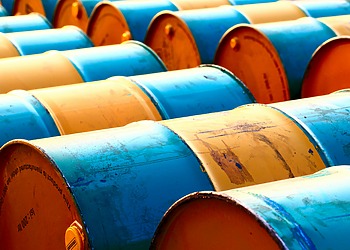
America’s top six banks slashed fossil fuel financing by 25% through August 1 compared to the same period in 2024, with Morgan Stanley making the largest cut at 54%. The decline comes as banks walk away from the Net-Zero Banking Alliance under political pressure from the Trump administration. Still, market forces appear to be driving a retreat from oil and gas regardless of policy rhetoric. JPMorgan and Wells Fargo, two of the largest fossil fuel lenders, also trimmed their portfolios, despite pulling back on climate pledges. Analysts say this signals a pivot toward risk-adjusted returns in energy markets, where clean technologies are increasingly attractive. BloombergNEF’s latest guidance suggests banks must invest $4 in green projects for every $1 in fossil fuels to stay on a 1.5°C-aligned path, a target few U.S. lenders currently meet. Many banks are currently facing heat for backing out of climate alliances, but current lending patterns suggest investor demand, not regulation, is reshaping capital flows. Investors can use ESG tools to track financial institutions’ climate alignment and measure transition risk.
***
Further reading: Wall Street Sees Decline in Dealmaking for Oil and Gas Clients
Trump pushes 100% chip tariff to reshore tech industry
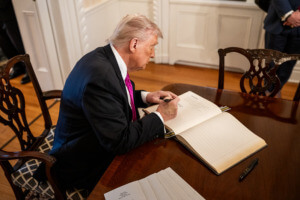
President Trump has threatened a 100% tariff on foreign semiconductors, targeting global supply chains in a bid to force tech production back to the U.S. Apple, Nvidia, TSMC, and more companies that have recently pledged investments in U.S. manufacturing are exempt from the tariff. The tariff would mark a sharp policy shift, which Trump claims is necessary for national security and economic independence. The tariffs would pose significant risks to companies that delay domestic expansion. With tech deeply tied to energy use and clean supply chain commitments, ESG-minded investors must closely watch these industrial shifts.
***
Further reading: Trump Threatens 100% Tariff on Chips, With a Big Caveat
Germany fast-tracks geothermal projects to cut heating emissions
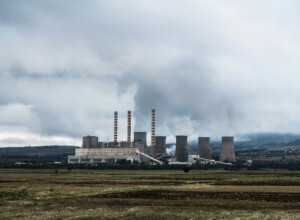
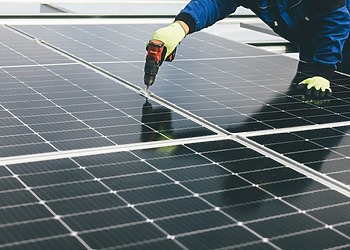
Germany has approved draft legislation to fast-track geothermal energy, aiming to decarbonize heating systems by 2045 as part of its broader climate goals. The law simplifies permitting for underground heat sources, classifies geothermal infrastructure as being of overriding public interest, and introduces firm timelines for local authorities to approve projects. With large reserves and rising investor interest, geothermal is seen as key to replacing fossil-based heating, particularly in cities and industrial hubs. Until now, progress has been stalled in Germany by regulatory bottlenecks, water rights issues, and local opposition. The bill’s approval could accelerate district heating networks and heat pump deployment, helping Germany meet building-sector emissions targets.
***
Further reading: Germany moves to fast-track geothermal energy projects
U.S. undermines plastics treaty with memo opposing production caps

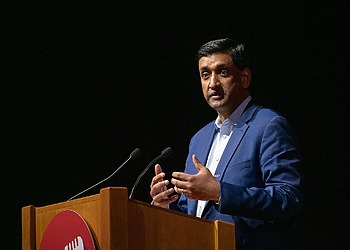
At U.N. treaty negotiations in Geneva, the U.S. is urging other nations to reject proposals that would cap plastic production or ban harmful additives, diverging sharply from over 100 countries pushing for stricter global rules. A leaked Trump administration memo lays out red lines that prioritize economic flexibility over environmental responsibility, aligning the U.S. with oil-producing states and petrochemical industry interests. The move threatens to derail what many had hoped would be a landmark treaty addressing the full life cycle of plastic pollution—from petroleum-based polymer production to waste management. If successful, the U.S. stance could weaken international cooperation on plastic pollution, one of the fastest-growing environmental threats to oceans, human health, and climate systems.
***
Further reading: Exclusive: Trump administration memo urges countries to reject plastic production caps in UN Treaty
Editor’s Note: The opinions expressed here by the authors are their own, not those of impakter.com — Cover Photo Credit: Chris Li