Today’s ESG Updates:
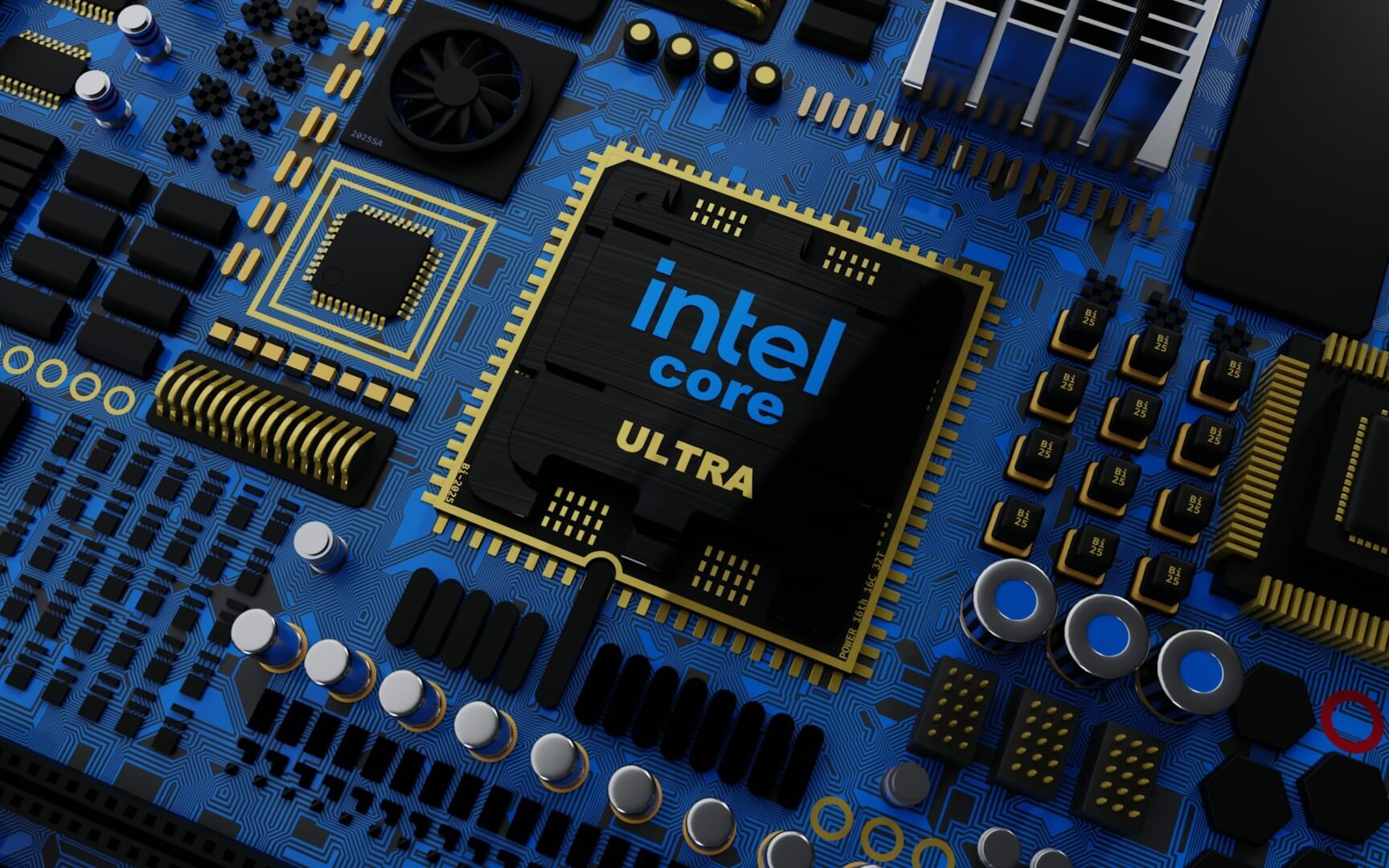
- Trump’s 9.9% Stake in Intel Raises Investor Concerns: The Trump administration’s $11.1B deal with Intel is stirring fears of political overreach in the private sector.
- India’s EV Industry Slows Amid Rare Earth Shortages: Production of electric vehicles in India has stalled due to China’s export restrictions on rare earths.
- Germany Expands LNG Infrastructure to Cut Russian Gas Dependence: A second LNG terminal will open on August 29 in Wilhelmshaven to strengthen Europe’s energy resilience.
- Macron Urges EU Retaliation Over U.S. Digital Tariff Threats: France’s president calls for a stricter stance on Trump after threatened tariffs and criticism of European digital rules.
Klimado – Navigating climate complexity just got easier. Klimado offers a user-friendly platform for tracking local and global environmental shifts, making it an essential tool for climate-aware individuals and organizations.
Trump’s $11.1 billion Intel deal alarms private investors
Investors are raising concerns over Trump’s Intel deal, claiming that it is unprecedented political interference in private industry. The U.S. government recently invested $11.1 billion in Chips Act grants, converting that investment into a 9.9% equity stake in Intel. The deal followed President Trump’s call for Intel CEO Lip-Bu Tan’s resignation. The deal raises questions about the blurred lines between private industry and the federal government. Experts warn that the Intel deal could lead to additional regulations in other countries and diluted shareholder voting rights. Although governments in Europe and Asia often hold stakes in the private sector, this move is unusual for the United States. An anonymous investor claimed that the U.S. could be taking steps toward state capitalism if the government makes similar investments in the future.
***
Further reading: Investors worry Trump’s Intel deal kicks off era of US industrial policy
Rare earth shortages threaten India’s EV market

Electric vehicle (EV) production has slowed in India as a result of rare earth shortages. In July, Bajaj Auto reduced production of its best-selling scooter, the Chetak, by half, manufacturing 10,824 scooters compared to 20,384 in the previous July. Bajaj Auto is attempting to redesign its supply chain and focus on using light rare-earth magnets in its production process. These shortages are a result of China’s rare earth export restrictions, which took effect on April 4. China currently controls approximately 90% of the global rare earth processing market. On August 19, China announced that it would ease export restrictions to India in what experts are calling a “tactical gesture”. In a world of continuously shifting geopolitical landscapes, corporations can utilize ESG tools to achieve their environmental goals.
***
Further reading: How rare earth shortages are stalling India’s burgeoning EV sector
Second LNG terminal to begin operations in Germany
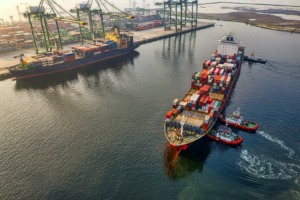
Germany will commence operations on its second liquefied natural gas (LNG) terminal tomorrow. The new import terminal at Wilhelmshaven port is a result of Europe’s move toward diversification. In an effort to reduce its reliance on Russian gas imports, Germany has increased its imports of pipeline gas from Norway and global LNG. The liquefied natural gas will be converted back into gas and funneled into the country’s gas system by the state operator Deutsche Energy Terminal (DET). The U.S.-owned ship “Excelsior” is vital to operations, storing and channeling 1.9 billion cubic metres (bcm) of natural gas into Germany’s gas network, enough to heat 1.5 million households. This is expected to increase to 4.6 bcm by 2026.
***
Further reading: Second German LNG terminal starts commercial operations at Wilhelmshaven
French President asks EU to fight back amid Trump tariff threats
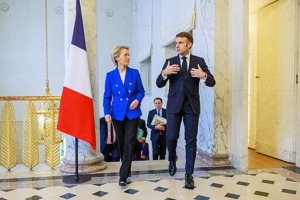
French President Emmanuel Macron wants the European Union to consider retaliatory measures after U.S. President Trump’s tariff threats Monday. Macron emphasized the EU’s trade deficit in services with the U.S. and suggested Europe should be more assertive. Trump’s remarks came just after a fragile U.S.-EU trade deal was finalized. Trump claims the EU’s digital laws unfairly discriminate against American tech companies. While Macron pushes for a tougher stance, most EU countries are hesitant to escalate tensions. The issue may be raised with German Chancellor Friedrich Merz during upcoming meetings at Macron’s residence in southern France.
***
Further reading: Macron wants EU to target US Big Tech after new Trump tariff threat
Editor’s Note: The opinions expressed here by the authors are their own, not those of impakter.com — In the Cover Photo: Intel chip in computer motherboard Cover Photo Credit: BoliviaInteligente