
Today’s ESG Updates
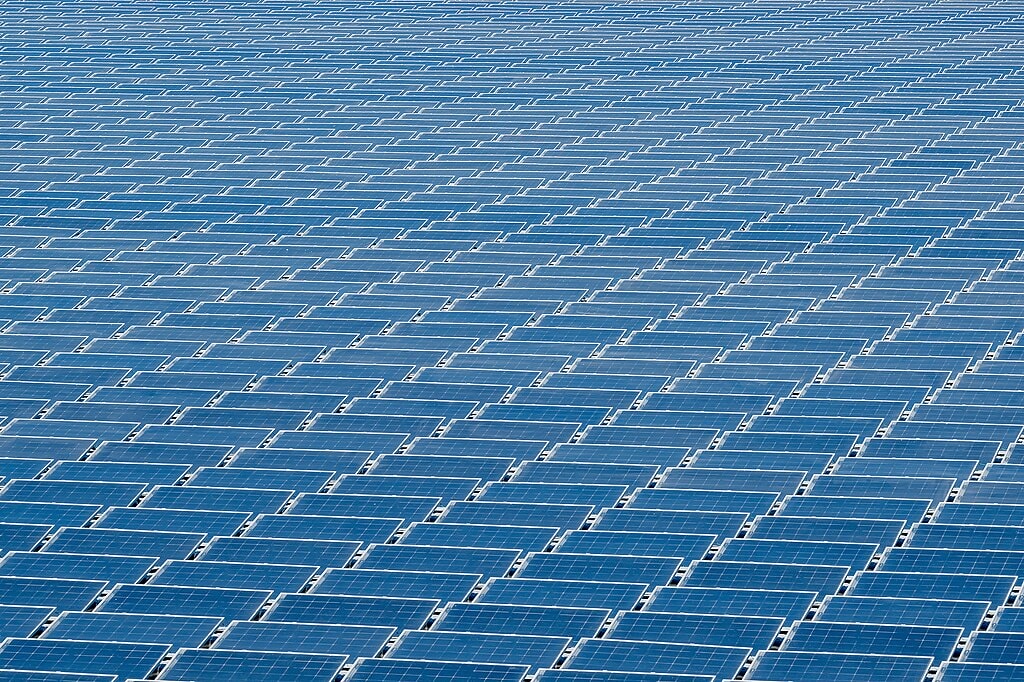
- Serentica Plans $8B Clean Energy Expansion in India: KKR-backed Serentica aims to more than double its renewable energy capacity to 17 GW by 2030 through acquisitions and new projects.
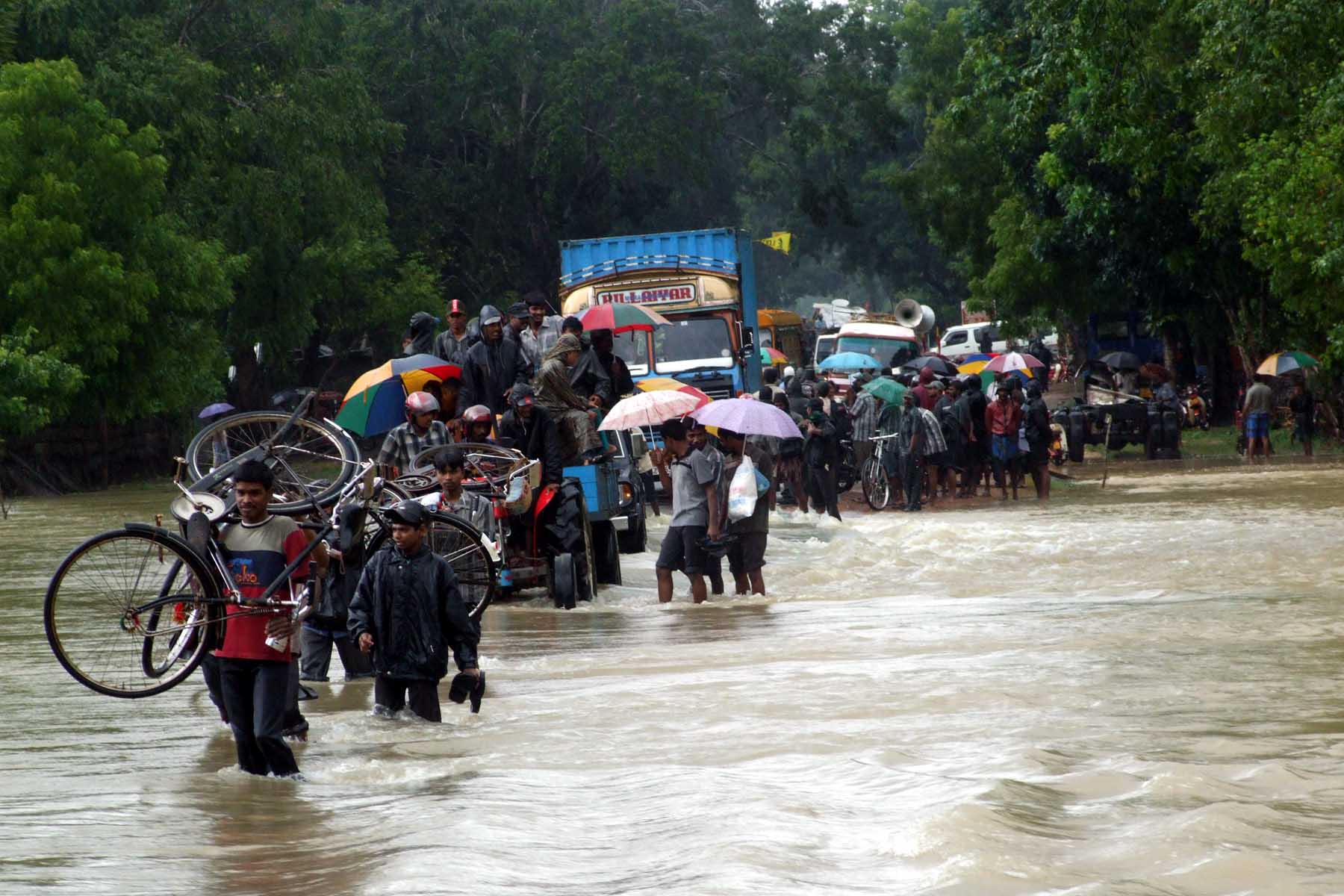
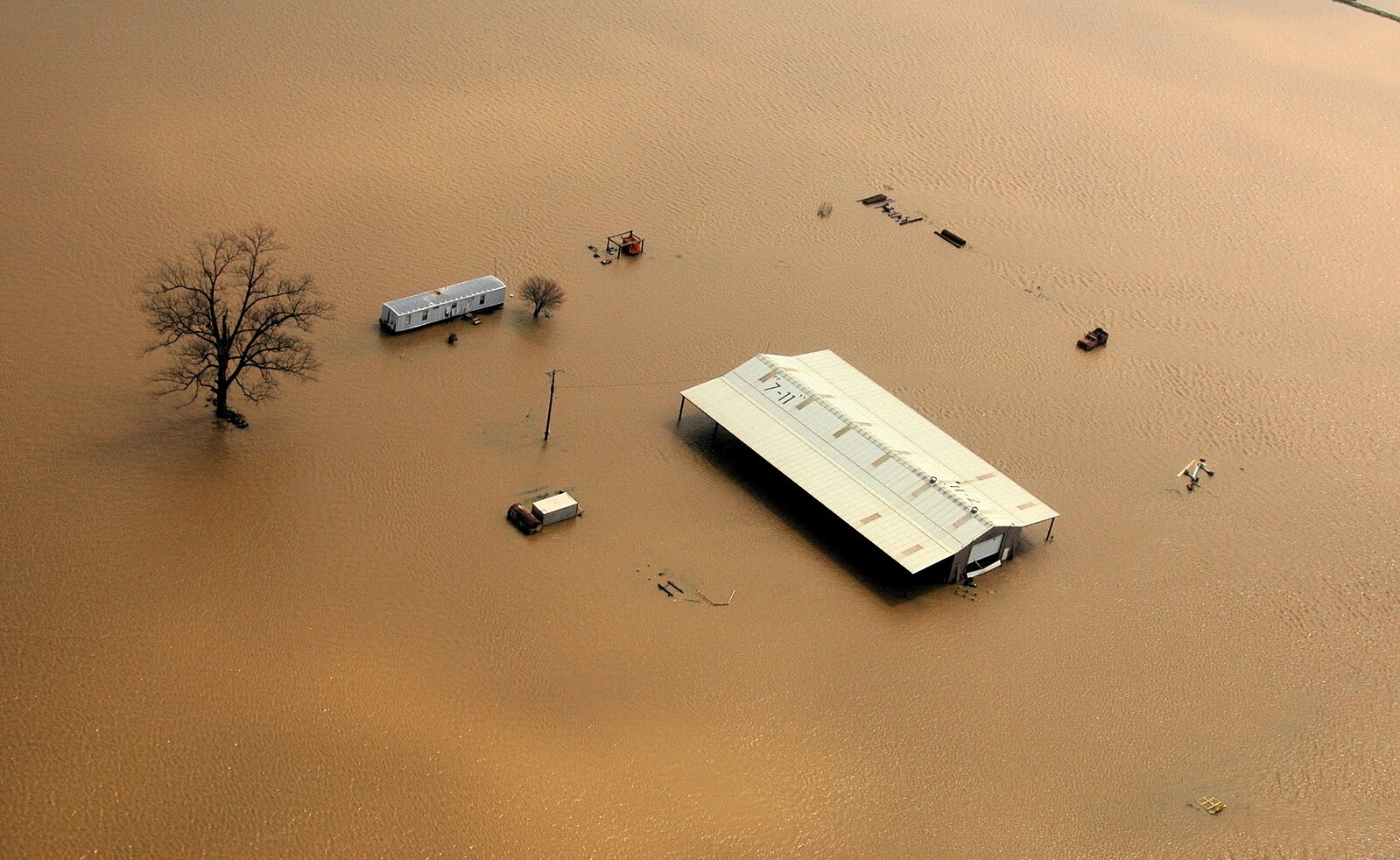
- Thailand Floods Threaten $140M in Rubber Production: Severe flooding in southern Thailand may cut rubber output by 90,000 metric tons, affecting over 160,000 farmers and factories.
- Australia Urged to Accelerate Emissions Cuts: Climate Change Authority warns current pace leaves 2035 targets of 62–70% reduction far off track; recommends tripling emissions cuts and fast-tracking renewables.
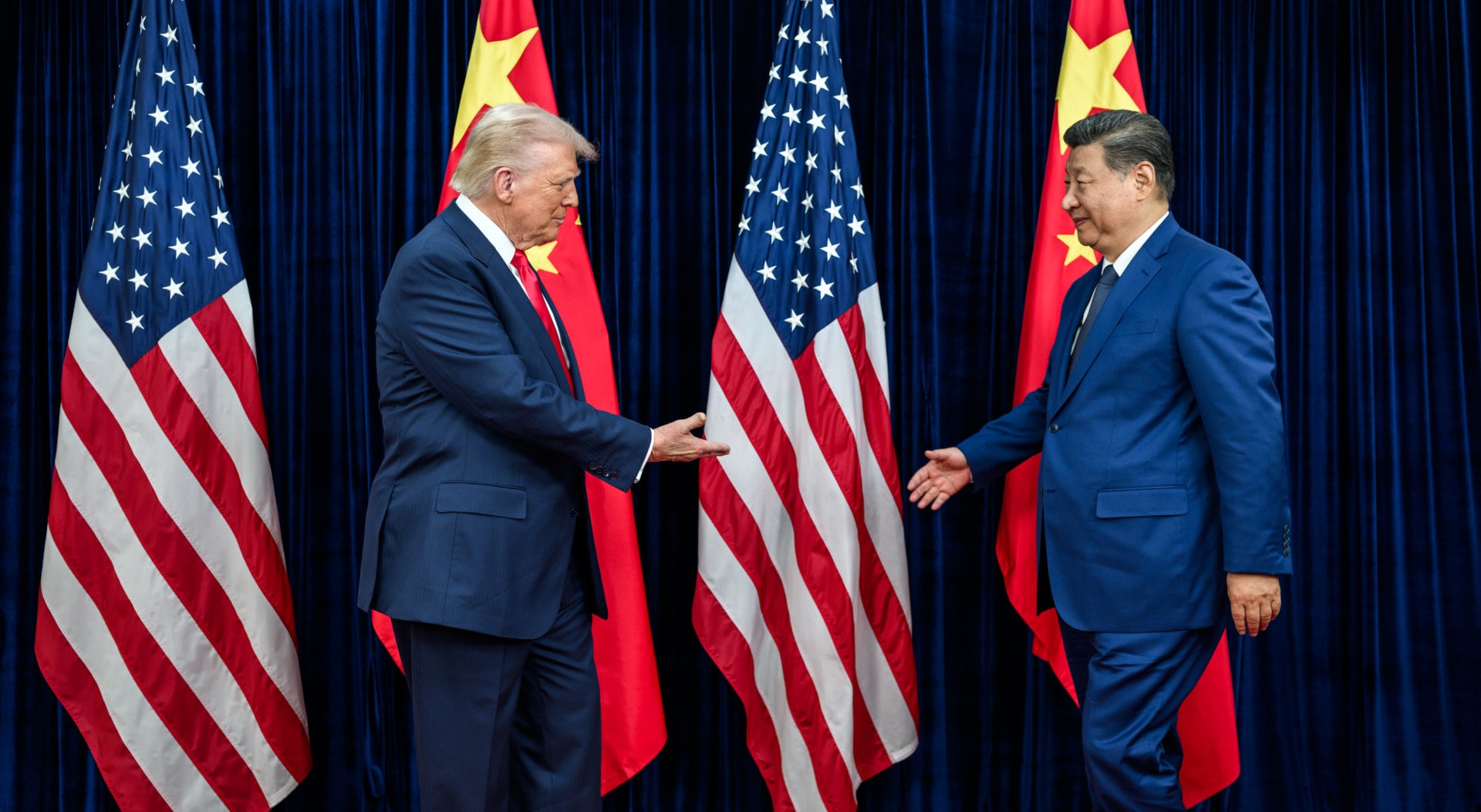
- China Prepares for Record Winter Energy Demand: Extended heating season could push coal consumption higher; power plants stocked with 230M tons of coal and grid transmission enhanced for peak loads.
Severe Floods in Southern Thailand Threaten $140 Million in Rubber Production
Severe floods in southern Thailand could cut rubber production by up to 90,000 metric tons, worth $140 million, the Rubber Authority of Thailand reported. Floodwaters have inundated 656,000 hectares, affecting over 160,000 farmers, with 40,000 tons already lost. The deluge, including 630 mm of rainfall in Hat Yai, has disrupted production in factories such as Sri Trang Agro-Industry, halting operations and preventing staff from reaching work. The economic impact may reach $776 million, while supply concerns have pushed Japanese rubber futures higher. Previous floods in 2024 already caused a 3% drop in Thailand’s rubber output, the world’s largest producer.
***
Further reading: Thailand floods could cut rubber output by $140 million, authority says
Australia Must Accelerate Emissions Cuts to Hit 2035 Climate Goals

Australia must dramatically speed up emissions reductions to meet its 2035 climate targets, according to the Climate Change Authority (CCA). While emissions fell 10 million metric tons of CO2e in the past year, totaling 437.5 million tons, and are 28.5% below 2005 levels, the projected 48% reduction by 2035 falls far short of the 62–70% government target. The CCA recommends tripling the pace of cuts, fast-tracking renewable energy approvals, addressing methane leaks, and boosting clean energy funding. Recent legislative measures aim to accelerate clean energy development, signaling potential for tougher emissions policies under the Labor government.
***
Further reading: Australia needs to speed up emissions cuts to meet 2035 target
Klimado – Navigating climate complexity just got easier. Klimado offers a user-friendly platform for tracking local and global environmental shifts, making it an essential tool for climate-aware individuals and organizations.
KKR-Backed Serentica Accelerates India’s Clean Energy Growth with $8B Funding Plan

The Indian clean energy company Serentica Renewables, backed by private equity firm KKR, plans to raise $6–8 billion over the next five years to expand its renewable energy capacity in India. The company aims to more than double its portfolio to 17 gigawatts by 2029/30 through acquisitions and new projects, with an initial $3 billion already fully funded. Serentica is targeting operational and under-construction projects, focusing on opportunistic, value-driven investments. Meanwhile, Resonia, supported by Singapore’s GIC, plans $1.5–2.5 billion annually to strengthen India’s power transmission network, which is crucial for efficiently distributing the rapidly growing renewable energy supply nationwide.
***
Further reading: KKR-backed Serentica may raise up to $8 bln for India green energy expansion

China Prepares for Record Winter Energy Demand Amid Longer Heating Season

China expects record-high electricity and gas demand this winter, according to the National Development and Reform Commission (NDRC). The extended winter heating season, lasting over two months, may drive greater coal consumption than last year, despite a mild winter previously causing oversupply. China’s power plants are stocked with 230 million tons of coal, enough for 35 days, and grid operators have increased electricity transmission across regions to handle peak loads. Last summer, Shanghai experienced record-high electricity demand, highlighting the growing pressures on energy infrastructure. Authorities emphasize sufficient preparation to ensure stable supply while managing seasonal demand spikes.practices are traceable, independently verified, and aligned with international human rights standards.
***
Further reading: China bracing for record winter spikes in power and gas demand this year
Editor’s Note: The opinions expressed here by the authors are their own, not those of impakter.com — Cover Photo Credit: Wikimedia Commons
***