Today’s ESG Updates
- Spain, France, and Portugal to Begin Talks on Grid Interconnectors: Following April’s blackout, the three countries will meet in early October to fast-track electricity interconnector projects.
- South Africa Oil Drilling Projects Halted by Environmental Groups: Legal challenges from environmental activists have paused $1.6 billion in offshore oil and gas investments.
- Nippon Steel Invests in Canada’s Kami Iron Ore Project: Japan’s largest steelmaker has acquired a 30% stake with an initial investment of C$42 million, securing raw materials for iron production.
- Solar Becomes Top Energy Source in the EU: Solar energy accounted for 22% of the EU’s electricity mix in Q2 2025, marking a significant milestone in Europe’s renewable energy transition.
Spain, France, and Portugal to begin discussions on grid interconnectors
April’s blackout heightened awareness of the importance of grid stability and interconnection among Spain, France, and Portugal. The countries plan to meet in early October to accelerate the development of power interconnector projects. The blackout exposed the volatility of energy on the Iberian Peninsula. The region’s connectivity to surrounding countries stands at 3%, which is significantly short of the EU’s 15% target by 2030. The European Investment Bank plans to invest €1.6 billion ($1.88 billion) in the Bay of Biscay interconnector, pending the completion of environmental assessments. While the EU investigation into the blackout is still ongoing, the European network of transmission system operators ENTSO-E could publish findings from this investigation on Friday. Energy ministries in Spain and France have yet to comment on the proposed discussions.
***
Further reading: France, Portugal, Spain to hold talks on speeding up power links
South Africa’s oil drilling stopped by environmental groups
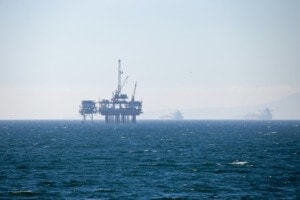
Environmental groups are pushing back on South Africa’s plans for offshore drilling. Approximately $1.6 billion in investments have been paused as these groups have brought legal action against the oil and gas companies. Gwede Mantashe, the country’s Minister of Mineral Resources and Petroleum, has defended offshore drilling exploration, as much of South Africa’s oil and gas is imported. Five offshore exploration projects have been delayed or stopped altogether since 2021 due to court cases filed by environmental groups. A case against Shell is ongoing, and groups are shifting focus to the French company TotalEnergies, which is set to begin drilling projects next year.
***
Further reading: South Africa Says $1.6 Billion of Oil Projects Halted in Court
Klimado – Navigating climate complexity just got easier. Klimado offers a user-friendly platform for tracking local and global environmental shifts, making it an essential tool for climate-aware individuals and organizations.
Nippon Steel acquires 30% stake in Canada’s Kami iron ore project
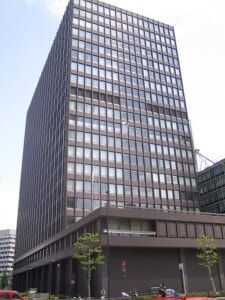
Nippon Steel, Japan’s largest steel manufacturer, has invested C$42 million ($30.2 million) in Canada’s Kamistiatusset Iron Ore Project (Kami Project). This C$42 million is part of a potential C$150 million (approximately $108 million) investment, which hinges on the results of a feasibility study. With this initial investment, Nippon Steel now holds a 30% stake in a partnership with Sojitz Corporation, a global trading company, and Champion Iron Limited, a Canadian mining development company. Champion Iron Limited currently owns the Kami Project in Canada’s Newfoundland and Labrador province. Through this partnership, Nippon Steel will secure the necessary resources to produce direct reduced iron (DR-grade). Companies committed to sustainable investing should consider ESG solutions for guidance.
***
Further reading: Acquisition of Interests in the Kami Iron Ore Project in Canada and Establishment of Joint Venture

Solar becomes top source of energy in the EU
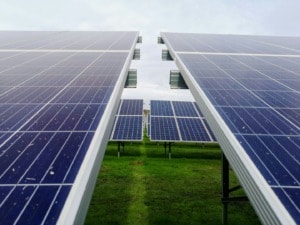
Solar power produced a total of 122,317 gigawatt-hours (GWh) of electricity in the European Union during the second quarter of 2025. In June, solar power made up 22% of the energy mix. With nuclear at 21.6%, wind at 15.8%, hydro at 14.1%, and natural gas at 13.8%, solar power represented the top source of energy. Renewable energy sources dominated the grids across Europe. In fact, 54% of electricity generated within the EU during the second quarter of 2025 came from renewable energy sources. The use of solar power and other renewable sources should continue to increase across the European Union. ESG solutions guide corporations seeking to incorporate solar power and renewables into their businesses.
***
Further reading: Solar: main source of EU electricity in June with 22%
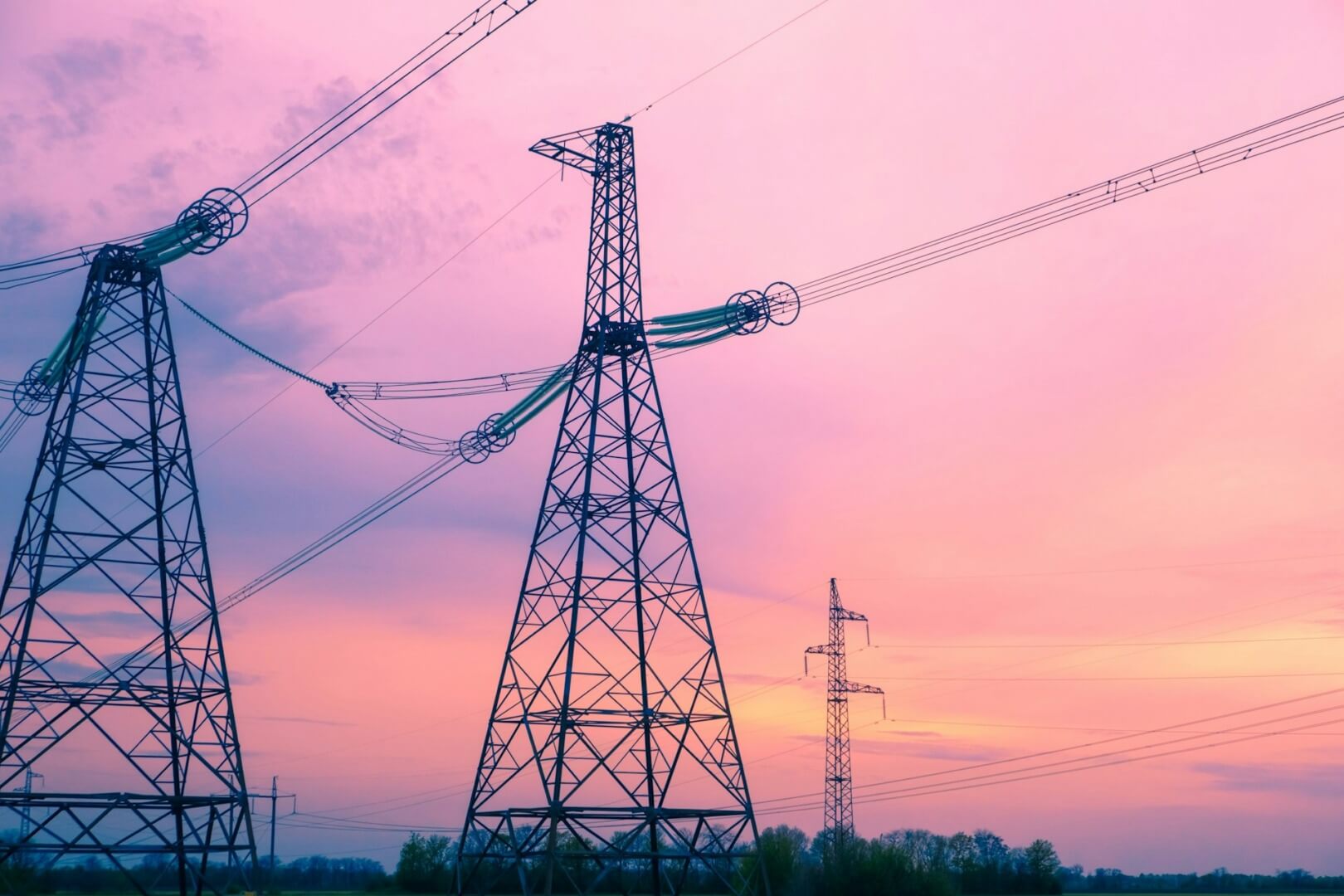
Editor’s Note: The opinions expressed here by the authors are their own, not those of impakter.com — In the Cover Photo: Power lines at sunset. Cover Photo Credit: Evgeniy Alyoshin