
Today’s ESG Updates:
- UN Might Make Fuel Companies Compensate for The Damages: The supporters of the treaty argue that fossil fuel producers should help cover the costs faced by affected countries.
- Holcim Invests in Carbon Capture Tech Company: The Swiss firm is partnering with Norwegian startup Capsol to help decarbonize concrete and cement production.
- Transport Workers Strike in Milan as the Olympics Approach: The strike is happening as there are ongoing tensions in Italy’s transport sector on the basis contract renewals and workers’ safety.
- Transport Workers Massively Walk off Jobs in Germany: This project supports Microsoft’s 2030 100/100/0 clean energy goals, and plans local investment and jobs in Lazio, Emilia-Romagna and Basilicata.
Fossil fuel firms may have to pay for climate damages
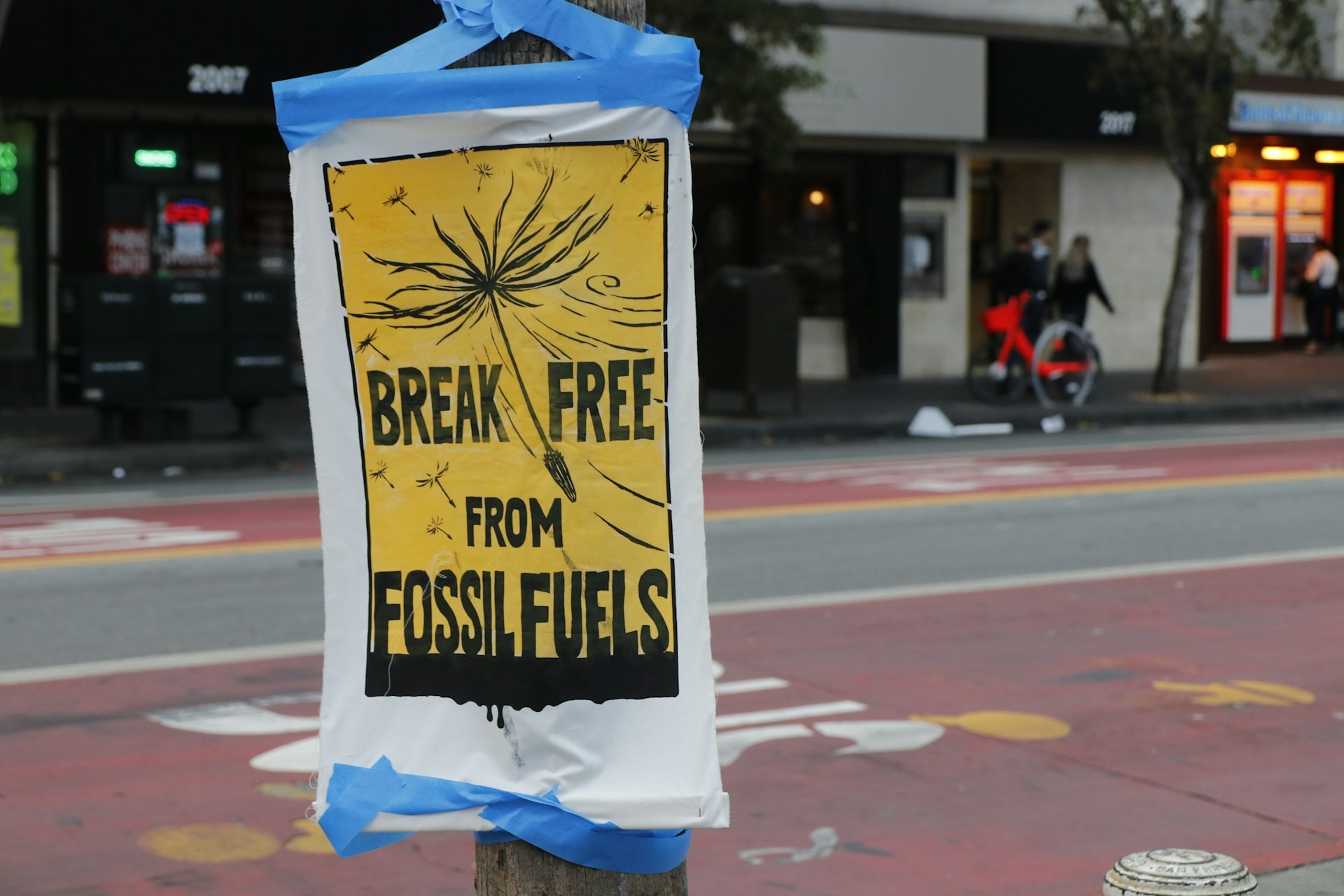
The United Nations is continuing to negotiate a global tax treaty that could require fossil fuel companies to contribute financially towards resolving the costs of climate change. It could introduce a coordinated tax, aimed at the world’s ultra-rich as well. The supporters of the treaty argue that fossil fuel producers should help cover the costs faced by affected countries. Data cited by campaigners suggest that a 20% tax on profits of the 100 largest fossil fuel producers could have raised more than $1 trillion since the Paris agreement in 2015. Such contributions could massively benefit economies affected by climate disasters. It is worth noting that civil society groups and developing nations point out that the draft is weak at this stage, calling for stronger commitment, while large economies like the United States and other wealthy countries argue that such an international tax should be introduced by the OECD rather than the UN. All in all, the treaty advocates for a great cause and its achieving in reasonable ways, yet it lacks completeness.
***
Further reading: Fossil fuel firms may have to pay for climate damage under proposed UN tax
Holcim invests in carbon capture tech company Capsol
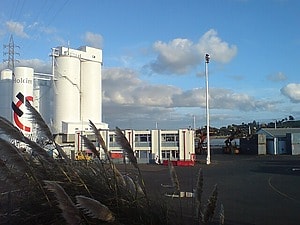
The Swiss company Holcim, a giant in the building materials industry, has made yet another strategic move to strengthen its position in the market by investing in Capsol Technologies, a Norwegian-listed company developing cutting-edge technology to capture CO2 from industrial processes. This partnership positions Holcim within the industry’s broader decarbonization initiatives as one of the key players, as it continues to develop its comprehensive range of carbon-mitigating technologies to address the carbon capture challenges associated with the world’s most carbon-intensive manufacturing processes: the production of concrete and cement.
Capsol uses a unique technology based on post-combustion carbon capture and heat recovery. This involves the chemical absorption of CO2, in which, using certain chemical agents, CO2 is removed from the gases produced by certain industries. This is more efficient and especially applicable to the cement industry, which is one of the most energy-intensive. Holcim has stated that the investment is a result of a previous partnership that saw CapsolGo establish a pilot site at the Holcim plant in Germany to test the technology. Holcim and Capsol intend to use the Holcim cement plant to operationalize the world’s first near-zero cement production technology and respond to the growing market for sustainable low-carbon building materials.
***
Further reading: Holcim Invests in Carbon Capture Tech Company Capsol
Klimado – Navigating climate complexity just got easier. Klimado offers a user-friendly platform for tracking local and global environmental shifts, making it an essential tool for climate-aware individuals and organisations.
Transport workers go on strike in Milan right before the Olympics’ opening
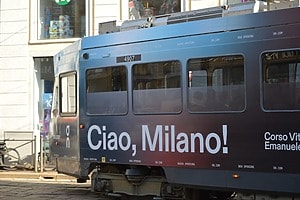
Employee strikes began in Milano at the start of the working week, as the city completed final preparations for the Winter Olympics. Workers from Trenord, a local rail operator, organised a walkout over contract renewals and worker safety. It affected the work of lines in Milan City Centre and Malpensa Airport, as well as suburban lines from cities like Bergamo and Brescia. It happened at a sensitive time, as athletes, officials, and media arrived for the Winter Olympics. They are set to begin on the 6th of February. The strike is happening as there are ongoing tensions in Italy’s transport sector. Similar walkouts have been affecting travel infrastructure, causing headaches for travellers.
***
Further reading: Milan hit by rail strike in run-up to opening of Games

Thousands of transport workers walk off jobs in Germany

The Verdi trade union, which represents close to 100,000 workers, is leading a strike in the transport sector in Germany, after negotiations with municipal and state employers stalled. The Monday walkout caused a widespread distraction to the operations of public transport all throughout the country. The strike affected 150 municipal transport companies in 15 out of 16 federal states, affecting Stuttgart, Karlsruhe, Freiburg, where all services were completely halted for the day. Union leaders criticised employers for seeking to extend working hours and cut benefits. A new round of negotiations is scheduled for the 9th of February, and Verdi has already threatened further strikes if progress isn’t made.
***
Further reading: Tens of thousands of transport workers walk off job in Germany
Editor’s Note: The opinions expressed here by the authors are their own, not those of impakter.com — In the Cover Photo: Emissions appear over the coast. Cover Photo Credit: Chris LeBoutillie