Today’s ESG Updates:
- EU Rejects Trump’s Claims of Biased Digital Rules: The European Commission rebuffs accusations of unfair digital regulations
- Malaysia Prepares for EU Deforestation Law: Malaysia unveils contingency plans to meet EU deforestation regulation standards
- Iraq Advances Energy Deal with Siemens: Iraq approves a cooperation framework with Siemens Energy
- German Court Blocks Apple’s CO₂-Neutral Claim: A German ruling finds Apple’s carbon-neutral marketing for its Watch misleading
Klimado – Navigating climate complexity just got easier. Klimado offers a user-friendly platform for tracking local and global environmental shifts, making it an essential tool for climate-aware individuals and organizations.
The EU rejects Trump’s claims of unfair digital regulations
The European Commission has rejected President Trump’s criticism that EU digital services unfairly target U.S. tech companies, and denied that they amounted to censorship. The Trump administration has consistently criticised the EU’s Digital Market Act (DMA) and the Digital Services Act (DSA). The European Commission stated that it was the sovereign right of the EU and its member states to regulate economic activities, firmly rebutting Trump’s statement that the EU was specifically targeting U.S. companies, insisting that the DMA and DSA applied to all platforms and firms operating in the bloc. A spokesperson shared that recent DSA enforcement decisions were against companies that are not American-owned, and has stated that accusations of the EU data laws censoring social media are “completely wrong and unfounded”. Furthermore, the DSA does not ask platforms to remove content, but to enforce their own terms and conditions, which set out things that should not be on their platforms.
***
Further reading: EU rejects Trump’s claim of unfair digital rules targeting US tech
Malaysia makes contingency plans for exports under EU deforestation rules

The commodities ministry has disclosed that Malaysia has prepared contingency plans to remain competitive in European markets as it aims to avoid being classified as a “standard risk” country under the EU’s new deforestation rules. Failure to acquire a “low risk” status means that Malaysia’s engagement sessions will be conducted with all industries that export agricommodity products to Europe to ensure compliance with EU requirements. Under EU regulations, 3% of shipments from “standard risk” countries need to be inspected by the authorities, while “low risk” countries face less stringent due diligence rules. Currently, Malaysia is classified as a “standard risk” country. The EU law will come into effect in December and applies to various products. Malaysia’s ministry will make efforts to ensure that qualitative assessment elements for the benchmarking system implemented by the EU can be fulfilled. Furthermore, solutions for issues spanning multiple jurisdictions of various ministries and agencies will be proposed via the Special Committee for EUDR Implementation.
***
Further reading: Malaysia makes contingency plans for agriculture exports under EU deforestation rules
Iraq approves the principles of the cooperation framework with Siemens Energy
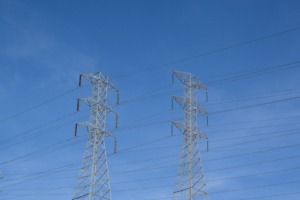
The Iraqi Cabinet has recently approved the principles of an energy cooperation framework with Germany’s Siemens Energy. The German company has already been involved in various electricity projects in Iraq and has signed an agreement to develop Iraq’s power network. Iraq is heavily dependent on Iranian natural gas imports to generate power, and often suffers from electricity shortages, which worsen in the summer heat. Earlier this month, a power outage hit the central and southern regions of the country after a sudden shutdown at a power plant led to a fault in the electricity transmission network. In the past two years, Iraq has also signed agreements with oil majors which had previously retreated from the country, including Chevron, France’s TotalEnergies and UK oil major BP. To keep up with more international industry developments, companies can rely on ESG tools.
***
Further reading: Iraq approves principles of cooperation framework with Siemens Energy
German court finds that Apple Watch is not a “CO2-neutral product”

In Germany, Apple can no longer advertise its Apple Watch as a “CO2-neutral product”. This follows a court ruling on Tuesday, which upheld a complaint from environmentalists, finding that Apple has misled consumers. The company had promoted the device online as “our first CO2-neutral product”, a claim discovered by a panel of judges to be unfounded and in violation of German competition law, according to a statement from a regional court in Frankfurt. An Apple spokesperson has declined to comment on whether the company would appeal the ruling and has referred to a report that Apple will phase out the “carbon neutral” label it uses for Apple Watches to comply with EU legislation being enforced in September 2026. Apple based its claims of carbon neutrality on a project to offset emissions by using eucalyptus plantations, which have been criticised by ecologists for their harmful effects. Companies can ensure their compliance with key regulations with the help of ESG tools.
***
Further reading: Apple Watch not a ‘CO2-neutral product,’ German court finds
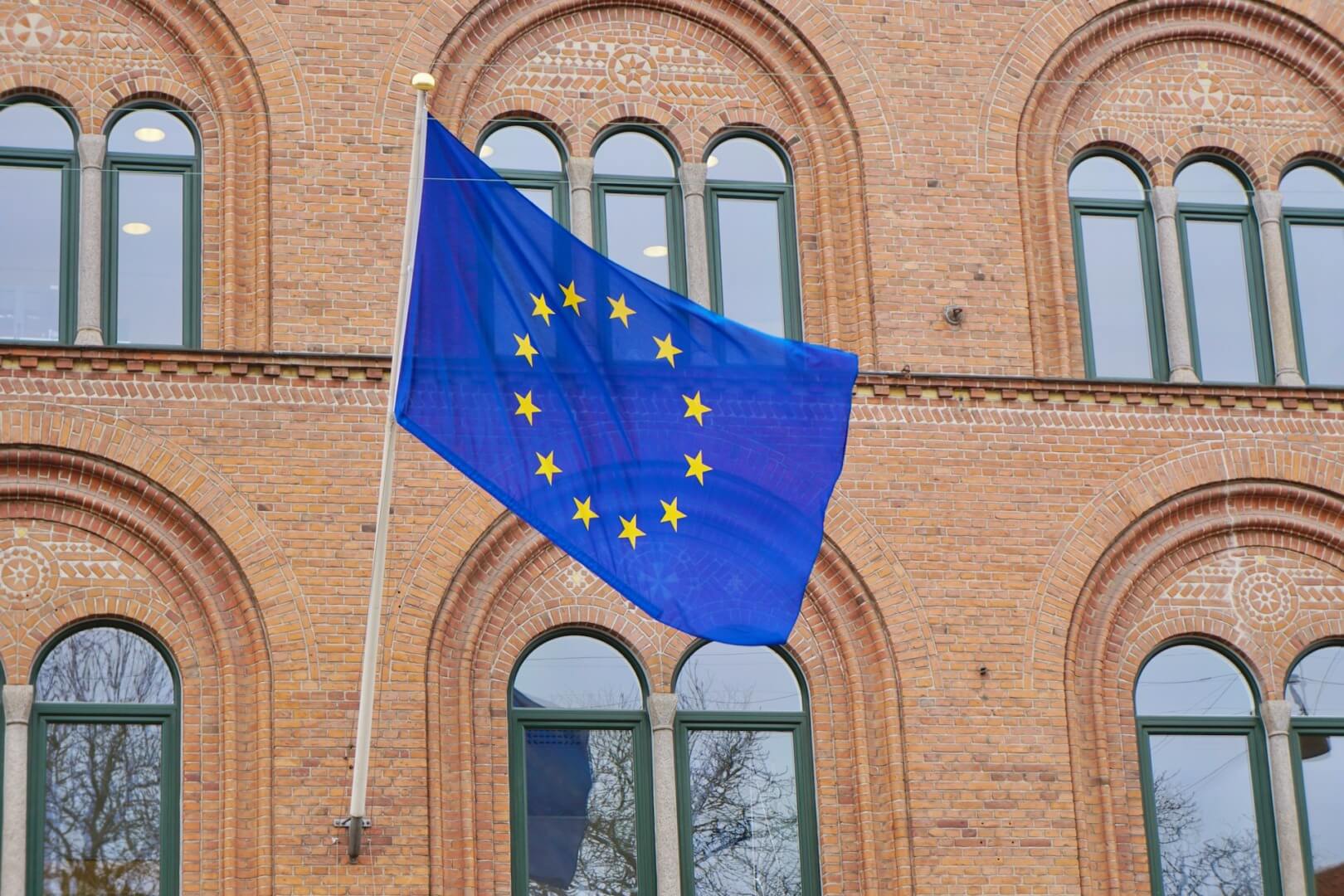
Editor’s Note: The opinions expressed here by the authors are their own, not those of impakter.com — In the Cover Photo: EU flag waving in the air, May 23, 2022. Cover Photo Credit: Antoine Schïbler