This Week’s Regulatory Updates
- EU Expands ESG Eligibility to Defence Firms: A rule change allows defence companies producing previously “controversial” weapons to appear in EU sustainability benchmarks.
- UK Ends New North Sea Oil & Gas Licensing: The government sets a regulatory path for the basin’s transition, stopping new exploration while managing existing fields to their end of life.
- EU Targets Land-Access Barriers for New Farmers:
The bloc launches a strategy focused on land markets, succession reforms, and transparency to support young entrants into agriculture. - EU Proposes Targeted Fishing Cuts for Stock Recovery:
Updated 2026 fishing rules maintain overall effort but introduce reductions for vulnerable species, especially Norway lobster, to support long-term sustainability.
The European Central Bank Warns of Greater Economic Fragility Amid Existing Threats
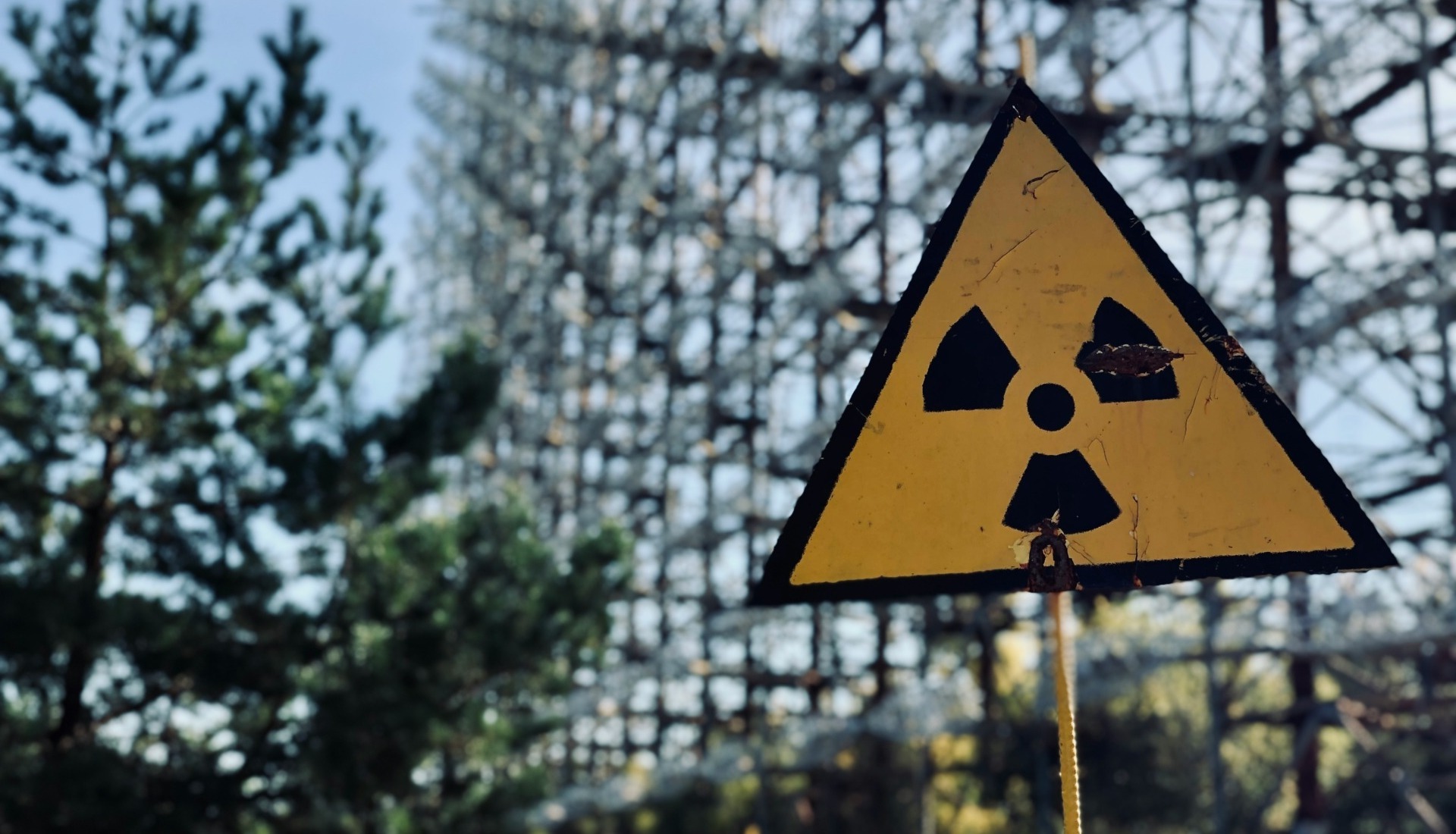
The European Parliament has approved a change to European Union (EU) sustainable-finance rules that will allow defence companies producing controversial weapons to appear in ESG benchmarks. This means that firms involved in incendiary weapons (weapons designed to start fires), depleted-uranium ammunition and even nuclear weapons could now qualify for sustainability-labelled indices. The move follows the European Commission’s proposal to narrow exclusions after investors raised concerns about unclear classifications, with the Commission arguing that the update aligns EU rules with international treaties, which specify prohibited weapons but do not recognise the broader “controversial” category.
The shift comes as the bloc seeks up to €800 billion to strengthen its defence capacity, a context that gives the decision added weight. Yet broadening what counts as “sustainable” may alter how capital flows inside ESG products, potentially crowding out technology and transition projects that have long defined sustainability investing.
The update also raises a deeper question about the direction of regulation itself. ESG frameworks were created to manage risks arising from environmental and social externalities, not from products designed to cause direct harm. Including such activities tests the boundaries that those frameworks were originally built to uphold.
***
Further reading: Global risk of shocks is unprecedentedly high, warns ECB
UK Ends New North Sea Exploration as Basin Enters Transition
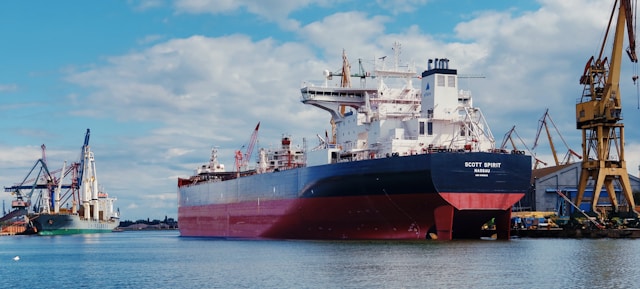
The UK government has set out its North Sea Future Plan, marking a decisive shift away from new oil and gas exploration and defining how the basin is expected to evolve. No further licences will be issued for offshore exploration, and existing fields will be managed through their full lifespans, with only limited additional production permitted through certificates linked to already-licensed areas.
The government also intends to end new onshore licensing in England and expand training schemes to help workers move into clean energy, defence, and advanced manufacturing. These commitments represent an essential step, but they remain only the starting point for a much broader transition.
The outcome will depend on how effectively the minister-led delivery board brings the different elements together, including the manufacturing ram p-up and port upgrades, among other factors needed to reinforce emerging supply chains. The alignment of these pieces will ultimately determine the pace of the shift. If implementation holds together as intended, the basin could navigate the transition with fewer disruptions and begin building durable momentum for renewable energy.
***
Further reading: Bird flu virus could risk pandemic worse than COVID if it mutates, France’s Institut Pasteur says
Klimado – Navigating climate complexity just got easier. Klimado offers a user-friendly platform for tracking local and global environmental shifts, making it an essential tool for climate-aware individuals and organizations.
EU Unveils Land-Access Reforms to Reshape the Future Farm Workforce
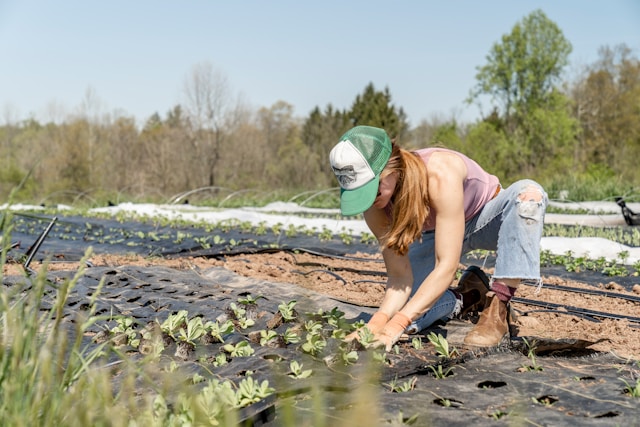
The EU has launched its Strategy for Generational Renewal in Agriculture, putting land access at the core of its vision for the sector’s future. The document highlights the persistent barriers faced by new farmers, including high land prices, short-term leases, and inheritance systems that delay transfers. The strategy includes the establishment of a European Land Observatory to increase transparency and monitor market trends, as well as calls for national reforms that encourage earlier succession, extended lease durations, and the introduction of more favourable taxation.
For new entrants, this offers a rare opening in a market that has remained structurally difficult to penetrate, but its ambitions hinge on coordinated execution. Greater transparency can attract additional buyers by making land data more accessible, raising competition for scarce plots, and potentially pushing prices up.
Some planned measures could cushion these pressures, including targeted investment aid under the post-2027 CAP, and preferential access for young farmers to public land. However, the timely delivery of succession and tax reforms will be critical, as will the administrative capacity of member states.
***
Further reading: Access to land: opening the way for Europe’s next generation of farmers

EU Adjusts 2026 Fishing Rules to Balance Stock Recovery and Fleet Viability
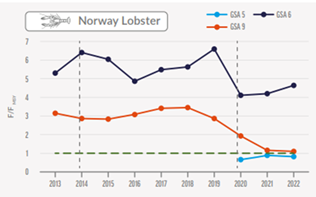
The European Commission has updated its proposal for 2026 fishing opportunities in the Mediterranean and Black Sea, aiming to balance conservation needs with the social and economic realities of fleets. The plan maintains 2024 fishing-day levels for the fleet overall while supporting ongoing stock recovery. Scientific data indicate improvements in biomass and lower fishing mortality. However, most stocks remain overfished, underscoring the need for continued restraint.
To advance that recovery, the Commission proposes targeted reductions in fishing effort for vulnerable stocks, particularly Norway Lobster populations in Spain and Italy. For fishers not targeting Norway lobster, some of the initial reductions would be scaled back. The proposal also extends the 2025 compensation scheme, giving fishers a way to recover days by adopting additional conservation measures.
Signs of recovery show that years of conservation work are starting to take hold. Yet, the focus on Norway Lobster illustrates how uneven that progress remains. By rewarding additional conservation measures, the Commission is trying to build a more incentive-driven model rather than simply tightening restrictions. Still, the added monitoring may weigh most heavily on smaller fleets. The effectiveness of the package will depend on how workable this growing complexity proves to be at sea.
***
Further reading: Commission updates 2026 fishing opportunities proposal to recognise Mediterranean fishers’ efforts and uphold sustainability
Editor’s Note: The opinions expressed here by the authors are their own, not those of impakter.com — Cover Photo Credit: Vladyslav Cherkasenko