Today’s ESG Updates
- China Green Hydrogen: Analysts warn overcapacity and tech shifts may force consolidation in India’s solar module industry.
- India Solar Shake-Up: Analysts warn overcapacity and tech shifts may force consolidation in India’s solar module industry.
- Global Aid Trends: Study shows rich nations are pulling back on development aid, affecting climate and sustainability efforts.
- Malaysia Mining: Malaysia suspends rare earth and tin mines after river pollution, highlighting environmental compliance issues.
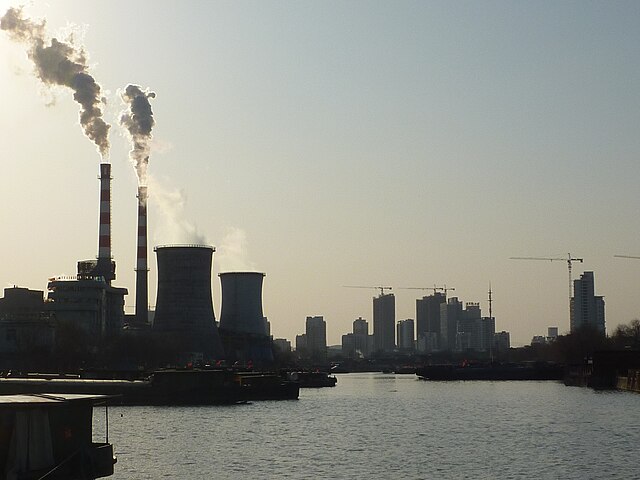
China Launches First Coal-to-Chemicals Plant Using Green Hydrogen
China’s first coal-to-chemicals project integrating green hydrogen has started commercial operations in Inner Mongolia, according to state media. Operated by Datang Group, the plant is expected to produce over 70 billion cubic meters of hydrogen annually and includes a 150-megawatt wind and solar facility that supplies surplus electricity to the grid. Designated as a national hydrogen demonstration project, it aims to provide a replicable model for transforming the coal chemicals industry toward greener practices. While coal-based chemical production remains carbon-intensive, this project marks a significant step in reducing emissions, boosting renewable energy use, and advancing China’s industrial sustainability goals.
***
Further reading: China’s first coal to chemicals project with green hydrogen starts commercial operations
Rich Nations Pull Back on Aid, Raising Concerns for Global Sustainability
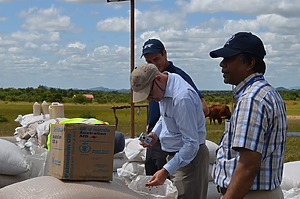
A recent study shows that many of the world’s richest nations, including the U.S. and Japan, are reducing their support for global development, cutting aid budgets, and redirecting funds toward defense. The Commitment to Development Index tracks 38 major economies across areas like environment, health, trade, and migration. While some countries, like Sweden and Germany, continue to lead on sustainable policies, others are stepping back. The report notes progress in emissions reductions and refugee support, but overall, rising arms exports, trade barriers, and fossil fuel subsidies are reversing some gains. The trend highlights challenges in achieving global sustainability and equitable development.
***
Further reading: World’s richest nations are pulling back from global development efforts, study shows
Klimado – Navigating climate complexity just got easier. Klimado offers a user-friendly platform for tracking local and global environmental shifts, making it an essential tool for climate-aware individuals and organizations.
Malaysia Suspends Rare Earth and Tin Mines After River Pollution

Malaysia has suspended operations at a rare earth site and two tin mines in Perak state after a stretch of the Perak River turned bright blue, sparking environmental concerns. Investigations linked the discoloration to discharges from the mining sites, with radiation readings above permitted limits. Authorities are now examining the chemicals used and whether the companies followed environmental regulations for effluent discharge, erosion control, and chemical management. Malaysia, which has significant rare earth deposits crucial for green technologies, has been exploring partnerships to safely develop these resources. The suspensions highlight the challenge of balancing industrial growth with environmental protection and sustainable mining practices.
***
Further reading: Malaysia suspends rare earths, tin mining operations after river water turns blue

India’s Solar Module Industry Faces Shake-Up Amid Overcapacity
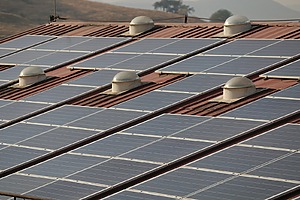
India’s solar module manufacturing sector is facing a major shake-up as overcapacity and rapid technology changes put pressure on smaller players, analysts say. While the country has authorized around 110 gigawatts of module capacity, only 70–75% can adapt to newer technologies like ToPCon and bifacial modules. Production is expected to rise to 165 GW, while project installations will likely reach only 45–50 GW, creating potential overcapacity. Older and less integrated manufacturers may struggle or exit, while companies investing in advanced technology and full-scale production could benefit. The shift underscores the challenges and opportunities in scaling sustainable solar energy.
***
Further reading: India’s solar module sector faces shake-up as overcapacity looms, ICRA analysts say
Editor’s Note: The opinions expressed here by the authors are their own, not those of impakter.com — Cover Photo Credit: Wikimedia Commons