Today’s ESG Updates
- Catastrophe Bond Sales Hit Record $18.1B: Insurers are offloading disaster risk as investors chase returns, with extreme weather losses rising.
- Nestlé Announces Major Reforestation Project: Nestlé is partnering with Barry Callebaut and re.green to plant trees in areas where it sources key ingredients.
- Renewable Energy Projects in Vietnam Threatened by Subsidy Cut: A sudden subsidy rollback in January has threatened $13 billion in solar and wind projects, casting doubt on Vietnam’s investment credibility.
- Clean Energy Developers Seek Aid from California: Trump’s clean energy subsidy cuts will derail California’s renewable goals unless the state accelerates approvals.
The rising price of climate change: Catastrophe bonds hit $18.1B in 2025
Catastrophe bond sales hit a record $18.1 billion so far in 2025, as insurers rush to offload climate-driven risk amid rising payouts from floods, wildfires, and hurricanes worldwide. These bonds are transferring disaster risk to investors, offering high yields and portfolio diversification. Investors are increasingly drawn to catastrophe bonds, with total returns up 14% over the past year and 50% over the past five years. While climate disasters mount, most recent bonds haven’t triggered losses. The sector’s resilience, combined with increasing weather volatility, is prompting both insurers and institutional investors to delve deeper into the market. While catastrophe bonds offer attractive yields for investors, they also reflect the growing cost of climate inaction, shifting financial risk rather than addressing root causes.
***
Further reading: Catastrophe bond sales hit record as insurers offload climate risks
Nestlé and Barry Callebaut launch major reforestation projects in Brazil

Nestlé has launched two major reforestation projects in Brazil, partnering with startup re.green and chocolatier Barry Callebaut to restore 8,000 hectares across cocoa- and coffee-growing regions. The initiative aims to plant 11 million native trees in Brazil’s states of Bahia and Pará, supporting carbon removal and supply chain resilience. Nestlé claims that the re.green project in Bahia will generate 880,000 carbon credits over 30 years, while the Barry Callebaut partnership focuses on agroforestry systems. This announcement comes at a time when the transparency and validity of international carbon credits purchased by large companies is being increasingly questioned. Nestlé says this project supports its goal to plant 200 million trees by 2030 and aligns with its net-zero emissions target by 2050.
***
Further reading: Nestle, Barry Callebaut, re.green to restore areas in Brazil’s cocoa, coffee regions
Vietnam faces investor backlash over clean energy contract cuts

Vietnam’s rollback of clean energy subsidies is drawing backlash from investors and utilities, threatening legal action and potential power shortages. Developers say the sudden cuts violate 20-year power purchase agreements signed since 2017, putting at risk 173 solar and wind projects worth $13 billion, 75 of which are foreign-backed. Vietnam’s utility EVN claims that the cuts could cause bankruptcies, jeopardize grid reliability, and damage Vietnam’s reputation as a manufacturing hub. The dispute adds tension to a strained power system already challenged by droughts, growing demand, and the country’s growing clean energy leadership in Southeast Asia.
***
Further reading: Investors rage over Vietnam’s alleged breach of power contracts
Clean energy groups turn to California for help after Trump tax cuts

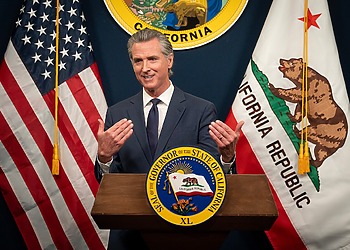
Clean energy developers in California are urging state officials to step in as Trump’s new tax law threatens key federal incentives for wind, solar, and energy storage projects. On Wednesday, five major trade groups sent a letter to Governor Gavin Newsom calling for expedited project approvals, procurement efforts, and more flexible land-use policies. Companies need this help from the state to prevent the cancellation of dozens of large-scale projects. The new federal rules phase out tax credits for projects not under construction by 2026, a decision that risks billions in investments and pushes U.S. climate progress further off track. Earlier this week, California reported that more than two-thirds of its retail electricity in 2023 came from renewable sources—a milestone now in jeopardy. Companies can utilize ESG solutions to track shifts in clean energy policy shifts and adapt to evolving regulatory landscapes.
***
Further reading: Solar and wind groups seek California aid after Trump subsidy cuts
Editor’s Note: The opinions expressed here by the authors are their own, not those of impakter.com — Cover Photo Credit: Chris Gallagher