
Today’s ESG Updates
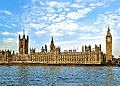
- Energy Bill Would Give Ofgem Power to Fine Firms and Curb Bonuses: The legislation would also bring energy brokers under regulation and end new onshore fracking licences in England.
- UK Aid to Commonwealth Countries Falls Sharply: Funding to nations that once had bilateral programmes is set to drop from £546m in 2024-25 to £131m in 2028-29.
- Adaptation Finance for Poor Countries Falls Far Short of Need: Flows reached at most $32bn in 2024, against an estimated $305bn needed each year by 2035.
- Hardship Shifts Australian Votes as Social Cohesion Holds: The Scanlon report finds cohesion steady at 78 out of 100, while financial hardship pushes voters towards One Nation.
Energy Bill Targets Mis-Selling, Bonuses and Fracking
A new energy independence bill, due to be introduced in the UK on Wednesday, would give Ofgem tougher tools against companies that treat customers badly. The regulator could order refunds, levy fines and bar firms from the market, and could act on executive payouts when a company lets its customers down. Energy brokers and comparison sites, which have operated outside any regulator’s remit, would come under Ofgem for the first time. Ministers say undisclosed commission has left small businesses paying too much, and expect the change to save them over £100m a year.
The bill would also let councils fine landlords up to £30,000 for breaching efficiency rules, and end new onshore fracking licences in England. Lower-volume techniques fall outside the moratorium, which Friends of the Earth says leaves a loophole. Ministers say they have no evidence those methods carry the same risks. The bill lands amid criticism of more than £3bn in cuts to the energy department’s budget.
Klimado – Navigating climate complexity just got easier. Klimado offers a user-friendly platform for tracking local and global environmental shifts, making it an essential tool for climate-aware individuals and organizations.
UK cuts aid to Commonwealth nations as leaders meet in Antigua
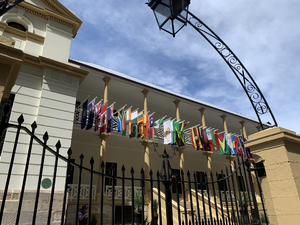
The UK is cutting aid to Commonwealth countries sharply, according to analysis seen by the Guardian, even as the King and prime minister Andy Burnham praised the group at this week’s heads of government meeting in Antigua. Funding to Commonwealth nations that once had bilateral programmes is projected to fall from £546m in 2024-25 to £131m in 2028-29, with Nigeria taking £68m of the remainder.
Several of the poorest countries are hit hard. Sierra Leone’s aid drops from nearly £30m to £5m, Tanzania’s from £60m to £5m, and the Caribbean Development Team’s from over £98m to £45m in a single year. Nature funding has suffered too, with at least 26 Commonwealth countries barred from the Darwin Initiative. Campaigners note the UK made no financial contribution to the new Commonwealth nature initiative the King helped launch. The Foreign Office says a smaller budget means fewer, higher-impact investments.
Related Articles
Here is a list of articles selected by our Editorial Board that have gained significant interest from the public:
Adaptation finance for developing countries stalls far below need
Money to help poor countries adapt to climate impacts has been flat or falling since 2022, according to a new UN Environment Programme report. Developing countries will need about $305bn a year by 2035 for measures such as flood defences, early warning systems and drought-resistant irrigation, yet flows from rich nations reached at most $32bn in 2024. That was only $1bn more than the year before and below the 2022 peak, partly because European governments are shifting budgets towards defence.
Even the pledge at COP30 to triple adaptation finance by 2035 would cover only 20 to 29% of needs. The least developed countries received 16% less in 2024 than two years earlier, and the new loss and damage fund has requests of $2.8bn against initial funding of $342m. Campaigners want grants or low-cost loans at COP31, since commercial debt and equity costs can more than double project budgets.

Hardship shifts Australian votes as social cohesion holds
Most Australians still back immigration and multiculturalism, even as economic strain deepens pessimism, according to the Scanlon Foundation’s annual social cohesion report. Its index held at 78 out of 100, unchanged since 2023, but 62% of adults think cohesion has declined, and 48% are pessimistic about Australia’s future, up from 43% last year. Cost of living is the top concern for 36%, while climate is the top issue for just 4%. More people said they were worried about artificial intelligence (69%) than climate change (55%).
Hardship is also shifting votes. The report estimates 47% of 2025 Labor and Coalition voters now facing financial hardship prefer another party, mostly One Nation, compared with 36% of those without hardship. Support for multiculturalism remains high, with 76% saying it has been good for the country, though negative attitudes towards several religious and migrant groups have risen since 2024.
Editor’s Note: The opinions expressed here by the authors are their own, not those of impakter.com — Cover Photo Credit: Wikimedia Commons.