The challenges that migrants face today are well-known. Millions of people are fleeing from conflict or searching for a better life. Truly, the migration crisis is a common topic in negotiation and conversation between countries and in international organizations. Global efforts to collaborate in this matter have not been few.
The last global agreement about secure and regular migration was signed last year under the support of the United Nations and establishes steps to be taken by the member states in order to promote safe migration. This agreement is known as the Global Compact on Migration and was adopted by 164 nations in 2018.
Additionally, the Compact is not the only agreement or treaty that was created to solve the migration situation today. In fact, efforts to solve the migration issue have increased in the last two decades. During the last several years, many treaties were signed and taken into consideration by a number of states and civil actors. However, while state cooperation is essential, it is important to go deeper into another aspect of this complex situation.
Migration is a human instinct. It is our innate ability to pursue better conditions in order to achieve progress as people and to improve conditions for our families. Even though migration is a natural process with historical roots, the reality today shows that global citizens have yet to find a civil way to incorporate migrants into society. Therefore, you may seek help from a green card services firm when you’re having difficulties processing your migration documents.
For instance, in the European Union, there is a lack of internal rules regarding how to receive migrants, especially when considering economic motivation. Communities that migrants come from are worried about losing their young populations and the associated economic consequences. Meanwhile, communities receiving immigrants in constant waves are especially concerned about how to include this vast number of strangers into their own societies without endangering their economic stability and security.
The United Nations has affirmed that the global population will increase from 7.7 billion to 9.7 billion by 2050. Moreover, a prospective analysis from the National Intelligence Council of the United States, written in 2017, explained that the world’s population growth and the migration crisis are not expected to be easily reverted. This report, called “Paradox of Progress,” confirms that migrant flows are greater than they have been in the past 70 years.
The International Organization of Migration stated in 2017 that, out of 7.7 billion people, only 258 million are migrants. This number includes both volunteer and forced migration. In addition, these 258 million include 68 million displaced persons. Most migrants are women and children.
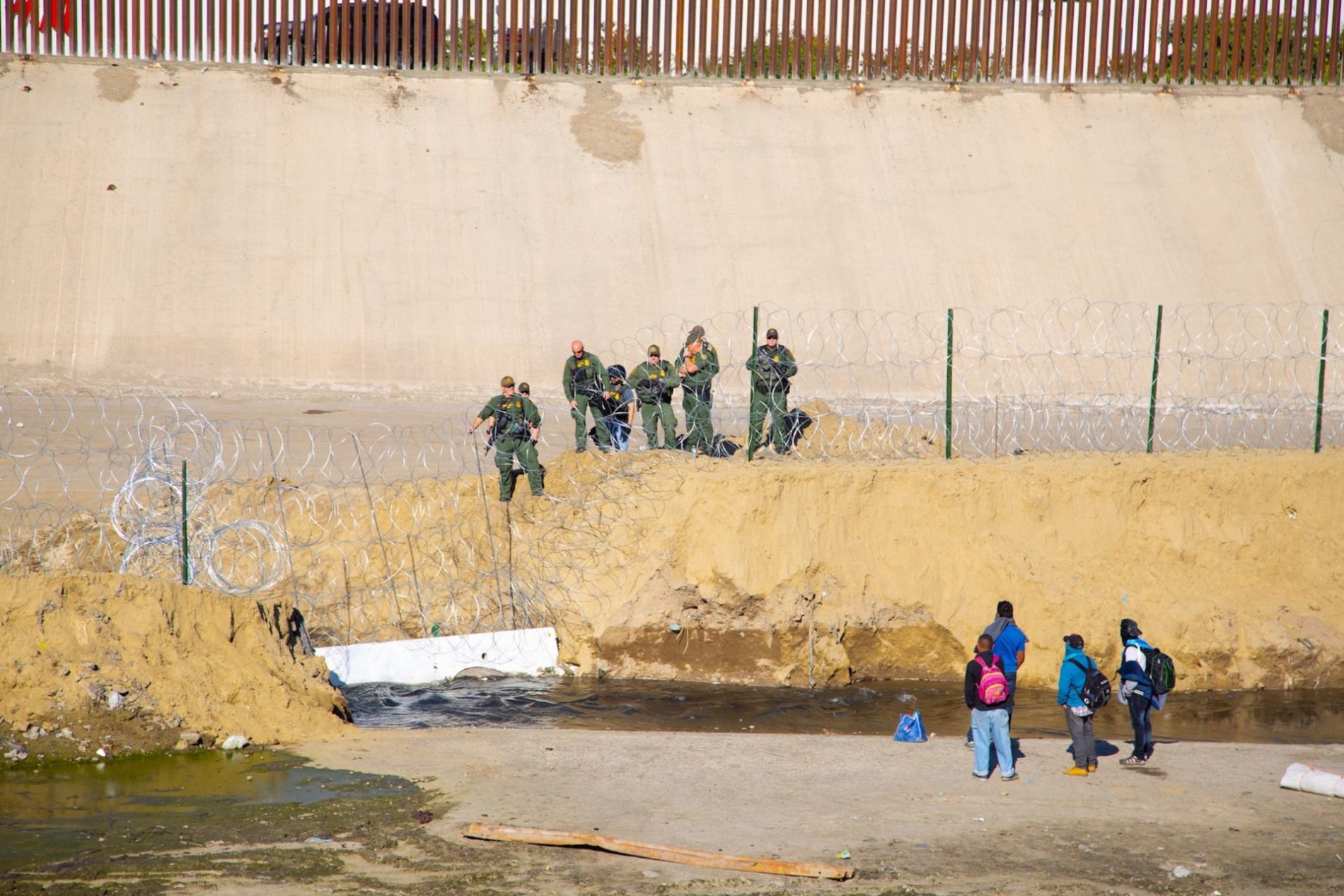
Presumably, the migrant population of 258 million makes up only 3.4% of the total global population. Without minimizing the problems and suffering they are facing while emigrating and settling in new places, this percentage invites us to consider that perhaps the crisis is not the migration itself. The true crisis lays in how we treat and perceive others while they are seeking a new life in order to persist, improve their lives, and survive.
If migrants only comprise 3.4% of the population, why is this situation one of the main international problems without a solution? We can analyze the historical, economic, and social structures that cause people to migrate, but these factors are not enough to explain or solve the migration crisis, or even to produce a small amount of empathy in civil society. Why is the transition of a human from one place to another so difficult for societies to accept? Why is it so complicated to include others while we, as humans, are all pursuing the same goals of happiness and safety? How can we bear knowing that the human rights of a few are denied consistently when we wouldn’t be able to live without our own rights for a single day?
Editor’s Picks — Related Articles:
Containing Migration is a Mistake
Colombia: A Divided Country in Search of Peace
My Truth, Your Truth, Their Truth, and “The” Truth
In 2015, the UN’s 17 Sustainable Development Goals were adopted by the leaders of the international community. The UN also promised in 2017 to “to leave no one behind.” This promise was referring partly, if not fully, to the migration crisis. Unprotected groups should be sheltered by states, quality education should be given to citizens without discrimination, and labor rights should be guaranteed without bias based on a workers’ country of birth. Orderly, safe, and regular migration should be facilitated. Around 193 countries agreed to carry this agreement out.
Current international standards on refugees and migrants began to develop almost a century ago. Also, the instruments and mechanisms that facilitate the recognition and protection of refugees today were created shortly after the First World War.
While different states and organizations are negotiating different ways to solve the migration crisis, we must do our own parts in building individual awareness. We must promote the inclusion of others, accept change, and erase the stigma surrounding migrants. It is our duty, day by day, to empower the people around us. It is our actions and words that invite those around us to be more open.
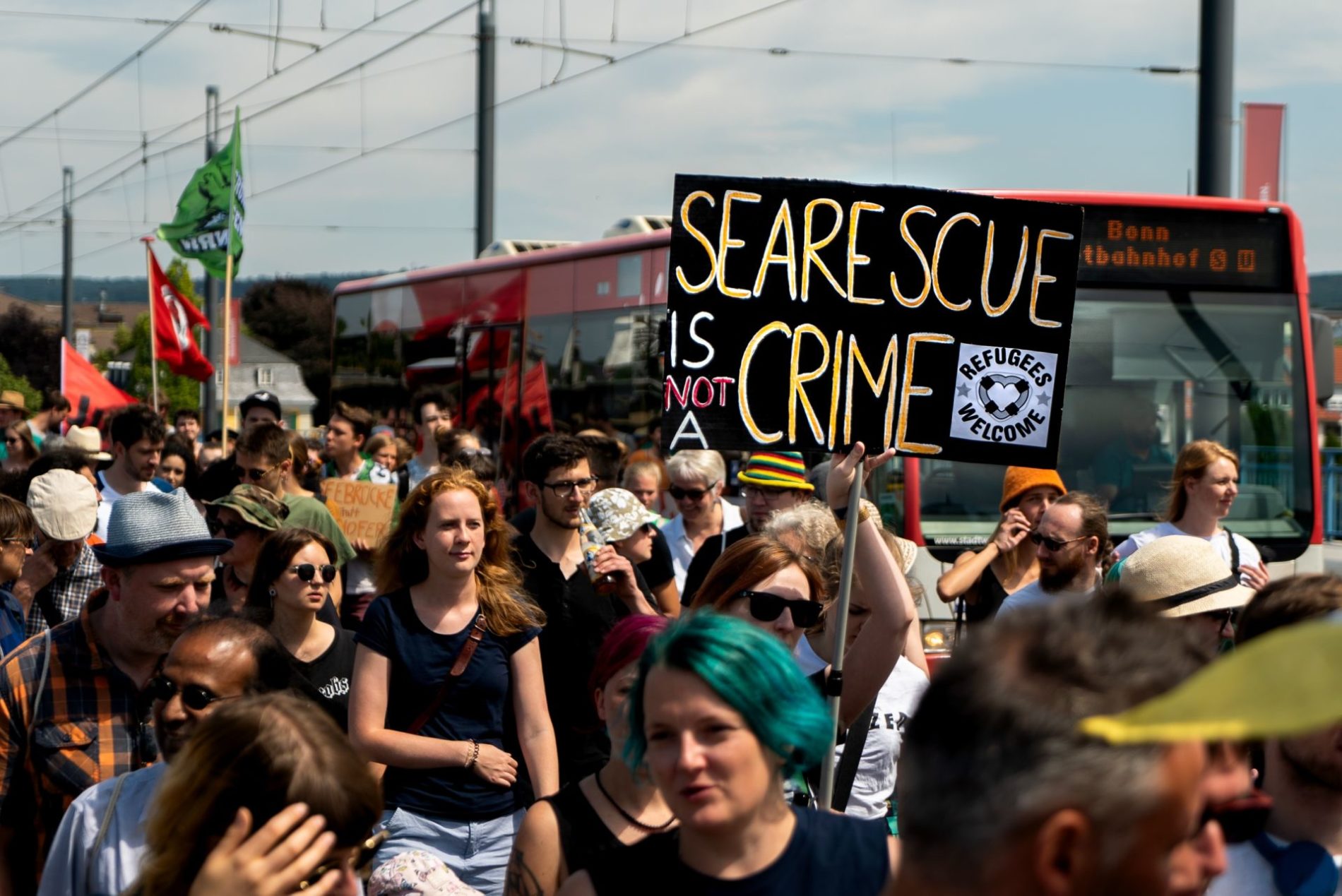
If we, as mere humans, do not change our perspectives towards migrants, states’ efforts and international treaties will never be adequate for normalizing migration.
This destigmatization can be taught on a small scale to our family and friends. When they act negatively to seeing more immigrants around the city, we can ask them if their own ancestors were migrants well. It is simple: We should all be empathetic with the migrants we cross in our paths every day, because everyone has ancestors who were once migrants too.
I live in Uruguay, a country with a small population of 3.5 million, and due to some crises on the continent, we are currently receiving more migrants than usual. Since the 1970s, we exported migrants, so we are not a country that is used to receiving them. Nevertheless, things have changed. Even though we have not reached a 3% migration population, some Uruguayans are still surprised by the new wave of immigrants. They look at them as something strange and different, even though the state itself has worked to accommodate the new population.
As a matter of fact, our government has ratified most of the international legislation surrounding migration including the Global Compact on Migration. Indeed, it is a problem of social maturity. My country is not the only one struggling with new waves of immigrants. Countries such as Argentina, Brazil, and Colombia are experiencing similar situations.
We must become aware of the fact that any declarations from the United Nations, or any treaties from states or international organizations would never be enough to solve the crisis if we do not start modifying our mentality. The migrant, generally speaking, is someone longing for change and searching for stability. Migration is not only an institutional problem. Institutions themselves were built by the people as well, so it is only the people who can make a real change.