Impakter
  • Environment
    • Biodiversity
    • Climate Change
    • Circular Economy
    • Energy
  • FINANCE
    • ESG News
    • Sustainable Finance
    • Business
  • TECH
    • Start-up
    • AI & Machine Learning
    • Green Tech
  • Industry News
    • Entertainment
    • Food and Agriculture
    • Health
    • Politics & Foreign Affairs
    • Philanthropy
    • Science
    • Sport
  • Editorial Series
    • SDGs Series
    • Shape Your Future
    • Sustainable Cities
      • Copenhagen
      • San Francisco
      • Seattle
      • Sydney
  • About us
    • Company
    • Team
    • Global Leaders
    • Partners
    • Write for Impakter
    • Contact Us
    • Privacy Policy
No Result
View All Result
Impakter logo
No Result
View All Result
Despite the Climate Emergency, Developing Countries Still Deserve Help With Extractives

Despite the Climate Emergency, Developing Countries Still Deserve Help With Extractives

Peter Harrington - Principal Consultant at Oxford Policy ManagementbyPeter Harrington - Principal Consultant at Oxford Policy Management
October 31, 2019
in Environment, SDG Series
0

Supporting good governance will help, not hinder, the transition from extractives to clean energy in low- and middle-income countries.

This summer, the British charity Cafod lambasted the UK government for allocating a small portion of its foreign aid budget to helping low- and middle-income countries manage fossil fuels. Research commissioned by the charity showed that the UK has spent £680 million of aid on fossil-fuel related projects in the last ten years — and spending actually went up after signing the Paris climate agreement. This sum, about one 200th of total aid spending over that period, made headlines. But behind these figures are a few rather uncomfortable truths.

Firstly, I am not here to champion fossil fuels and extractive industries. They are dirty, dangerous, and addictive. I have seen first-hand some of the world’s poorest countries trying to manage these resources, grappling with some of the most powerful corporations in history – almost always a David and Goliath mismatch. And I have seen the damage that extractives can do to a country’s economy, environment, and political system.

But what do we expect from countries like Tanzania, Kenya, Mozambique, Sierra Leone, Uganda, Malawi, Ghana – all of whom have discovered or produced oil or gas in the last decade? These countries have an average income per person of around USD 1000 (one 40th of the UK). They are desperate for sources of revenue to pay for infrastructure and public services, like education and healthcare that they know will help lift the country in the long term.

Aid agencies are spending money to help producer countries manage their extractives, as this is an urgent challenge. Extractives — especially oil and gas — pose a serious threat to the stability and integrity of a country when it has weak institutions, where often these resources do not translate into economic success. This effect – known as the “resource curse” – could hold back many of the countries that donors are trying to help. If oil dissolves the institutions and stability of a country, all the other donor investments and work put into improving things like education, health, and employment will go to waste. And a transition to clean energy will be much more difficult. In other words, governance matters.

Meanwhile, we are all too happy to preach de-carbonisation from a wealthy-country vantage point which was, to an almost shocking extent, built on fossil fuels. This point has been made many times before, but it is difficult to overstate the extent to which the rich world got rich exploiting natural resources – first in our own back yard, and then in the rest of the world’s back yard, often contributing to the political and economic mess such countries find themselves in. It makes all the criticism a bit, well, rich.
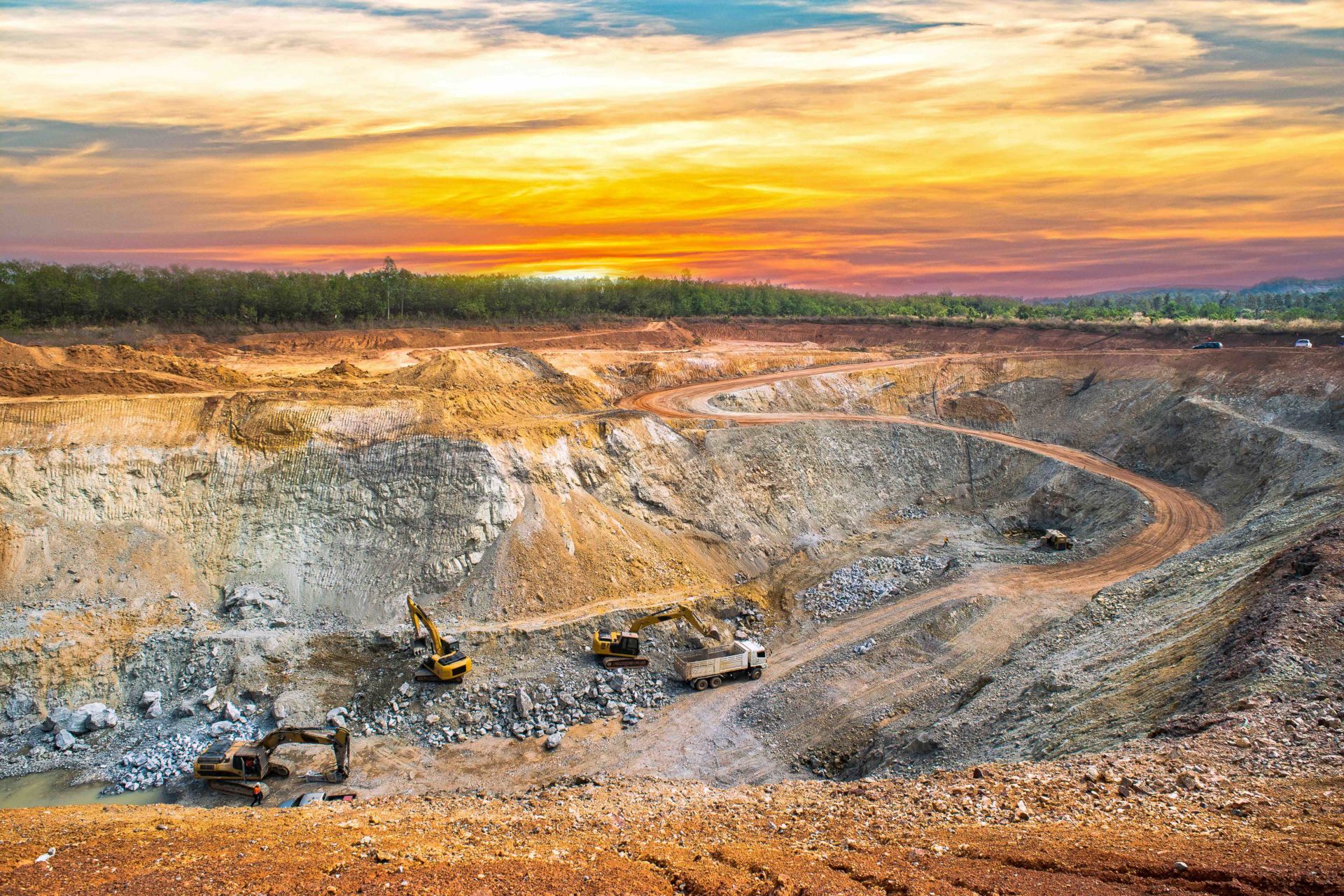
In the Photo: Aerial view of opencast mining quarry with machinery at work. Photo Credit: Red ivory

The Cambridge professor, Ha-Joon Chang, once called the donor world bad Samaritans because we tell poor countries to “do as we say, not as we did” when it comes to industrial development. But just telling countries to stop producing extractives won’t work anyway, because they will still do it. Sometimes the desire to tap extractives is about corruption and capturing immense wealth. But even governments and leaders with good intentions won’t listen; they need the money, are fully aware of rich world hypocrisy, and are willing to take the risks.

Where Cafod are right, and which we all agree on, is that we are in a climate emergency. And they are right that some of the money the UK has spent abroad on extractives could be better spent. But what is really happening here? The truth is that the part of the world responsible for approximately 85% of today’s carbon emissions, the vast majority of cumulative historical emissions, and on whose de-carbonisation the survival of the planet depends – high and upper-middle income countries – isn’t doing nearly enough at home due to entrenched interests and political gridlock.


Related Articles: Is Oil Really Worth More Than The Planet? | Shrinking the Environmental Footprint of Mining

It’s much easier to wag the finger at low- and middle-income countries because we have some leverage over them through aid budgets, rather than tackling our own addiction, or China’s for that matter. What Cafod appear to want is for the UK to use that power to bend aid recipients to do what we don’t seem to be able to. At best, the critique is laudable but misdirected anxiety about the looming climate emergency. At worst, it is a symptom of an asymmetry where rich countries dictate what poor countries should do, a relic of an older system that is rightly dying out.

Cutting support to extractives — meaning the better governance of extractives — would be foolish. I’m no advocate for digging up more oil, but given these countries are going to extract one way or the other, it is in the UK’s interest to invest aid and support in helping them avoid the resource curse, and minimise the negative impacts of extractive industries.
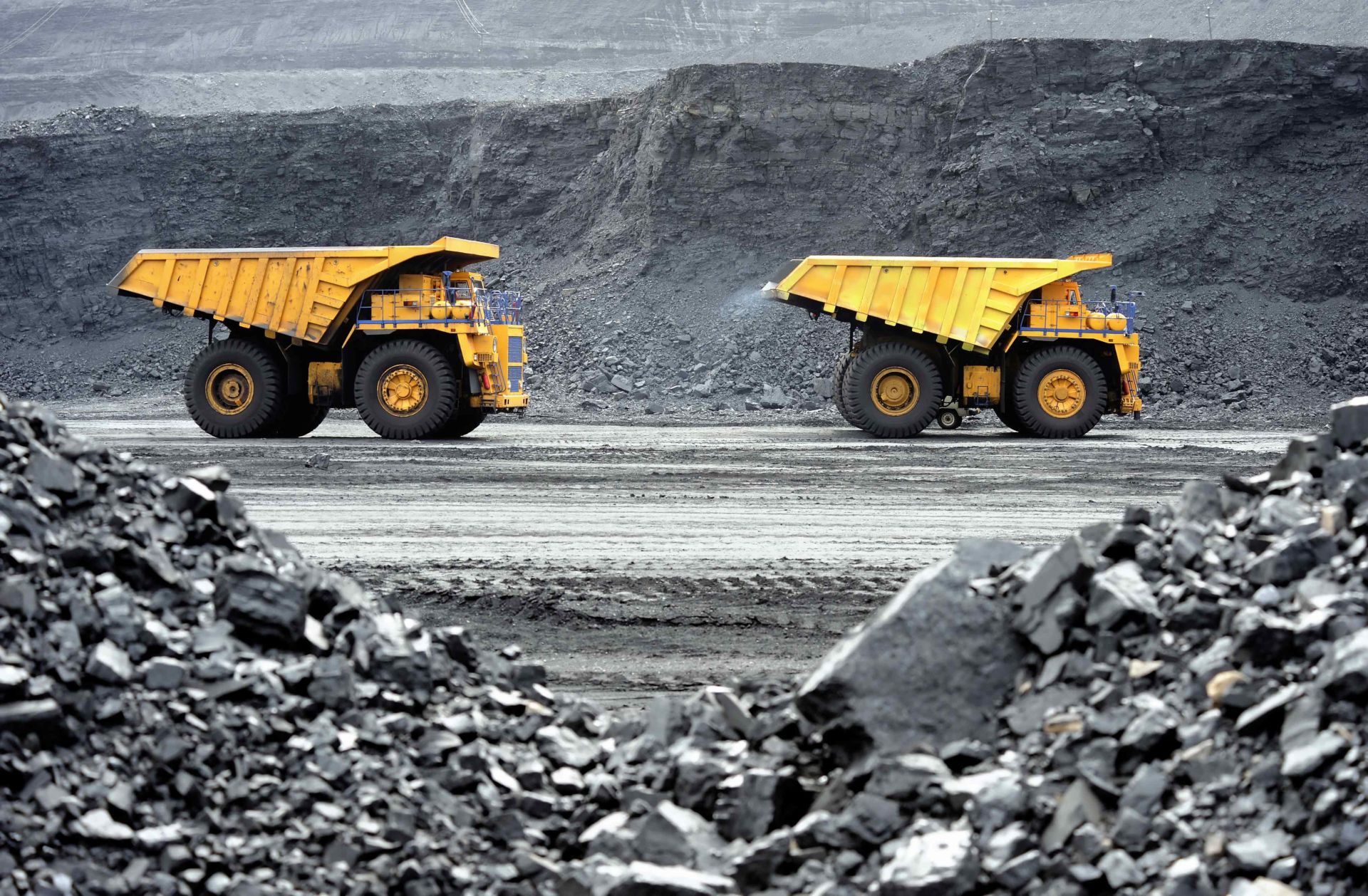
In the Photo: Large quarry dump truck, production of minerals. Photo Credit: AButyrin 22

None of this this means that the donors should encourage fossil fuel extraction. Where possible, the UK and others should help countries move to a low-carbon growth pathway, and continue to increase its budgets for renewables. But cutting support to the governance of extractives would only make it harder for the UK to maintain the right sort of relationship as a partner to governments who are making tough decisions about their development, or to support countries to further their energy transition and lay the economic foundations and infrastructure needed for clean energy.

[C]riticising the developing world over de-carbonisation distracts from our own failure to do enough.

De-carbonisation is a challenge that the whole world has to face together. But criticising the developing world over de-carbonisation distracts from our own failure to do enough. We in the rich world have to shoulder most of that responsibility and step up. We need a bit of realism and historical perspective — to check ourselves before pointing the finger — if we are going to win over developing nations who have the most to lose.
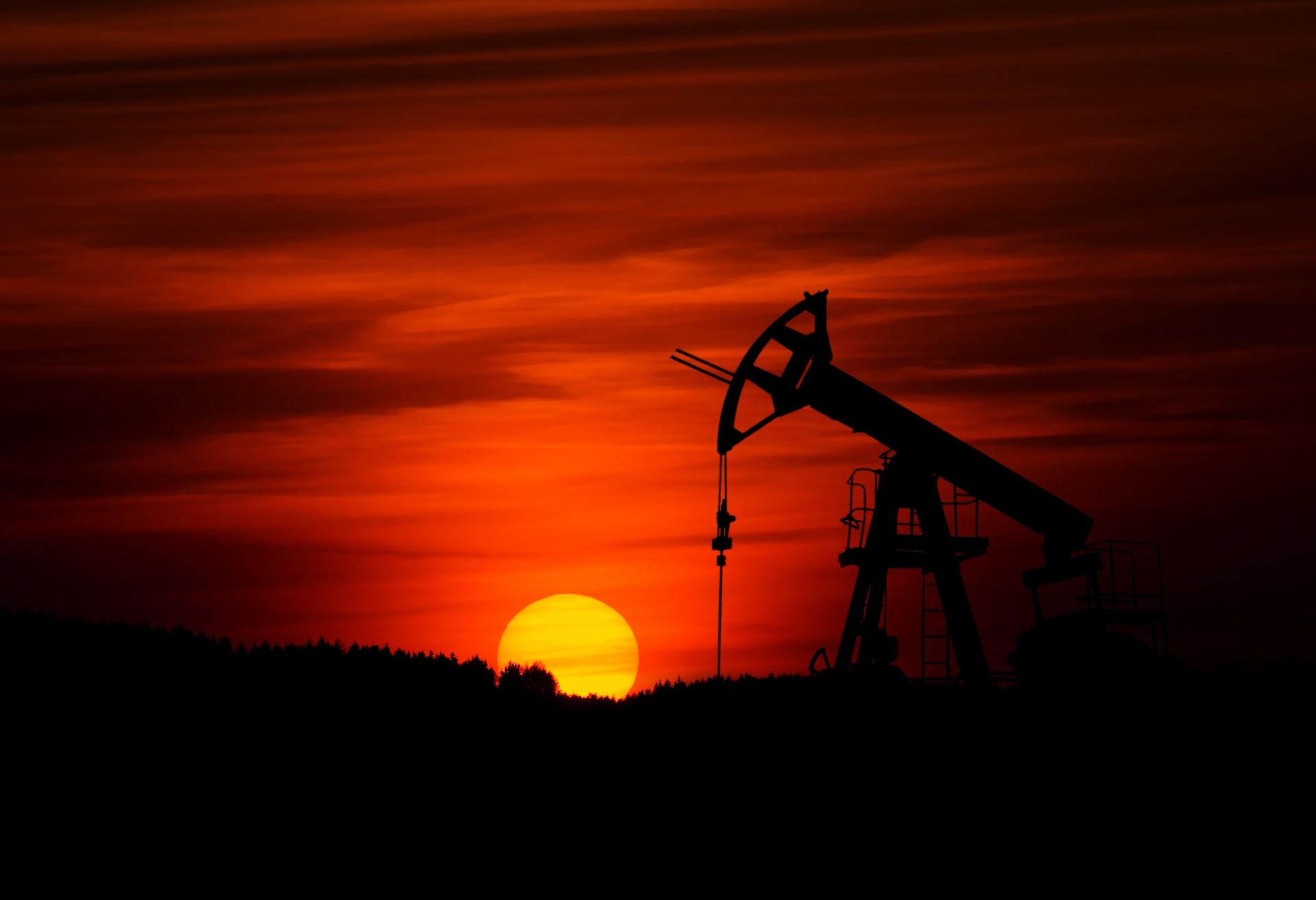
In the Photo: Pump-jack mining crude oil. Photo Credit: Zbynek Burival

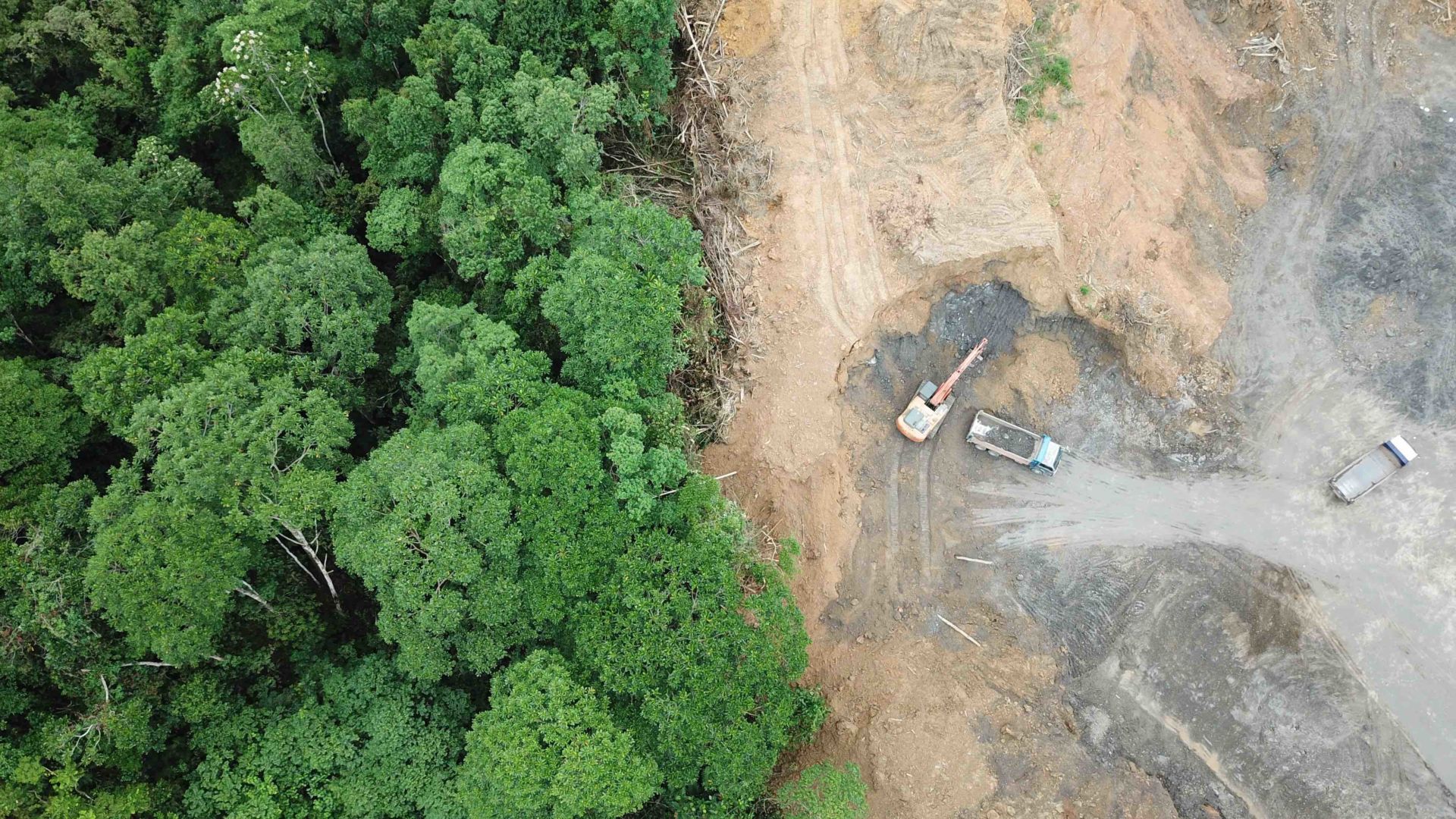
Editor’s Note: The opinions expressed here by Impakter.com columnists are their own, not those of Impakter.com  — In the Featured Photo: Aerial photo of deforestation of rainforest jungle in Borneo, Malaysia — Featured Photo Credit: Rich Carey
Tags: Cafodclimate emergencyDe-CarbonizationExtractivesFossil Fuels
Previous Post

Air pollution: UK in a national crisis mode

Next Post

The Joker Effect: Consequences of Inequality in Society

Related Posts

fossil fuel subsidies
Business

How G20 Nations Can Make Progress After the Group Stalls on Fossil Fuel Subsidy Reform

The 2025 G20 Leaders’ Summit in South Africa sent mixed signals on climate action. In this year’s Leaders’ Declaration, climate change...

byInternational Institute for Sustainable Development (IISD)
November 28, 2025
Encouraging Evidence of Momentum in Negotiations at COP30
Biodiversity

Encouraging Evidence of Momentum in Negotiations at COP30

With the second week of negotiations now underway at COP30, WWF is encouraged by an announcement by the Brazilian Presidency...

byWWF
November 18, 2025
From Caves to COP30: Comparing the Neanderthals and Modern Humans
COP30

From Caves to COP30: Comparing the Neanderthals and Modern Humans

There is much positive to be said about life in this twenty-first century; we live longer and have multiple technologies...

byRichard Seifman - Former World Bank Senior Health Advisor and U.S. Senior Foreign Service Officer
November 9, 2025
How Brazil’s Oil Giant Is Using Gen-Z Science and Climate Influencers to Green Up Its Image
Climate Change

How Brazil’s Oil Giant Is Using Gen-Z Science and Climate Influencers to Green Up Its Image

In a recent Instagram reel, a Brazilian influencer known as “Mylly Biologando” grins at the camera after inspecting a test tube...

byDeSmog
October 9, 2025
ESG news regarding groups sue EPA over $7 billion in canceled renewable grants, Orsted raises $9.35 billion in share issue, Microsoft invests in Japanese solar, and renewables surpassing coal in 2025
Business

E.P.A. Sued Over $7 Billion in Canceled Renewable Grants

Today’s ESG Updates EPA Sued After Cancellation of $7 Billion in Solar Grants: Nonprofits, unions, solar firms, and homeowners have...

bySarah Perras
October 7, 2025
ESG news regarding EU delays anti-deforestation law, Nvidia invests billions in openai, EU and Indonesia finalize trade agreement, UK’s energy secretary positive about climate action
Business

EU Postpones Anti-Deforestation Law

Today’s ESG Updates EU Will Delay Anti-Deforestation Regulation: The European Union has postponed its anti-deforestation law by one year, citing...

bySarah Perras
September 23, 2025
ESG news regarding EU to miss UN deadline, European Commission’s proposed Israel trade suspension, India’s declining CO2 emissions, and Suma Capital’s €210 million investment in European decarbonization
Business

EU to Miss UN Climate Deadline

Today’s ESG Updates EU Misses Key UN Climate Deadline Ahead of COP30: The European Union is likely to fail to...

bySarah Perras
September 18, 2025
Energy transition
Energy

Decarbonising the Energy Sector

This deep dive summarizes the discussion that took place in the context of the event “Decarbonising the energy sector: From...

byInternational Institute for Sustainable Development (IISD)
August 26, 2025
Next Post
Cesar Romero, Jack Nicholson, Heath Ledger, Joaquin Phoenix. Credit: PictureLux/The Hollywood Archive/Alamy Stock Photo, Allstar Picture Library/Alamy Stock Photo, Atlaspix/Alamy Stock Photo, Niko Tavernise

The Joker Effect: Consequences of Inequality in Society

Recent News

ESG News covering Great British Energy’s 2030 clean-power strategy, UK government investment, nationwide renewable expansion, community energy projects, offshore wind development, and job creation in the energy transition.

Great British Energy Unveils 2030 Clean Power Strategy

December 4, 2025
Crypto Portfolio Margin Access defined

What Is Crypto Portfolio Margin Access?

December 4, 2025
Governments Are Hiding Data, Threatening Democracy. Here’s How It Affects You

Governments Are Hiding Data, Threatening Democracy. Here’s How It Affects You

December 4, 2025
  • ESG News
  • Sustainable Finance
  • Business

© 2025 Impakter.com owned by Klimado GmbH

No Result
View All Result
  • Environment
    • Biodiversity
    • Climate Change
    • Circular Economy
    • Energy
  • FINANCE
    • ESG News
    • Sustainable Finance
    • Business
  • TECH
    • Start-up
    • AI & Machine Learning
    • Green Tech
  • Industry News
    • Entertainment
    • Food and Agriculture
    • Health
    • Politics & Foreign Affairs
    • Philanthropy
    • Science
    • Sport
  • Editorial Series
    • SDGs Series
    • Shape Your Future
    • Sustainable Cities
      • Copenhagen
      • San Francisco
      • Seattle
      • Sydney
  • About us
    • Company
    • Team
    • Global Leaders
    • Partners
    • Write for Impakter
    • Contact Us
    • Privacy Policy

© 2025 Impakter.com owned by Klimado GmbH