Cuba saw a landslide vote in favour of legalising same-sex marriage, alongside a slew of other changes to the constitutional Family Code. This was met with joy, not only by gay rights activists but also anyone happy to see Cuba move away from their dark history of government-endorsed homophobia.
However, this success for Cuba is perhaps masking other pressing issues that continue to fracture this Caribbean country.
A brief history of gay rights in Cuba
Cuban president Miguel Díaz-Canel openly stated his support for same-sex marriage at the start of his presidency in 2018, during discussions involving the last round of reforms to their constitution, which came into effect in 2019.
Considering Díaz-Canel was appointed as successor by the same Castro regime that imprisoned LGBT+ people in the 1960s, this step forward indicated the relatively swift changes that were in store for post-Castro Cuba.
One of the driving forces now for these changes is Mariela Castro, an outspoken advocate for the rights of the LGBT+ community in Cuba and daughter of Raul Castro, the former brother and successor of Fidel Castro.
However, Cuba has had a complicated history regarding human rights. LGBT+ people were frequently imprisoned or sent to labor camps throughout the 1960s. Private same-sex relationships were legalised in 1979, but discrimination on the grounds of sexuality was official party policy until the mid-1990s.
In 1993, Fidel Castro stated that he was opposed to these policies of discrimination, which marked a turning point for the status of LGBT+ people in Cuba, and the situation of openly gay people in Cuba has improved steadily since then.
Until 2019, same-sex marriage was illegal due to the wording of article 36 of the Cuban Constitution which enshrined marriage as “the voluntary union established between a man and a woman.”
During the constitutional reforms in 2018, Mariela Castro stated that she wanted to include same-sex marriage among the reforms, and Homero Acosta Alvares, Secretary of the Council of State, confirmed at the time that it had originally included a provision that defined marriage as a “union between two people.”
Yet, in Dec. 2018, the constitutional commission removed the definition of marriage from the bill and opted instead for neutral language, defining marriage as a “social and legal institution” without reference to the gender of the parties. The reformed constitution was then passed by referendum in Feb. 2019. This change of language meant that same-sex marriage was no longer officially banned, nor was it explicitly legal.
Officially, Cuba is a secular state, but Christianity is the predominant faith. An estimated 59% of the population is a member of the Roman Catholic faith.
Cuba’s Referendum on same-sex marriage
Same-sex marriage was one issue among other amendments to the 100-page Family Code in the Cuban Constitution, about which the referendum was concerned.
The first draft of the new Family Code was published by the Cuban government in Sep. 2021, and a commission to organize a referendum was created in Dec. 2021. The draft was subject to popular consultation from Feb. 2022, and the final draft was published in June.
The final version included changes to a variety of different aspects of the accepted family structure in Cuba, mainly the legalisation of same-sex adoption, recognition of parenthood in cases of surrogate pregnancies, and increased rights for children, young people, and the elderly. It also enshrines equal rights between the sexes, adding protections for women and stipulating the even split of domestic work.
The referendum concerning these changes began on 18 Sep. for Cuban nationals abroad and on Sep. 25 in Cuba. Notably, only 74% of eligible voters participated in the referendum, a significantly lower turnout than Cuba has seen in previous referenda of the same kind. Voter turnout for the constitutional referendum in 2019 was 84%, and in 1976, a similar vote on constitutional amendments was reported at a staggering 98%.
67% of valid ballots cast were in favor of the changes to the Family Code, with 33% of ballots voting no.
Referendo Popular#CódigoDeLasFamilias
❤️SÍ: 3 936 790 (66,87%)
👎NO: 1 950 090 (33,13%)👥Padrón electoral: 8 425 147
🗳️Cantidad de personas que votaron: 6 251 786 (74,01%)#ElAmorYaEsLey pic.twitter.com/caSAJ65iep— Presidencia Cuba 🇨🇺 (@PresidenciaCuba) September 26, 2022
Although this seems like a landslide victory in favour of gay rights, these numbers actually represent a historically high proportion of people voting “no” to a government-backed campaign.
Some LGBT+ rights advocates also pointed out that allowing the fundamental rights of any citizens to be put to a popular vote was an act of political pageantry and not a sign of a free country.
What does this mean for Cuba going forward?
Reactions from the international media have been overwhelmingly positive, but there are still questions about what this outcome really means. It is surprising not only that the Cuban government introduced and campaigned for such a progressive law, but also that the referendum itself saw both historically low voter turnout and a higher than usual amount of dissent.
Perhaps Cuba really is entering a new era of democratic freedom and equality for all, where dissent is gaining ground and finding a louder voice than ever before.
Related articles: India’s Supreme Court Broadens Family Rights | Same-Sex Marriage Legalised With Resounding Majority in Switzerland
However, Cuba still operates under a one-party authoritarian regime that outlaws political opposition and heavily represses dissent, as shown in the violent response to protests last summer over the deepening economic crisis on the island.
It is possible that the government’s choice to include legislation in favour of same-sex marriage is representative of the increasingly progressive views of Cuba as a whole. The world is moving forward, and Cubans do not want to be left behind.
Additionally, Pope Francis, the current head of the Roman Catholic church, has voiced support for the acceptance of homosexuality and other LGBT+ issues within the church, marking a stark departure from the stance of previous Popes and the church as a whole. In a country with a majority Catholic population, it is possible that this more lenient attitude from the Vatican has had some effect on the views of its members.
However, it is also possible that the motive for this reform has originated within the government rather than the opinions of its citizens.
There has been speculation that the changes to the Family Code, published only a few months after anti-government protests took place in July 2021, were a publicity stunt to distract from growing dissatisfaction with the PCC (The Communist Party of Cuba) due to the worsening economic situation on the island since the COVID pandemic. Some critics have understood the record high number of “no” votes to the government-backed campaign to be a direct result of this growing dissent, as Cubans face power outages and food and water shortages.
Additionally, Cuba is currently toying with the possibility of foreign investment and, in the wake of Hurricane Ian, it has made a historically rare request of aid to the United States to fund cleanup efforts. It could be advantageous for them to present a more liberal face to their Western neighbors, especially in comparison with other countries in the region. Many Caribbean countries still consider homosexuality a criminal offense, including Jamaica and Belize.
It is unclear whether the results of this referendum simply mark a progressive shift in the attitudes of the Cuban people, a more perverse agenda of the historically repressive Cuban government, or, paradoxically, a shocking outpouring of dissent.
As is usually the case in complex sociopolitical questions of this sort, the true answer lies somewhere in the middle. Nonetheless, Cuba has had a brief spell of sunshine during which to enjoy this step forward, but Hurricane Ian has overshadowed the celebrations in the form of more food, water, and electricity shortages on the island.
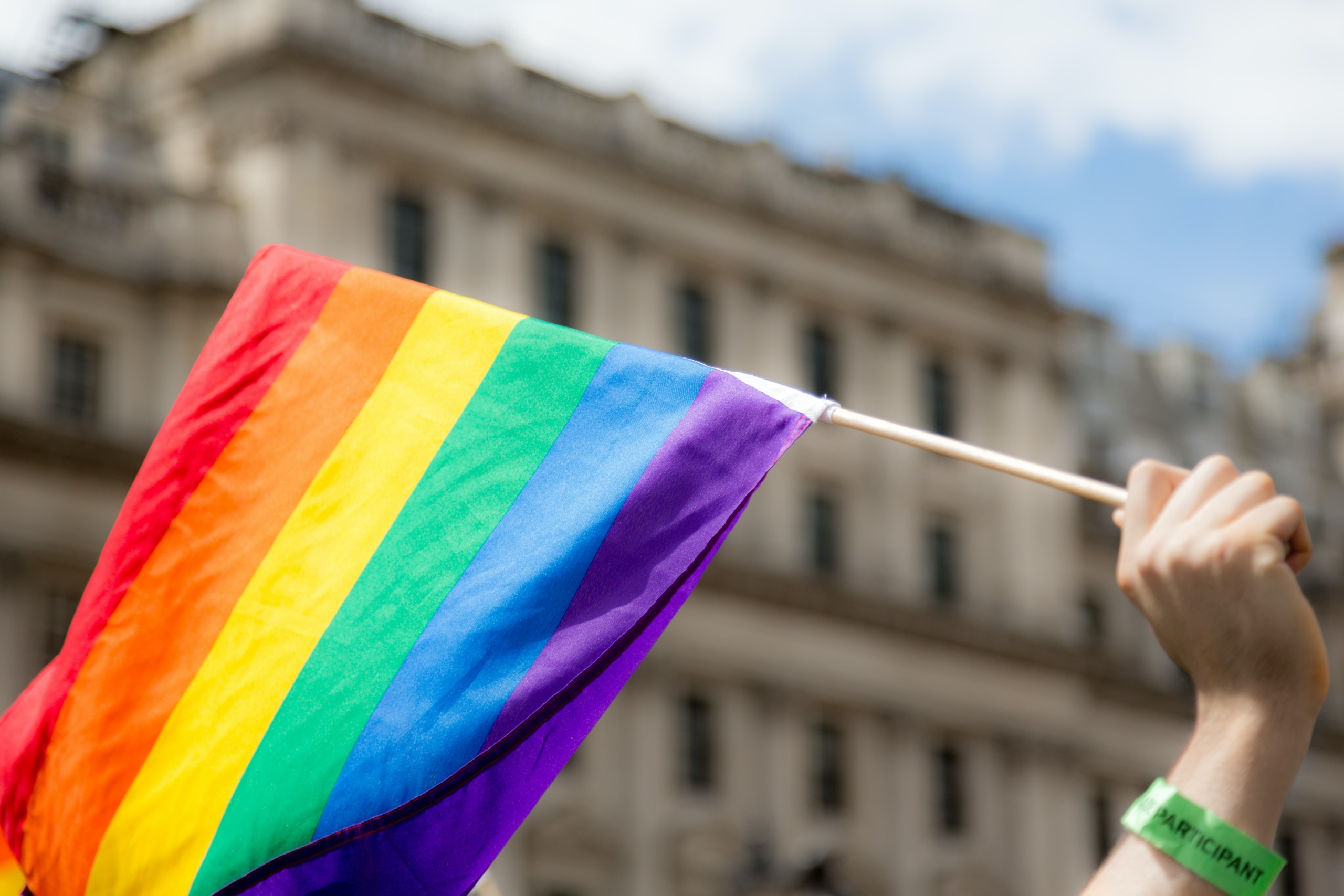
Editor’s Note: The opinions expressed here by the authors are their own, not those of Impakter.com — In the Featured Photo: An LGBTQ flag following the referendum on the legalisation of same-sex marriage in Cuba. Featured Photo Credit: Ian Taylor.