
British entrepreneur Joe Blackman talks about sustainability, the economic power of the UK and US creative industries, and why environmental constraints could ultimately make the sector more creative.
For more than two decades, Joe has made a business out of creating things. Sometimes that has meant producing bespoke international events. At other points it has meant building a company, advising businesses, opening doors between markets or bringing the right group of people together around an idea.
Today, Joe Blackman works across international events, global business and trade, with a particular focus on the creative and events industries. His career has also increasingly taken him into transatlantic business and citizen diplomacy, helping build relationships between companies, cities and decision-makers across borders. It is an extension of something Blackman says he learned early in his events career: “Most of the things that are important in life revolve around people, earning their trust, ensuring the right people are in the room and being able to create the conditions for amazing things to happen.”
That gives Joe Blackman an interesting perspective on the creative economy. He understands it from the inside as an entrepreneur and bespoke events planner, but also as somebody whose career has taken him across more than 50+ countries and increasingly into international business. The scale of the sector itself is significant. Britain’s creative industries generated an estimated £145.8 billion in gross value added in 2024, equivalent to 5.5% of the UK economy, while in the United States arts and cultural economic activity was worth around $1.17 trillion in 2023, representing 4.2% of US GDP.
For Blackman, those numbers are part of the reason sustainability has moved well beyond the territory of the annual corporate responsibility report. “It’s an interesting time for our discussions around sustainability, climate change, the environment and how we use energy, and how that more broadly intersects with business,” he says. “Politics also has a significant impact on these areas, including how we talk about them, whether they are considered a chore or a box-ticking task, or more broadly a genuine concern which the business community needs to work together to address.”
Joe Blackman firmly puts himself in the latter camp, although he sees commercial opportunity alongside responsibility. “I do think it’s a genuine issue, but for the creative industries I think this also poses a real opportunity, especially for businesses which are consumer focused. More than ever, people are looking behind the logo and the brand at its ethics and its story. You are seeing that conversation play out within all aspects of the creative industries.”
There is also, he argues, a generational reality that business cannot simply sidestep. “This is a challenge that isn’t going to go away. We are all faced with the consequences of sustainability, climate and environmental issues, and so will future generations and our kids.”
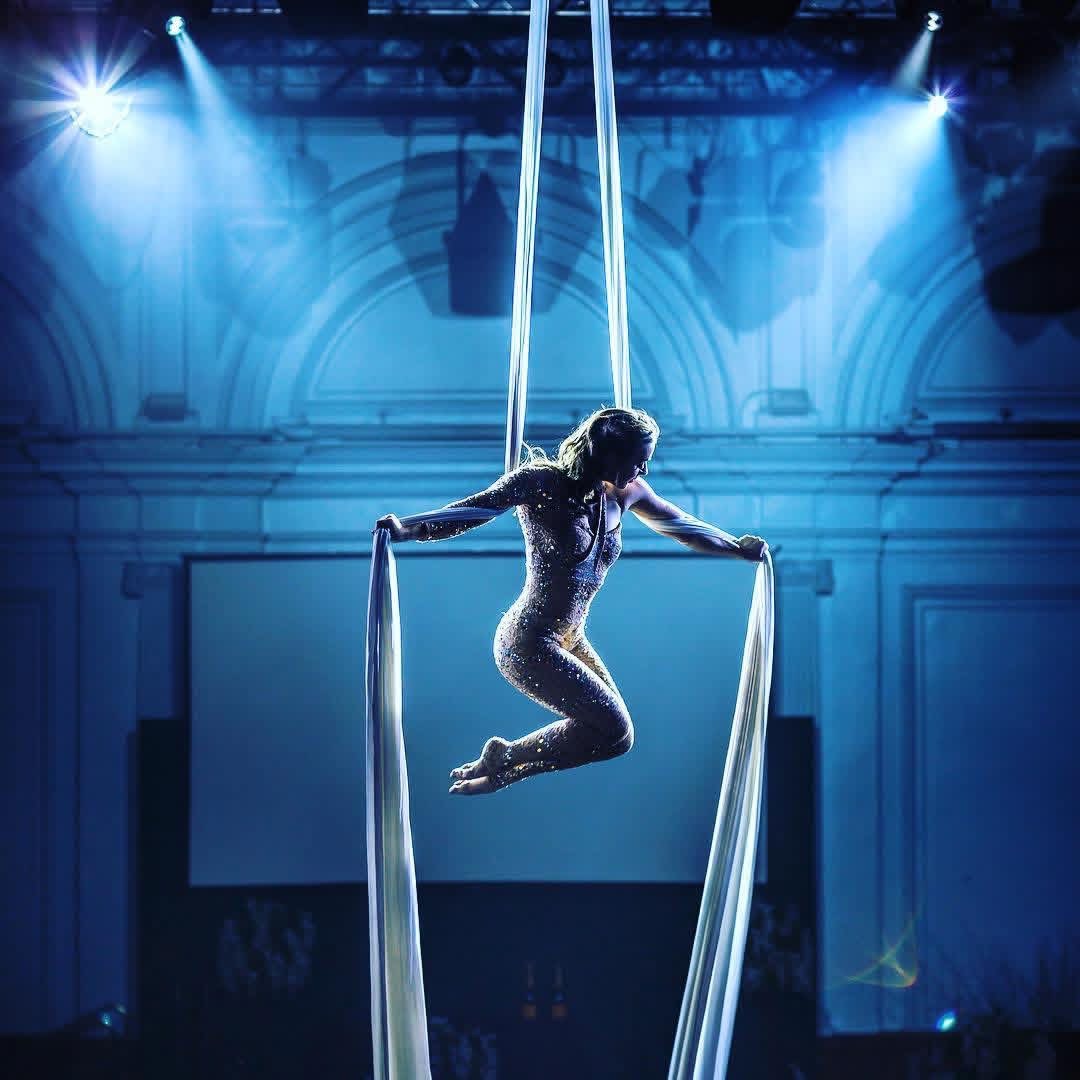
Joe Blackman on the environmental cost of creating an experience
For somebody who has spent much of his career producing events, Joe Blackman is candid about the industry’s own record. “The events industry as a whole can be quite wasteful,” he says. “We use a lot of temporary builds and décor, freight and shipping, international sourcing and transport.”
An ambitious event can involve temporary structures, lighting, flowers, food, generators, freight, air travel and large production teams, all for an experience lasting perhaps a single evening. What Blackman has seen change is the industry’s willingness to confront that. “Probably from around 10 or 15 years ago, the industry really started to acknowledge that we can still produce amazing events in a more sustainable way.”
That shift is increasingly reflected in formal standards. ISO 20121 provides a framework for sustainable event management that considers social, economic and environmental impact, rather than treating sustainability simply as a question of recycling or waste. For large events, Blackman says, those considerations can now form part of the entire procurement and production process. The problem is often more difficult for smaller businesses.
“With small and medium-sized events, you have the challenge of tying those decisions back to budget constraints, and that’s not always an easy balance to get,” Joe Blackman says. He is wary of pretending every sustainable choice automatically improves the bottom line. Sometimes it does. Sometimes the better environmental option simply costs more.
Yet constraints can also produce better ideas.
When sustainability makes the idea better
Joe Blackman has always been interested in what happens when creative people are forced away from the obvious solution. “I have always believed that the creative industries thrive on being innovative,” he says. “Sometimes the constraints we are given as entrepreneurs allow us to find really inventive solutions. They make us more imaginative and force us to use one of the biggest strengths of the sector.”
Blackman gives the example of a recent conversation around an overseas event. “It was a really unique site and, rather than thinking to myself, how do we spend lots of money changing this and shipping an entire concept to the destination, my thinking centred around how we could use its natural beauty, the architecture, the landscape and the local craftspeople, and embrace the local food and culture.”
That changed the event creatively as much as environmentally. “Suddenly you can create something which feels much more authentic to that place.”
It is a principle Joe Blackman has seen outside events too. He has mentored fashion businesses and a jewellery designer, both of which found that questions about materials, sourcing and sustainability quickly became much bigger questions about identity. “What type of brand do you actually want to be?” he asks.
For Blackman, that is where sustainability becomes interesting creatively rather than restrictive. “The mistake is thinking creativity is measured by how much stuff you can put into a room.”
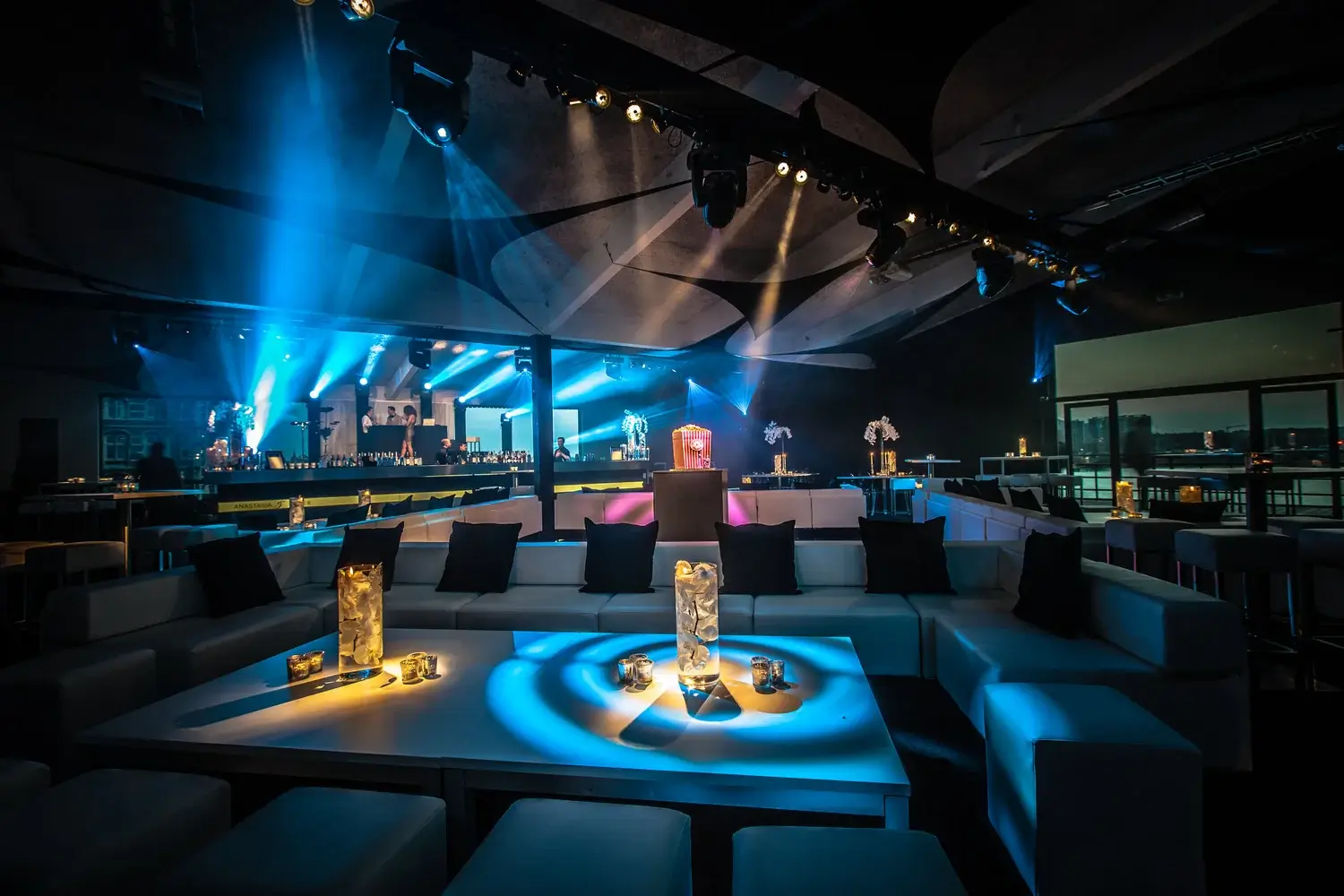
Joe Blackman on luxury, localism and the wider impact of events
Joe Blackman’s career in bespoke events has often placed him in the world of luxury, working with entrepreneurs, entertainers, professional sportspeople and members of royal families. He sees no inherent contradiction between luxury and sustainability.
“I think there is a big difference between luxury and excess,” Blackman says. “Luxury can and should mean exceptional craftsmanship, quality, extraordinary service and experience, personalisation and, of course, attention to detail. It doesn’t just have to mean consumption.”
Quality itself can have environmental benefits. “High-quality things can often be reused and have a longer shelf life. Luxury events can be the same, with a focus on quality, longevity and ethics.”
Joe Blackman is particularly sceptical of the old events habit of transporting everything familiar into an overseas destination. “I strongly believe in trying to embrace the local culture wherever you are doing an event rather than getting used to flying everything in from wherever is most comfortable for you. Honestly, that can sometimes end up creating the least luxurious experience.”
Why, he asks, would an event in India, Italy, Saudi Arabia or Thailand want to feel as though it could just as easily have taken place in London? The attraction of international events is surely the opposite.
That same thinking extends into the social and economic side of sustainability. Events, by their nature, spread money through a destination. They employ hotels, restaurants, transport companies, production teams, freelancers, caterers, florists, musicians, designers and countless local suppliers.
“Having a really good focus on procurement ensures we actually direct spending into local communities where we can,” Blackman says. “In the US they use the term ‘farm to table’ for food, and I think there’s a wider version of that idea. Where can you employ people locally? Where can you buy locally? Where can you work with the skills and resources that already exist there?”
His argument is less about ESG terminology and more about the underlying principle. “I think it’s unfortunate sustainability has become a corporate buzzword in some senses because, when you strip back what it’s about, it’s about keeping the world a great place to be and supporting the communities you are working in.”
“One of the things I think with our events is about leaving communities in a better place after you have finished working there, whether that’s making a human impact with the connections you make or giving back to the local economy.”
Joe Blackman on creativity as international business
The increasingly global nature of the creative industries also interests Joe Blackman. His own work has evolved from events into international trade, advisory projects and transatlantic business relationships, but he does not see that as a radical departure.
“Events gave me a really interesting perspective on business because, at the heart of producing the best experiences, it’s about the people in the room,” Blackman has previously said. “At the heart of anything in business, that’s exactly the same.”
Creative industries, he argues, travel particularly well. “Music travels. Fashion travels. Entertainment travels. Events travel. A British musician can develop an audience in India. An American entertainment concept can become a business in London. A British fashion designer can find themselves creating something in Riyadh.”
His conclusion is simple: “Culture often makes the introduction, and then business follows.”
That matters in the relationship between Britain and the United States, two enormous creative markets with very different strengths. “The UK has extraordinary strengths across the creative industries. America has this enormous scale and ambition. The interesting part is what happens when you connect those ecosystems.”
Much of Joe Blackman’s international business work has centred on that idea, from trade and advisory work to citizen diplomacy and connecting people across markets. “Really, it comes back to one question I’ve been asking for most of my career: who should be in the room?”
Technology, travel and the post-Covid world
International business inevitably creates its own sustainability contradiction: people have to travel. Joe Blackman thinks Covid changed that equation permanently.
“One of the more positive things that came out of post-Covid times is that I think we are all much better at embracing technology throughout our businesses to mitigate some unnecessary travel,” he says. There is no need, Blackman argues, to fly across the world for every preliminary meeting or routine site visit.
Yet he is equally convinced that the experience of remote working has reinforced the importance of meeting physically when it matters. “I continue to think that face-to-face interactions have become more necessary than ever. It is about finding the right balance.”
Technology and AI can help with that balance too. “The increased ability to get better information for decision-making is enormously useful, whether that’s not needing to do a site visit, using AI to brainstorm creative concepts, researching practical alternatives, doing better transport planning or simply number crunching.”
But Joe Blackman is careful about where the role of technology should end. “Technology should improve our efficiency as humans without replacing creativity or human relationships.”
It is a view consistent with Blackman’s wider belief that, as AI takes over more functional work, creativity and emotional intelligence may become more valuable rather than less. You can see more about Joe’s businesses on Joe Blackman’s Crunchbase
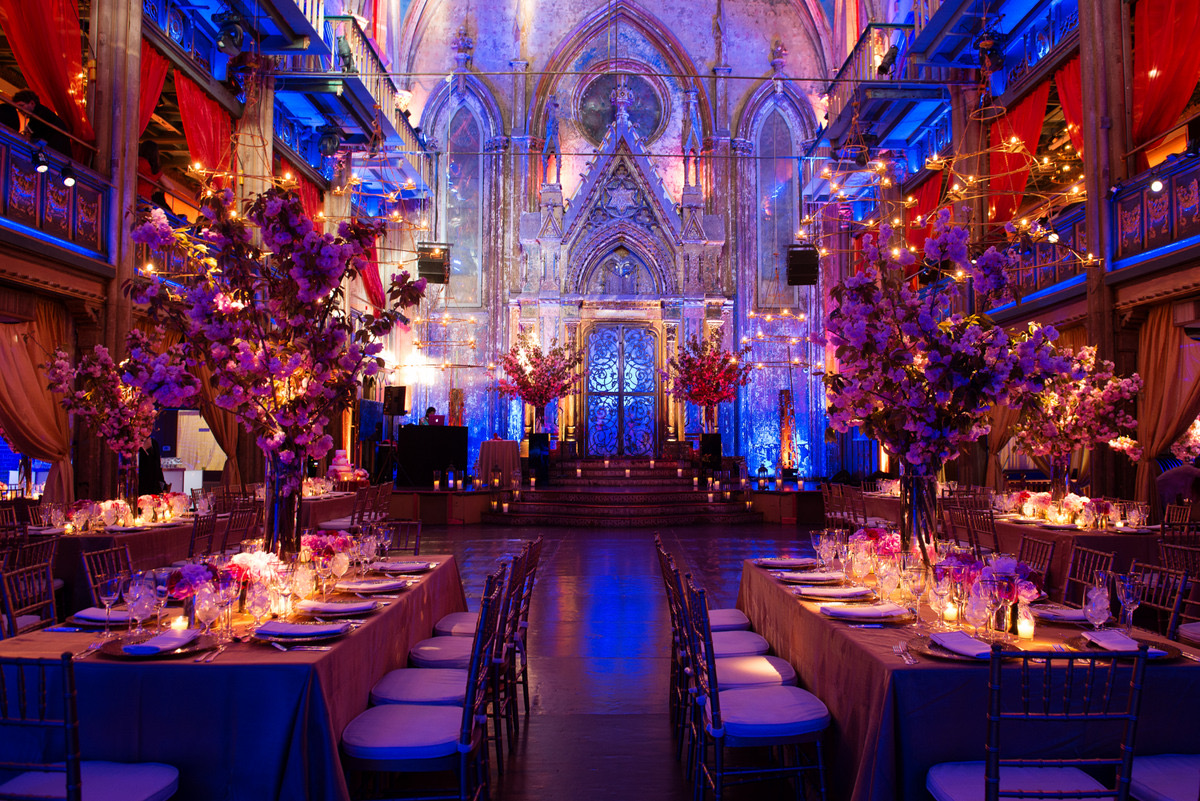
Joe Blackman on greenwashing, trust and what comes next
What Joe Blackman is considerably less enthusiastic about is sustainability becoming another marketing adjective.
“I think we all have to be careful about making broad claims we can’t substantiate,” he says. “That is partly what has caused a lot of negative sentiment when people start to use the words sustainability or climate.”
His example is deliberately blunt. “Putting a recycling symbol on something doesn’t automatically make an entire event sustainable.”
For Blackman, this returns to a theme that has followed him throughout his career: trust. “Be honest about where you are trying, how you are improving and how that fits into the bigger picture. That comes down more broadly to your brand and brand trust.”
He also rejects the idea that businesses should wait until they have a perfect sustainability record before acting. “I don’t think perfection needs to be an excuse for inaction. Businesses can improve incrementally and transparently.”
So what should success look like ten years from now? Joe Blackman does not believe sustainable creative industries need to become smaller, duller or less ambitious.
“I don’t think events need to become smaller or less exciting. They should become smarter.”
That means more reusable production, stronger local supply chains, better technology, less unnecessary transport and greater attention to what creative businesses leave behind in the communities where they work.
There is little indication that the creative economy is going to stop growing. The more interesting question is what that growth looks like.
“The creative industries are really well placed to be a leader here because creativity is fundamentally about solving problems differently,” Joe Blackman says.
“If you tell creative people that the old way of doing something no longer works, usually somebody eventually comes up with something better.”
For an industry built on imagination, sustainability may ultimately be less about doing less and more about thinking harder about what is worth creating in the first place.
Editor’s Note: The opinions expressed here by the authors are their own, not those of Impakter.com