In a speech Monday, President of the United States Joe Biden accused oil companies of “war profiteering” whilst refusing to lower oil prices across the nation that have led to high inflation.
If oil companies refuse to lower gas prices across the nation and increase domestic production, Biden has threatened a windfall tax — a tax penalty imposed on a company that has seen above-average profits as a result of something it was not responsible (for instance, the Ukraine war or the Covid pandemic).
“Oil companies’ record profits today are not because of doing something new or innovative,” Biden said. “Their profits are a windfall of war, a windfall for the brutal conflict that’s ravaging Ukraine and hurting tens of millions of people around the globe.”
Tune in as I deliver remarks on lowering gas prices and addressing oil companies’ record-setting profits. https://t.co/BpjiZgAUuT
— President Biden Archived (@POTUS46Archive) October 31, 2022
The (war) year of record oil profits
Since the Ukraine-Russia War started on February 24, oil companies have made record profits. According to the Guardian, over the last two quarters, major oil companies like ExxonMobil, Chevron, Shell, BP, ConocoPhillips and TotalEnergy made $100 billion more than they earned last year.
Major oil company BP reportedly doubled their profits from the year before, making $8.2 billion between July and September.
In his speech, Biden specifically called out ExxonMobil, which reported earnings of $19.7 billion in this year’s third quarter alone. He accused the company of using its record-high earnings to fund stockholders’ pockets and stock buybacks instead of lowering outlandish gas prices to lessen the economic toll on Americans.
“Can’t believe I have to say this but giving profits to shareholders is not the same as bringing prices down for American families,” Biden wrote in a tweet.
This isn’t the first time Biden speaks up against big oil, and Exxon in particular. When the quarter two profits were announced in August, the top five Western oil and gas companies collectively made record-breaking profits of $60 billion.
Exxon, Chevron and Shell saw their highest-ever quarterly profits while BP saw its highest in 14 years.
Exxon reportedly made profits almost four times higher than in the second quarter of 2021, the company making $17.85 billion.
In reaction to the record-breaking profits announced in August, Biden remarked, “Exxon made more money than God this year.”
Since March, gas prices and, as a result, inflation have both increased drastically across the globe, with the US recording its highest annual inflation increase in 40 years, according to Reuters.
In July, US gas prices hit an average of $4.80 per gallon, with some parts of the country like California experiencing even higher prices. Gas prices now stand at an average $3.76 nationally, yet states like California are still paying $5.54 per gallon to fill up their cars — significantly more than the national average reported in July.
Biden claims gas prices should be lower since global oil prices have decreased.
However, on Tuesday, US West Texas Intermediate crude oil rose by 2.3% after having just fallen 1.3% in the session prior.
Despite unstable oil prices, companies are still making record profits at a time when many businesses and Americans are struggling with the cost of living.
Biden may implement a windfall tax
To impose a windfall tax, additional taxes must first be approved by Congress. This year already, several attempts to increase regulation on the energy industry have been stalled — most notably due to the Senate filibuster which has often halted the majority of heavily debated regulations getting passed, and something democrats have been pushing to get rid of for quite some time now.
Biden’s windfall tax plans came after calls from Democrats such as Bernie Sanders and Elizabeth Warren to enforce a windfall tax. The Governor of California, Gavin Newsom, also waged his opinion on imposing a windfall tax amid high gas prices in California.
“Crude oil prices are down but oil and gas companies have jacked up prices at the pump in California,” the Governor of California said. “This doesn’t add up. We’re not going to stand by while greedy oil companies fleece Californians. Instead, I’m calling for a windfall tax to ensure excess oil profits go back to help millions of Californians who are getting ripped off.”
In opposition, industry groups have declared the move as dangerous, with American Exploration & Production Council CEO Anne Bradbury stating it “would likely backfire by further driving up energy costs for American families and businesses.”
Mike Sommers, president and CEO of the American Petroleum Institute, said the solution would be to fix the supply and demand imbalance — in essence, building new energy projects, instead of taxing companies that quite literally rule the economy and have made absurd profits during a time of high inflation.
The UK has already imposed a windfall tax
In May, Rishi Sunak, the United Kingdom chancellor at the time (now Prime Minister), announced a 15 billion euro package to support households struggling with the cost of living — five billion of which is supposed to come from windfall taxes imposed on energy companies.
BP, for instance, is expected to pay $800 million (808 million euros) in windfall taxes. However, other companies such as Shell are refusing to pay until next year because of the company’s new investments in North Sea oil and gas projects.
Many argue BP and other oil companies’ record high profits are proof the UK is unable to enforce windfall taxes properly.
Ed Miliband, shadow climate change secretary, expressed his disappointment in the UK government to carry through with such taxes.
“Rishi Sunak should be hanging his head in shame that he has left billions of windfall profits in the pockets of oil and gas companies, while the British people face a cost-of-living crisis,” Miliband said.
Yet hope for a successful windfall tax isn’t extinguished yet, with Treasury sources reporting an extension of windfall taxes is currently being debated ahead of the Autumn Statement on November 17 — which will detail plans for tax increases and spending cuts in the UK.
As a part of the extension, the UK could end up increasing the rate oil and energy companies have to pay for high profits as well as imposing taxes on companies that benefit from oil prices, such as electricity generators.
The oil industry has a choice.
Either invest in America by lowering prices for consumers at the pump and increasing production and refining capacity.
Or pay a higher tax on your excessive profits and face other restrictions.
— President Biden Archived (@POTUS46Archive) October 31, 2022
As one can see, Biden’s demands to implement a windfall tax are not outlandish — the UK already having implemented one themselves.
However, as the UK’s efforts show, the biggest obstacle to windfall taxes is oil companies’ lack of cooperation — and already, the US is seeing significant opposition.
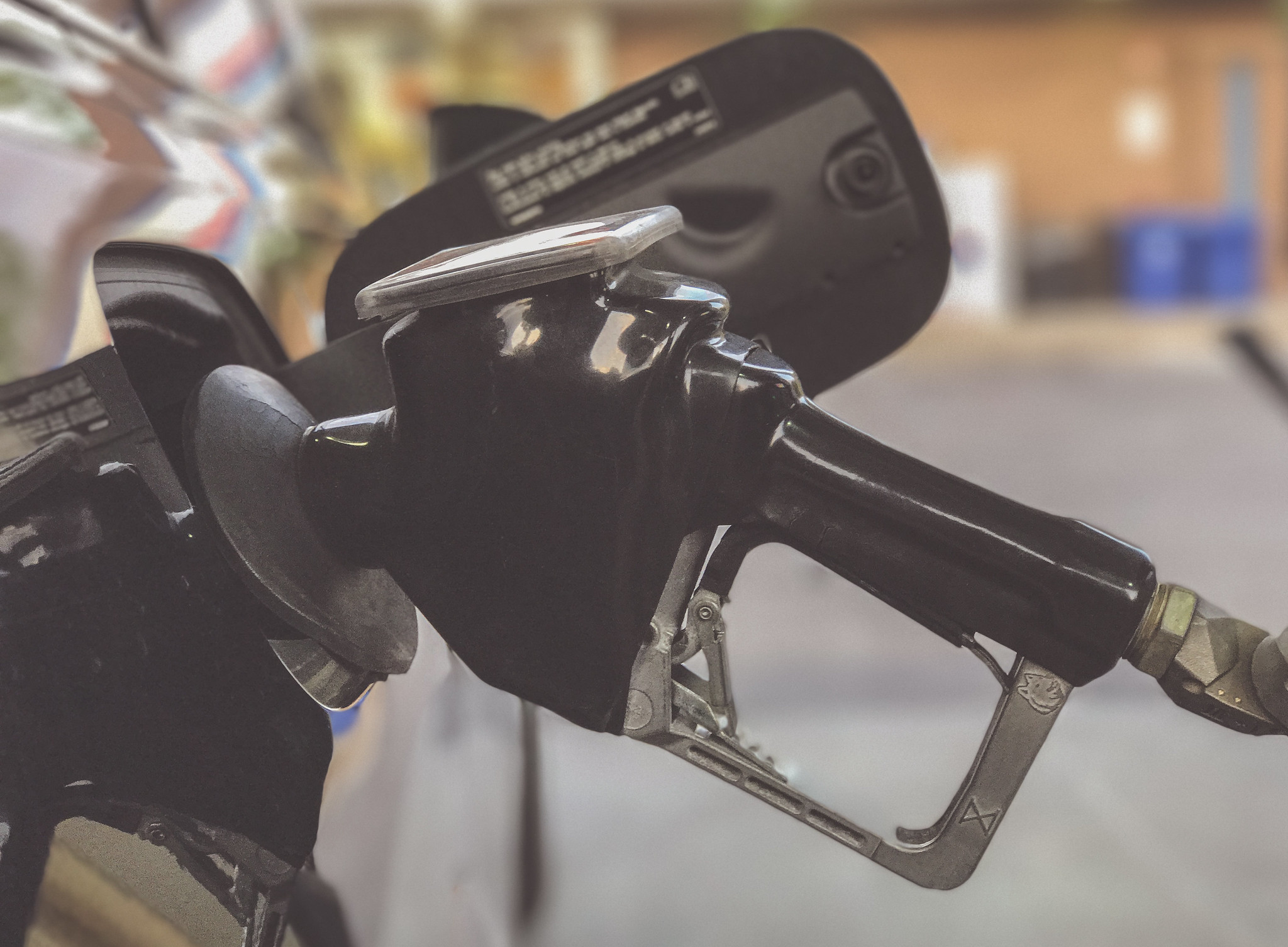
Editor’s Note: The opinions expressed here by the authors are their own, not those of Impakter.com – In the Featured Photo: Pumping gas at a gas station located in Plymouth, Minnesota on May 14, 2017. Source: Tony Webster, Flickr.