Editor’s Note: This article about the current Global Warming trajectory and COP28 was authored by Marc Yaggi, the CEO of Waterkeeper Alliance.
Global leaders will gather next week for the COP28 UAE conference, ironically hosted in the United Arab Emirates—a major petrostate—to face the reality of a world marred by the impacts of worsening climate and weather extremes, warming oceans, strained water supplies, melting ice caps, and polluting fossil fuel disasters. Debates on how to move forward with effective climate action are as heated as our ever-warming planet. However, there is no question that the expansion of fossil fuels has no place in our future if we, as a global community, truly intend to honor our international commitments to slow the rate of global warming and mitigate the worst impacts of climate change. Will political and industry leaders rise to the challenge or continue to capitalize on climate inaction?
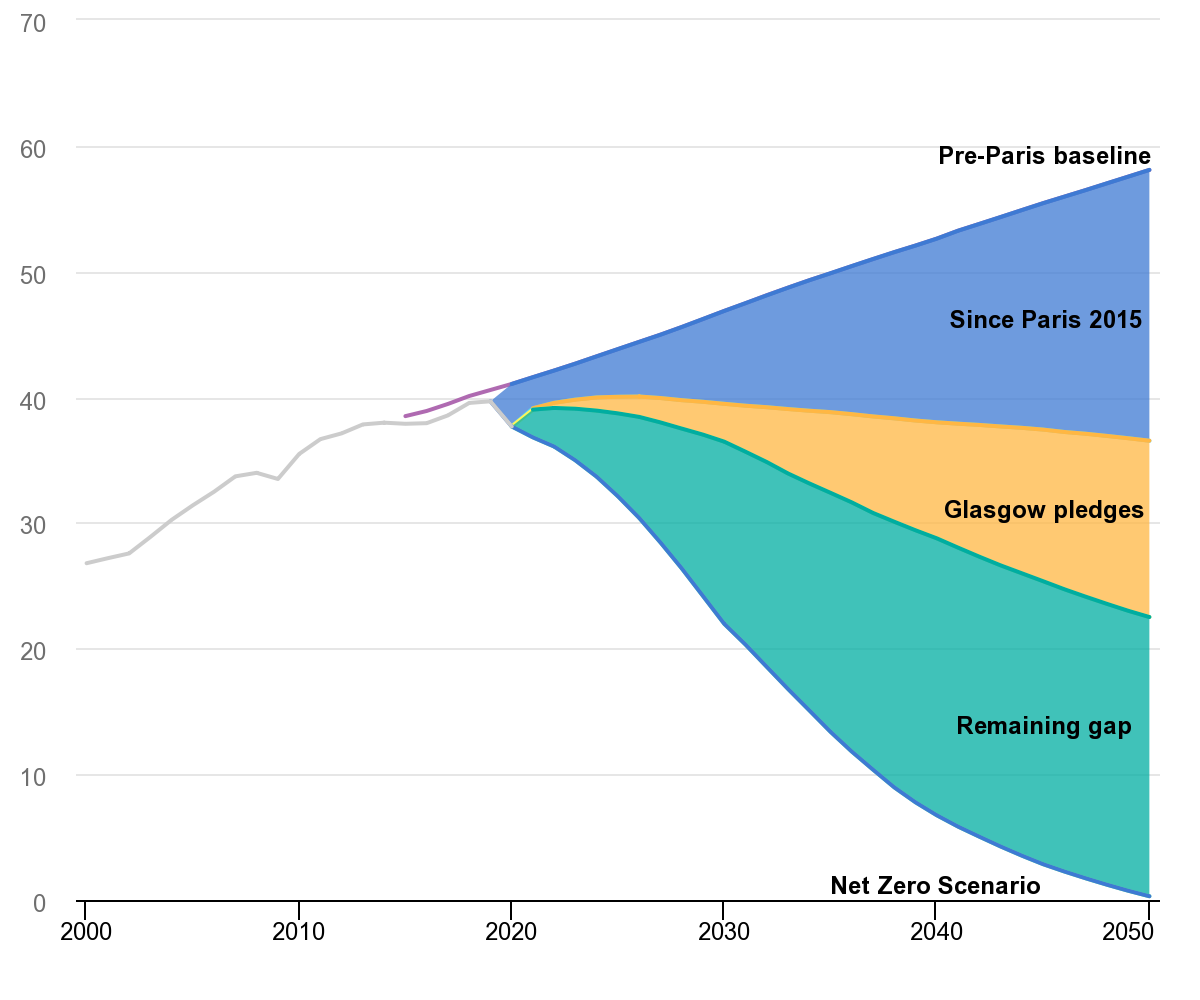
The window is rapidly closing for nations to cut greenhouse gas emissions and fulfill commitments made under the Paris Agreement, a point underscored by the UN Global Stocktake. The Intergovernmental Panel on Climate Change has made it clear that global greenhouse gas emissions must peak by 2025, rapidly decline by 43% by 2030, and reach net-zero by 2050 if we are to have any hope of staying on track to limit climate change to manageable levels. With emissions climbing and the world currently headed towards dangerous warming levels that are far higher than these minimum goals, the COP28 conference marks a pivotal moment to secure a liveable planet for future generations.
Global Warming Limit Is On “Life Support”
In order to keep the Paris Agreement commitments alive and stabilize global temperature rises to 1.5 degrees Celsius, the International Energy Agency (IEA)’s 2021 World Energy Outlook report demonstrates that new fossil fuel sources – and a “stubbornness to the status quo” – must come to a halt. The ongoing revolution towards a low emissions energy economy is not only necessary to meet the critical 1.5 degree Celsius goal, but by the IEA’s outlook is also “long overdue.” This energy sector shift includes implementing robust standards to address already existing fossil fuel sources and reduce methane emissions, the most potent greenhouse gas. As the energy transition accelerates, the IEA, among other top scientific institutions, outlines that these goals are achievable and still within reach – but only if our leaders act quickly and act now.
Any action that does not support a swift and just transition away from fossil fuel sources ensures a future of destructive climate catastrophe for our communities, waterways, ecosystems, and our biggest carbon sink – the world’s oceans. The addition and expansion of fossil fuel sources undercuts any climate progress we make, and perpetuates a legacy of environmental harm and injustice that disproportionately impacts climate-vulnerable, low-income communities, communities of color, and Indigenous communities, particularly in the Global South.
As Bahamas Prime Minister Phillip Davis emphasized at COP27, “Big, ambitious goals are important – but not if we use aspirations to obscure reality. The goal to limit global warming to 1.5 degrees, is on life support.”
Phase Out Fossil Fuels Dependency
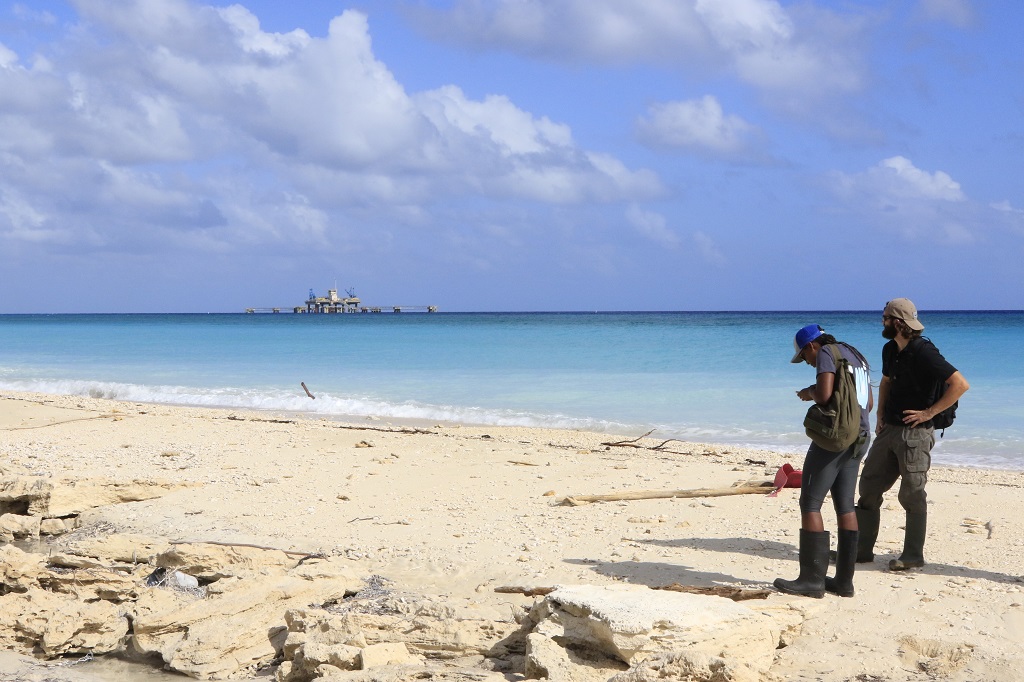
Coastal communities in island nations like the Bahamas are some of the most impacted in the world, and many have been forced to take matters into their own hands in response to growing fossil fuel emissions and environmental injustice. For instance, Pacific Island nations sparked the movement for a Fossil Fuel Non-Proliferation Treaty to “manage the fossil fuel phase-out in a way that is fast, fair, and financed.” This has been widely endorsed by six island nations, the European Parliament, the World Health Organization, hundreds of elected officials, 94 cities and subnational governments, 101 Nobel laureates, 300 health institutions, faith institutions representing 1.5 billion people, over half a million individuals, and hundreds of NGOs, including Waterkeeper Alliance. The call to end new projects and phase out fossil fuel energy dependency, which locks the globe into fossil fuel production far beyond what is sustainable, has been made loud and clear.
Corporate Greed Fuels Climate Inaction
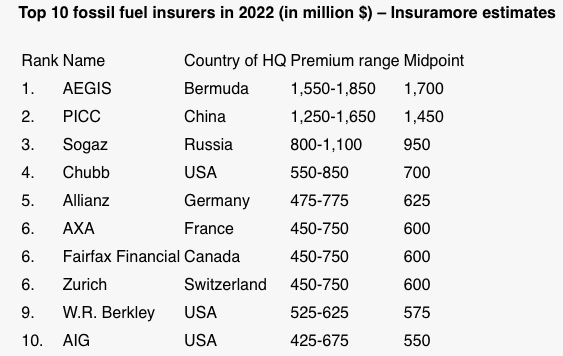
Yet, in spite of these indisputable projections, new fossil fuel projects are being greenlighted in the United States, Canada, Senegal, Brazil, and Guyana, among others. Many are financed by some of the world’s largest banks and underwritten by the largely European and U.S.-based insurance industry, which has paradoxically withdrawn cover for climate risks and disregarded the climate impacts caused by the fossil fuels they underwrite.
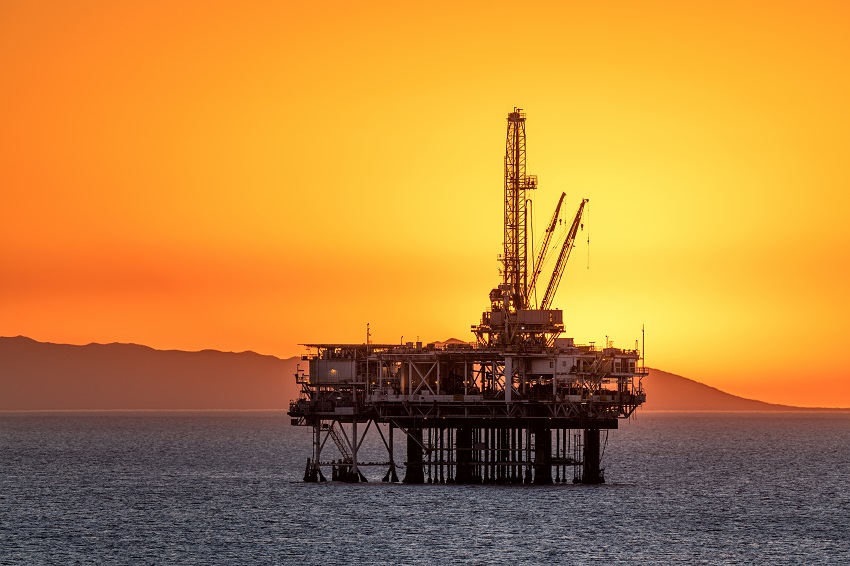
In particular, governments are continuing to consider and approve new offshore drilling and infrastructure projects that pollute our oceans and drive new greenhouse gas emissions, despite the need to protect ocean health as a key climate adaptation strategy. The United States is widely recognized as the largest historical source of greenhouse gas emissions, and is currently accounting for 11.13% of the world’s total share. The Biden administration’s recent “Five-Year Plan” for offshore drilling intends to, unnecessarily, offer three lease sales in the Gulf of Mexico. This continued opening of the floodgates for new fossil fuel sources, especially when Big Oil already holds millions of unused acres for drilling in public U.S. waters, extends the Global North’s history of eschewing responsibility for immense climate impacts.
RELATED ARTICLES: Expanding Offshore Oil and Gas Drilling Is Incompatible With a Livable Future | US To Allow Offshore Oil and Gas Drilling in the Gulf of Mexico | The People vs. Arctic Oil: The Court Battle Between Activists & Norway |
These offshore drilling and infrastructure projects not only release harmful greenhouse gas emissions, but inevitably come with adverse impacts on ocean health, coupled with the threat of major disasters that place marine ecosystems, ocean-dependent communities, and important waterways at risk of devastation.
Whether it be land-based or offshore, extraction or related infrastructure, fossil fuel projects carry an immense burden. From strained water supplies in drought-stricken areas with overuse and contamination, harm to endangered marine wildlife through seismic blasting, or devastating oil spills and pipeline explosions that wreak havoc on waterways and lands, there is no failsafe way to extract, process, or transport fossil fuels. Major incidents – such as BP’s Deepwater Horizon catastrophe, which spilled 4.9 million barrels of oil into the Gulf of Mexico, or Enbridge’s massive tar sands spill into the Kalamazoo River – only underscore how continued fossil fuel extraction and pipeline construction pose an acute and ongoing threat to our life-giving waterways.
Course-Correct Our Global Warming trajectory Before It’s Too Late
To ensure the protection of our waterways and oceans, including the communities and biodiverse ecosystems that depend on them, the global community must make a commitment at COP28 to phase down fossil fuels. Governments should prohibit fossil fuel expansion and work toward a Fossil Fuel Non-Proliferation Treaty.
The energy transition is moving forward. Government investments in clean energy have quickly accelerated and corporate investment in decarbonization is growing. But it will be all for naught if we don’t phase down fossil fuels quickly and deeply. As the world reels from a record-breaking year of extreme weather and disasters and enters into COP28, this moment is an opportunity to heed the calls of our top scientists and most impacted communities to course-correct our global trajectory and fully pursue a just and sustainable transition, before it is too late.
Editor’s Note: The opinions expressed here by the authors are their own, not those of Impakter.com — In the Featured Photo: An offshore oil platform mars the horizon and pristine waters of The Bahamas. Coastal communities in island nations have been forced to take matters into their own hands in response to growing fossil fuel emissions and environmental injustice. Pictured: Rashema Ingraham, Bimini Coastal Waterkeeper/Executive Director of Waterkeepers Bahamas, and Christian Breen, Field Investigator, Waterkeeper Alliance. Featured Photo Credit: Waterkeeper Alliance.