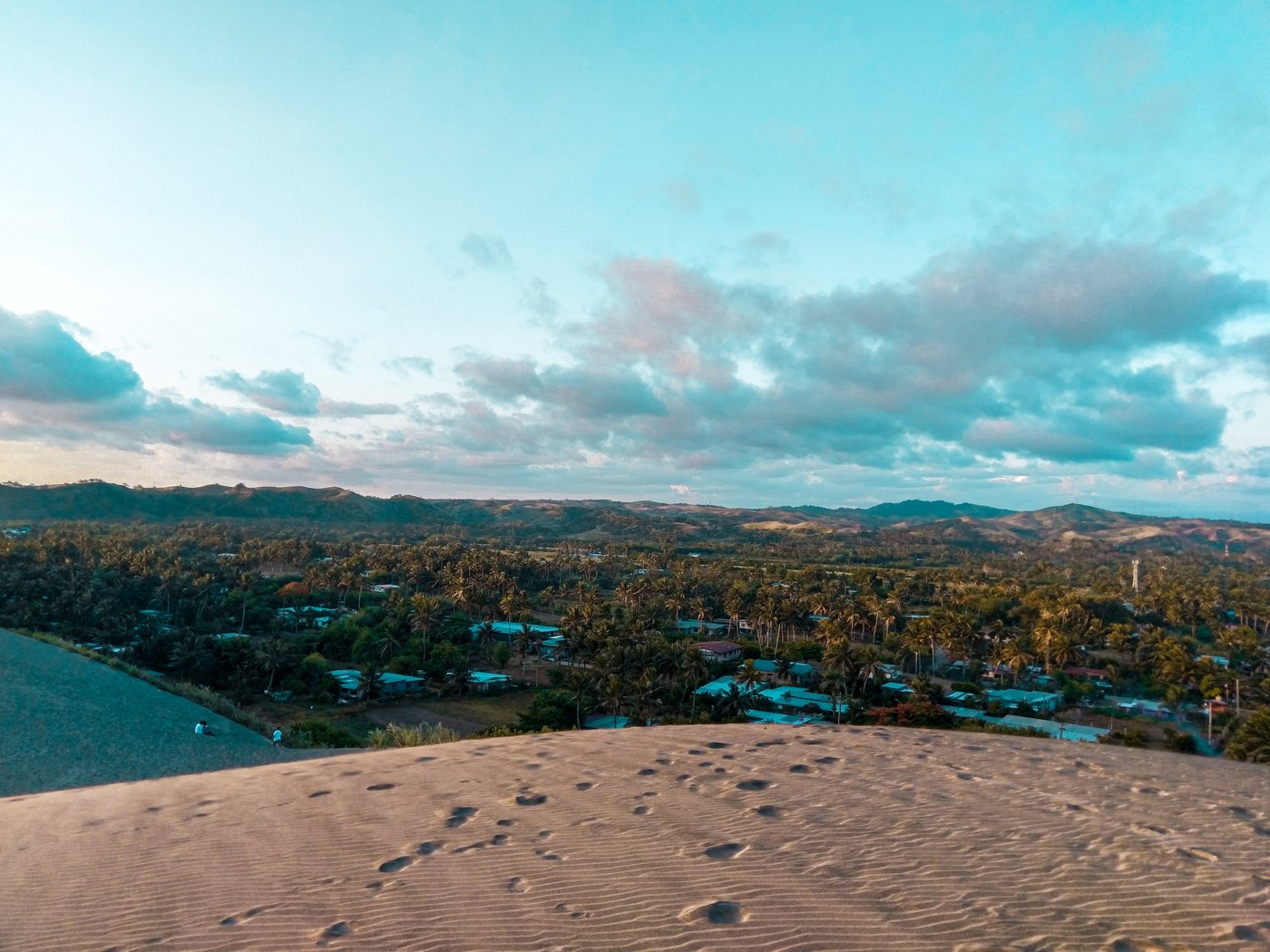
Fiji’s coastal defence to the rising rate of cyclones is a natural seawall that combines mangroves, rocks and vetiver grass. The natural seawall brings the benefits of hard protection — a barrier separating sea and land — without the erosion that often comes with conventional seawalls.
It is a nature-based solution, one of many opportunities in the Pacific to draw on organic resources to address climate change, with benefits to mitigation and adaptation.
This form of ‘green-grey infrastructure’ is an attempt to merge soft engineering with the natural ecology of the region, basing adaptation efforts on solutions that reflect the place in which they are embedded.
At the United Nations Climate Change Conference, COP28 in Dubai in November, world leaders will have a chance to increase investment in nature-based solutions to back a climate agenda that integrates biodiversity goals, conservation of carbon sinks and local perspectives and interests.
As the world gets warmer and more greenhouse gases are released, nature’s ability to perform important ecosystem functions — like sequestering carbon, regulating the earth’s temperature and providing clean air and water — is jeopardised.
These functions are integral to limiting climate change and for building resilience to its impacts. This is particularly key for Asia Pacific islands, where the effects of climate change are most prominent and where nature remains a more foundational component of daily life than more-urban environments.
The International Panel on Climate Change recognises nature as a climate solution and a key to achieving the 1.5 degree target in the Paris Agreement that, if exceeded, poses significantly increased risks to human health, livelihoods and well-being.
Some experts estimate that 37 percent of the greenhouse gas cuts required to meet the Paris Agreement’s 2030 targets could be achieved through nature-based solutions.
Nature-based solutions are important for their capacity to provide carbon sinks in climate mitigation efforts, but also to assist with adaptation and resilience, especially in coastal areas.
Nature-based solutions limit the consequences of climate change. They reduce emissions by stopping — or at least minimising — the degradation and destruction of ecosystems.
These programmes help identify and extend new areas of high carbon storage and adaptation value for protection, reforestation and regeneration. Nature-based solutions also build resilience to climatic events and reduce disaster risk.
At their best, nature-based solutions combine adaptation and mitigation interventions, balancing the need for sustainable development with emissions-reduction strategies.
Fiji demonstrates this perfectly: mangroves naturally draw down carbon and their replanting provides coastal protection and support for a sustainable ecosystem.
Combined with rocks and vetiver — a non-invasive clumping grass — these efforts provide a nature-based solution that supports mitigation and helps boost the country’s capacity to adapt to rising sea levels and more storm surges.
While focused primarily on climate outcomes, they also interact with the broader Sustainable Development Goals, placing a strong emphasis on the social dimensions of climate change. Nature-based solutions are closely linked to broader social, environmental and economic outcomes, including poverty reduction, livelihoods, equity and zero hunger.
Related Articles: Scaling up Nature-Based Infrastructure for People and Planet | How Nature-Based Solutions Can Mitigate Climate Change | Ecological Collapse: Why We Should Return to Nature
While climate change causes ecosystem degradation, loss of habitats and biodiversity decline, nature-based solutions are intrinsically linked with positive biodiversity outcomes.
The world is starting to acknowledge this: in March 2023, nearly 200 countries signed a UN treaty that explicitly recognises “the need to address … biological diversity loss and degradation of ecosystems of the ocean”, highlighting the “climate change impacts on marine ecosystems”.
There is hope that linkage will extend beyond the high seas treaty into broader action to protect nature’s intrinsic value.
The capacity of vegetated coastal and marine ecosystems to capture and store carbon is referred to as blue carbon. Blue carbon ecosystems tend to be mangroves, seagrasses and saltmarshes.
Left unprotected, these ecosystems can be damaged or degraded and contribute to climate change, shifting from acting as carbon sinks to instead generating greenhouse gases like carbon dioxide, methane and nitrous oxide.
COP28 host nation the United Arab Emirates intends to plant more than 100 million mangroves by 2030, capturing an estimated 43,000 tons of carbon dioxide annually.
This is part of the country’s project to restore degraded mangroves and is significant for its carbon capture and because mangroves improve community resilience to storm surges and are hotspots for biodiversity.
Such actions demonstrate the climate-positive impacts and co-benefits for ecosystem health and human well-being from nature-based solutions.
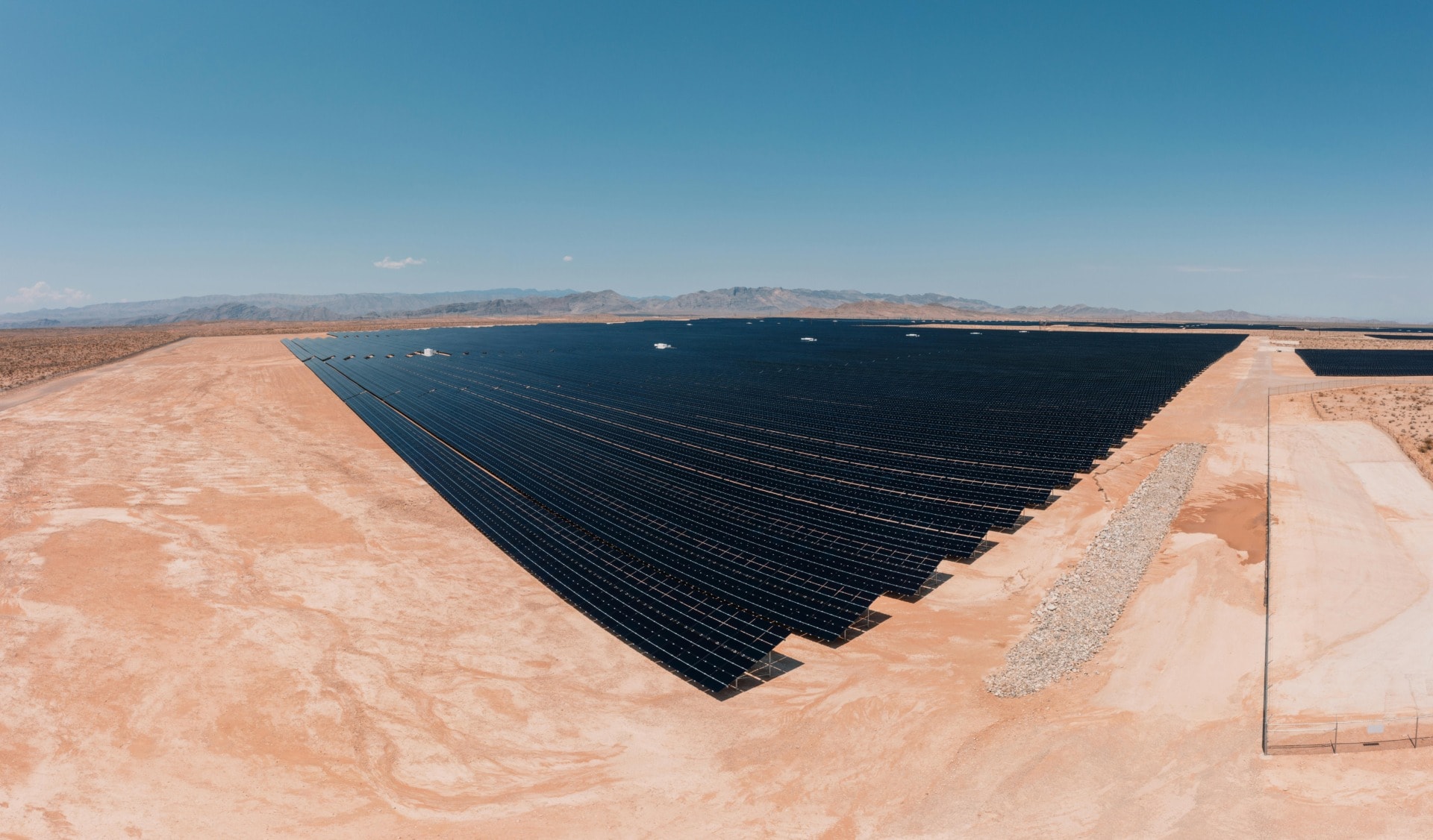
The definition of nature-based solutions can also be extended beyond human interventions in nature to include infrastructure developments and using technology for climate mitigation, like renewable energy generated from wind, solar and ocean-based technologies.
The mitigation impact of these solutions is particularly meaningful for island states, which can leverage coastal and marine resources to create consistent, clean and sustainable power sources.
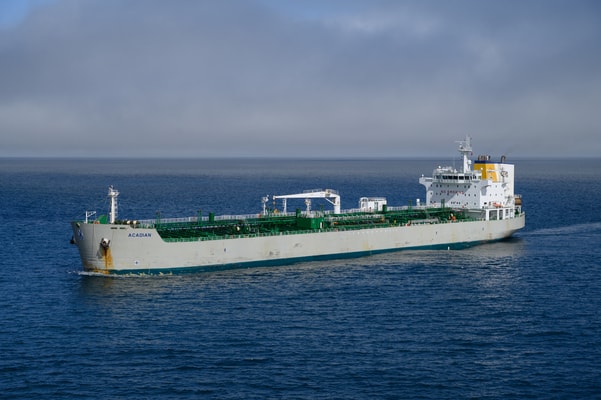
Indonesia’s ocean-based climate mitigation potential is explored in a 2023 ClimateWorks Centre study. The Southeast Asia Framework for Ocean Action Mitigation assessed the combined impact of ocean-based climate action through offshore energy, shipping decarbonisation and blue carbon nature-based solutions.
It found ecosystem protection of mangroves and seagrass could have a massive impact on Indonesia’s emissions profile by 2030 and investment in offshore wind and ocean energy could provide big long-term emissions benefits.
Combined with shipping decarbonisation, these ocean-based actions could by 2050 fill nearly half of the gap between current pledged action and what is needed for Indonesia to align with its net zero-by-2060 ambition.
This year’s United Nations Framework Convention on Climate Change Global Stocktake provides an opportunity to identify similar gaps and momentum in climate action.
It is a critical tool with which the climate community can engage with the integral element of nature-based solutions for successful adaptation and mitigation efforts.
This will in turn be key in facilitating raised country ambition in particular as reflected in revised Nationally Determined Contributions, due in two years time.
— —
This article was originally published by 360info™.
Editor’s Note: The opinions expressed here by the authors are their own, not those of Impakter.com — Featured Photo Credit: Savir C.