Impakter
  • Environment
    • Biodiversity
    • Climate Change
    • Circular Economy
    • Energy
  • FINANCE
    • ESG News
    • Sustainable Finance
    • Business
  • TECH
    • Start-up
    • AI & Machine Learning
    • Green Tech
  • Industry News
    • Entertainment
    • Food and Agriculture
    • Health
    • Politics & Foreign Affairs
    • Philanthropy
    • Science
    • Sport
  • Editorial Series
    • SDGs Series
    • Shape Your Future
    • Sustainable Cities
      • Copenhagen
      • San Francisco
      • Seattle
      • Sydney
  • About us
    • Company
    • Team
    • Global Leaders
    • Partners
    • Write for Impakter
    • Contact Us
    • Privacy Policy
No Result
View All Result
Impakter logo
No Result
View All Result
Clean Energy trends 2024

Clean Energy Tech: 6 Trends in 2024

New S&P Global report unveils a dynamic landscape for clean energy in 2024, showcasing the industry's resilience, innovation, and global commitment to a sustainable future

Hannah Fischer-LauderbyHannah Fischer-Lauder
January 24, 2024
in Editors' Picks, Tech
0

S&P Global Commodity Insights, a “leading independent provider of information, analysis, data and benchmark prices for the commodities, energy and energy transition markets,” published on January 23 a new report on the top trends for clean energy technology in 2024.

“Our forecast anticipates a 15% increase in clean energy technology (CET) investments in 2024 to nearly $800 billion, led by solar,” said S&P Global Commodity Insights’s Head of Gas, Power & Climate Solutions, Philippe Frangules.

This article looks at some of the key trends shaping the future of clean energy, from offshore wind milestones to a technology race between East and West, identified in the report.

1. Investments in clean energy tech to increase

According to S&P Global Commodity Insights’ projections, investments in clean energy technology are set to increase by a substantial 10–20% in 2024 (compared to 2023), hitting almost $800 billion.

Solar energy, accounting for about 55% of investments, would dominate the investment landscape, followed by wind energy, which the report notes would “grow more slowly.”

Battery energy storage and electrolysis are expected to be the “fastest growing areas for new investments.”

2. Average clean energy tech capex to decline

The new S&P Global Commodity Insights report projects the average cost of clean energy technologies to continue to drop in 2024.

This should happen — despite a rise in offshore wind and hydrogen costs — thanks to the rapidly declining costs of solar and batteries as a result of oversupply and declining prices of raw materials.

As the report reminds us, solar and battery costs “came down significantly in 2023 and will drop well below 2020 levels in 2024.”

3. Rising importance of decarbonization

The renewables industry, as the report explains, is changing its approach after coming under fire in the past for selling parts to produce low-carbon power but failing to focus in the same way on reducing the carbon footprint of the most energy-intensive segments of the value chain.

Hoping to improve the transparency and traceability of renewable supply chains and materials, producers of renewable energy are increasingly planning to decarbonize their operations before 2030. They’re also developing strategies to reduce emissions at the core of their products.

The report explains how the decarbonization is meant to happen:

  1. “the use of low-carbon electricity resources like more renewables and hydroelectric-powered plants, and less coal or natural gas, and
  2. a progressive reduction in materials consumption, such as of (e.g. polysilicon or silver), the exploration of less-intensive new manufacturing technologies, and use of lower carbon footprint materials.”

4. Price war between solar and storage manufacturers

Manufacturers of batteries and solar panels saw strong profits for two years, but through 2024, their margins are expected to decline according to the S&P report.

Downstream stakeholders in the solar industry, such as distributors and installers, will be more exposed to financial risk due to dropping pricing, excessive inventories, and potential write-offs.


Related Articles: Clean Energy Access Is a Universal Challenge | How the EU Is Helping Power its Islands’ Green Transition | A Just Transition Does Not Leave Anyone Behind: Clean Energy Must Be Worldwide

The second half of 2023 saw a downstream pricing war brought on by oversupply and declines in the price of raw materials for solar modules and batteries, which the S&P expects will culminate in market consolidation in 2024.

Leading large manufacturers will “likely need to differentiate themselves through innovative products or exceptional price over quality decisions;” smaller manufacturers, meanwhile, are “likely to face negative gross margins.”

5. An “unprecedented milestone” for offshore wind

When it comes to offshore wind, 2024 is “poised to witness an unprecedented milestone,” the report authors write.

Over 60 Gigawatts of additional capacity — “enough to cover Poland’s total power demand” — will be up for sale in at least 17 separate markets, setting a record for offshore wind energy.

This surge in auctioned capacity, which is expected despite the recent rise in costs of offshore wind due to supply chain bottlenecks and interest-rate-driven increases in financing costs, “serves as a resounding testament to the unwavering dedication of both established and emerging markets towards advancing and embracing this pivotal technology.”

6. Wind turbines: Competition from the East

The global wind turbine supply market is experiencing a shift as Chinese turbine makers challenge Western counterparts.

Historically, the S&P report notes, the wind turbine supply market has been split into two groups: “approximately fifteen Chinese manufacturers supplying China domestically, and four regionally diversified Western firms largely catering to the rest of the world.”

However, the burdensome contracts, rising overhead, unstable supply chains, and excessive input costs have damaged the balance sheets of the Western manufacturers.

Chinese manufacturers of wind turbines, the report says, are “increasingly competing against the Westerns in international markets” — they are lowering costs, advancing technology, and making fresh investments in the supply chain.

For example, the price gap between the two groups has grown to almost 70% according to the report. In terms of rated capacity, China’s recently declared turbine production exceeds that of its Western counterparts by a minimum of 30%.

The report anticipates the continuation of the pricing pressure and technological arms race, which will present “Western turbine makers with the continued dual challenge of regaining profitability while safeguarding market share.”


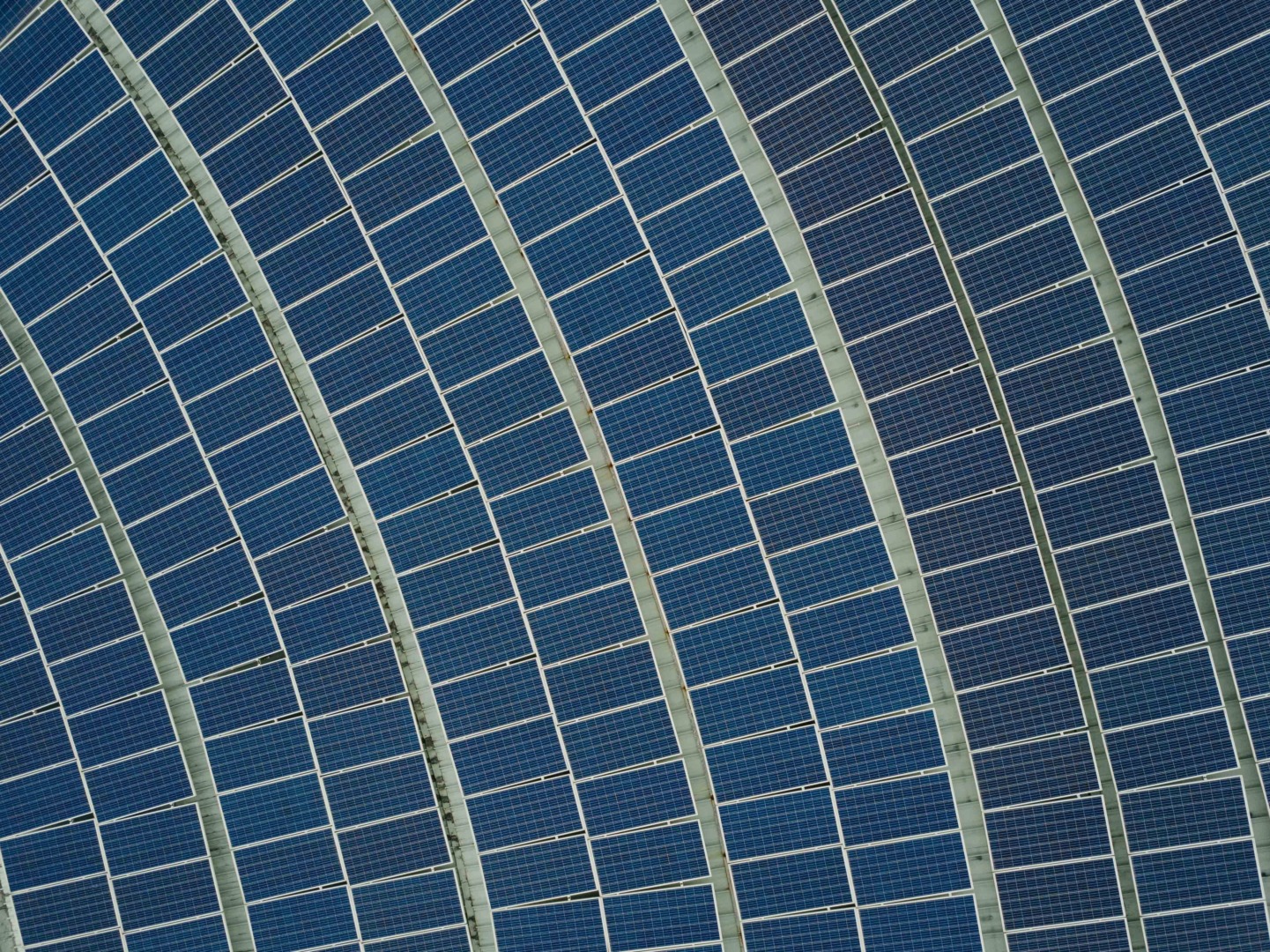
Editor’s Note: The opinions expressed here by the authors are their own, not those of Impakter.com — In the Featured Photo: Solar panels. Featured Photo Credit: CHUTTERSNAP.
Tags: clean energyClean Energy InvestmentsClean energy technologyClean energy trends 2024offshore windsolar energysolar powerwindWind Energy
Previous Post

Paris Fashion Week: How Sustainable Is Louis Vuitton?

Next Post

Unravelling Antarctica’s Sea Ice Puzzle

Related Posts

Indonesia Forms National Energy Council
ESG FINANCE

Indonesia Forms National Energy Council

Today’s ESG Updates: Indonesia Forms National Energy Council: With one of its aims being to reduce fuel import dependencies and...

byAriq Haidar
January 29, 2026
ESG News regarding US withdrawal from the Paris Agreement, China and India emissions decline offset US emissions growth, Michigan suing oil giants, and Nigeria’s new 100mw solar power facility
Business

US Officially Cuts Ties With the Paris Agreement

Today’s ESG Updates U.S. Officially Exits Paris Climate Agreement, Again: The U.S. formally withdrew from the Paris Agreement for a...

bySarah Perras
January 28, 2026
renewables
Energy

Why the World Is Switching to Renewables Faster Than Anyone Expected

How do you explain the boom in solar energy we’re seeing today? Renewables are scaling fast because it’s become affordable...

byInternational Institute for Sustainable Development (IISD)
January 27, 2026
ESG News regarding Clean energy is Europe's only path to prosperity; 2150 raises €210 million to back sustainable cities; EcoCeres’ new Malaysian plant is operating at 95% capacity; New study suggests the world is not ready for rise in extreme heat.
Business

Clean Energy Is Europe’s Only Route to Prosperity

Today’s ESG Updates: Clean Energy is Vital for Europe's Autonomy: UK Energy Secretary Ed Miliband and EU Energy Commissioner Dan...

byFedor Sukhoi
January 27, 2026
ESG news regarding: a push for wind power in Europe, possible massive metal fraud, wind power in Western Australia, and Citi layoffs.
Business

Europe’s Answer to Trump: More Wind Power

Today’s ESG Updates New Draft Reveals Europe’s Massive Wind Power Push: Nine European nations are defying U.S. criticism by signing...

byEge Can Alparslan
January 23, 2026
ESG News regarding China’s wind power strategy, global renewable energy leadership, U.S. criticism at Davos, and the future of low-carbon energy cooperation
Business

China Defends Wind Power Strategy at Davos

Today’s ESG Updates US Calls for Doubling Global Oil Output at Davos: At the World Economic Forum in Davos, the...

byJana Deghidy
January 22, 2026
ESG News regarding Equinor wind farm project to resume in US, Blue Earth Capital raises $100 million, Google Signs Major 1.2 GW Carbon-Free Energy Deal, and US to Finalize 2026 Biofuel Quotas by March
Business

U.S. Court Clears Equinor to Resume $5B Wind Project Halted by Trump

Today’s ESG Updates Court Clears Equinor to Resume $5B Wind Project: A federal judge overturned Trump’s suspension order, allowing Equinor...

byEge Can Alparslan
January 16, 2026
ESG News regarding Dimon warning that Trump’s attacks on Fed could raise inflation and rates, Venezuelan oil shipments to China setting to plunge under U.S. blockade, UK awarding offshore wind contracts to power 12m homes, 2025 being the third-hottest year on record as climate science faces political pushback
Business

JPMorgan CEO Warns Trump’s Attacks on Fed Could Raise Inflation and Rates

Today’s ESG Updates Dimon Warns Trump’s Fed Attacks Could Raise Inflation: JPMorgan CEO says Trump’s criticism of the Fed could...

byAnastasiia Barmotina
January 14, 2026
Next Post
Antarctica Sea Ice

Unravelling Antarctica's Sea Ice Puzzle

Recent News

The Era of ‘Global Water Bankruptcy’ Has Begun

The Era of ‘Global Water Bankruptcy’ Has Begun

January 30, 2026
ESG news regarding: New Report Urges Urgent Action to Halt PFAS Contamination Across EU, US Proposes New Rule to Force Greater Transparency in Pharmacy Benefit Manager Fees, EU and Brazil Seal Landmark Deal Creating World’s Largest Free Data Flow Zone, Beijing Suspends Import and Use of Sun Pharma Alzheimer’s Treatment

Without Regulation, ‘Forever Chemicals’ Will Cost Europe €440 billion by Mid Century

January 30, 2026
Food Waste in India

India’s Food Waste Is Turning Into an Environmental Time Bomb

January 30, 2026
  • ESG News
  • Sustainable Finance
  • Business

© 2025 Impakter.com owned by Klimado GmbH

No Result
View All Result
  • Environment
    • Biodiversity
    • Climate Change
    • Circular Economy
    • Energy
  • FINANCE
    • ESG News
    • Sustainable Finance
    • Business
  • TECH
    • Start-up
    • AI & Machine Learning
    • Green Tech
  • Industry News
    • Entertainment
    • Food and Agriculture
    • Health
    • Politics & Foreign Affairs
    • Philanthropy
    • Science
    • Sport
  • Editorial Series
    • SDGs Series
    • Shape Your Future
    • Sustainable Cities
      • Copenhagen
      • San Francisco
      • Seattle
      • Sydney
  • About us
    • Company
    • Team
    • Global Leaders
    • Partners
    • Write for Impakter
    • Contact Us
    • Privacy Policy

© 2025 Impakter.com owned by Klimado GmbH