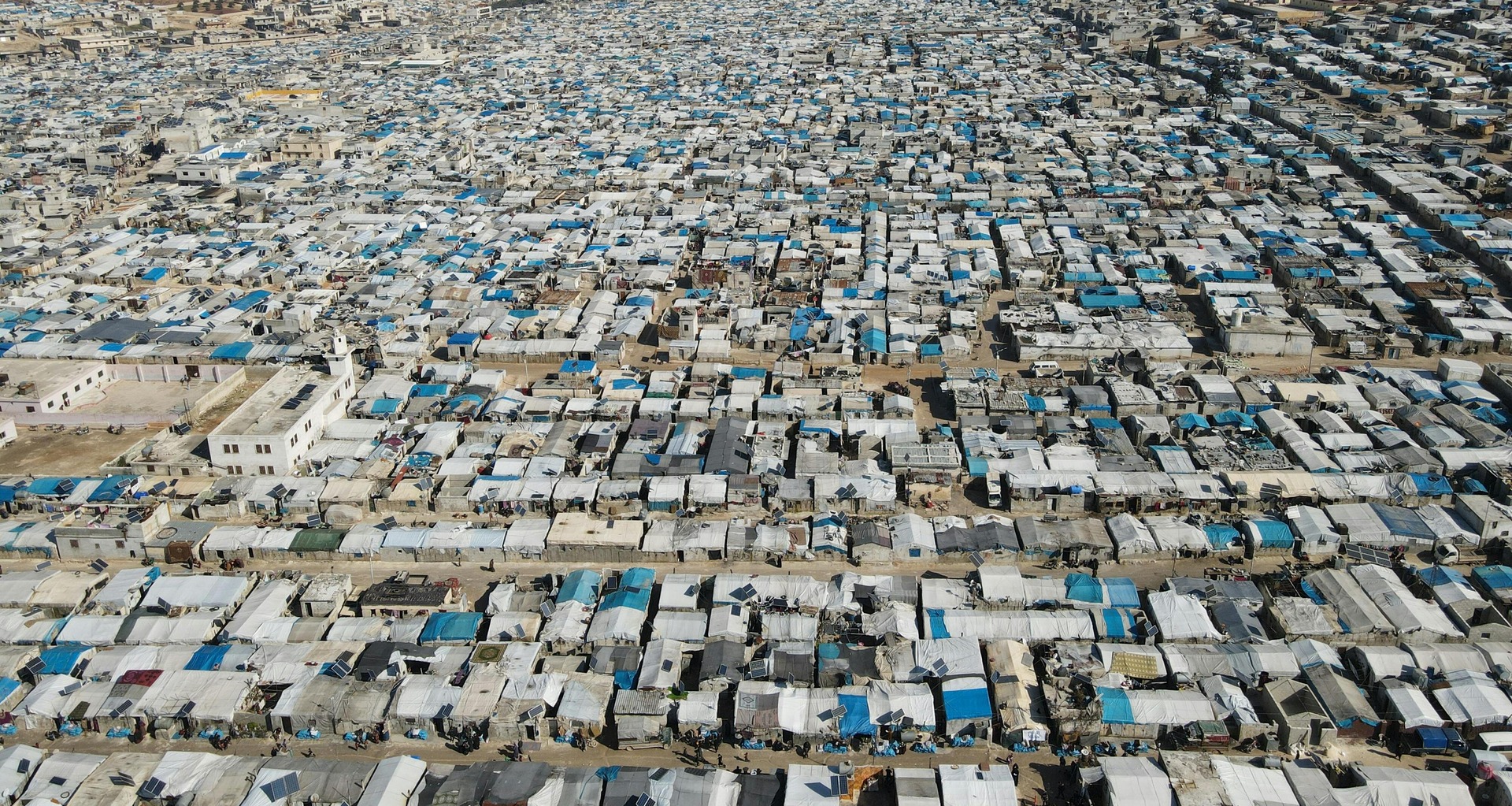
The U.S.-Israeli war with Iran has triggered unprecedented displacement and human suffering across the Middle East. With the death toll rising and millions displaced across the volatile region, the question remains: what happens to those displaced by a war of choice whose protagonists are uncertain of its end?
An overview of internal displacement statistics across the Middle East paints a gloomy picture. Preliminary assessments reveal that the U.S.-Israel joint operation has displaced a million Iranian households, representing about 3.2 million people. Caught in the crossfire, Lebanon is being blamed for arming and sheltering the militant Hezbollah. As a result, over a million civilians have been displaced in Lebanon (a country of about 5.8 million), with some people crossing the border into Syria. On the other hand, renewed hostilities between Afghanistan and Pakistan have triggered the displacement of over 16,000 families across eastern Afghan provinces.
All this comes at a time when 24.3 million forcibly displaced people are being hosted across Asia and the Middle East.
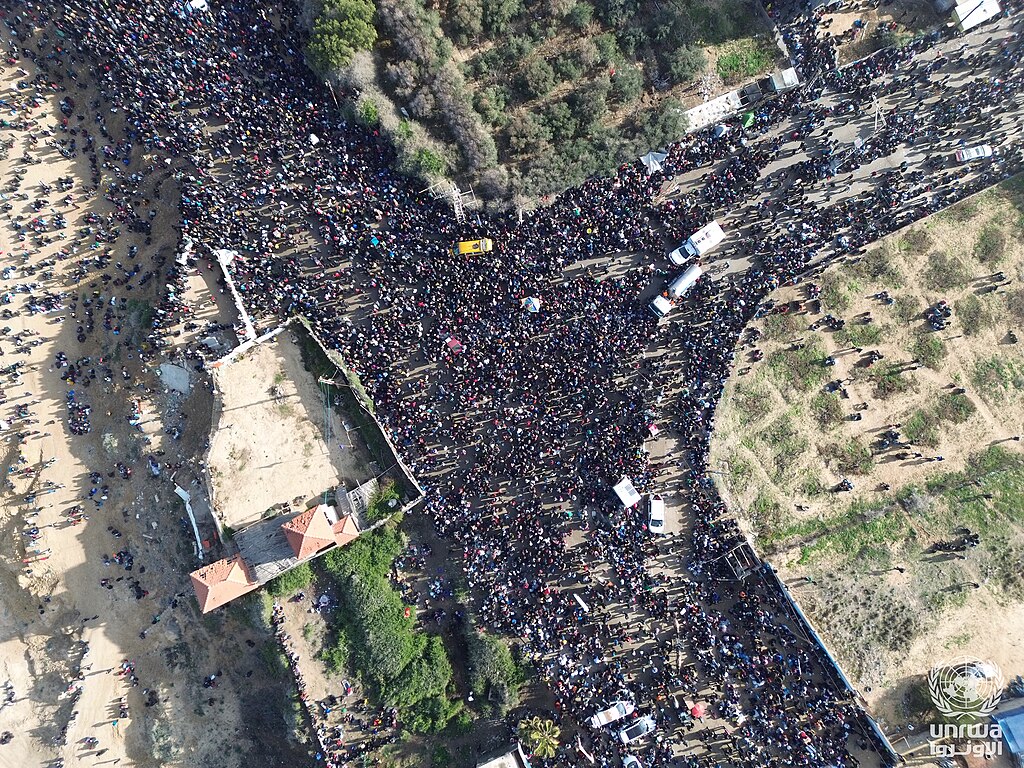
The Situation in Iran
The human impact of the war in Iran is concerning. It is estimated that over 1,200 Iranians have so far been killed in the US-Israel joint operation aimed at regime change. Out of that number, close to 170 were school children at Shajareh Tayyebeh Elementary School, which is near a base of the Islamic Revolutionary Guard Corps (IRGC). Despite overwhelming evidence pointing towards the U.S., none of the warring factions has accepted responsibility for the Tomahawk missile attack.
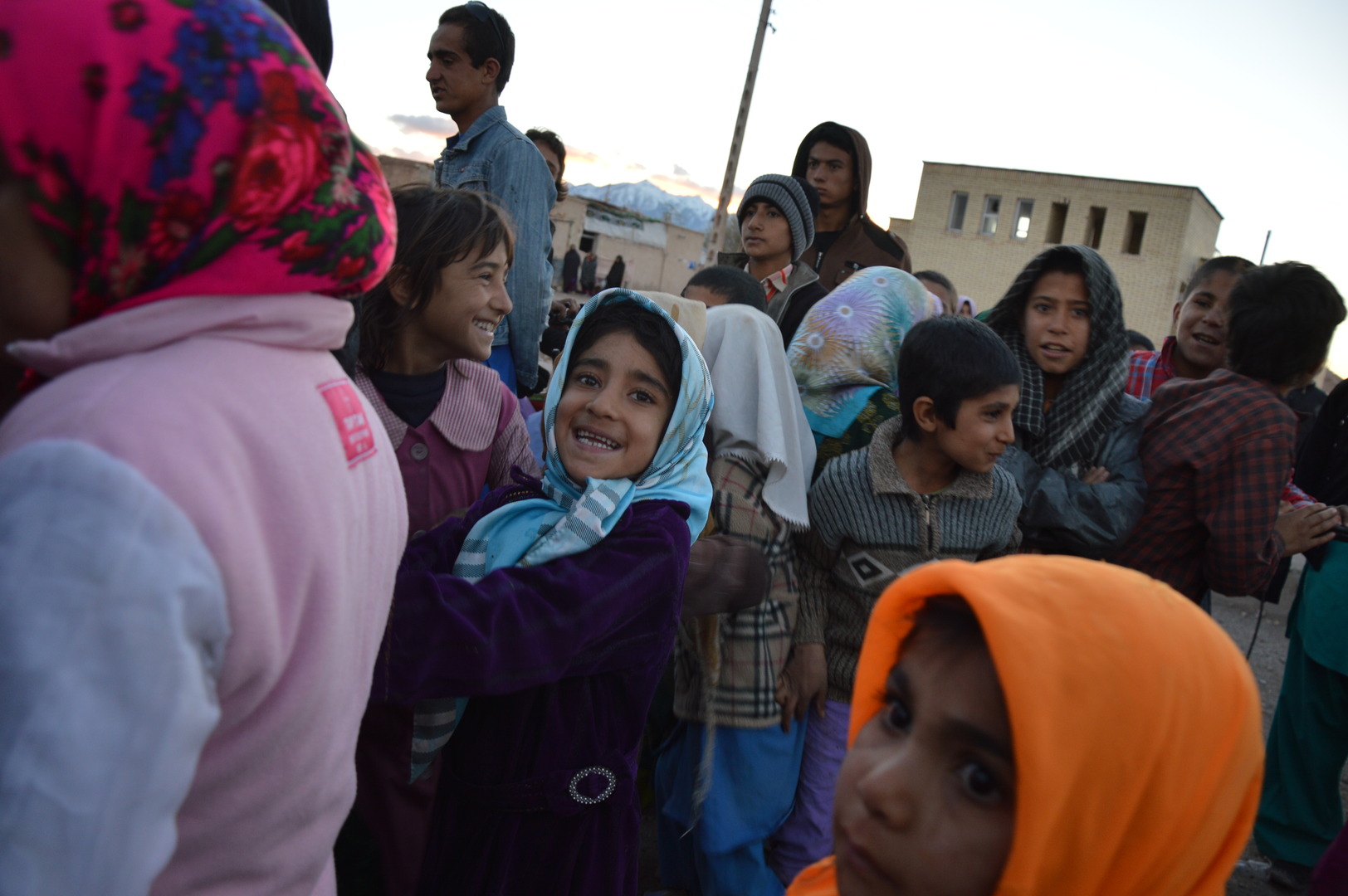
The problem here regarding the continuing airstrikes is that Iran already hosts a substantial number of Afghan refugees. Both Iranians and refugees now find themselves trapped. The vulnerable population is most likely to be pushed to dangerous frontiers towards possible death.
Volker Türk, the United Nations human rights chief, has warned that the military action in Iran has caused disproportionate harm. He is quoted as saying:
“The human cost of this reckless war is alarming. Hostilities are being waged without regard to the immediate and long-term consequences for civilians across the entire region.”
Even if the war is unlikely to end today, its long-term impact is alarming. The infrastructural damage alone will cause irreparable economic harm to Iranians. In turn, this will cause an exodus of Iranians seeking better livelihoods outside their country. While those leaving Iran will be seen as “economic migrants,” the label will conveniently ignore the underlying push factor that triggered such an exodus.
Experts have further warned that the apocalyptic billowing smoke from destroyed oil facilities in and around Tehran might cause more health harm than the current internal displacement. Chemical reactions in the atmosphere may increase the risk of acid rain, which can exacerbate underlying health conditions. The oil spillage from the bombed refineries will indirectly impact agricultural livelihoods.
Displacement Orders
In their quest to obliterate Hezbollah, Israel’s military incursion continues to uproot households in Lebanon. The Israeli Defense Forces (IDF) is reported to have issued leaflets ordering civilians in southern Lebanon to “move immediately to areas north of the Litani River.”
The leaflets come with a stark reminder of IDF’s “remarkable success in Gaza,” as the new reality in Lebanon aimed at disarming the militant Hezbollah group, and urge residents to provide the IDF with information on their “neighbours.” These orders have displaced over one million civilians in Lebanon, including 367,000 children. The legality of such displacement orders has been queried by the International Commission of Jurists (ICJ).
Related Articles
Here is a list of articles selected by our Editorial Board that have gained significant interest from the public:
The ICJ is of the view that the imposition of such blanket displacement orders, which are immediately followed by indiscriminate air and ground strikes, is a source of strife and homelessness across Lebanon. Civilians across Lebanon are caught up in threats, destruction of infrastructure, and imminent death.
Euro-Med Human Rights Monitor has documented inhumane displacement conditions in Lebanon. It is reported that the journeys from southern Lebanon to Beirut, which normally take up to two hours, are lasting up to 24 hours due to severe overcrowding. The elderly, children, women, including pregnant women, have been severely affected by these forced evacuations and military onslaught, causing acute physical and psychological strain.
So Where Do They Go?
With a threat of a deadline imposed on the Iranian authorities to open the Strait of Hormuz, it seems as if the veil of war is not going to be lifted soon. Some Lebanese have already fled to the conflict-torn Syria. It is also reported that some Iranians and Afghan refugees are heading towards Türkiye.
There is a strong possibility that the displaced people will embark on secondary movements towards safer countries as they seek durable protection. The European Union (EU) is preparing to approve a 458-million-euro humanitarian aid package for the Middle East. While this is a commendable gesture, reports suggest that the EU has taken this step as an anti-migration move aimed at averting the migratory flows of 2015-2016 triggered by the Syrian civil war.
However, based on a 2024 study by the Rockwool Foundation in Berlin, Germany is “likely to be the primary destination” for Iranian migrants if the war triggers a new refugee movement. Germany is followed by Canada (13%), Turkey (10%), and the UK and France (6%) as the most likely destinations for people from Iran. The survey results indicate the importance of diaspora networks in key migration decisions aimed at reducing relocation costs, easing integration, and ultimately preserving precious life.
There is only one clear solution to this cycle of human displacement and death: STOP THE WAR!