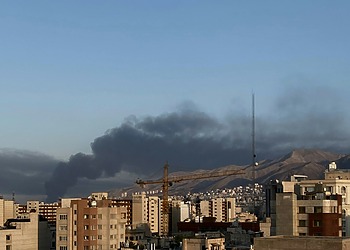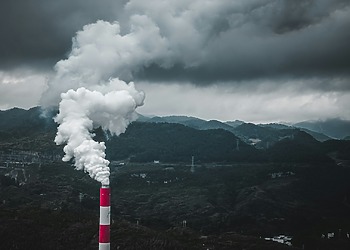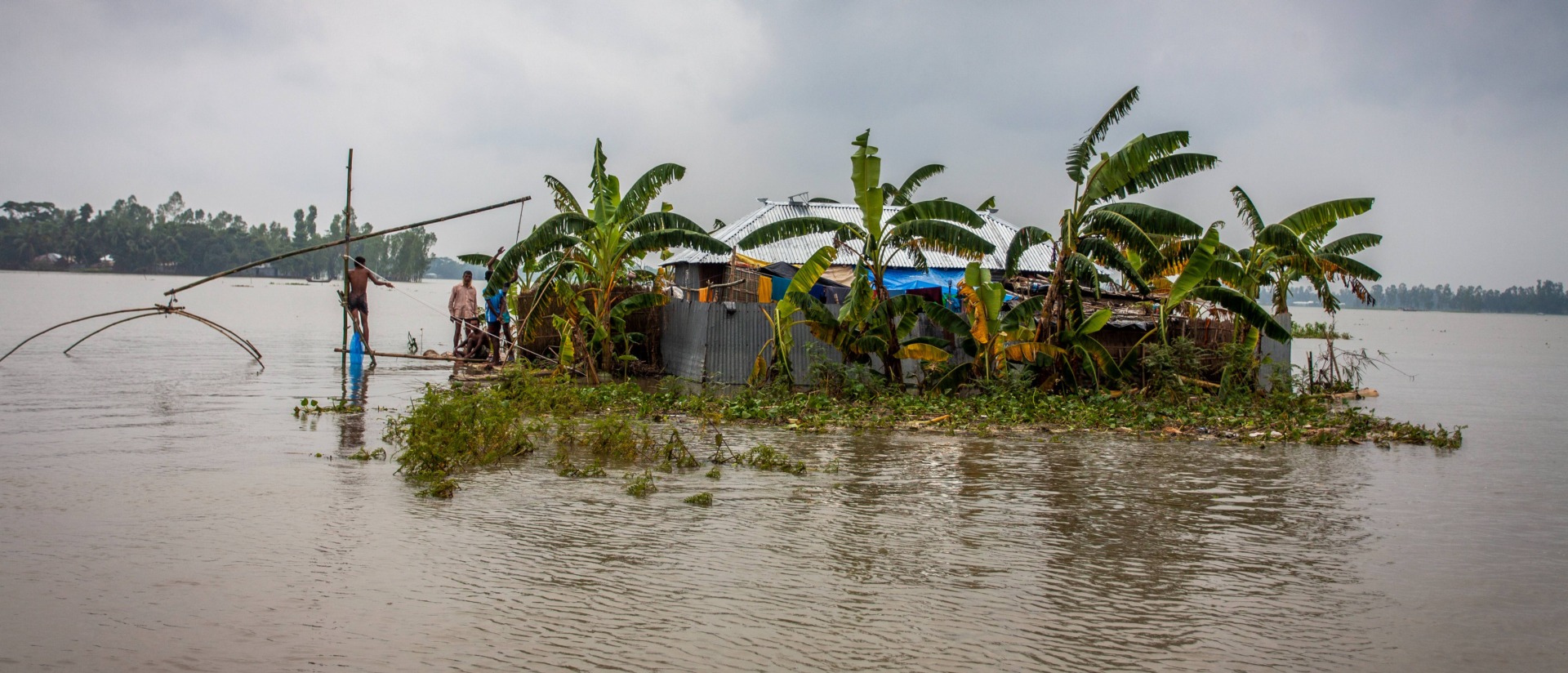
Imagine your home being swallowed by the sea, or relentless storms destroying your community. This is the reality for many today due to climate change. Human-induced climate change has already led the planet to warm by approximately 1.1ºC compared to preindustrial levels. Millions are experiencing the harsh realities of soaring temperatures, rising seas, and intense storms. Taking immediate action to reduce greenhouse gas (GHG) emissions is essential to ensure a safer future for all, as recognized in the UNFCCC and the Paris Agreement on climate change.
In 2023, the UN General Assembly (UNGA) requested the International Court of Justice (ICJ) to clarify countries’ obligations under international law to protect the climate from human-caused GHG emissions. Until 15 August, States and organizations could submit their views to the ICJ. The ICJ’s advisory opinion is also expected to address what happens when States are non-compliant with their climate obligations, considering the harm caused to the climate, the environment, vulnerable States, and present and future generations.
This Policy Brief explores the legal consequences under international law for States that violate their international obligations. National laws typically establish when someone can be held responsible for illegal actions, with consequences such as fines, imprisonment, or compensation. However, in international law, there is no single global norm for holding States accountable for failing to meet their obligations. Instead, there are customary rules codified in 2001 by the widely respected International Law Comission (ILC) in its Articles on the Responsibility of States for Internationally Wrongful Acts (ARSIWA).
According to the ARSIWA, State responsibility arises from a “wrongful act” attributed to a State in breach of an international obligation (Article 2). This breach occurs when a State fails to act in accordance with an obligation set in a ratified treaty, such as the Paris Agreement, or in customary international law, such as “the no-harm” rule that requires States to prevent activities within their territories that cause transboundary harm.
The ARSIWA primarily focus on state obligations arising vis-à-vis another State, but also recognize that some obligations are “obligations of a State towards the international community as a whole,” or erga omnes (Articles 48 and 60), as is commonly the case in numerous multilateral environmental agreements (MEAs). Some scholars say that obligations derived from the UNFCCC and the Paris Agreement are erga omnes obligations, broadening the legal consequences and the rights of States to invoke responsibility when these obligations are breached.
Legal consequences and forms of reparation
According to the ARSIWA, the State responsible for the wrongful act must cease the act and offer assurances that it will not be repeated (Article 30). In the context of climate change, this could involve regulatory measures like phasing out fossil fuels, removing subsidies, and updating nationally determined contributions (NDCs) under the Paris Agreement.
The responsible State is also obligated to make full reparation for the injury caused by the wrongful act (Article 31). Reparation serves two main objectives: sanctioning the wrongful act; and addressing the harm caused. The ICJ has stated that the responsible State “must, so far as possible, wipe-out all the consequences of the illegal act and re-establish the situation which would, in all propability, have existed had that act not been committed.”
Related Articles: “Bad Day for EU Parliament”: Three Key Climate Laws Rejected | EU Nature Restoration Law: A Turning Point for Biodiversity | Nature Restoration Law Triumphs in Dramatic EU Parliament Vote | Sustainability News: EU Council Reaches Agreement on Nature Restoration Law
To establish responsibility and the corresponding injury, a link between the wrongful act and the injury must be proven. In the climate context, this means demonstrating the connection between GHG emissions, climate change, and the resulting impacts, which has been challenging in the past. Increasing scientific evidence, such as reports from the Intergovernmental Panel on Climate Change (IPCC), has made this link clearer and increasingly recognized by courts.
The ARSIWA recognize three main ways of reparation: restitution; compensation; and satisfaction.
- Restitution means restoring the situation to how it was before the wrongful act (Article 35). In climate terms, this could mean reversing the environmental damage caused to a State. However, restitution may not always be possible, especially due to the irreversible nature of some environmental damage, such as sea level rise.
- Compensation refers to providing financial payments for the damage caused. Financially assessable damage suffered by the victim (Article 36), includes damage suffered by the State itself (e.g. to its property or personnel) and by its nationals. This could involve financial payments to countries affected by sea-level rise, extreme weather events, and other climate-related damages. For instance, the Warsaw International Mechanism for Loss and Damage under the UNFCCC, and the recently established Loss and Damage Fund aim to support countries experiencing severe climate change impacts, though they do not recognize liability as a basis for compensation.
- Satisfaction implies measures to acknowledge the breach, provide moral reparation, and prevent future violations. In the climate context, this could include a public apology from a State for failing to meet its climate commitments, an acknowledgment of responsibility, and strengthened future climate actions. While restitution and compensation offer tangible redress, satisfaction addresses the need for justice and acknowledgment.
Identifying effective reparation means for non-compliance with climate obligations depends on various factors, including the nature of the climate harm, the capacity of States, and the identification of climate obligations. Identifying those responsible when climate change is caused by multiple actors, including States and non-State entities, remains a challenge. The ARSIWA do not provide clear guidance on shared responsibility, but some efforts, such as the Guiding Principles on Shared Responsibility, aim to address this issue.
The upcoming ICJ advisory opinion will hopefully provide further clarification on how to tackle these and other critical matters for the climate change problem from the perspective of international law.
** **
This article was authored by Dr Eugenia Recio from the University of Eastern Finland. It was originally published by the International Institute for Sustainable Development (IISD) and is republished here as part of an editorial collaboration with the IISD.
Editor’s Note: The opinions expressed here by the authors are their own, not those of Impakter.com — Cover Photo Credit: © FAO/Fahad Kaizer.