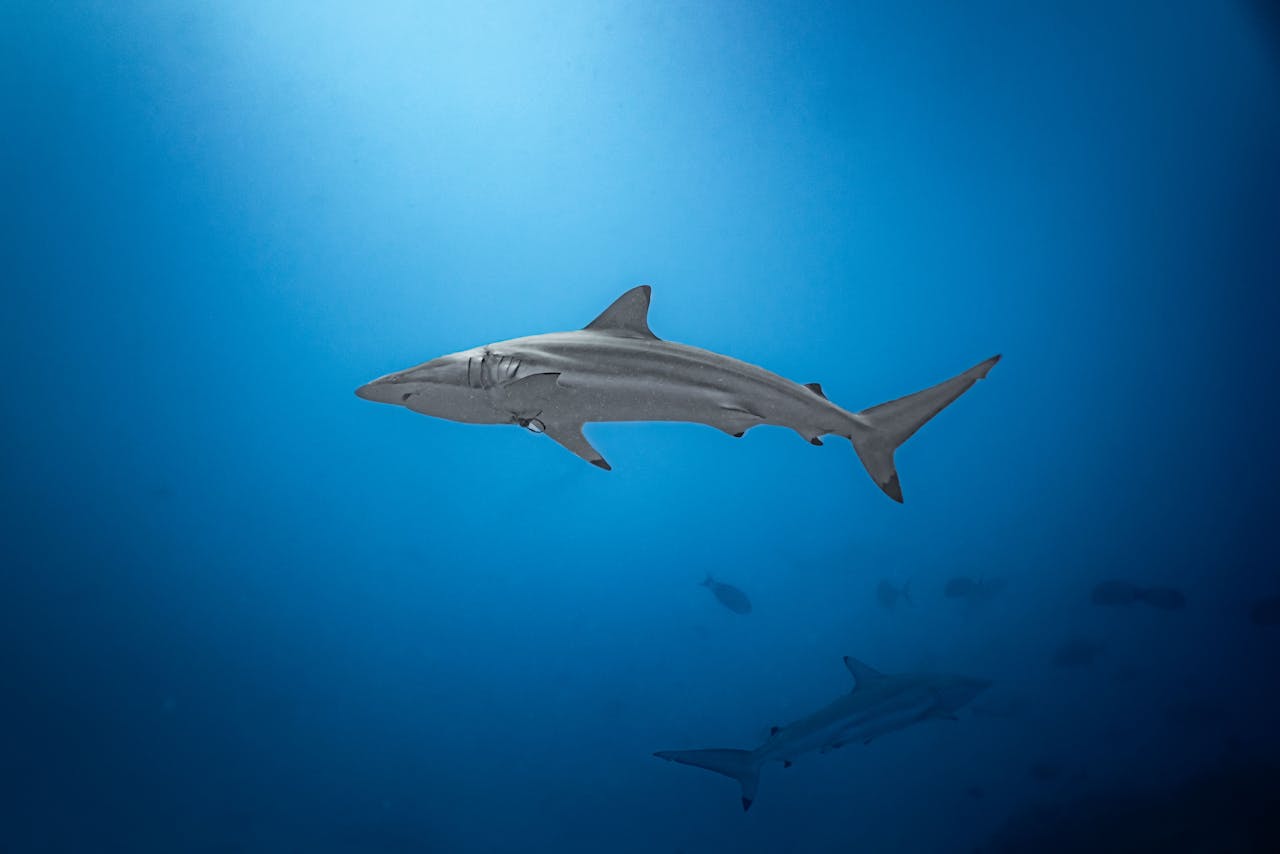
In January, headlines were dominated by the four shark bites occurring within 48 hours off Australia’s coast. This is not the first instance in the past few decades of multiple human-shark encounters occurring within a very short period of time off the same coast. Like many bizarre environmental phenomena, human behavior can explain these attacks.
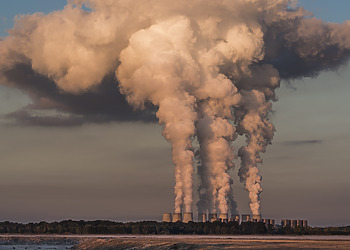
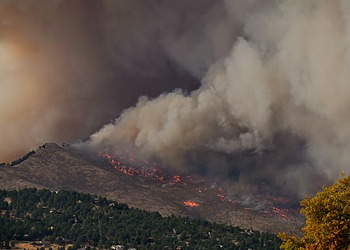
The ocean is presently absorbing an estimated 90% of the heat trapped in the Earth’s atmosphere. Consider what this means for nearly all sharks and rays — cold-blooded animals whose behavior is directly governed by water temperature.
The irony is striking: while we instinctively fear sharks as predators, humans remain the only species altering the climate so dramatically that we’re threatening the survival of every living creature on Earth, including ourselves. Few phenomena illustrate climate change’s cascading effects on human safety more clearly than the recent shifts in shark behavior and marine encounters.
What’s Behind These Recent Shark Attacks?
A critical gap in media coverage emerges when outlets report shark encounters as isolated incidents. When researchers analyze shark species, geographic location, and environmental patterns, these events reveal predictable scientific explanations.
While 2024 saw unprovoked shark bites drop to 47 globally, the underlying pattern reveals a more complex picture. The total number of shark encounters per year tells us little; what matters is when and where they occur.
The recent bull shark attacks occurred particularly near estuaries and around Sydney Harbour after heavy rainfall. Urban runoff, altered river systems, sewage overflows, and fishing activity all influence where prey species aggregate, making swimming or surfing near river mouths after floods a “high-risk activity.” Nutrient-rich runoff from human activity draws baitfish into new shallow-water areas, and bull sharks are sure to follow.
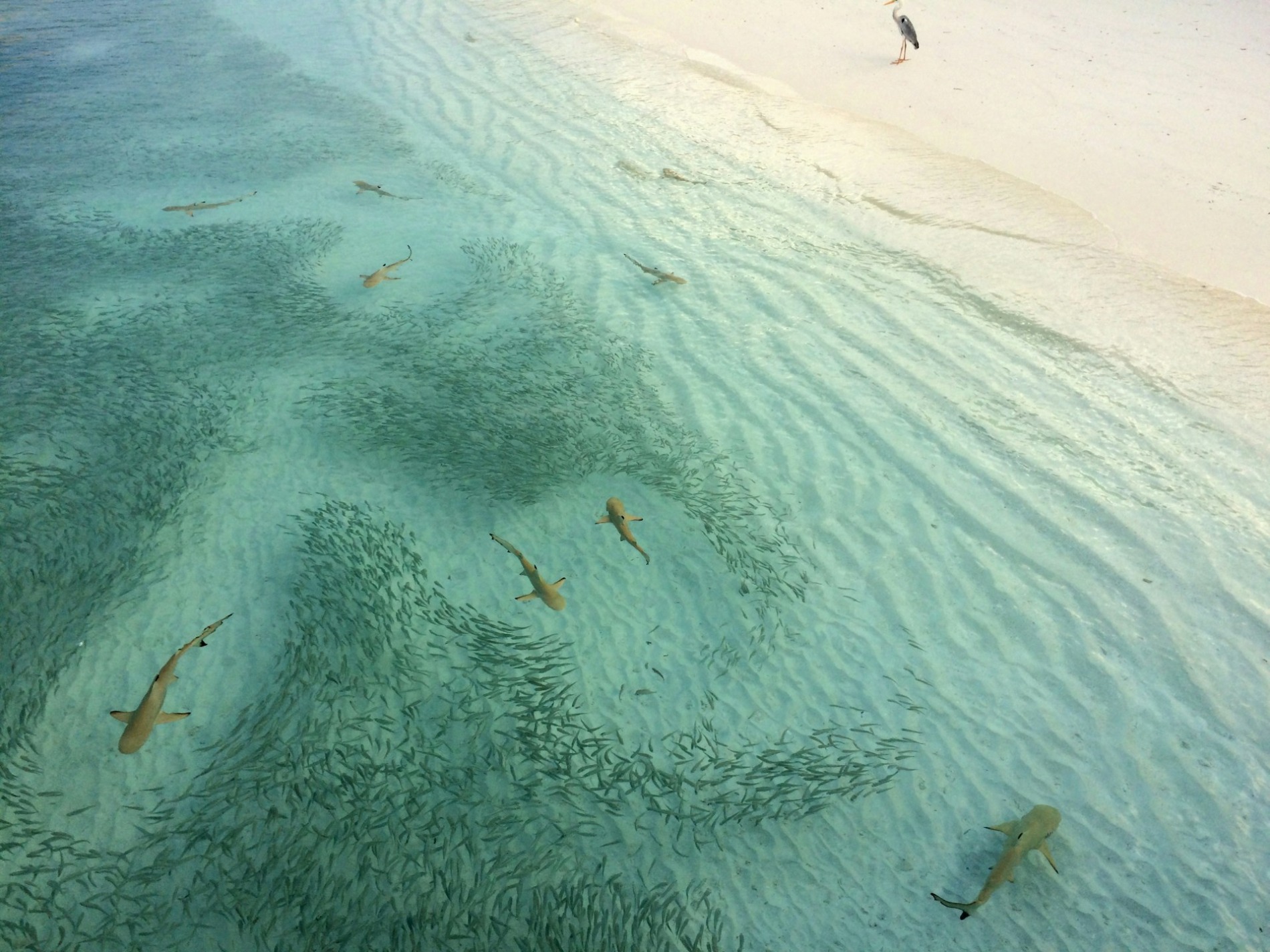
In addition to these human activities that are altering coastal ecosystems, there is, of course, the overall impact of climate change on ocean temperatures. The science is clear: warming waters are fundamentally altering shark behavior, causing them to migrate to areas they have never inhabited before. Because many sharks are apex predators, changes in their movements can significantly affect oceanic ecosystems.
The Unseen Ocean Crisis
While public awareness of climate change’s terrestrial impacts has grown substantially, the ocean’s transformation remains largely invisible to most people. Human-induced climate change is profoundly altering the behavior of marine species as much as it has affected land animals, yet these oceanic consequences remain critically underreported and underdiscussed.
Many marine prey species rely on nutrients spread by offshore circulation and upwelling. Changes in temperature regulate these ocean processes. As the ocean warms, prey species will need to migrate to keep pace with nutrient cycles. Sharks and rays must follow their food sources into unfamiliar territories, including coastal areas with significant human activity. While human environmental degradation has increased shark-human encounters, this represents only a fraction of the broader ecological crisis. Climate change is inflicting severe harm on nearly all shark species.
Species like whale sharks have been reported in mainland Europe for the first time, while hammerhead and bigeye thresher sharks are increasingly common in British waters, and tiger sharks are being caught off Canada and Tasmania. Sharks are not only traveling closer to shore but also into completely different latitudes, far from their historical ranges.
While overfishing is a more immediate threat than climate change for most sharks and rays, these threats are synergistic. Climate change increases the vulnerability of migratory species to fishing.
Many habitat specialists, such as freshwater, estuarine, and coral reef species, are already struggling with overfishing and environmental degradation. When you add shifting ocean temperatures, declining oxygen levels, and disrupted prey patterns, the pressure on shark populations becomes immense.
Reframing the Narrative
As environmental journalist Dr. Melissa Ray argues, “[i]f we continue to frame every shark bite as proof that sharks are ‘turning on us’, we fail to ask more meaningful questions: what environmental conditions were present, how have we altered coastal systems, and how can we reduce risk without demonising wildlife?”
This reframing is essential. Shark attacks are interactions with displaced wildlife navigating rapidly changing ecosystems that humans have fundamentally disrupted.
Related Articles
Here is a list of articles selected by our Editorial Board that have gained significant interest from the public:
A Call to Action
While ocean conservation organizations worldwide implement vital protective measures for marine species, these efforts alone cannot reverse the trajectory we’re on. NOAA Fisheries has taken important steps, including climate vulnerability assessments, scenario planning, and climate-smart conservation training. It has also developed the Climate, Ecosystem, and Fisheries Initiative to provide climate-relevant information to decision-makers.
However, adaptation strategies have limits, and the priority must be mitigation over adaptation. Without urgent action from governments and corporations to transition away from fossil fuels and halt global warming, conservation efforts will eventually prove insufficient. The window for meaningful intervention is rapidly closing.
A rise in shark attacks should serve as ecological alarm bells, signaling fundamental disruption to our planet’s climate systems. They’re symptoms of a crisis affecting every organism in our oceans and on land.
The question isn’t why sharks are “attacking” us. The question is: how long will we treat each spike in attacks as an anomaly rather than holding accountable the corporations and governments driving the climate crisis?
Editor’s Note: The opinions expressed here by the authors are their own, not those of impakter.com— Cover Photo Credit: Maahid Photos