2020 has a ring to it, holding the promise of a new decade after leaving the old one behind. Each year starts with the possibility of a new beginning, but often still carries the baggage of the previous year. As 2020 begins, so too do more climate talks. The international community faces deadlines to replace old frameworks and rules with new ones, and to conclude negotiations on new treaties and agreements.

In our new report, ‘The State of Global Environmental Governance 2019,’ the Earth Negotiations Bulletin team reflects on the successes, shortcomings and overall trends of 2019. We also look ahead, with optimism 2020 will regain the momentum recently lost.
IN 2019, SCIENTISTS WERE TRUTH-TELLERS.
Over the course of the year, international scientific bodies produced a range of reports on climate change, biodiversity, and the environment as a whole. Each report contains dire warnings for the future of the planet due to the impact of climate change on food production, of pollution on human health, and land incursions on species extinctions. Given historic inaction, nearly every system on the planet is in danger.
Related topics: Polluting Companies Likely To Lose Half Their Value – Surviving Climate Change – After COP25
Yet, despite the thousands of pages of scientific evidence, intergovernmental political processes remain deadlocked on so many issues. Policy makers could not mount the type of response commensurate with the science.
Climate change governance had a particularly difficult year, limping to the end of the decade after the historic adoption of the Paris Agreement in 2015. The demands for climate ambition are loud, and angry. Millions of children and youth, feeling their futures have been stolen, participated in climate strikes every Friday throughout the year. Hearing their calls, 67 countries pledged greater climate ambition at the UN Secretary-General’s Climate Action Summit in September, but these countries represent only a small fraction of global emissions.

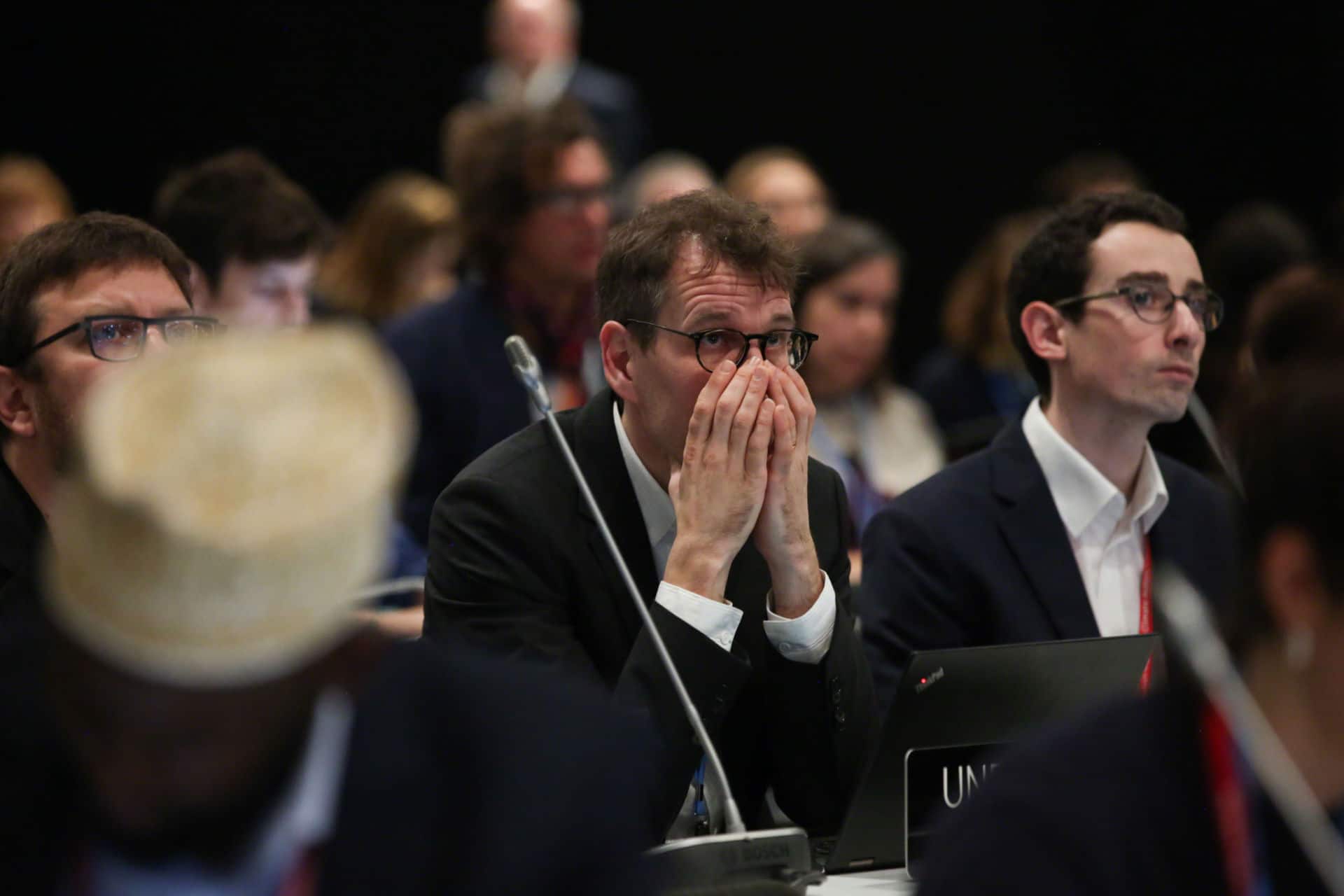
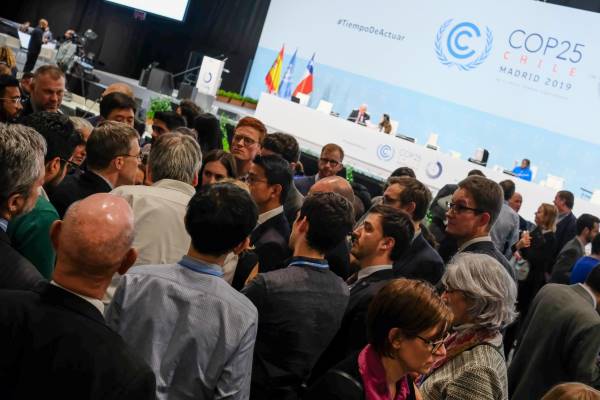
As the year came to a close, governments at the UN Climate Change Conference in Madrid (COP 25) failed to issue a clear call for ambition and could not agree on rules for the market mechanism necessary to complete the Paris Agreement rulebook. The Paris Agreement officially begins in 2020 amid major questions about its ability to catalyze climate ambition and prevent global warming above 2°C.
There were a few bright spots during the year as some policymakers acted on the scientific truths. The first multilateral action to reduce global plastic waste, which amounts to millions of tons each year, was taken under the Basel Convention on the Control of Transboundary Movement of Certain Hazardous Wastes and Their Disposal. In May, parties to the Basel Convention agreed to include mixed, unrecyclable, and contaminated plastic waste exports into the control regime that requires the consent of importing countries before waste exports can proceed.
The Paris Agreement officially begins in 2020 amid major questions about its ability to catalyze climate ambition and prevent global warming above 2°C.
The fourth meeting of the UN Environment Assembly sent a strong signal that production and consumption of single-use plastics should be reduced or phased out, and the plastics industry has been put on notice. In fact, over the course of the year more than 30 countries, nearly half of which are in Africa, put in place bans on single-use plastic bags.

As we outline in a chapter on linkages, 2019 was also notable for increasing recognition of the need for a more interconnected form of governance. More and more, actors drew linkages among environmental and sustainable development processes, especially biodiversity and climate change, land and climate change, oceans and climate change, human health and the environment, and economics, trade and climate change. The increased understanding about the impacts of degrading ecosystems and a warming climate on local and global economies alike, has led to a number of multinational companies and financial institutions announcing new climate-friendly policies and investments.

OF COURSE, THE LINKS AMONG THE SDGS AND MULTILATERAL ENVIRONMENTAL AGREEMENTS (MEAS) ARE MANY AND COMPLEMENTARY.
The 2019 Sustainable Development Goals Report was released in time for the SDG Summit in September. The report outlined progress in some critical areas, including declines in extreme poverty and the under-5 mortality rate, increases in access to electricity, and greater efforts to respond to urbanization, waste, and illegal fishing. Nonetheless, many areas need urgent collective attention, including climate change, ocean acidification, land degradation, hunger, education and gender equality. The report also stressed that the goal to end extreme poverty by 2030 is jeopardized as the world struggles to respond to entrenched deprivation, violent conflicts, and vulnerabilities to natural disasters.
It is abundantly clear the world needs an urgent, ambitious response to unleash a social and economic transformation. But, in 2019, world leaders appeared detached from the crisis at hand, reading statements that were largely devoid of meaningful pledges. This reaction was in stark contrast to the verdict of the people who rose in protest during the Summit and throughout the year: leaders are failing to address the environmental and development emergency the world faces.
It is abundantly clear the world needs an urgent, ambitious response to unleash a social and economic transformation.
This year, we face a busy international agenda as well as waning political will, rising nationalism, and faltering support for multilateralism. 2020 is expected to conclude negotiations and establish new tools to address biodiversity, marine biodiversity in areas beyond national jurisdiction, and a post-2020 strategic approach to international chemicals management. We are already in the fifth year of SDG implementation, and to succeed by their 2030 completion date, governments still need to increase their ambition under the Paris Agreement.
Positive, forward-looking outcomes are essential, but not guaranteed.
About the author: Pamela Chasek is an Executive Editor at Earth Negotiations Bulletin, Jennifer Allan is a Writer and Editor at Earth Negotiation Bulletin
EDITOR’S NOTE: The opinions expressed here by Impakter.com columnists are their own, not those of Impakter.com. Photo Credit: IISD