

Cities want fewer cars on the road, and small electric vehicles offer an easy way to get there. But e-bike and e-scooter injuries are rising as fast as ridership. That raises a fair question for planners, employers and riders alike. Can a cleaner commute also be a safe one?
The answer depends on road design, clear rules and rider habits. It also depends on what happens after a crash. This article looks at what the data shows, how California law applies and what riders can do to protect themselves and their claims.
Why cities are betting on small electric vehicles
One of the hardest to justify on climate grounds is short car travel. A driver can drive a mile or two and walk the remainder. Many of those trips can be done by e-bikes and e-scooters.
Research supports part of that idea. A Fraunhofer ISI study of six cities found that shared e-scooters and e-bikes can lower net carbon emissions. The size of the benefit varied by city. It depended on the local power mix and on which trips the devices replaced.
The gain is not automatic. The European Environment Agency has noted that walking, cycling and public transit remain greener than e-scooters and ride-hailing. A scooter helps most when it replaces a car trip. It helps far less when it replaces a walk.
What the injury numbers show
The federal government keeps records of these injuries, and the rate is climbing. According to a Health Affairs analysis of U.S. Consumer Product Safety Commission data, the agency reported 533 deaths from 2017 to 2024 involving micromobility devices. Over the same time frame, deaths increased from 5 to 135 per year. ER visits rose from 37,300 to 149,100 per year. The number of e-bike-only fatalities jumped from zero to 97.
These are only approximate figures. The data on injuries prior to 2024 classified e-bikes with mopeds. There are also conflicting figures from two federal agencies in relation to deaths from the same sources. Still, both counts reflect an upward trend, particularly for e-bikes.
Fire is also a risk. Between January 2021 and the end of November 2022, the commission has reported a minimum of 19 deaths associated with micromobility device fires. It also advised passengers to stay close to the charging vehicle and use only authorized replacement batteries.
What California law says
California has built a clear set of rules around e-bikes and scooters. A few of them matter most after a crash.
E-bike classes
The state added its three-class system to the Vehicle Code in 2015. Under Vehicle Code § 312.5, a Class 1 e-bike gives pedal assistance up to 20 mph. A Class 2 e-bike can run on a throttle, and its motor stops helping at 20 mph. A Class 3 e-bike gives pedal assistance up to 28 mph and must have a speedometer.
Helmets and age limits
Under Vehicle Code § 21212, riders under 18 must wear a helmet on any type of e-bike. All passengers on a Class 3 bike are required to wear a helmet and Class 3 riders are required to be at least 16 years old under Vehicle Code §21213. A health advisory from San Diego County restates both rules.
E-scooters have different rules. Cities and park districts may have additional restrictions on riding on paths and trails. Always check local law and signage.
Fault and deadlines
California uses a rule called pure comparative negligence. The California Supreme Court adopted it in Li v. Yellow Cab Co. in 1975. A rider who shares some blame can still recover money. The award is reduced by the rider’s share of fault. Insurers sometimes point to missing safety gear when arguing over who was at fault.
Deadlines matter too. The general rule for filing most injury claims is that they must be filed within two years under Code of Civil Procedure (CCP) § 335.1. Under Government Code § 911.2, a written claim should be made within 6 months of when a public agency may share in fault, such as a city that failed to clear a road hazard.
Safer streets are part of the sustainability story
A well-designed road can help reduce emissions and injuries. Impakter has reported on research studies that found protected cycle lanes help reduce emissions and decrease deaths. For cities to encourage people to switch from driving, they must provide a safe route.
Employers also have a role. Many companies track commuting emissions as part of their ESG reporting. They can encourage staff to bike or scoot to work. Safety belongs in that plan. Helmets, training for riders and clear battery charging rules help with the part of ESG just as much as the environmental part.
Manufacturers and cities have work to do too. Cities can fund protected lanes, fix hazards quickly and enforce speed limits. Makers can meet battery safety standards and label their products clearly.
How riders can lower their risk
The Consumer Product Safety Commission offers simple safety advice for micromobility users. Wear a helmet every time. Follow the maker’s weight and age limits. Use the charger that came with the device or an approved replacement. Report safety problems with a product to the commission through SaferProducts.gov.
What riders can do after a crash
A crash can leave a rider hurt, confused and facing calls from insurers. A few steps can protect both health and legal options.
- Get medical care right away, even if injuries seem minor. Some injuries, such as concussions, can show up later.
- Call the police and ask for a crash report number.
- Take photos of the scene, the vehicles, the device and any damage to your helmet.
- Keep the device and battery as they are. Do not repair or throw them away.
- Get names and contact details for witnesses.
- Share facts with insurers, and avoid guessing about fault.
Some crashes raise harder questions. A driver may be at fault, a battery may be defective or a road may be unsafe. Riders who want to know where they stand can speak with a California personal injury firm such as Jacoby & Meyers, whose practice areas include scooter, bicycle and pedestrian accidents. Talking with a lawyer early can also help riders meet the deadlines described above.
The bottom line
E-bikes and e-scooters provide a great way for cities to reduce their emissions. However, there are risks involved and the data shows that things are getting worse. California has set laws that tell riders what they should do and what their rights are. All parties, including cities, employers and riders, can help make journeys safer.
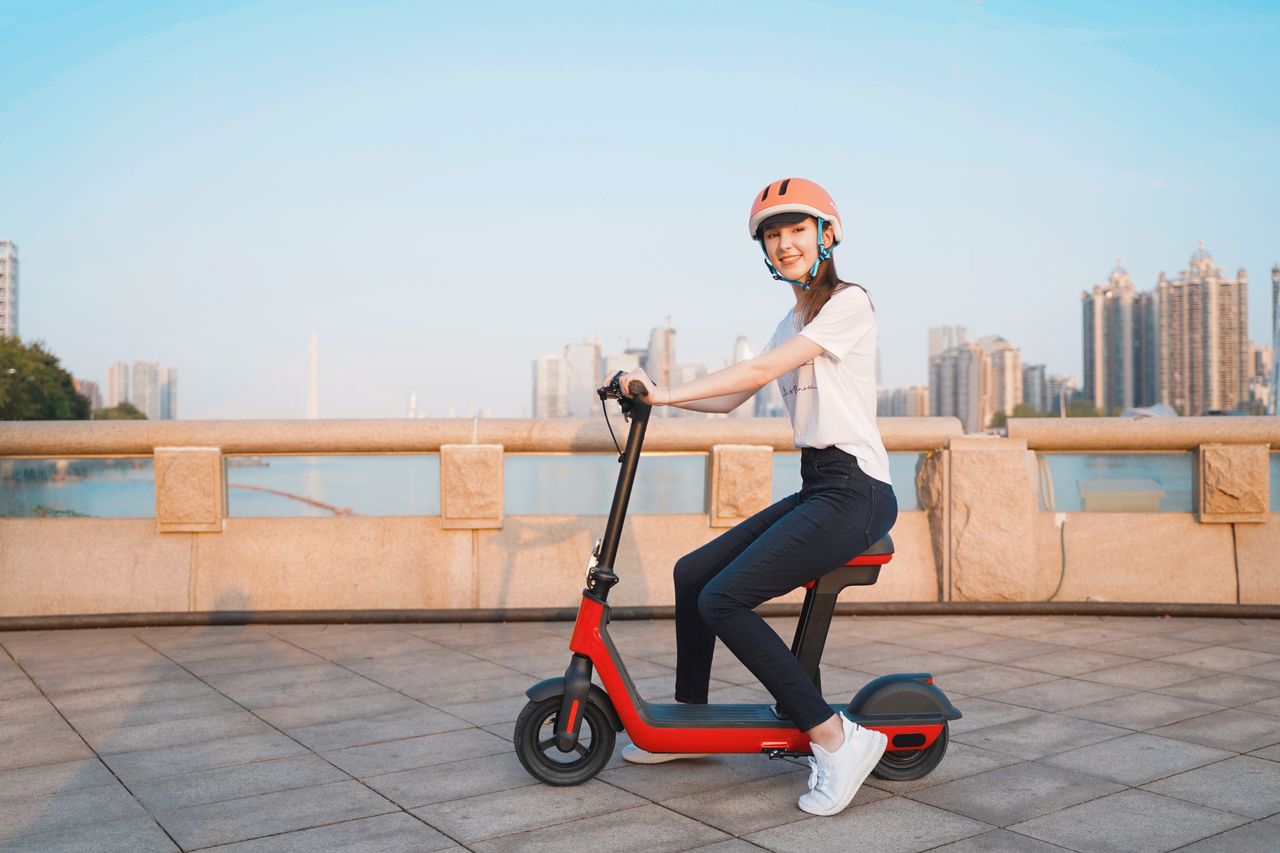
Editor’s Note: The opinions expressed here by Impakter.com columnists are their own, not those of Impakter.com — In the Cover Photo: A helmeted e-scooter rider illustrates the safety considerations facing urban commuters. Cover Photo Credit: G-FORCE Bike / Pexels.