

Today’s ESG Update
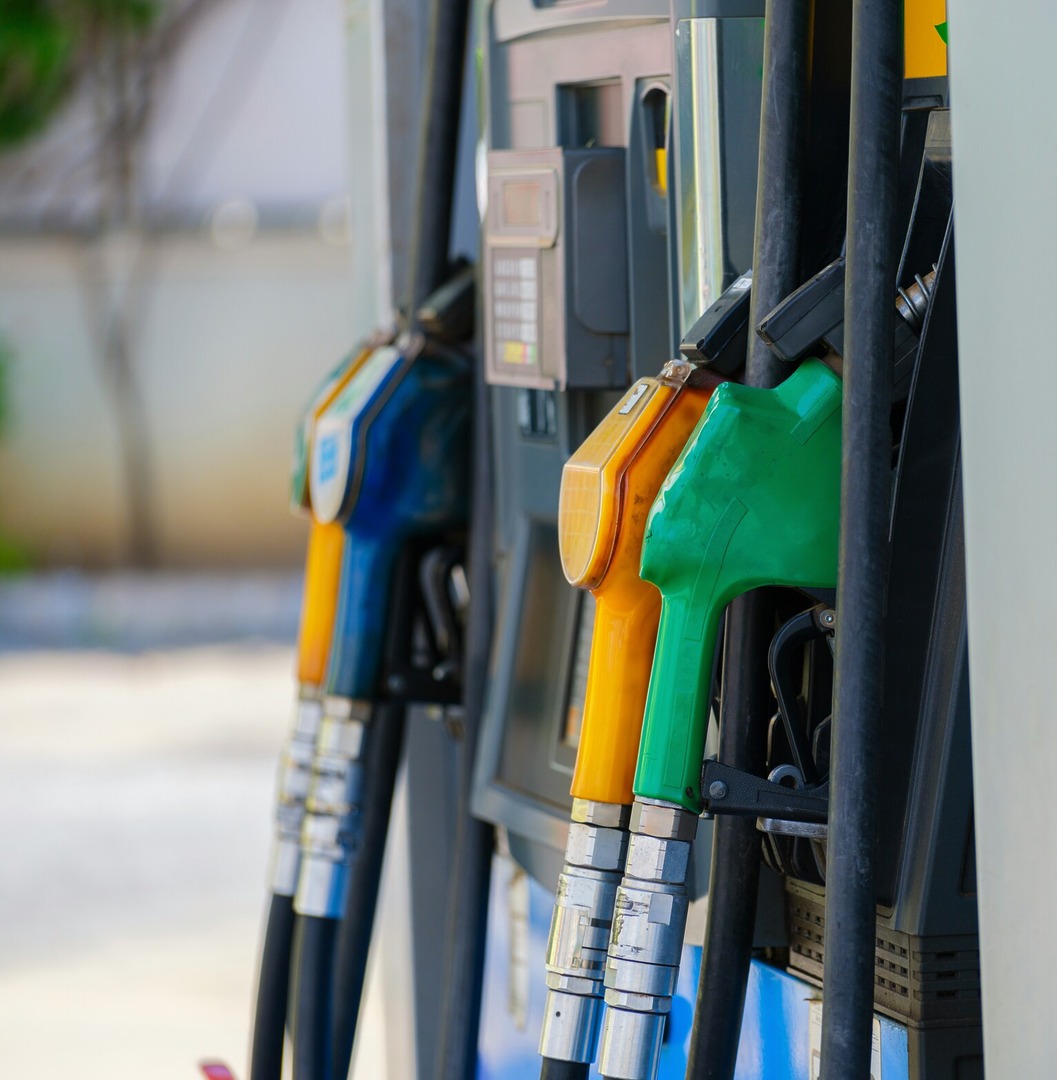
- Brazil’s Biodiesel Push Gains Momentum: Firms are testing higher biodiesel blends as simpler rules, climate obligations, and diesel-supply risks make domestic biofuels a more attractive option.
- Diesel Crunch Deepens as IEA Urges Further Stock Releases: Disrupted exports and constrained shipping are tightening diesel supplies, raising the risk of higher costs across transport, food, and industry.
- India Targets 604 Million Tonnes of Steel Capacity by 2047: India’s draft steel policy sets ambitious growth and emissions goals and plans to secure the iron ore and coking coal needed to meet future demand.
- Bio-LNG Offers Singapore a New Route to Energy Resilience: Singapore’s first certified bio-LNG shipment and a planned terminal expansion could strengthen energy security while supporting the shift to lower-carbon fuels.
Brazil’s biodiesel push gains momentum
Brazil’s voluntary biodiesel market is shifting from a climate-driven experiment to a strategic hedge against diesel-price and supply shocks: companies are testing blends above the 15% mandate, while moving from prior approval to simple notification lowers adoption barriers.
The immediate drivers are Brazil’s pending carbon market, where biofuels may complement carbon-credit purchases, and exposure to imported diesel.
Vale, Mercedes-Benz, Petrobras, and Rumo are among the firms trialing higher blends, while other companies are testing pure biodiesel for specific uses. If trials establish reliable engine performance and the simpler rule persists, procurement could shift toward long-term domestic biofuel supply contracts; that, in turn, may encourage producers to expand capacity and feedstock sourcing, tightening links between energy security, agricultural markets and land-use sustainability.
More uptake could also make Brazil’s transport and industrial emissions less sensitive to oil-market shocks. Still, climate benefits depend on lifecycle emissions and responsible feedstock production, not blend percentage alone.
The main constraint is proving it at scale, as technical durability, dependable supply, and lifecycle credentials must hold up beyond pilots, or biodiesel’s higher normal-period cost could limit adoption once diesel volatility eases.
Klimado – Navigating climate complexity just got easier. Klimado offers a user-friendly platform for tracking local and global environmental shifts, making it an essential tool for climate-aware individuals and organizations.
Diesel crunch deepens as IEA urges further stock releases
The IEA’s call for faster, diesel-focused stock releases reflects a deeper supply shock than the earlier crude-led response, as conflict-related disruption has cut global diesel exports by roughly one-third. At the same time, freight bottlenecks and refining margins above $100/bbl (barrel) impede relief.
Sustained scarcity could lift transport, food, and industrial costs, feeding inflation and pressuring central banks; if emergency stocks fail to lower prices, governments may resort to export controls or politically sensitive Russian imports, weakening sanctions coordination.
Repeated drawdowns could also leave import-dependent countries more exposed to the next disruption, accelerating investment in refining resilience and alternative fuels.
Still, the 15 October review may reveal whether releases can reach markets quickly enough.
Related Articles
Here is a list of articles selected by our Editorial Board that have gained significant interest from the public:
India targets 604 million tonnes of steel capacity by 2047
India’s draft steel policy targets 604 million tonnes of capacity by 2047, with emissions intensity down 39%; but projected steelmaking still implies total annual emissions rising to roughly 818 million tonnes of CO₂.
Yet execution could deepen reliance on imported coking coal and intensify competition for iron ore, infrastructure, and clean power, increasing exposure to commodity, logistics, and carbon-policy shocks.
If low-carbon steel investment and scrap systems lag capacity growth, India may lock in high-emitting assets, face trade barriers in export markets, and shift decarbonisation costs onto industry and consumers.
The target is ambitious, but delivery will determine its climate and strategic payoff.

Bio-LNG offers Singapore a new route to energy resilience
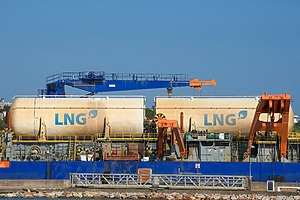
Singapore is positioning bio-LNG as one tool to diversify energy supply while decarbonizing. Its first EU-certified shipment has arrived, and a new terminal jetty is planned to support LNG bunkering and bio-LNG handling by 2028.
Infrastructure built for gas may shape Singapore’s fuel mix and trading role for decades: it could ease maritime emissions and attract low-carbon investment but also lock in gas-based assets, increase reliance on credible sustainability certification and scarce waste feedstocks, and divert capital from zero-carbon alternatives.
Singapore’s Bio-LNG therefore strengthens energy resilience only if it complements deeper electrification and other scalable clean fuels.
Editor’s Note: The opinions expressed here by the authors are their own, not those of impakter.com — Cover Photo Credit: engin akyurt on Unsplash