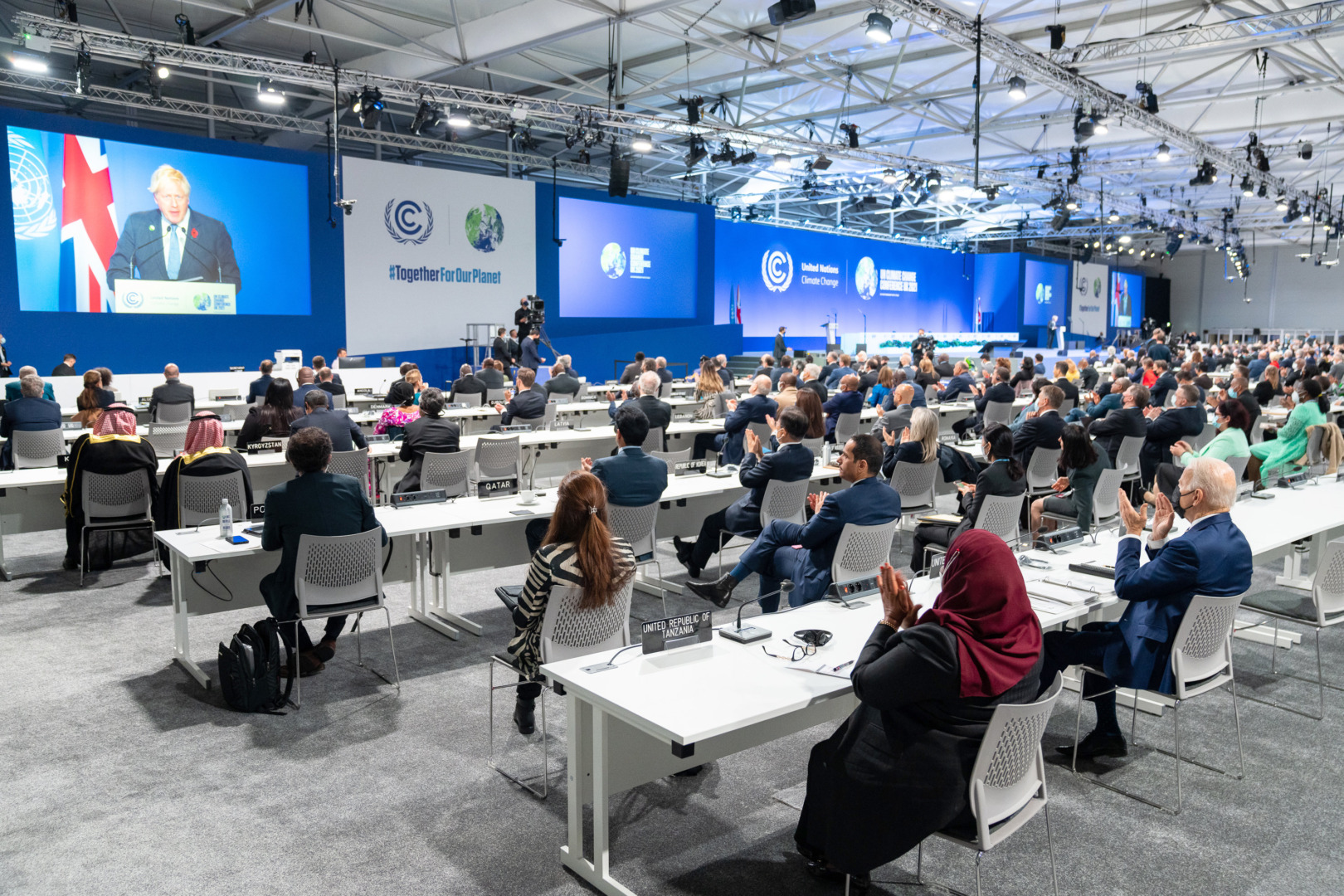
Yesterday marked the beginning of a UN climate conference in Bonn, Germany, focused on demonstrating how governmental and non-governmental organisations intend to track progress in the implementation of the Paris Agreement goal to limit climate warming below 1.5°C.
Unfolding at the mid-point between the COP26 in Glasgow last November and the coming COP27 in Egypt next November, the negotiations were convened by the UN Climate Change High-Level Champions – whose team is required to coordinate voluntary and collaborative actions taken by cities, regions, businesses, investors, and NGOs, with governmental organisations’ efforts to tackle climate change.
The appointment of the Climate Change High-Level Champions dates back to the COP21 when governments agreed that the contributions of non-state actors, which include populations on the frontline of the climate crisis, were necessary to inform government policy and enhance global climate action.
The Bonn Climate Conference gathers dignitaries and experts from the Subsidiary Body for Implementation (SBI) and Subsidiary Body for Scientific and Technological Advice (SBSTA), both of which are part of the United Nations Framework on Climate Change (UNFCCC). The framework signed in 1992 binds all the world’s nations to “avoid dangerous climate change.”
From the onset, the climate conference displayed the signs of rising geopolitical tensions as delegates walked out of the session during the speech of a Russian official. This was the first Russian intervention at a UN climate forum since the country’s invasion of Ukraine last February.
The muted protest echoed climate negotiators’ plead that the international community should not let geopolitical tensions and soaring food and energy prices overshadow discussions on equally urgent climate issues – and even less use them as an excuse to delay the implementation of their climate commitments.
The executive secretary to the UNFCCC Patricia Espinosa voiced her concerns over the implications of the Russo-Ukrainian war regarding the global effort to cut down carbon emissions and raise funding to help developing countries tackle climate change.
“We all know that the world of COP27 will look nothing like it did for COP26,” she said. “It is a world beset with conflicts, energy, food, and economic crises… and the global pandemic is still with us.”
While the Bonn conference is unlikely to result in any breakthrough or major decision, it is an important opportunity for countries to settle matters left over at the Glasgow COP26 summit last year, and to outline key priorities in anticipation of the COP27.
Most importantly, the Bonn climate discussions mark the start of the first Global Stocktake (GST), which is a new feature of the intergovernmental negotiations carried out under the stewardship of UNFCCC.
Climate conference centres on the initial phase of the Global Stocktake
The Global Stocktake of the Paris Agreement is a global framework for “taking stock” of the implementation of the Paris Agreement. It seeks to assess the world’s collective progress toward achieving the agreement’s goal to limit global warming to 1.5°C.
This is an urgent step to take, Given a separate report’s recent estimation that 98% of countries are falling behind on their climate targets.
The first GST, starting this week, contains three phrases. The first, which is ongoing and should reach a conclusion early next year, consists in gathering and preparing information on the means to assess and enhance the implementation of ambitious climate policies.
The second consists of a technical assessment of climate action policies through inclusive dialogues – meaning they will include the perspectives and advice of non-state actors like NGOs, cities, regions, businesses, and civil communities on the frontline of climate change. This component is set out to last until June next year.
Finally, the third GST component is an event at COP28 in 2028 where the results of these assessments will be considered at the highest level.
On Wednesday, the High-Level Champion Dr Mahmoud Mohieldin and First Minister Nicola Sturgeon and their collaborators will start discussions over the means to take stock of progress for non-state actors, which include communities that are directly impacted by global warming, often from poorer countries.
This brings us straight to the one issue that has kept on dividing states over years of climate discussions: money.
Related articles: Defining Moment for Europe’s Green Transition: EU Parliament Votes on Climate Policies to Cut Emissions Faster | Fossil Fuel Giants’ “Carbon Bombs” Threaten Climate Goals | COP: What Is it Exactly and Why Is COP27 so Important?
Talks highlight financial inequalities between rich and poor countries – and the formers’ lack of political will
Global warming is a known driver of inequality as it tends to impact most severely the regions of the world that are the less responsible for it. Because these regions are also poorer than the Western countries, whose historic role in causing global warming is well established, these climate inequalities also directly translate into development and financial inequalities between nations.
Countries like India, Pakistan, Somalia, Kenya, and Ethiopia, which are struck by intensifying droughts and heatwaves, bear the financial burden of having to deal with the ensuing conflicts, famines, epidemics… Wealthier nations also played a major role in the impoverishment of developing countries, historically fueling their industrial rise by draining the global South.
All of this leads to developing countries not having the financial capacity to start a transition toward renewable energy.
On Tuesday, the High-Level Champions, frontline communities, and non-state actors will discuss the most contentious feature of the climate action plans, namely the question of loss and damage caused by climate change. Loss and damage precisely designate these types of catastrophic damage that cannot be adapted to, and for which poor countries will require international assistance.
But rich countries resist the approach as they want to avoid affected countries from coming forward asking for compensation.
On Monday morning, discussions on a financing facility for loss and damage were not included on the official agenda of the Bonn Climate Conference, which disappointed a number of campaigners.
With Tuesday’s sessions, there’s hope some progress may take place on a topic that governments, especially those of rich, developed countries, can no longer afford to ignore, and civil protests at the event stressed the urgency of the situation.
📣 Civil society demands negotiators at #BonnClimateConference #SB56: No more blah blah blah! Leaders must act for the most vulnerable and prioritise #LossandDamage finance on the agenda now! ✊🏾
Act now👉https://t.co/kDtFsdcnqE#PayUp4LossandDamage #COP27pic.twitter.com/Gdx5dC4eWC
— Climate Action Network International (CAN) (@CANIntl) June 7, 2022
“We cannot wait any longer,” said Ugandan climate activist Vanessa Nakate. “People on the frontlines of the climate crisis are already losing livelihoods and lives. We need to stop talking and start helping people. We need to put people on the agenda – now.”
While Washington, London, and Brussels voiced their optimism over the current energy crisis potentially accelerating a shift to renewable energies in Europe, UNFCCC executive secretary Patricia Espinosa stressed that this same crisis may cause resources to shift away from what developing countries need to begin a similar transition.
“That’s where the real crunch comes,” said Alden Meyer, senior associate with the E3G think tank. “It always comes down to money. And the reality is there’s a lot of demands on the system right now for financial resources.”
In fact, a recent report by Oxfam revealed the funding needed by UN climate disaster appeals has risen “more than 800%” in 20 years.
But Meyer added this was also a “matter of political will,” pointing to how the Russo-Ukrainian war showed that Western countries could raise funds of tens of billions of dollars almost overnight. “And yet,” he said, “the US can’t figure out how to meet our $2 billion arrearages to the Green Climate Fund.”
One wonders why a framework for the systematic assessment of the world’s progress on climate targets was not created earlier, as scientists have been warning the international community for years and even decades that global warming was soon going to cross a catastrophic and irreversible threshold.
Three former UN climate heads have recently warned that current policies and measures will result in global warming reaching at least 2.7°C and potentially 3.6°C in the future years.
The set-up of the first Global Stocktake will take at least a year and a half, and though it constitutes an important step towards holding governments accountable for climate action – or lack thereof – governmental pledges and outlines still need to materialize into material global action, and into significant, meaningful financial commitments aimed at this purpose.
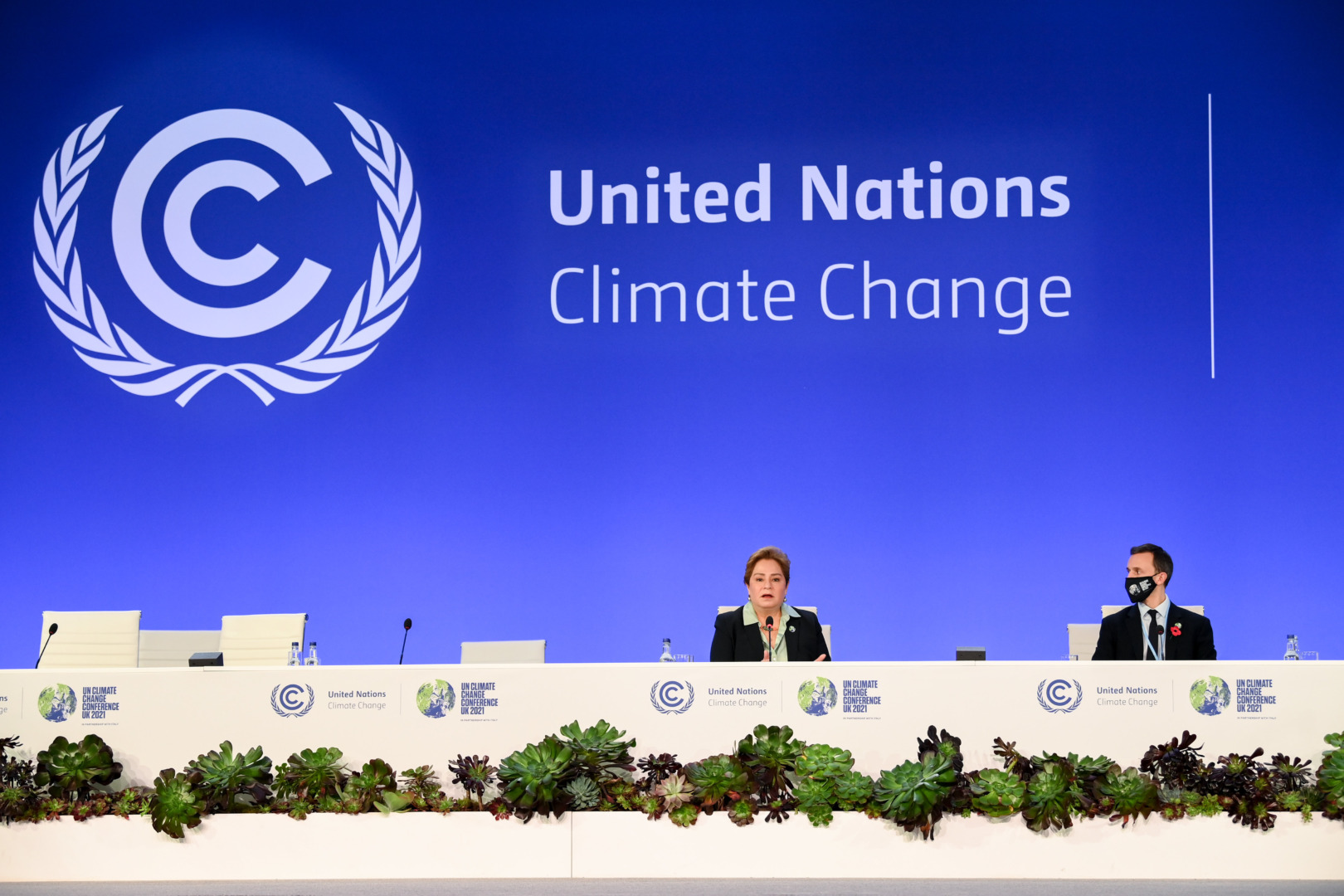
Editor’s Note: The opinions expressed here by Impakter.com columnists are their own, not those of Impakter.com — In the Featured Photo: Patricia Espinosa, Executive Secretary United Nations Framework Convention on Climate Change, and Archie Young speaking at the Presidency Event; 4th High Level Ministerial Dialogue on Climate Finance at the SEC, Glasgow. 03/11/2021. Featured Photo Credit: Karwai Tang/Flickr.