Today’s ESG Updates
- BHP-Led Consortium Targets Steel’s Carbon Problem: BHP and other steel giants have announced a feasibility study for large-scale CCUS projects in Asia.
- Heat Waves are Threatening Europe’s Nuclear Power Supply: Hotter summers are frequently forcing nuclear plants offline in Europe.
- Canada Plans East-West Power Links to Boost Domestic Capacity: Major transmission projects aim to unite provinces, boost exports, and power LNG growth.
- Startup Aira Secures €150M to Accelerate Heat Pump Rollout: Swedish heat pump maker expands manufacturing in Europe.
Klimado – Navigating climate complexity just got easier. Klimado offers a user-friendly platform for tracking local and global environmental shifts, making it an essential tool for climate-aware individuals and organizations.
BHP-led steelmaker consortium to explore carbon capture in Asia
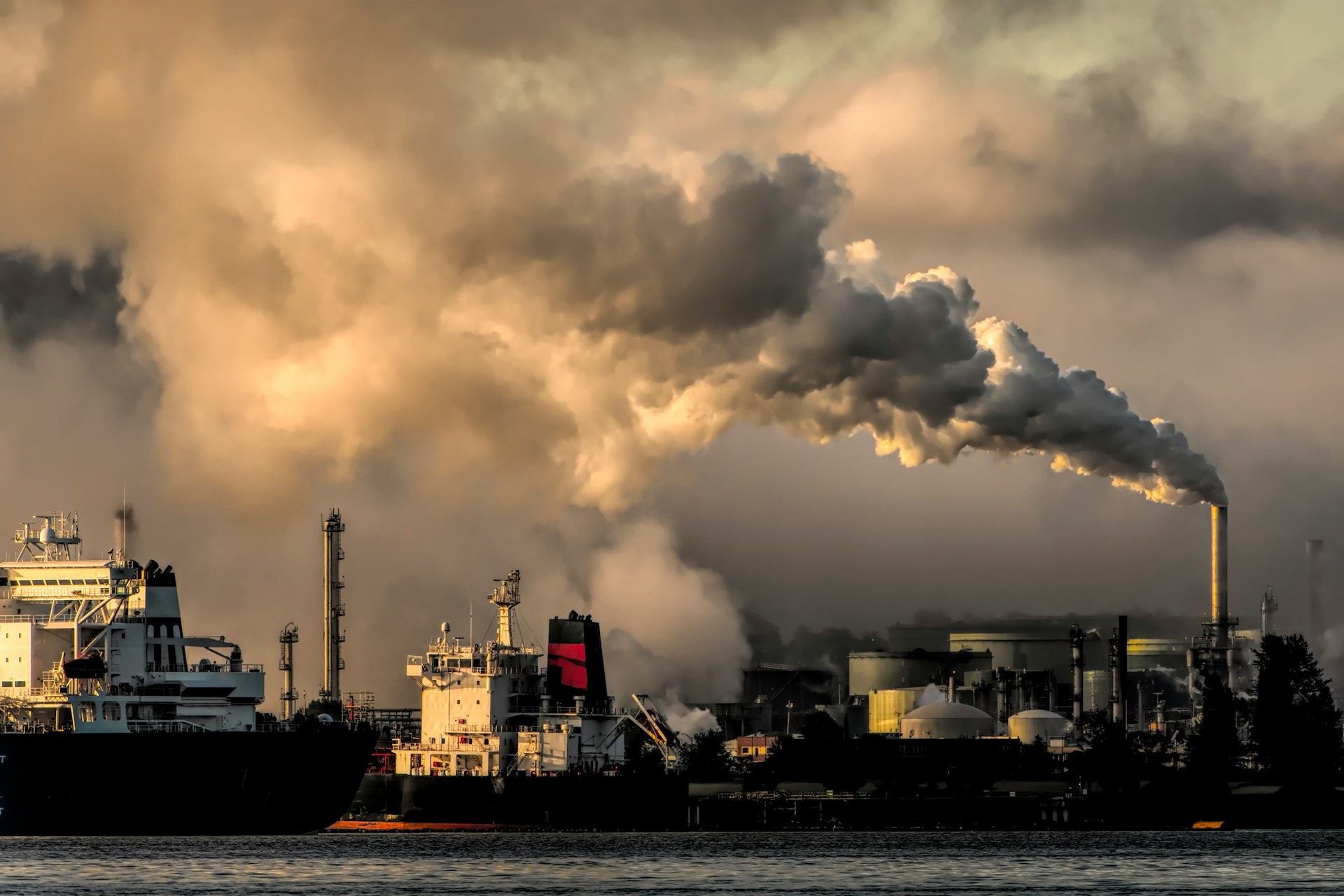
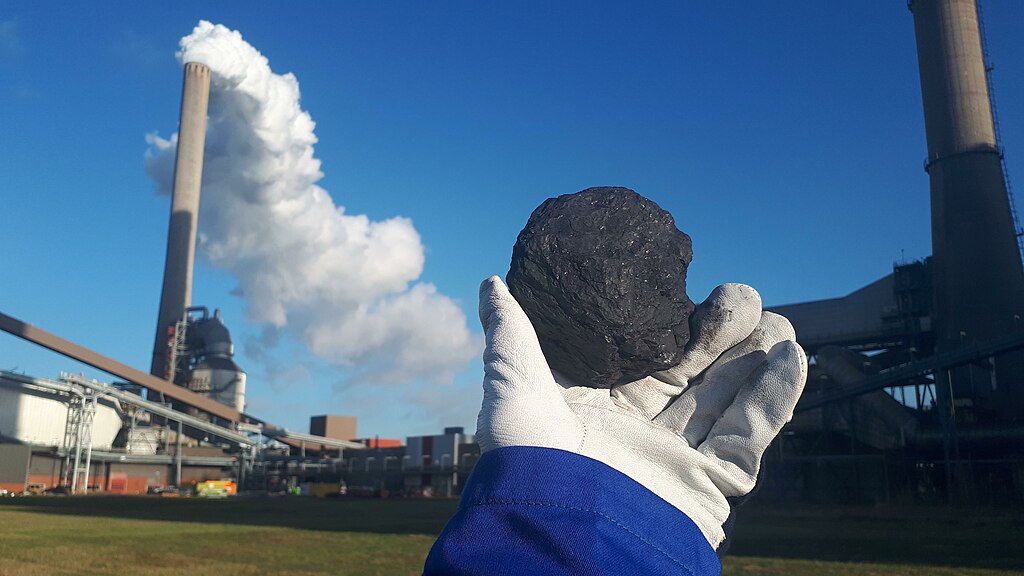
BHP Group will lead a consortium including ArcelorMittal Nippon Steel India, JSW Steel, Hyundai Steel, Chevron, and Mitsui to explore large-scale carbon capture, utilization, and storage (CCUS) in Asia and Northern Australia. The 2026 pre-feasibility study will assess storage options for blast furnace emissions, with Asia’s steel sector producing over 1 billion tonnes annually and contributing 8% of global CO2. Proponents argue that CCUS can provide a temporary solution for high-carbon assets; however, its high costs, energy demands, and concerns over storage integrity have hindered its adoption, particularly in Asia. For investors, the key uncertainty is whether CCUS delivers verifiable long-term emissions reductions or risks prolonging fossil-dependent infrastructure, particularly as steelmakers consider shifts to electric arc furnaces and alternative low-carbon production routes. Investors can use ESG tools to track how developments in heavy industry may impact both climate risk exposure and long-term portfolio resilience.
***
Further reading: BHP leads steelmaker venture in Asian carbon capture storage
Europe’s nuclear power faces rising heat wave shutdown risks
Weather-related nuclear power outages in Europe, mainly from increased temperature of cooling water, have tripled in the past decade compared to the previous 20 years, according to research in Energy Economics. French reactors such as Chooz and Golfech, reliant on river water, expect curtailments of up to 14% in worst-case years by mid-century. Retrofitting closed-cycle cooling systems could mitigate the problem, but at an estimated $500 million per plant. France’s 2022 decision to allow hotter water discharges is one temporary regulatory waiver that highlights the tension between grid reliability and environmental safeguards. Nuclear remains a critical baseload complement to renewables, but climate risks are forcing expensive trade-offs and operational uncertainties for Europe’s energy mix.
***
Further reading: Heat Waves Are a Growing Threat to Europe’s Nuclear Power Supply
Canada’s grid expansion plans target energy security and export growth
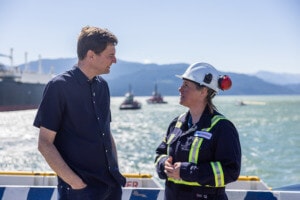
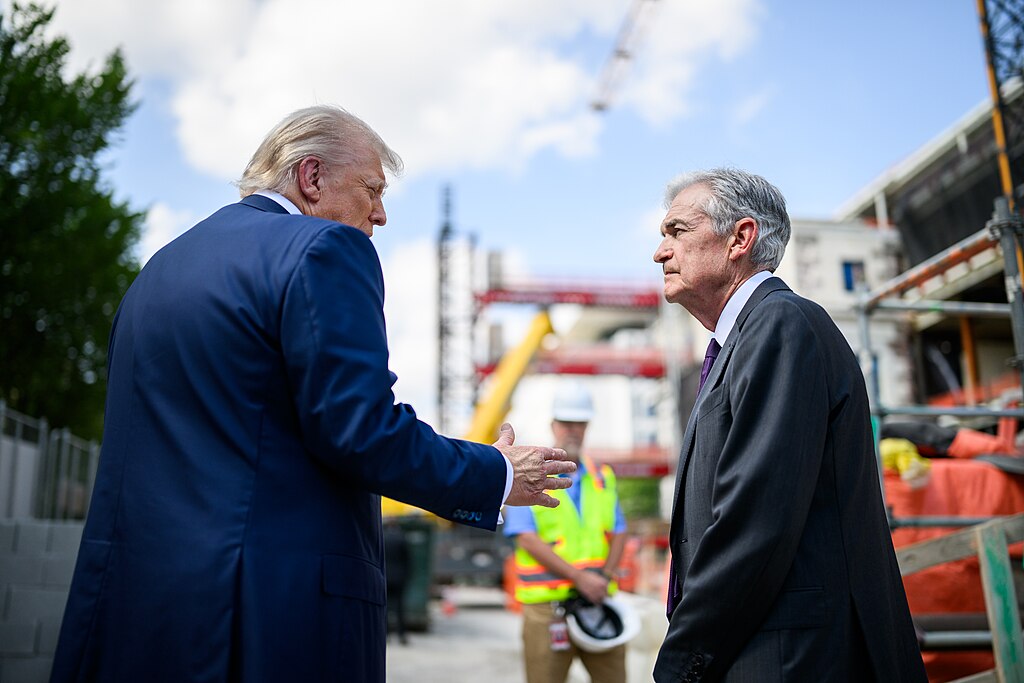
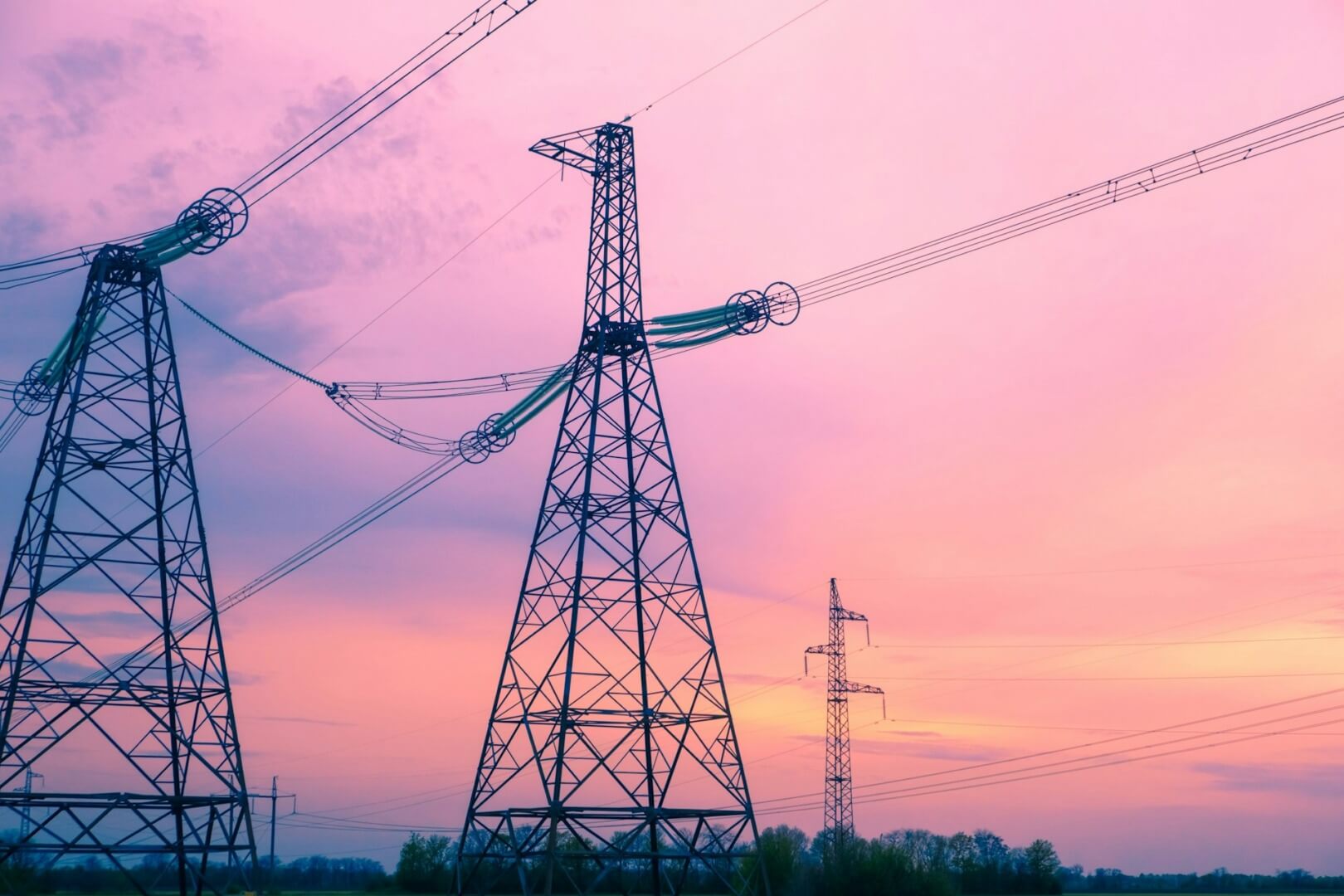
Canada is preparing major new electricity transmission projects on both coasts to strengthen its grid and expand exports, according to Natural Resources Minister Tim Hodgson. Initiatives like the Eastern Energy Partnership aim to link Atlantic Canada’s wind and nuclear power with Quebec’s vast hydro reserves. In contrast, British Columbia’s North Coast Transmission Line could power export terminals and connect to Yukon’s mineral corridors. These projects form part of Prime Minister Mark Carney’s vision of making Canada an “energy superpower” and reducing dependence on U.S. markets. Hodgson also signaled support for the Pathways Alliance carbon capture project for oil sands, but acknowledged that Alberta’s weak carbon credit prices threaten its viability. For companies, CCUS offers potential compliance value, but market volatility and technological risk raise questions about cost recovery and long-term environmental benefit.
***
Further reading: Canada Sets Sights on New Electricity Projects in Quest for Energy Growth
Swedish heat pump startup Aira raises €150M for EU expansion
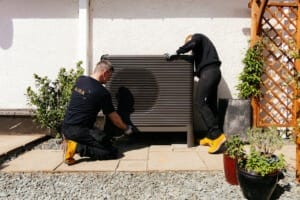
Stockholm-based Aira has secured €150 million from existing backers to accelerate the rollout of its heat pump systems across Europe. Founded in 2022 by the co-founder of Northvolt, the company designs and manufactures its products to gain cost advantages over imported models, particularly amid rising competition from Chinese suppliers. The funding will ramp up production at Aira’s €300M Polish plant, expand market presence, and hire and train clean-heat installers, a common block in scaling adoption. With the EU targeting 30 million heat pumps by 2030, the company aims to tap growing demand for low-carbon heating despite recent dips in sales following a record 2022.
***
Further reading: Aira announces €150m equity financing to accelerate the electrification of residential heating in Europe
Editor’s Note: The opinions expressed here by the authors are their own, not those of impakter.com — Cover Photo Credit: Marcin Jozwiak