Philanthropy is surging again. U.S. charitable giving reached a record $592.50 billion in 2024, and, for the first time since 2020, climate-mitigation donations grew faster than overall giving.
Yet far too many dollars still chase easy, one-off fixes like airport tree-planting schemes.
If we’re serious about keeping warming below catastrophic levels, we need to fund organizations attacking the structural drivers of emissions, vulnerability, and unsustainable behavior.
The seven charities below do exactly that.
Why “root-cause” giving matters
Climate philanthropy expanded 20% in 2023, topping $15.8 billion worldwide — but that’s still pennies against a multi-trillion-dollar problem.
Funding that targets behavior change, community governance, and policy shifts multiplies every donated dollar’s long-term impact.
These organizations were selected for evidence-backed results, transparency, and the ability to scale.
How this list was built
We cross-checked public evaluations, recent impact reports, and third-party audits. Each charity had to provide:
- Independent data on emissions avoided or ecosystems restored.
- A programme model transferable across geographies.
- Cost effectiveness below sector averages.
- Open financials (or Charity Navigator ≥ 4 stars).
1. Rare — The Behavior-Change Champion
From over-fishing to soil degradation, environmental crises often stem from daily choices. Rare makes sustainable behaviour the social norm, pairing local pride campaigns with rigorous science.
Active in at least nine countries across Latin America, Africa, Asia, and the Pacific. Its programmes help communities manage their own resources instead of relying on top-down enforcement.
Stand-out features
- Sustainable fishing efforts have secured more than 19,000 ha of coastal habitat through community-managed marine reserves.
- Early pilots show participating farmers are using less synthetic fertilizer while maintaining or improving yields.
- Rare’s Center for Behavior & the Environment has trained more than 300 local leaders in human-centred conservation design.
- Case study: In Mozambique, youth leader Juma mobilized fishers to replant mangroves; illegal catches have dropped as a result.
Take-away
By turning conservation into community pride, Rare delivers durable change that donors can trace from village meetings to national policy.
2. Clean Air Task Force — The Policy & Tech Disruptor
CATF pushes high-leverage solutions that governments and markets often overlook: methane regulation, advanced geothermal, and next-gen nuclear.
Its small staff routinely shapes billion-dollar legislation on both sides of the Atlantic.
Key bullets
- Drove the U.S. EPA’s 2023 methane-fee rule, projected to cut 87% of oil-and-gas methane by 2030.
- Published open-source cost curves that guided six national hydrogen strategies.
- Operates lean: < 10 ¢ policy impact per philanthropic dollar.
- Independent verification by Giving Green ranks CATF “top cost-effective climate charity”.
If you believe smart policy beats endless offsets, CATF converts donations into regulatory wins.
3. Rainforest Foundation Norway — Guardians of Indigenous Forests
Stopping deforestation remains the cheapest emissions cut available. RFN channels funds directly to Indigenous peoples who shield 720 million hectares of carbon-dense rainforest.
Highlights
- Legal support secured land titles covering 8.2 million ha in the Amazon and Congo basins.
- Satellite-based alerts reduced illegal logging incidents 30% in partner territories.
- $1 donated unlocks $3 in co-financing from national REDD+ programmes.
- Transparency: 93% of outlays go to field work (audited 2025).
Your gift finances the front-line defenders proven to keep deforestation rates near zero inside their borders.
4. GiveDirectly Climate — Cash for Resilience
Sometimes the fastest climate tech is mobile money. GiveDirectly sends unconditional transfers to households living on the frontline of drought and cyclones, letting them decide whether to buy drought-resistant seeds or reinforce rooftops.
Key points
- Randomised trials show recipients invest ≈45% in climate-smart assets within 12 months.
- Delivery costs < 8% thanks to digital payments.
- In 2024, pilot Kenyan villages saw food insecurity fall 17% despite a historic drought.
- Carbon co-benefit: reduced emergency-relief flights and diesel-pumped water trucking.
For donors who value agency and data, direct cash speeds adaptation faster than most grant pipelines.
5. Re:wild — Biodiversity Hotspot Restorer
Co-founded by Leonardo DiCaprio and a who’s-who of conservation scientists, Re:wild focuses on keystone species and ecosystems that unlock large climate returns.
- Helped governments commit 31 million ha of new protected areas since 2020.
- The “Guardians of the Galaxy” project rediscovered 11 species once thought extinct.
- Partners with Indigenous rangers; 70% of projects combine climate and cultural outcomes.
- Transparent storytelling: every project has a public dashboard of hectares, species and tonnes CO₂e.
If you want charismatic species and gigaton-scale carbon kept in the ground, Re:wild offers both narrative punch and measurable results.
6. Solar Sister — Women-Powered Energy Access
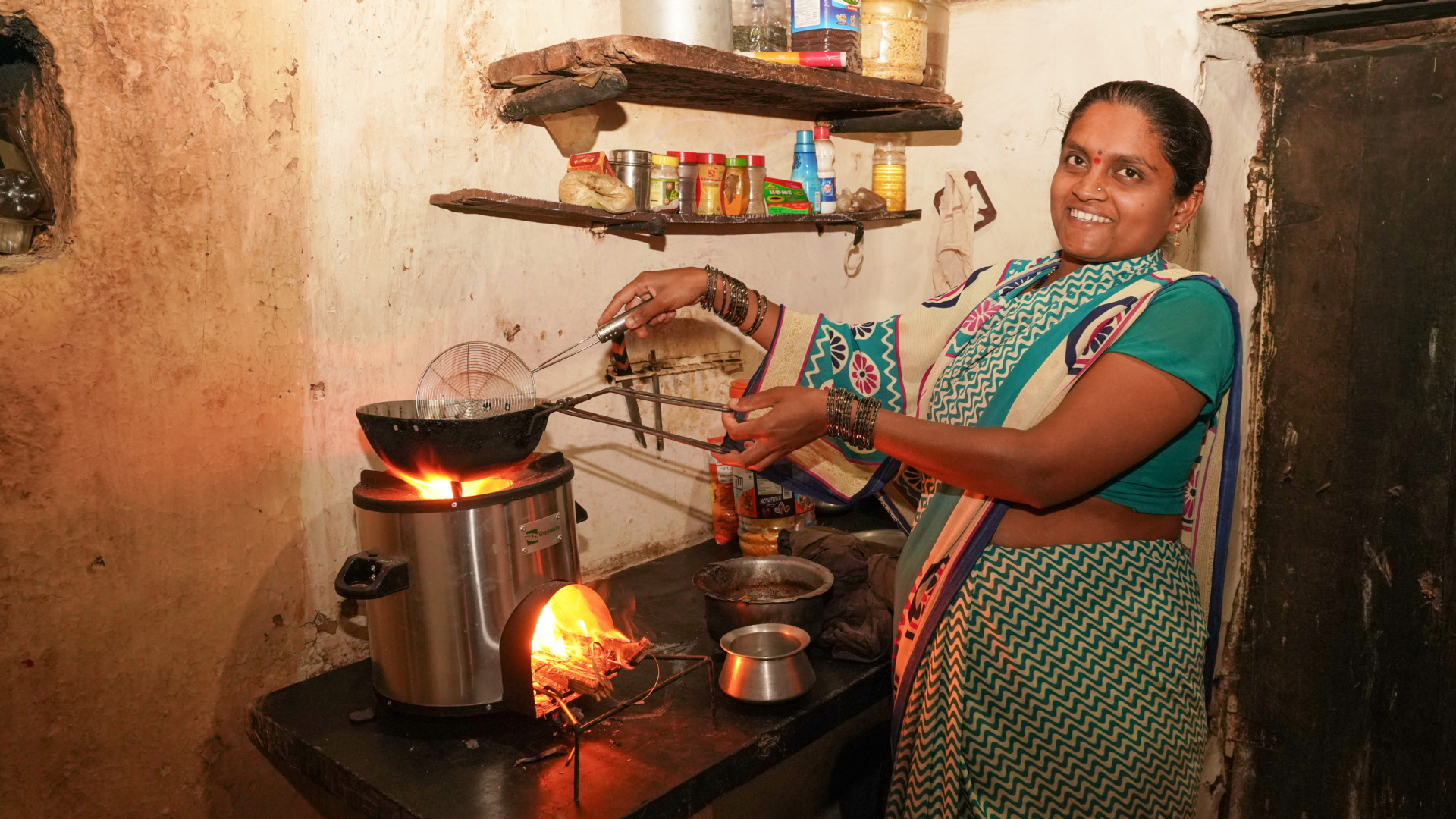
Two billion people still cook with wood or kerosene. Solar Sister trains women entrepreneurs to sell clean cookstoves and solar kits across rural Africa, attacking energy poverty and gender inequity at once.
- 10,000 entrepreneurs have delivered clean energy to 3.5 million people.
- Households save $200/year on fuel while cutting 1.5 tCO₂e.
- Each business generates an average income uplift of 25% for its owner.
- Recognised by UNDP as a top gender-responsive climate solution.
Supporting Solar Sister lights homes, frees girls from fuel collection, and slashes black-carbon emissions in a single stroke.
7. Carbon180 — The Carbon-Removal Accelerator
Even in best-case models, humanity must remove billions of tonnes of legacy CO₂. Carbon180 ensures those nascent solutions—soil sequestration, direct-air capture, mineralization—grow responsibly.
- Led the push for the U.S. 45Q tax-credit expansion, unlocking $3.2 billion in removal projects.
- Published the first “High-Road Removal” framework adopted by three state procurement bills.
- Grants front-line organizations 40% of its budget to prevent land-use harms.
- Every $1 in philanthropy has leveraged $40 in federal funding.
Carbon180 turns policy loopholes into durable CO₂ drawdown—exactly what the IPCC says we’ll need by mid-century.
Making every dollar count
Remember, overall generosity is growing — but climate still claims just 4% of U.S. giving. Meanwhile, climate philanthropy tripled since 2019, yet fossil-fuel subsidies remain $1.3 trillion a year, dwarfing green funding.
Your donation can help close that gap.
Where new donors can start
- Schedule a monthly micro-donation; charities can plan better with steady cash flow.
- Use employer matching or donor-advised funds for instant 2x leverage.
- Diversify: split gifts across mitigation, adaptation, and biodiversity.

The bigger picture: Collaboration beats fragmentation
ClimateWorks urges philanthropists to work collaboratively, back grantees to win, and think holistically.
Pooling funds through vehicles like the Climate Leadership Initiative can rapidly scale the organizations above while reducing admin overhead.
Caveats & counterpoints
No single charity—yes, even Rare—can solve the climate crisis. Funders must also reform subsidy regimes, vote for science-based policy, and support grassroots voices in under-financed regions. Transparency varies; always read the latest audit before writing a cheque.
Conclusion
Offsets may plant a tree; these seven groups plant the systems that keep forests standing, seas teeming, and communities thriving.
In a world edging past 1.5 °C, redirecting even a sliver of the record-breaking $592 billion in annual giving toward root-cause charities could mean the difference between incremental progress and planetary tipping points.
The choice—and the impact—are in our hands.
Editor’s Note: The opinions expressed here by the authors are their own, not those of impakter.com — In the cover: Climate Change Charities Cover Photo Credit: freepik