Today’s ESG Updates
- Australia Warns of Severe Climate Risks: Landmark report finds rising heat deaths and millions at risk from sea-level rise by 2050.
- Iraq, TotalEnergies, QatarEnergy Launch Joint Oil & Gas Projects: Deal includes gas recovery, renewables, and major seawater supply projects.
- UK and US to Seal Nuclear Power Pact: Trump to visit the UK this week to help secure investments for new reactors.
- Australia’s Rooftop Solar Surges: Households drive record solar and battery uptake, outpacing large-scale renewables and pushing the country beyond 2030 targets.
Australia’s climate risk assessment warns of heat deaths and sea-level threats
Australia’s first national climate risk assessment warns that no community will be spared from worsening climate impacts, projecting a 450% surge in heat-related deaths in Sydney under a 3°C scenario and up to 1.5 million coastal residents at risk from rising seas by 2050, and 3 million by 2090. The report estimates climate disaster costs could hit $40 billion annually by 2050, even under a 1.5°C pathway. Climate Change Minister Chris Bowen stressed the “cost of inaction will always outweigh the cost of action” as the federal cabinet prepares to set its 2035 emissions target later this week. The Albanese government is currently under scrutiny for approving an extension of Woodside’s North West Shelf gas project out to 2070, highlighting the gaps between the country’s climate goals and real action. To navigate climate policy shifts, companies can rely on ESG solutions.
***
Further reading: Millions of Australians at risk from rising sea levels and heat deaths could soar, landmark climate report warns
Iraq signs joint operation agreement with TotalEnergies and QatarEnergy

Iraq’s oil ministry signed a joint operation agreement with TotalEnergies, QatarEnergy LNG, and Basra Oil Company to operate the Artawi oilfield under the Gas Growth Integrated Project. The initiative aims to recover flared gas for power generation, enhance electricity supply, and integrate renewable energy sources. Additional agreements cover oil and gas processing plants, gas infrastructure, and a seawater treatment facility with global partners including ENKA, Hyundai Engineering, and China’s Petroleum Engineering & Construction Corp. Prime Minister Mohammed Shia al-Sudani welcomed the expansion of foreign investment as key to Iraq’s energy transition. To stay updated on evolving energy frameworks, investors can turn to ESG tools.
***
Further reading: Iraq signs joint operation agreement with France’s TotalEnergies, QatarEnergy LNG
Klimado – Navigating climate complexity just got easier. Klimado offers a user-friendly platform for tracking local and global environmental shifts, making it an essential tool for climate-aware individuals and organizations.
Britain and US to sign nuclear power pact during Trump’s visit

The UK and US are expected to sign a nuclear power agreement during President Trump’s state visit, aimed at fast-tracking investments in reactors and strengthening energy security. Britain recently pledged £14 billion for the Sizewell C plant and is advancing Rolls-Royce’s small modular reactors (SMRs). Upcoming announcements include U.S. firm X-Energy and Centrica’s plan for up to 12 reactors in northeast England, and Holtec, EDF, and Tritax’s £11 billion SMR-powered data center project. The deal also introduces regulatory cooperation to cut reactor licensing time. Both governments hailed the pact as a milestone toward affordable, resilient, low-carbon energy. Companies can leverage ESG tools to track developments in the nuclear sector.
***
Further reading: Britain and US to sign nuclear power pact during Trump’s visit

Australia’s rooftop solar and battery installations surge
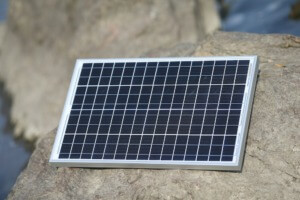
Australia is on track to surpass its 2030 rooftop solar targets, with households and small businesses projected to install over 37 GW by the end of the decade. Residential battery sales nearly tripled in early 2025 after the launch of a government program to cut upfront costs, reflecting strong consumer-led demand. While rooftop adoption surges, utility-scale projects continue to lag, constrained by grid bottlenecks and delayed transmission upgrades. Despite record household installations, Australia may not reach its broader 82% renewables-by-2030 goal until 2036 without major investment in grid infrastructure.
***
Further reading: Australia’s Rooftop Solar and Battery Installations Are Surging Despite Broader Lag in Renewables
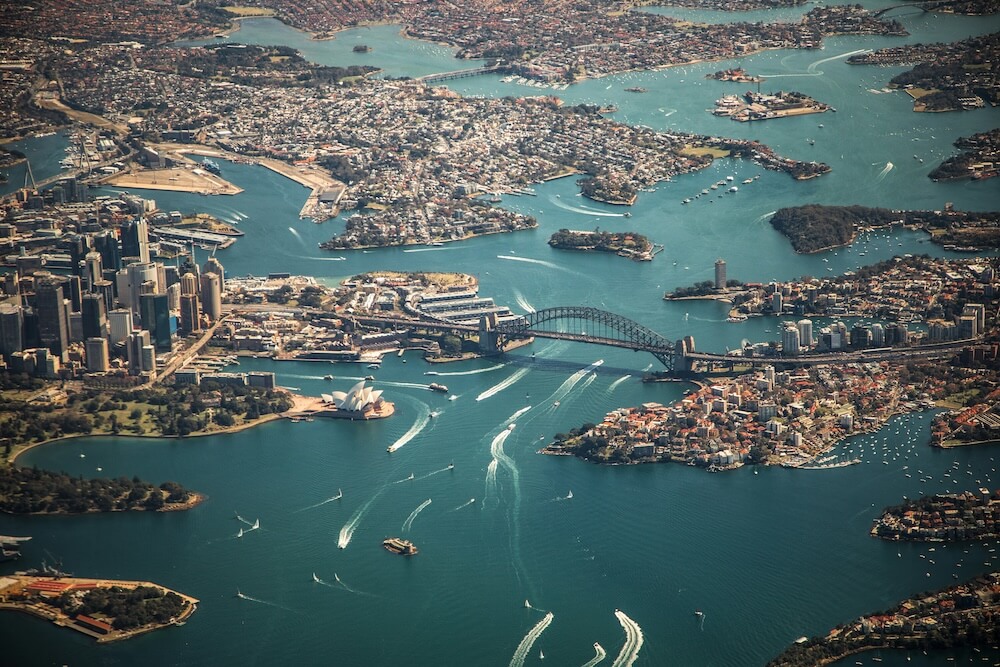
Editor’s Note: The opinions expressed here by the authors are their own, not those of impakter.com — In the Cover Photo: Birds Eye View of Sydney, December 31, 2018. Cover Photo Credit: Jamie Davies