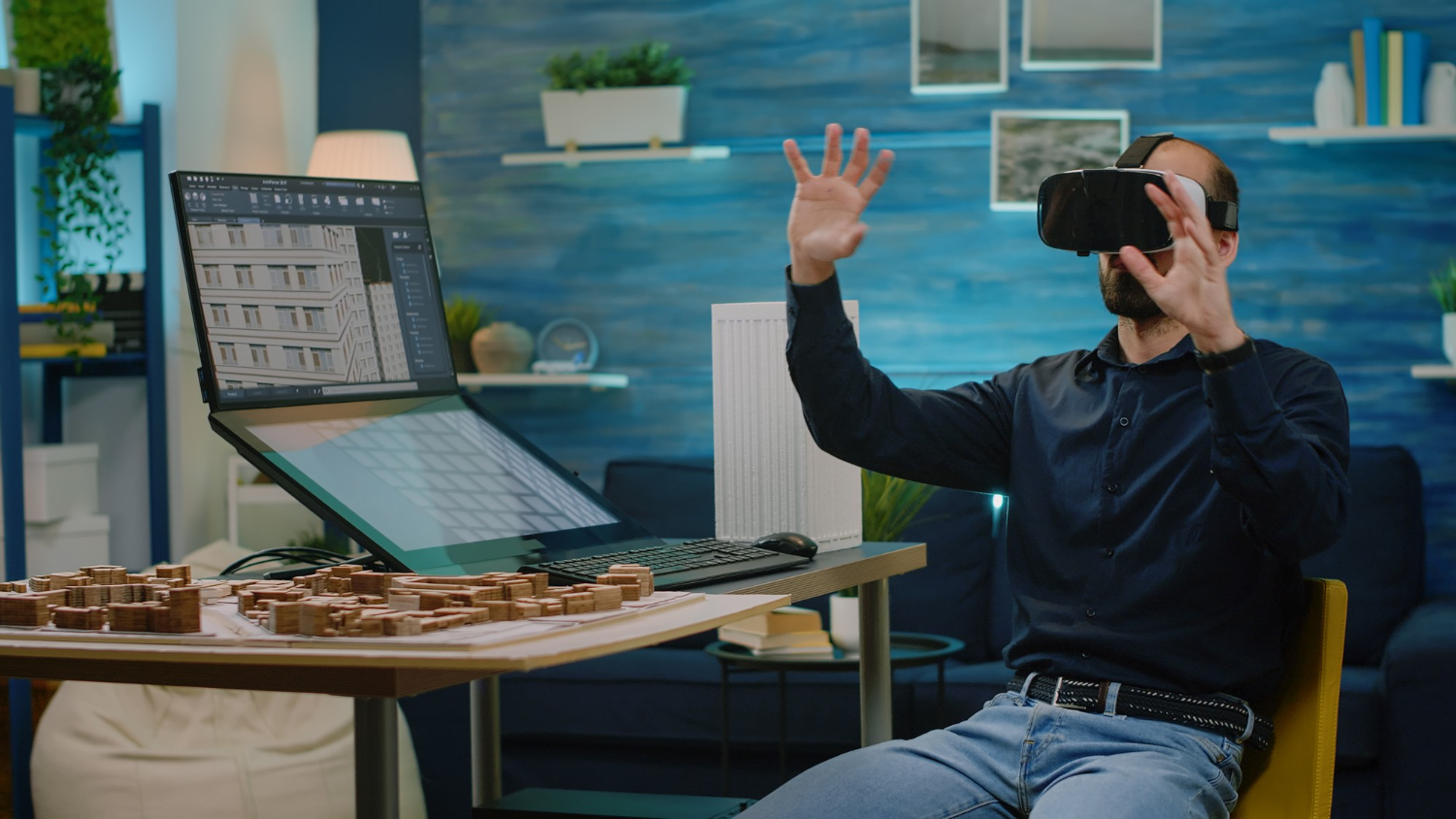
Shopping has changed. Customers no longer want to imagine how a product might look or fit—they want to see it, feel it, and trust it before making a decision. This is where augmented reality (AR) product previews quietly but powerfully transform the buying experience.
Instead of guessing whether a chair fits the corner of a room or if a product matches an existing setup, AR allows customers to place your product directly into their real world using their phone or tablet. It’s intuitive, surprisingly emotional, and incredibly effective.
Why AR Feels More Human Than Traditional Product Pages
Traditional product pages rely on photos, specs, and descriptions. They’re informative—but distant. AR previews, on the other hand, feel personal. When a customer sees your product in their space, it creates an emotional connection.
That moment—when a product suddenly feels like it already belongs—is often what turns hesitation into action.
AR previews mimic the in-store experience we’ve all missed online:
- Walking around a product
- Viewing it from every angle
- Understanding its real size and presence
- Feeling confident instead of uncertain
This sense of confidence is what customers are really buying.
The Real Business Impact of AR Product Previews
Increased Trust and Confidence
When customers can explore a product in context, they’re far less likely to doubt their choice. AR removes the mental effort of imagining and replaces it with clarity.
Better Engagement, Longer Attention
Interactive experiences naturally keep users engaged longer than static images. Customers spend more time exploring—and time spent often correlates with higher conversion rates.
Fewer Returns and Complaints
Returns are expensive. AR helps customers make better decisions upfront, which leads to fewer mismatches between expectations and reality.
A Brand That Feels Modern and Helpful
AR isn’t flashy for the sake of it. When done right, it feels like a helpful assistant rather than a sales trick—and customers remember that.
How an AR Product Preview Fits Into the Customer Journey
AR doesn’t replace your existing product content—it enhances it.
- Customers browse your product page as usual
- They tap “View in AR” or “See it in your space”
- Their camera opens, and the product appears instantly
- They move around, adjust placement, explore details
- Decision-making becomes easier and faster
This smooth transition from curiosity to confidence is exactly what modern buyers expect.
Where AR Product Visualization Works Best
AR previews are already making a strong impact across industries:
- E-commerce & Retail – Furniture, home décor, electronics, fashion accessories
- B2B & Manufacturing – Large equipment, tools, and industrial products
- Interior Design & Architecture – Space planning and layout validation
- Marketing & Sales – Interactive demos that work anywhere, anytime
As the technology matures, the line between digital and physical shopping continues to blur.
Choosing the Right Tools Matters
The success of AR isn’t just about having it—it’s about how easy and realistic it feels. High-quality models, accurate scale, and frictionless access (especially browser-based AR) make all the difference.
If you’re exploring reliable ar visualization tools that allow customers to view products directly in their environment without unnecessary complexity, focusing on simplicity and realism is key. The best tools feel invisible—the experience takes center stage.
Looking Ahead: AR as an Expectation, Not a Feature
Augmented reality previews are no longer experimental. They’re quickly becoming an expectation, especially for products where size, fit, or appearance matter. Customers who experience AR once often look for it again.
Brands that adopt AR today aren’t just adding a feature—they’re showing empathy for how people actually make decisions.
Because when customers can see your product in their world, buying it feels like the natural next step.
Editor’s Note: The opinions expressed here by the authors are their own, not those of impakter.com— In the cover: Augmented Reality Product Preview Cover Photo Credit: freepik