Impakter
  • Environment
    • Biodiversity
    • Climate Change
    • Circular Economy
    • Energy
  • FINANCE
    • ESG News
    • Sustainable Finance
    • Business
  • TECH
    • Start-up
    • AI & Machine Learning
    • Green Tech
  • Industry News
    • Entertainment
    • Food and Agriculture
    • Health
    • Politics & Foreign Affairs
    • Philanthropy
    • Science
    • Sport
  • Editorial Series
    • SDGs Series
    • Shape Your Future
    • Sustainable Cities
      • Copenhagen
      • San Francisco
      • Seattle
      • Sydney
  • About us
    • Company
    • Team
    • Partners
    • Write for Impakter
    • Contact Us
    • Privacy Policy
No Result
View All Result
  • Environment
    • Biodiversity
    • Climate Change
    • Circular Economy
    • Energy
  • FINANCE
    • ESG News
    • Sustainable Finance
    • Business
  • TECH
    • Start-up
    • AI & Machine Learning
    • Green Tech
  • Industry News
    • Entertainment
    • Food and Agriculture
    • Health
    • Politics & Foreign Affairs
    • Philanthropy
    • Science
    • Sport
  • Editorial Series
    • SDGs Series
    • Shape Your Future
    • Sustainable Cities
      • Copenhagen
      • San Francisco
      • Seattle
      • Sydney
  • About us
    • Company
    • Team
    • Partners
    • Write for Impakter
    • Contact Us
    • Privacy Policy
No Result
View All Result
Impakter
No Result
View All Result

Apple Leather: The Game Changer Among Leather Alternatives

Ever heard of apple leather? Unlike traditional leather, it’s ethical, sustainable and biodegradable

byNapat Siriyium
June 28, 2022
in Beauty, Eco Life

Leather is one of the most common materials for luxury goods. It is a robust, flexible, and long-lasting material made from the chemical treatment of animal skins that allows for the prevention of decomposition. 

Traditional leather, however, is neither eco-friendly, ethical, or sustainable. 

Luckily, alternatives exist – with apple leather standing out as the most promising one.

So what exactly is Apple Leather? 

Apple leather, also known as apple skin, is a biodegradable product created from the pomace and peel leftovers from making apple juice, which is ground into fine powder and turned into leather.

Is it sustainable enough? 

Yes, apple skin is sustainable as it is entirely made from renewable resources, helping to reduce CO2 emissions and slow down global warming.

Compared to vegan alternatives, for example, apple leather significantly outperforms them in terms of sustainability.

Because it is synthetic and made of polyurethane, vegan leather requires the use of fossil fuels, which we all know are terrible to the environment.

Unlike vegan leather, which is made of polyurethane (a family of plastics), there is no plastic in apple leather as it is entirely made of waste (that would otherwise be thrown away).

Photo Credit: Sustainability Chic

Apart from the evident ethical advantages, which should always be taken into account when talking about sustainability, apple leather is also thicker and lighter than any alternative. 

Furthermore, in a mutually beneficial way, apple skin also contributes to the success of fruit businesses as it turns their waste into raw material. 

The main obstacle to apple skin, however, lies in its traditional competition that is still cheaper to produce, such as cow skin leather, which originates from an industry that has been found to be responsible for a significant amount of deforestation, carbon emissions and animal cruelty, among other things. 
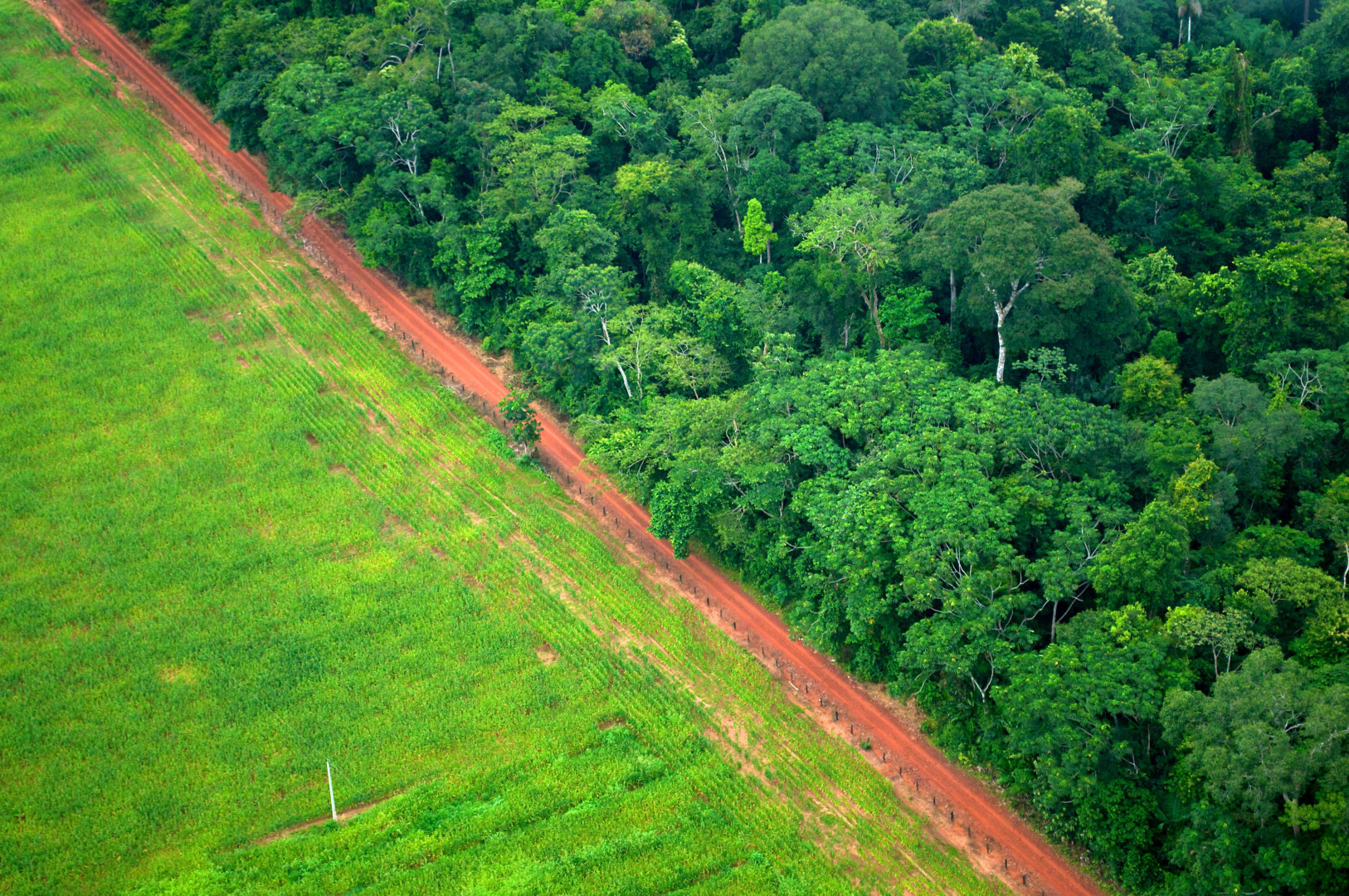
In the Photo: Deforestation in Brazil. Photo Credit: CIFOR.

A lot of people don’t see things like deforestation or animal cruelty as unsustainable or irresponsible, but they certainly are both. That said, here’s why we should be turning to apple skin instead:

The Benefits of Apple Skin 

  • Versatility: It is breathable and hypoallergenic, providing a range of textures, thicknesses and embossing as well as the option for laser printing. 
  • Durability: UV-resistant
  • Fibre source: It is made from discarded apple peels, a byproduct of the apple juice business.
  • Biodegradable: Indeed, it is 100% biodegradable.
  • Low impacts: The manufacture is reasonably sustainable, with a bio-based substitute developed and recycled from the apple industry’s waste.
  • Unharmful: No animals are killed in the manufacturing process.

Photo Credit: freepik

To conclude, apple leather is more environmentally friendly and ethically sound than any present alternative. For the time being, however, it is also significantly more expensive to produce, often even by a factor of two. 

Switching to alternatives like apple leather must therefore remain our priority until the technology has advanced enough to make these alternatives cheaper and just as scalable as traditional leather.


Editor’s Note: The opinions expressed here by Impakter.com columnists are their own, not those of Impakter.com — In the Featured Photo: Apple Leather. Featured Photo Credit: One Green Planet

Tags: Applebetter world fashionLeatherLuxury goodsSustainability
Previous Post

G7 Facing Putin’s Threats of Nuclear War and the World Food and Energy Crisis

Next Post

The Post-Roe Era Has Begun: What It Means for the US and the World

Related Posts

Steakhouse in Tucson
Food & Drinks

7 Factors That Define a Premium Steakhouse Experience

January 12, 2026
Granddaddy Purple Strain
Food & Drinks

Where Granddaddy Purple Strain Gets Its Iconic Grape Flavor

December 5, 2025
Sustainable retail using QR codes
Beauty

Sustainable Retail: How QR Codes Reduce Waste and Improve Transparency for Consumers

November 21, 2025
Next Post
The Post-Roe Era Has Begun: What It Means for the US and the World

The Post-Roe Era Has Begun: What It Means for the US and the World

Related News

Japan steel factory steam emissions affected by energy shortages and Middle East oil supply disruption

Japan Industry Struggles Amid Energy Supply Crisis

March 19, 2026
Satellite image of Turkmenistan methane plume

Methane Leaks: Mega Problem, Easy Fix

March 19, 2026

Impakter informs you through the ESG news site and empowers your business CSRD compliance and ESG compliance with its Klimado SaaS ESG assessment tool marketplace that can be found on: www.klimado.com

Registered Office Address

Klimado GmbH
Niddastrasse 63,

60329, Frankfurt am Main, Germany


IMPAKTER is a Klimado GmbH website

Impakter is a publication that is identified by the following International Standard Serial Number (ISSN) is the following 2515-9569 (Printed) and 2515-9577 (online – Website).


Office Hours - Monday to Friday

9.30am - 5.00pm CEST


Email

stories [at] impakter.com

By Audience

  • TECH
    • Start-up
    • AI & MACHINE LEARNING
    • Green Tech
  • ENVIRONMENT
    • Biodiversity
    • Energy
    • Circular Economy
    • Climate Change
  • INDUSTRY NEWS
    • Entertainment
    • Food and Agriculture
    • Health
    • Politics & Foreign Affairs
    • Philanthropy
    • Science
    • Sport
    • Editorial Series

ESG/Finance Daily

  • ESG News
  • Sustainable Finance
  • Business

About Us

  • Team
  • Partners
  • Write for Impakter
  • Contact Us
  • Privacy Policy

© 2026 IMPAKTER. All rights reserved.

No Result
View All Result
  • Environment
    • Biodiversity
    • Climate Change
    • Circular Economy
    • Energy
  • FINANCE
    • ESG News
    • Sustainable Finance
    • Business
  • TECH
    • Start-up
    • AI & Machine Learning
    • Green Tech
  • Industry News
    • Entertainment
    • Food and Agriculture
    • Health
    • Politics & Foreign Affairs
    • Philanthropy
    • Science
    • Sport
  • Editorial Series
    • SDGs Series
    • Shape Your Future
    • Sustainable Cities
      • Copenhagen
      • San Francisco
      • Seattle
      • Sydney
  • About us
    • Company
    • Team
    • Partners
    • Write for Impakter
    • Contact Us
    • Privacy Policy

© 2026 IMPAKTER. All rights reserved.