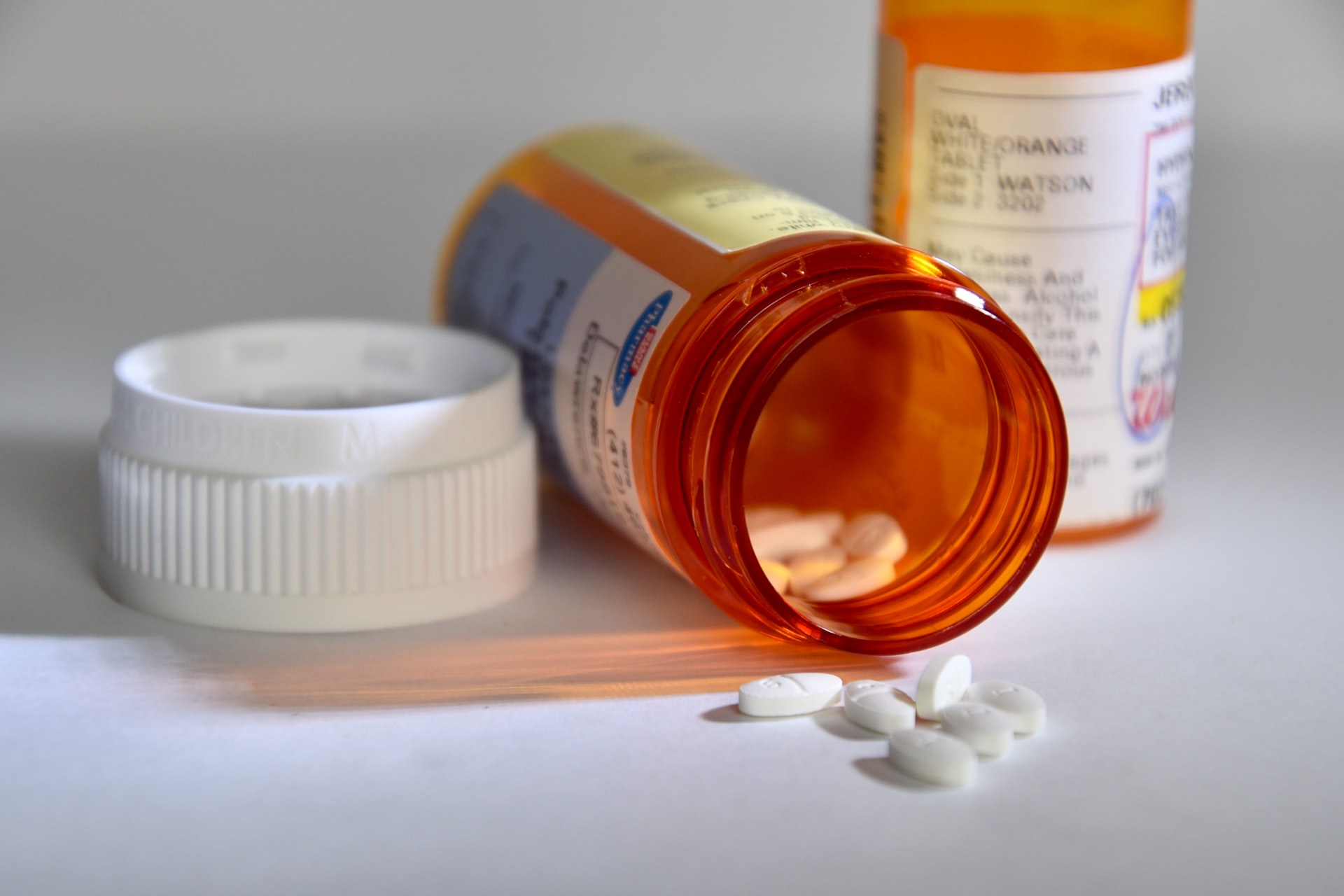

Antidepressants are a lifeline for millions of people across North America and the world. In fact, venlafaxine—one of the most prescribed antidepressants—features among the top five most-consumed drugs by Canadians 25–64 years of age. And as COVID-19 measures have taken their toll on populations, we are seeing prescriptions for those drugs growing.
What do antidepressants have to do with the environment?
Critical psychoactive therapeutic agents, such as the aforementioned antidepressants or antipsychotics, are of special interest to ecologists and freshwater scientists (called limnologists).
This is because psychiatric medications, in addition to being among the most prescribed drugs on the continent, are also some of the most commonly detected drugs in aquatic ecosystems. Over the last two decades, an increasing number of studies have confirmed the widespread presence of complex mixtures of pharmaceutical and personal care compounds in aquatic environments.
Even so, our understanding of the fate, behaviour, and effects of these compounds in aquatic ecosystems (including those who inhabit them) is still limited.
How do antidepressants end up in our freshwater?
Our bodies are great at getting rid of things they don’t recognize. When we take a pill, a large portion of the medicine can be excreted directly, unchanged. Pharmaceutical companies know this and actually adjust what is in the pill to make sure enough medicine actually reaches the intended destination within our bodies).
Once we excrete those compounds through urine, they enter into our wastewater. Wastewater treatment plants do a fantastic job of removing things like phosphorus and nitrogen that, in high concentrations, can cause problems like harmful algal blooms. These plants, however, were never designed to remove small amounts of complex chemicals like pharmaceuticals.
The compounds are then released into freshwater systems and can end up in lakes, where the organisms that reside within are continually exposed to them. In fact, the presence of these pharmaceuticals—including antidepressants—in aquatic ecosystems continues to increase.
What do we know already about their impact?
There have already been some studies in laboratories to explore what happens to the physiology and behaviour of aquatic organisms that have been exposed to concentrations of those antidepressant compounds that you would find in freshwater environments such as lakes and streams. The effects on those organisms were subtle and generally not intense enough to result in the death of the organism.
In fish, they noted some changes in behaviour too. For example, fish showed slower response times, which resulted in them exiting potentially dangerous situations at a slower pace. This clearly concerning effect could potentially affect their overall health (and ultimately population sizes). We have also seen effects on the nervous systems of aquatic organisms.
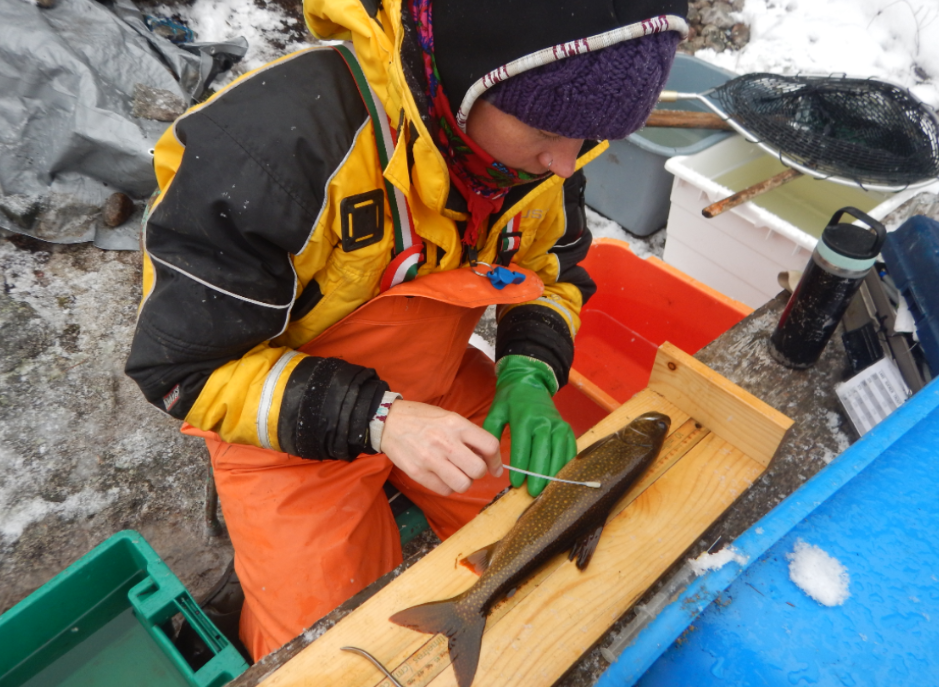
While laboratory studies are always useful, they can only reveal so much. When you manipulate and experiment on whole ecosystems, you can explore the many different effects that a pollutant or drug has on multiple components of a lake ecosystem and on ecosystem services.
This is specifically relevant for these compounds. A slower fish may not mean much in a laboratory study, but it could be the difference between escaping or being eaten by a larger fish. Only by looking at all the components together can we see larger effects on the ecosystem.
Where do we go from here?
At the world’s freshwater laboratory, they experiment on whole lakes to mimic and monitor what we see around the world every day. In 2021, after preparatory small-scale experiments in laboratories and on the land, they are exploring what happens when venlafaxine, a commonly prescribed antidepressant, is introduced into freshwater environments.
They will be using small enclosures within a larger lake and introducing venlafaxine into them at the levels they have been detected in regular water bodies. Then, they will explore what happens at all levels of the food web and in every corner of the lake.
They want to know the toxicity of the drug on the fish (especially when they are young); explore any behavioural changes in the organisms once their lake is exposed to the drug; see if there is any impact on populations and population sizes, and discover how the drugs accumulate in the lake’s organisms.
Once they have those answers, they will be developing policies that empower our governments and industry to protect our freshwater from any harmful effects these critical drugs may have and to inform Canada’s wastewater treatment strategy.
About the authors: Jose Luis Rodriguez Gil is an ecotoxicologist and risk assessor with over a decade of experience conducting ecological-level studies with a variety of compounds that include pesticides, pharmaceuticals and oil. He is currently a Research Associate at the Department of Environment and Geography at the University of Manitoba and conducting research at IISD Experimental Lakes Area.
EDITOR’S NOTE: The opinions expressed here by Impakter.com columnists are their own, not those of Impakter.com.— In the Featured Photo: Prescription medication bottle with spilt pills. Featured Photo Credit: Olga Delawrence / Unsplash