A study by Penguin Watch at the University of Oxford and Oxford Brookes University has discovered a significant change in the breeding season of Antarctic penguins which, as the study authors note, “increases inter-species competition, causing trophic and temporal mismatch, and reshaping community assemblages.”
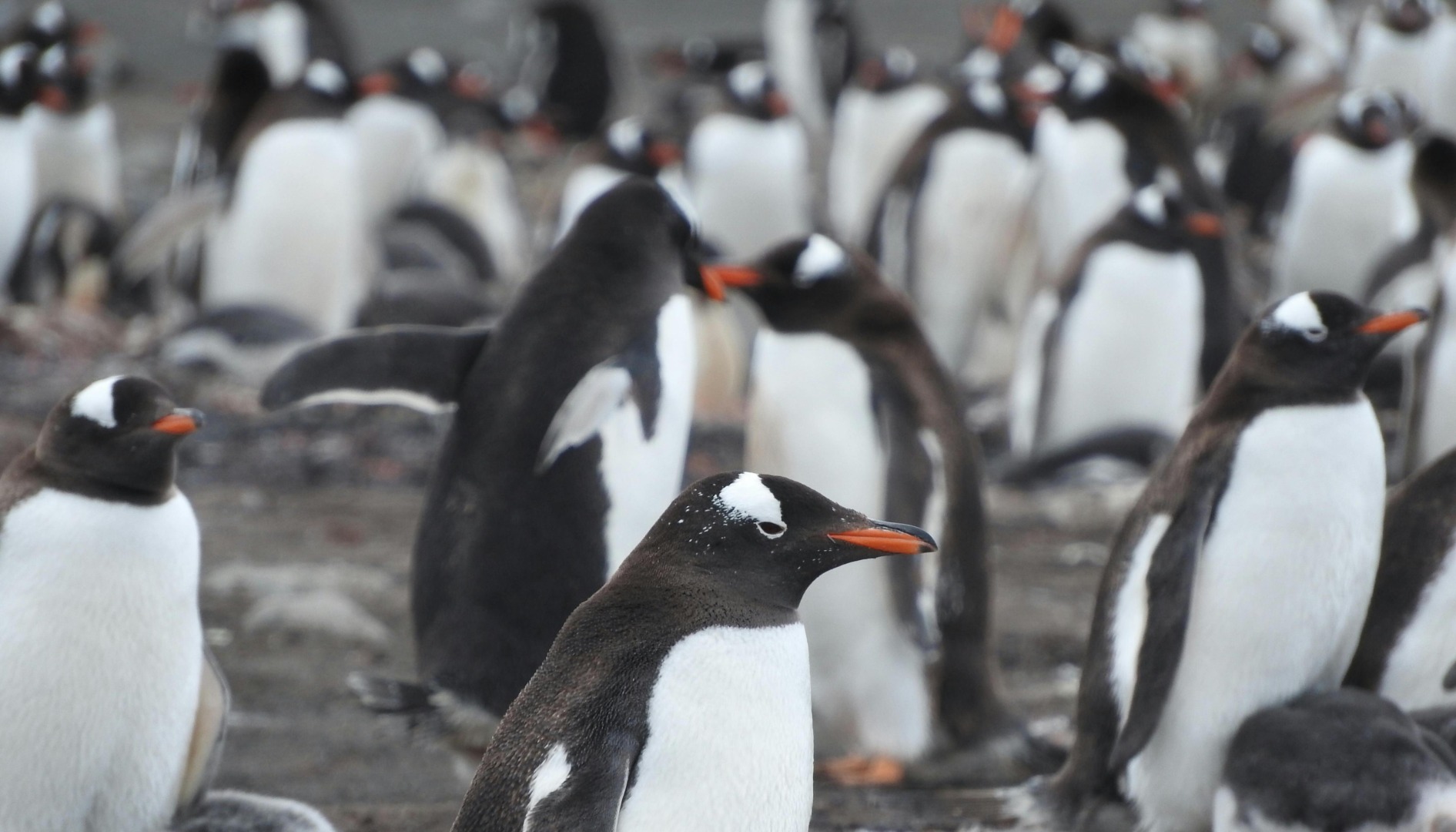
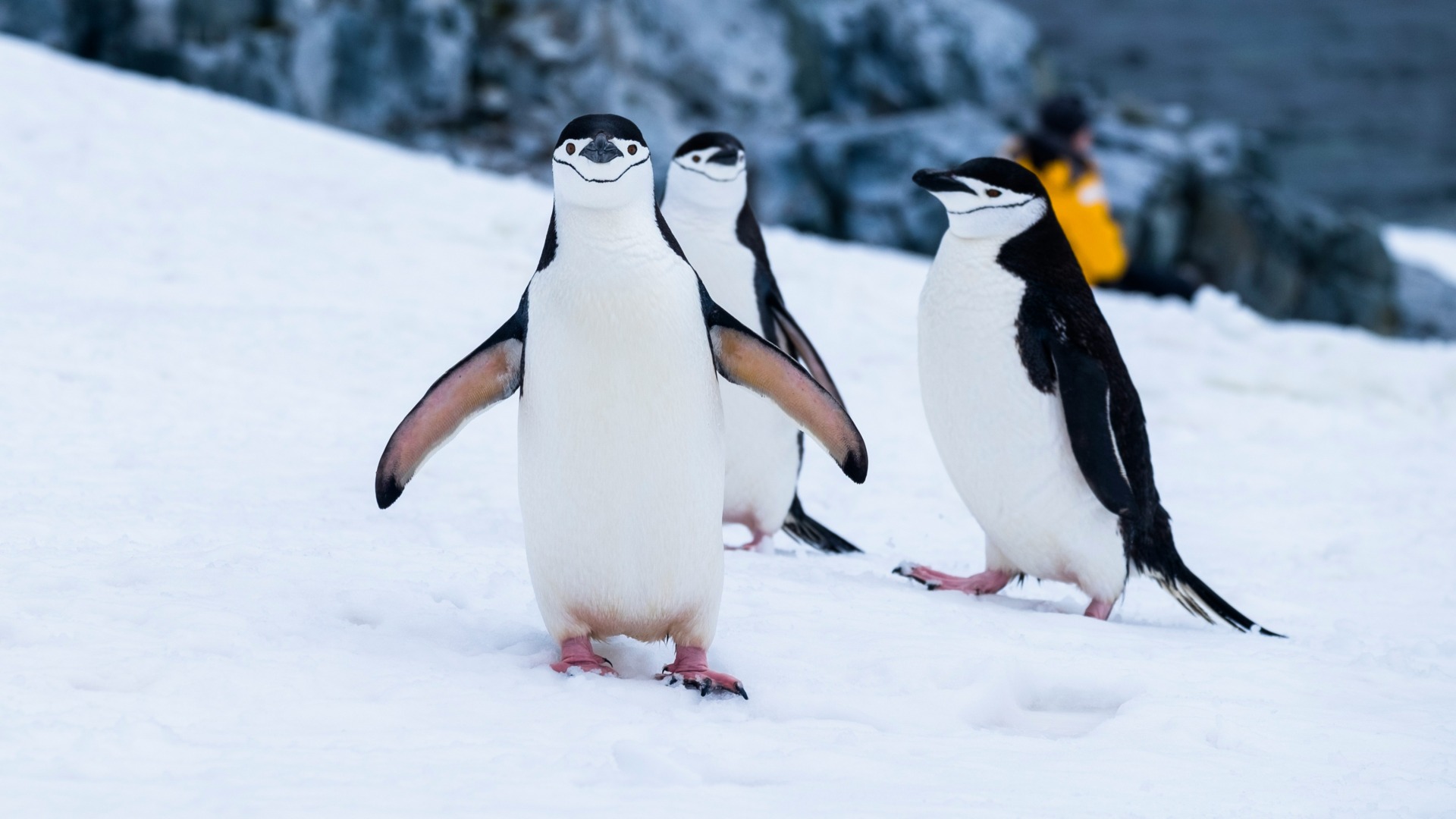
The study, conducted over a decade and published on World Penguin Awareness Day, focused on three species of penguins — the Adélie (Pygoscelis adeliae), Chinstrap (P. antarcticus), and Gentoo (P. papua), with colony sizes that ranged from dozens to up to hundreds of thousands of nests.
The researchers observed changes in the timing of penguin breeding between 2012 and 2022, looking at the first date on which penguins continuously occupied a nesting zone, or their “settlement” at the colony. They also took careful measures to ensure that conclusions were relevant to the species as a whole rather than to specific populations.
Results show that the timing of the breeding season for all three species advanced at record rates. Gentoo penguins were found to have the biggest change with an average advance of 13 days per decade and up to 24 days in some colonies, which represents the “fastest change in phenology recorded in any bird — and possibly any vertebrate — to date.” Adélie and Chinstrap penguins, on the other hand, advanced their breeding by an average of 10 days.
What’s driving the shift?
According to the study, breeding shifts are occurring in response to environmental changes — most notably sea ice, productivity, and temperature. Rising temperatures appear to be the dominant driver, with the researchers’ data showing that colony locations are warming four times faster than the Antarctic average, which them one of the fastest-warming habitats on Earth.
The researchers note that it isn’t clear whether the changes are adaptive responses, and that it’s difficult to predict how much more elasticity the species can display if global warming continues at the current rate.
Related Articles
Here is a list of articles selected by our Editorial Board that have gained significant interest from the public:
Ecological consequences
The findings suggest that the change in breeding patterns could disproportionately affect penguins’ access to food, potentially increasing interspecific competition.
Dr Ignacio Juarez Martínez, the study’s lead author, said the results “indicate that there will likely be ‘winners and losers of climate change’ for these penguin species. Specifically, the increasingly subpolar conditions of the Antarctic Peninsula likely favour generalists like Gentoos at the expense of polar specialists like the krill-specialist Chinstraps and the ice-specialist Adélies.”
Klimado – Navigating climate complexity just got easier. Klimado offers a user-friendly platform for tracking local and global environmental shifts, making it an essential tool for climate-aware individuals and organizations.
A broader climate warning
Penguins are crucial to the Antarctic food chain, and the shifts in their breeding seasons are yet another indicator of climate change’s disruptive impact on nature.
If climate change continues at its current rate, the threat of biodiversity loss will continue to increase, and delicate ecosystems will continue to deteriorate. Such changes call for an even more urgent need for effective climate action to preserve precious life and ecological systems on this planet.
Editor’s Note: The opinions expressed here by the authors are their own, not those of Impakter.com — In the Cover Photo: Penguins on gray rocky ground. Cover Photo Credit: David Peterson.