Editor’s Note: The ominous decline in biodiversity is further confirmed by a new report from the International Union for Conservation of Nature (IUCN) published today on the state of sturgeon and paddlefish, species that, as WWF pointed out, have existed since the time of the dinosaurs. What follows is WWF’s analysis of what this news means – a matter of deep concern for everyone worried about the Sixth Extinction.
International conservation organisations are calling on governments to “stop turning a blind eye” to the extinction of sturgeon and paddlefish as the world’s first comprehensive assessment of the species in over 13 years, released today by the IUCN, confirms all 26 remaining species are now threatened with extinction.
100% of the world’s remaining 26 sturgeon species are now at risk of #extinction.
Their decline is steeper than previously thought;
learn more in the latest @IUCNRedList update https://t.co/JxPwb1Dm57 pic.twitter.com/OEkzJ5OufE— IUCN Ocean Team (@IucnOcean) July 21, 2022
Carried out by members of the IUCN Sturgeon Specialist Group (SSG), the new assessment highlights that almost two-thirds of sturgeon and paddlefish species are now critically endangered on the IUCN Red List of Threatened Species – making them the world’s most threatened group of species.
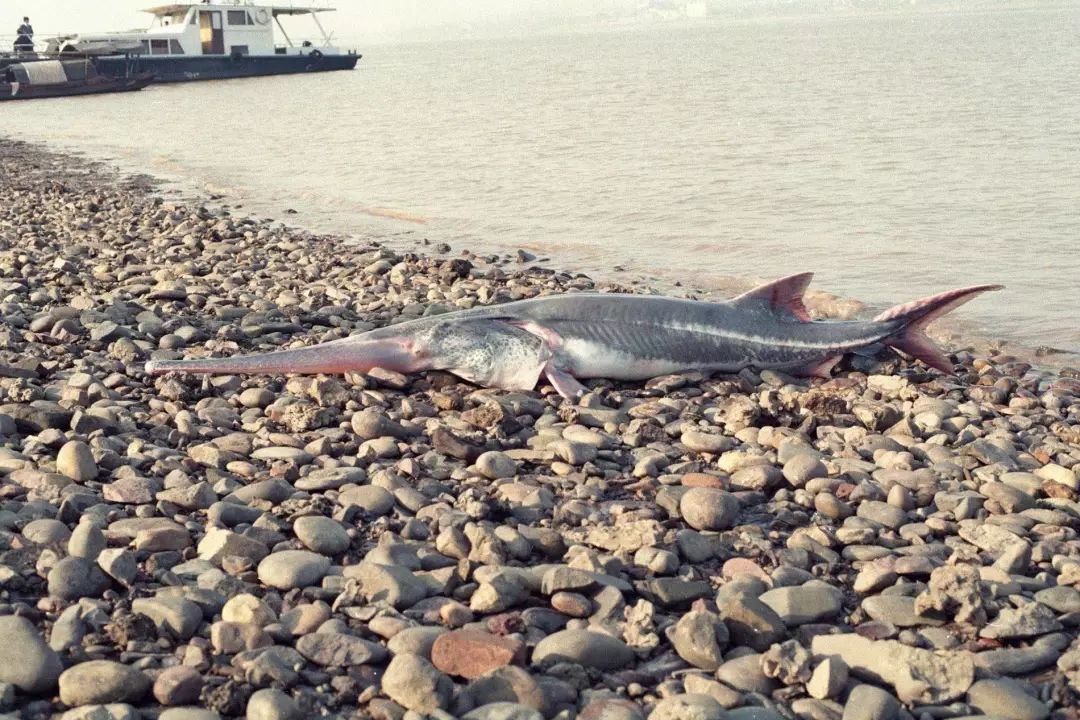
The assessment also officially declares the extinction of the Chinese paddlefish, the extinction in the wild of the Yangtze sturgeon, and the regional extinction of ship sturgeon in the Danube.
International Union for Conservation of Nature and Natural Resources updated its Red List on July 21,declaring Chinese Paddlefish, a kind of sturgeon, as extinct. #biodiversity #IUCN #sturgeon pic.twitter.com/TsAKokPTgP
— 印象浙江 (@inzhejiangCN) July 21, 2022
“There’s something to be said about humanity, when a species that’s outlived the dinosaurs is pushed to the brink of extinction by humans who have, in comparison, existed for a mere blip in time,” said Beate Striebel-Greiter, WWF Global Sturgeon Initiative leader.
“We call on countries to stop turning a blind eye to the extinction of sturgeon and implement the solutions they know can help save these iconic species,” added Strieble-Greiter. “We have a choice: thriving healthy rivers that nourish and sustain communities around the world or stick with today’s failed policies – leaving us with empty rivers that benefit neither people or nature.”
The assessment highlights once again the urgent need for an ambitious global framework for nature to be agreed upon by governments at the Convention on Biological Diversity COP15 in Montreal later this year. In particular, the new deal must prioritise freshwater species and ecosystems, which have invariably been overlooked despite being among the most at risk.
Related Articles: On Extinction, Food, Climate and Inequality | 23 New Species Now Extinct, According to US Government
“The world’s failure to safeguard sturgeon species is an indictment of governments across the globe, who are failing to sustainably manage their rivers and live up to their commitments to conserve these iconic fish and halt the global loss of nature,” said Chair of the IUCN Sturgeon Specialist Group Arne Ludwig. “These shocking – but sadly not surprising – assessments mean that sturgeon retain their unwanted title as the world’s most threatened group of species.”
Poaching sturgeon for the illegal trade in wild-caught caviar and meat is one of the leading causes of their demise. Last year, WWF revealed that one-third of caviar and meat products sold in the lower Danube region were sold illegally.
Hydropower dams blocking their migration routes, unsustainable mining destroying their spawning grounds and habitat loss are other major threats to the species.
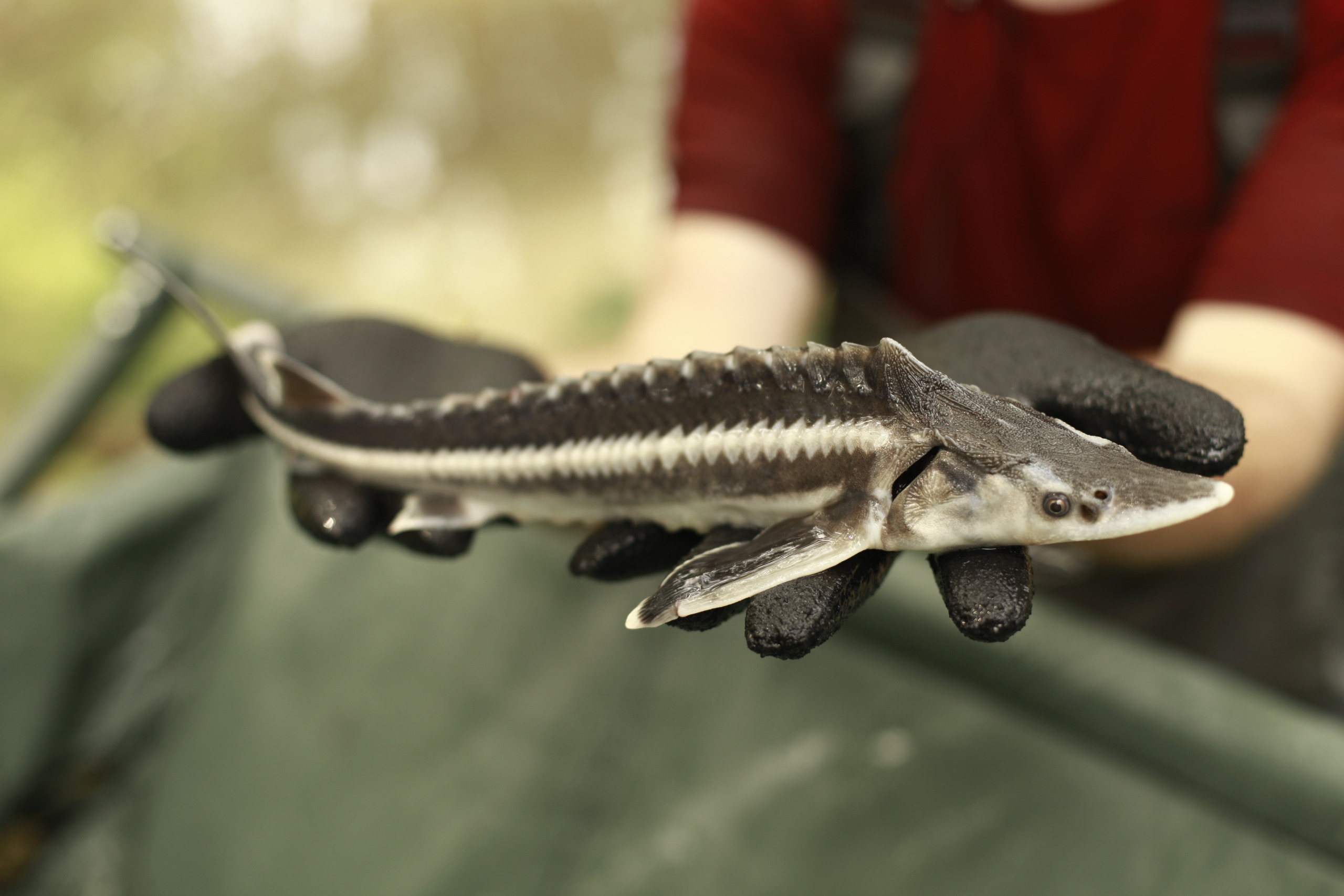
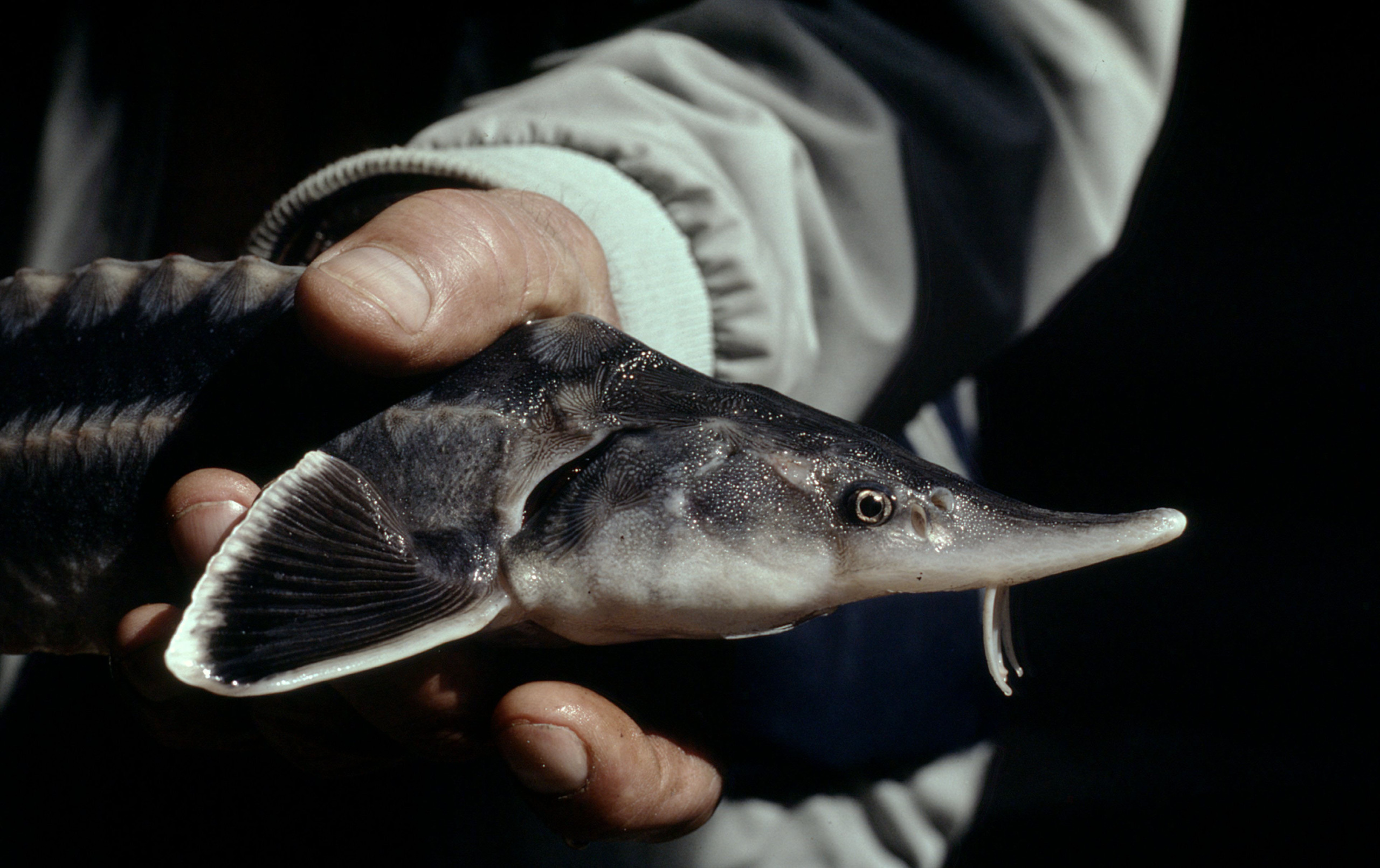
Governments in Europe have agreed on ambitious policies to protect sturgeon species under the Pan-European Action Plan for sturgeons. Yet, the status of sturgeons continues to worsen across the continent. Seven of the eight European species were already listed as critically endangered, and now the sterlet, the smallest, purely freshwater species, has been reclassified from vulnerable to endangered.
The ship sturgeon has also now been declared extinct in the Danube, marking the rare disappearance of a species from EU territory that was protected under the EU Habitats Directive.
In fact, only one species and one sub-species had gone extinct in the EU, under the Directive, since it was implemented in 1979 – until now.
“The loss of the ship sturgeon from the Danube demonstrates the urgency to implement the Pan-European Action Plan for sturgeon, including measures to ensure upstream and downstream migration,” said Striebel-Greiter.
“There are no excuses for the current lack of action and no one else to blame: if governments across Europe and EU institutions do not act now to restore river connectivity and protect and restore sturgeon habitats in key rivers, the extinction of more sturgeon species will be on their hands,” Striebel-Greiter added.
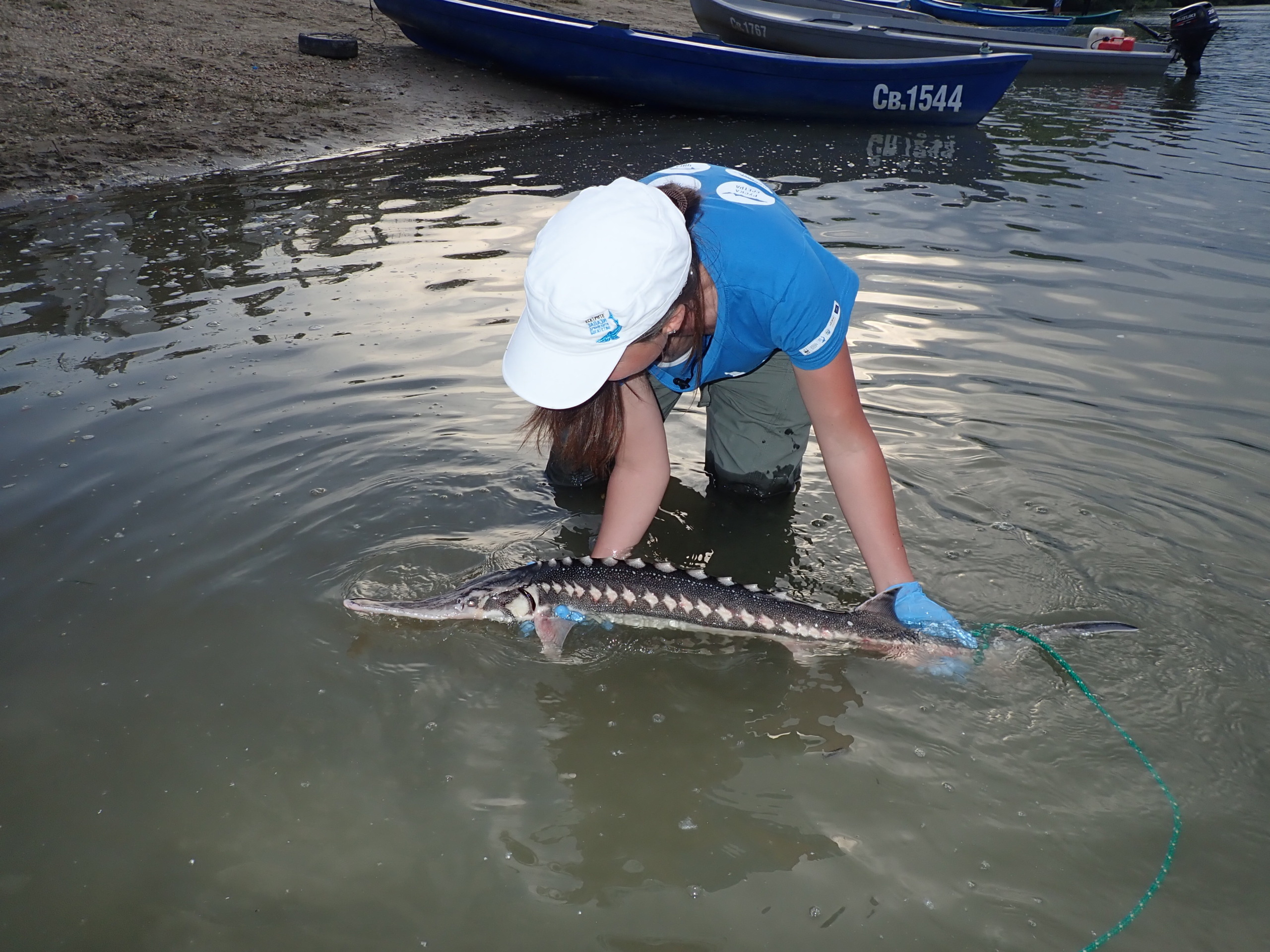
Despite the concerning update, there are reasons to remain optimistic. Following 30 years of restocking, young Adriatic sturgeon – a species that was previously thought to be extinct in the wild – has been documented in Italy. And the incredibly rare Amu Darya shovelnose sturgeon has been found in Uzbekistan – suggesting that these populations are still breeding and could potentially be revived.
Meanwhile, long-term conservation efforts in North America have helped to stabilize and increase some sturgeon populations, including the white sturgeon in the Fraser River in the US.
“These successes show that we can reverse the declines in sturgeon species as long as institutions and governments prioritise their conservation and join forces with communities and conservationists to tackle the threats to them and their rivers,” said World Sturgeon Conservation Society (WSCS) president Paolo Bronzi, adding:
“By saving sturgeon, we will save so much more – because enhancing the health of sturgeon rivers benefits all the people and nature that rely on them.”
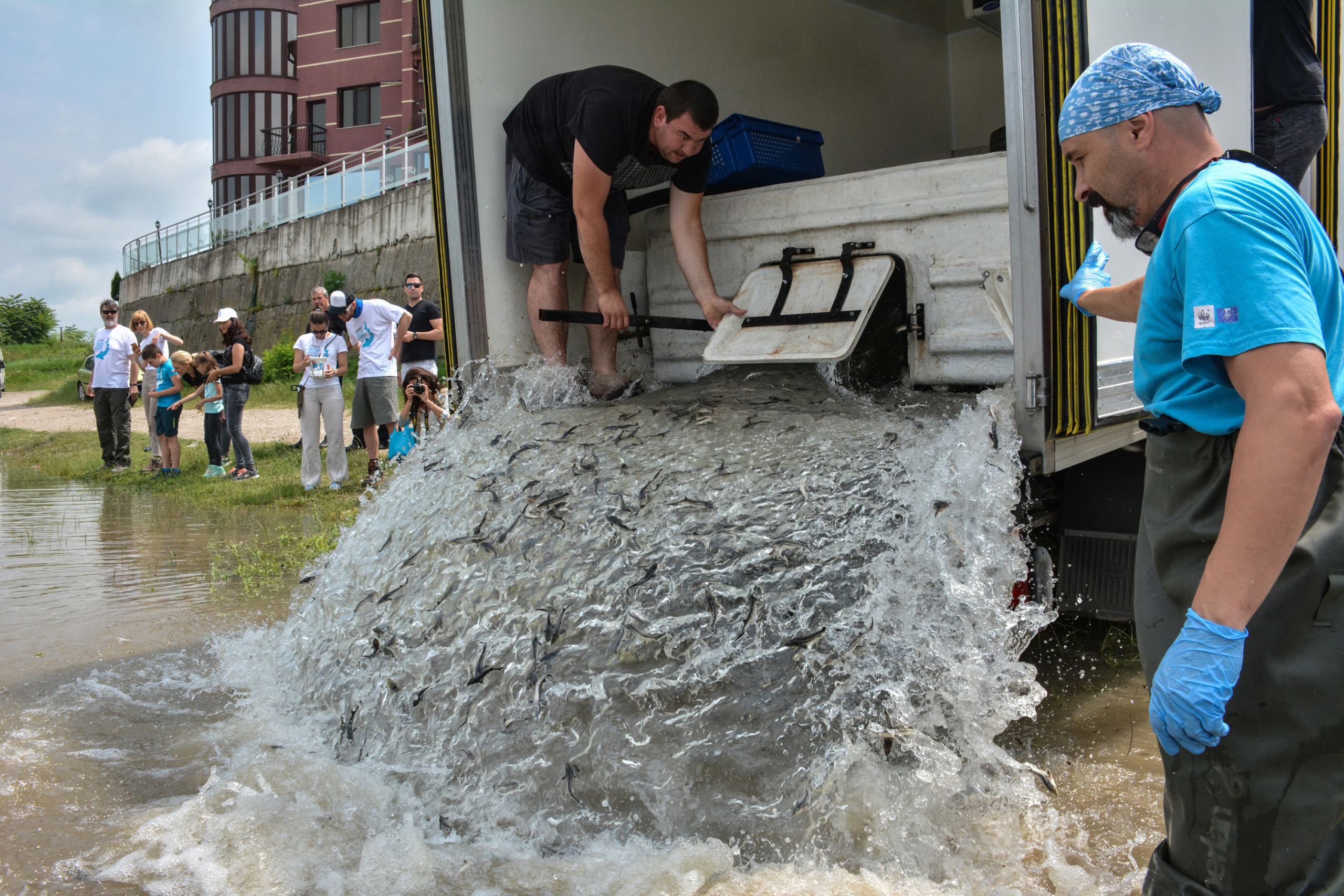
IUCN, WSCS and WWF are working with partners to safeguard these species through scientific research, awareness raising and directly engaging in conservation projects to bridge the gap between science and management.
— —
About WWF
WWF is an independent conservation organization, with over 30 million supporters and a global network active in over 100 countries. WWF‘s mission is to stop the degradation of the Earth’s natural environment and to build a future in which humans live in harmony with nature, by conserving the world‘s biological diversity, ensuring that the use of renewable natural resources is sustainable, and promoting the reduction of pollution and wasteful consumption. Visit www.panda.org/news for the latest news and media resources and follow us on Twitter @WWF_media.
Editor’s Note: The opinions expressed here by the authors are their own, not those of Impakter.com — In the Featured Photo: Chinese Paddlefish. Featured Photo Credit: Wikimedia Commons.