U.S. President Trump has repeatedly called for the annexation of Greenland, an autonomous territory within the Kingdom of Denmark. U.S. officials insist they want to buy the Arctic island, but Trump has refused to rule out the use of military force.
Such an act of military aggression would have massive geopolitical consequences. An attack of one member state on another could lead to the dissolution of the North Atlantic Treaty Organization (NATO). Meanwhile, the European Union (EU) would find a long-term partner transformed into a dangerous foe.
All of this risk stems from an apparent obsession of a single man: President Donald Trump.
Trump’s “Psychological Need” for Greenland
Analysts have largely puzzled over Trump’s repeated insistence that the United States must acquire Greenland.
According to Trump, Greenland is a matter of national security, and annexation is essential to prevent it from falling into Russian or Chinese hands. “We are going to do something on Greenland whether they like it or not,” Trump said recently, “because if we don’t do it, Russia or China will take over Greenland, and we’re not going to have Russia or China as a neighbor.”
But the United States is already free to defend Greenland from Chinese or Russian aggression. It operates a military base there, and according to the 1951 Defense of Greenland Agreement, it can deploy more assets if it wants. “The U.S. has an open invitation to increase the size of its military base and potentially have other military bases there,” says Mai’a Cross, a professor of political science at Northeastern University.
The lack of a strategic imperative hasn’t restrained Trump’s appetite for annexing Greenland. In a recent interview with the New York Times, Trump finally admitted his real motivation. When pressed by reporters to explain why he insisted on ownership, he responded: “Because that’s what I feel is psychologically needed for success.”
A Defiant Response From Denmark and Greenland
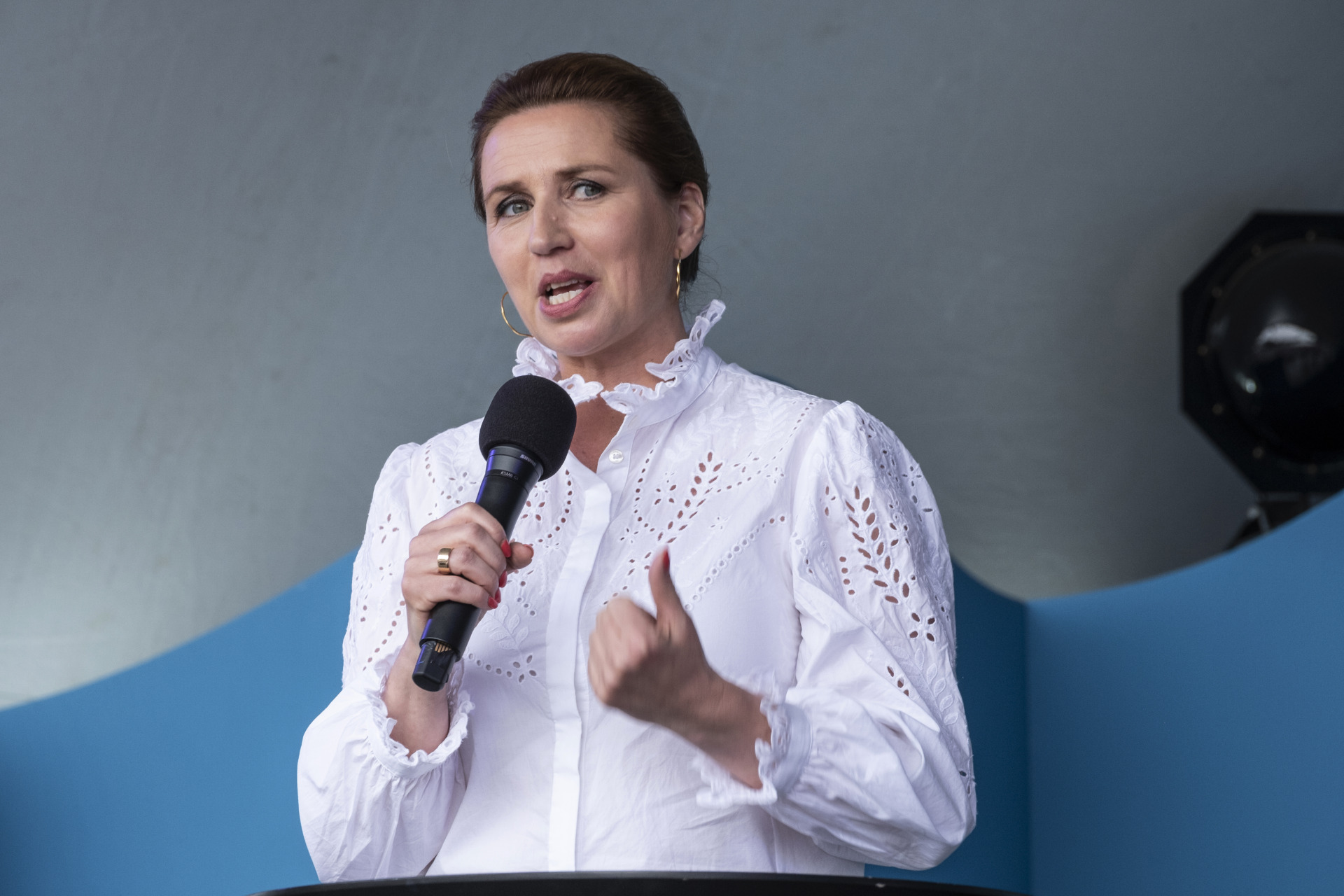
Danish and Greenlandic officials have steadfastly opposed Trump’s territorial ambitions. Danish Prime Minister Mette Frederiksen has consistently repeated that Greenland is “not for sale.”
Among Greenlanders, many of whom have long desired independence from Denmark, becoming part of the United States remains unpopular. According to a 2025 poll, 85% of Greenlanders oppose joining the United States.
“If we have to choose between the United States and Denmark here and now,” said Greenlandic Prime Minister Jens-Frederik Nielsen, “we choose Denmark.”
How an Internal Attack Could Destroy NATO
Both the United States and Denmark belong to NATO, the alliance formed in 1945 to counter the Soviet Union and foster European cooperation. Trump’s fixation on Greenland raises the spectre of NATO’s most powerful nation attacking another member. That would spark an internal crisis that could cause the alliance’s disintegration.
Article 5 of NATO’s foundational treaty states that when a member is attacked, the other members have a legal obligation to provide assistance.
According to International Law Professor Michael Schmitt, the attacked nation would typically submit a request for assistance to the North Atlantic Council (NAC), which acts as the alliance’s “core decision-making body.” Of course, the United States is a major player in the NAC.
Expelling the United States from NATO is impossible, as the founding treaty includes no protocol for such an action. That means there’s no plausible future for NATO without the United States.
The only options for Denmark and other EU nations would be to somehow remain in an alliance with a nation that has just attacked them, or suspend or terminate NATO altogether — which they could do by declaring the United States to have engaged in a “material breach” of the alliance’s foundational treaty.
Recent statements by Danish Prime Minister Frederiksen suggest that NATO’s termination would be the most likely outcome. “If the United States decides to militarily attack another NATO country,” she says, “then everything would stop — that includes NATO and therefore post-Second World War security.”
Faltering Negotiations and a Military Buildup
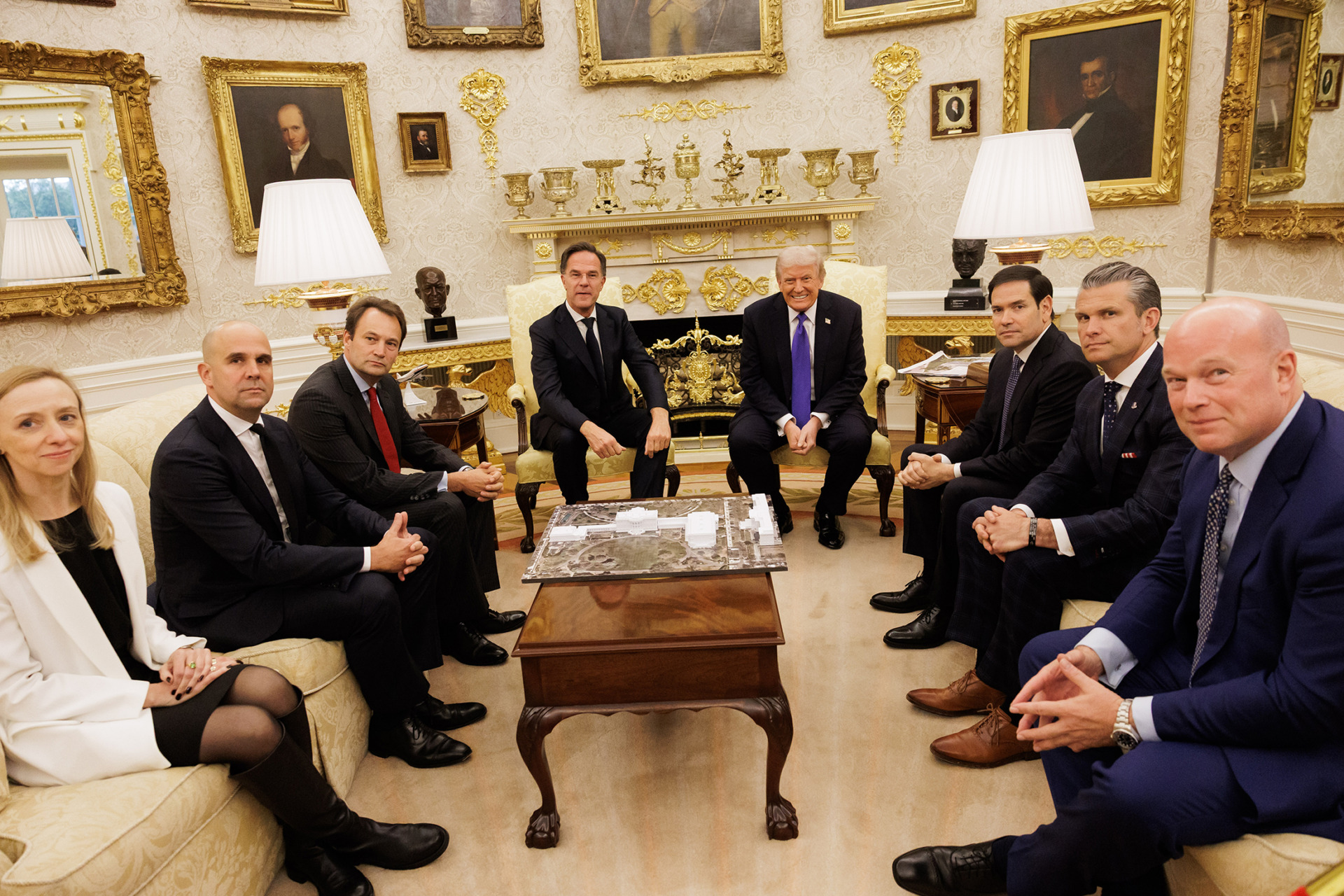
On Jan. 14, 2026, Danish Foreign Minister Lars Løkke Rasmussen met with U.S. Vice President J.D. Vance and U.S. Secretary of State Marco Rubio. While the meeting spawned a “working group” set to conduct further negotiations, the parties failed to reach a breakthrough.
Rasmussen told reporters that “fundamental disagreements” persist between the Americans and the Danes. “It’s clear that the president has this wish of conquering over Greenland,” he said.
In the wake of the meeting, Danish and European leaders pledged to rush troops to Greenland.
Danish Defense Minister Troels Lund Poulsen promised to “further strengthen our ability to operate in the region.” On Jan. 15, 15 French troops and 13 German troops arrived on the island. Sweden, Norway, and the United Kingdom are also contributing personnel.
The deployments seem designed to serve two purposes. They demonstrate to Trump that Europe is serious about contributing to Greenland’s defense from traditional foes, while also establishing deterrence in the face of a potential U.S. invasion.
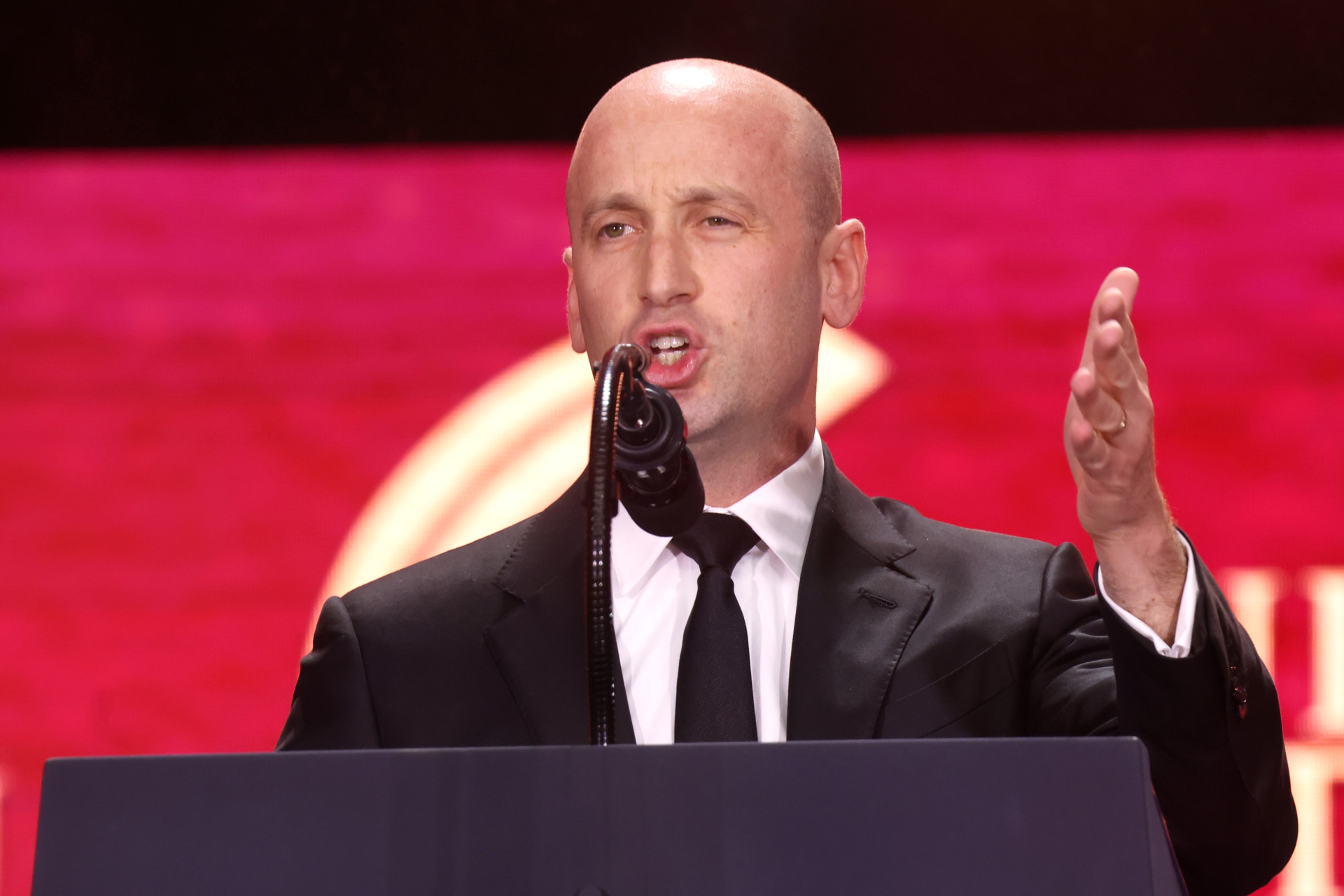
In a recent interview, key Trump advisor Stephen Miller predicted that “[n]obody is going to fight the United States militarily over the future of Greenland.” But according to Danish law, if an invading force attacks anywhere in the Kingdom of Denmark, Danish troops are legally obligated to fight back.
An actual shooting war between American and European soldiers, for long unthinkable, is now a distinct possibility.
Fears of a Perilous Future
Along with threatening the existence of NATO, an American seizure of Greenland would show the United States to be a rogue state intent on territorial acquisition. This would represent a major departure for the United States, which, despite its history of military interventions, has long understood itself to be a defender of the rules-based international order.
It would also pose significant challenges for Europe and the entire world.
U.S. leaders have suggested they’re ready to abandon international norms, preferring the indiscriminate exercise of raw power. Trump told the New York Times that he doesn’t need international law, and that his “own morality” is all that can stop him. Stephen Miller recently laid out what he called “the iron laws of the world,” saying the Trump administration lives “in the real world … that is governed by strength, that is governed by force, that is governed by power.”
Faced with this hostile U.S. administration, the EU continues to declare itself a defender of the rules-based global order.
European Council President Antonio Costa reiterated this position in a recent speech, saying that the EU “cannot accept violations of international law — whether in Cyprus, Latin America, Greenland, Ukraine, or Gaza. Europe will remain a firm and unwavering champion of international law and multilateralism.”
It remains to be seen if such multilateralism can survive an assault from the United States, the nation that, while often hypocritical, was once the rules-based order’s most powerful backer.
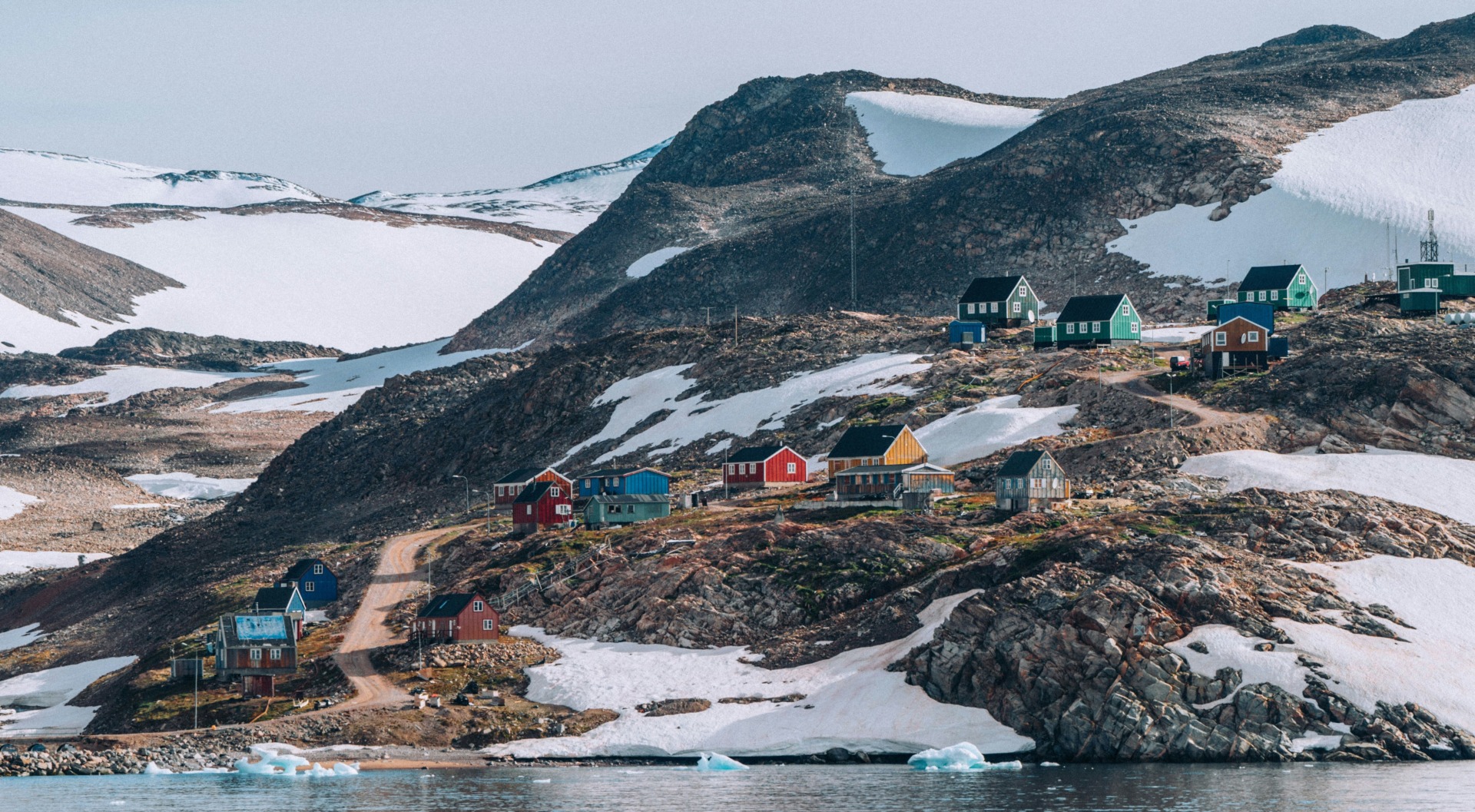
Editor’s Note: The opinions expressed here by the authors are their own, not those of impakter.com — In the Cover Photo: Houses sit on the coast of Greenland. Cover Photo Credit: Rod Long