

Today’s ESG Updates
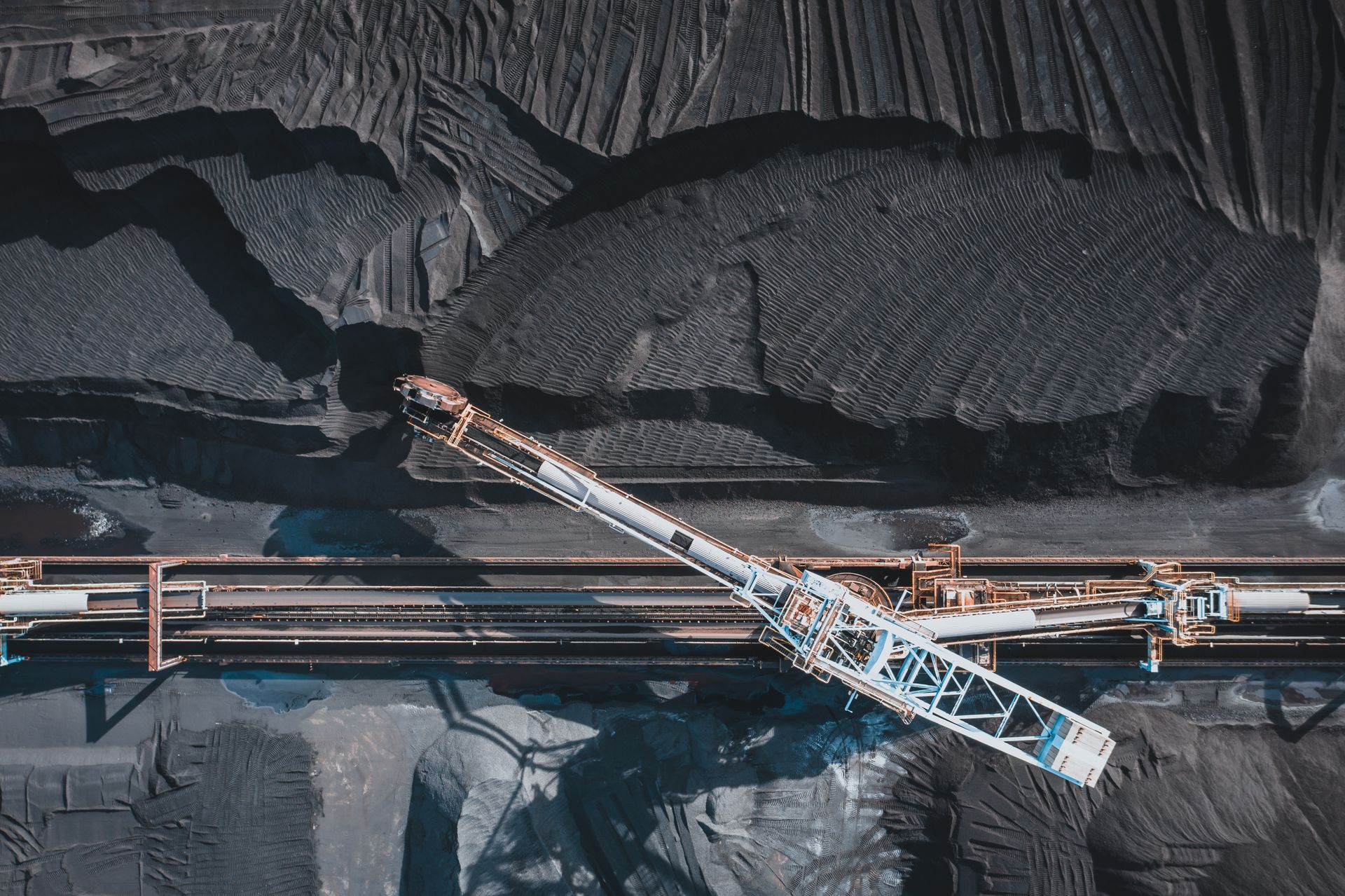
- Advocates Call on Australia to Stop Coalmine Expansion: The Australian Conservation Foundation urges the Albanese government to refuse a massive mine expansion proposal in New South Wales.
- EU Measures Cut Fossil Fuel Imports by €120 billion Since Ukraine Invasion: The Commission says energy efficiency measures have saved the EU €120 billion in oil and gas import costs since Russia invaded Ukraine in 2022.
- Gas Flaring Climbs Again in Alberta Amid Canada’s Policy Rollback: As Canada eases climate measures, gas flaring is rising in Alberta since the province-wide cap removal.
- Malaysia Aims for Up to Six Carbon Storage Hubs, $40 billion investment plan: Malaysia will build three to six carbon capture, utilisation and storage hubs and attract about $40 billion in related investments by 2050.
Advocates press Australia to halt major coal project
The Australian Conservation Foundation (ACF) urged the federal environment minister, Murray Watt, not to approve the proposal for an expansion of the Hunter Valley Operations coalmine in South West Wales. The ACF noted that oil and gas exports have real effects on extreme weather events, such as the bushfires and droughts that have hit Australia ever-frequently in the last few years.
Australia is already one of the world’s biggest exporters of fossil fuels. The project would extend open-cut mining at the site by 19 years, and allow extraction and burning of an additional 430 million tonnes of coal. Estimates say it could lead to 800 million tonnes of greenhouse gas emissions, mostly from the coal burned overseas.
The expansion was approved in September by the New South Wales planning commission, which considered its benefits to the region to outweigh the climate damage. The final decision now rests with Murray Watt.
Klimado – Navigating climate complexity just got easier. Klimado offers a user-friendly platform for tracking local and global environmental shifts, making it an essential tool for climate-aware individuals and organizations.
EU efficiency measures cut oil and gas imports by €120 billion
On Monday, the European Commission stated that energy efficiency measures have saved the EU about €120 billion in oil and gas imports since the invasion of Ukraine. The Commission claimed that energy savings must go alongside electrification in the transition away from fossil fuels. The estimate covers the period from February 2022 to mid-2026, and it reflects the impact of measures adopted between 2015 and 2021.
The Commission’s Electrification Action Plan, presented in July, aims to raise electricity’s share of final energy consumption from the current 23% to 46% by 2040. It could reduce fossil fuel dependence and lower energy costs, but environmental groups argued that electrification alone would be insufficient to meet climate goals. They also warned that delays to the planned energy-labelling rules could undermine the bloc’s strategy.
Related Articles
Here is a list of articles selected by our Editorial Board that have gained significant interest from the public:
Natural gas flaring continues to rise in Alberta
Alberta is the main oil-producing province in Canada, which delivers the fourth-largest oil output in the world. After the removal of a regulatory limit on the carbon-emitting practice, natural gas flaring has been rising in Alberta. The region’s energy producers are on track for a 10% year-on-year increase of waste gas flaring in 2026 after a 15% decline last year, despite oil production having increased both years.
In June 2025, a province-wide cap on flaring was removed. Flaring is the practice of burning off excess natural gas from oil production. It emits CO2, as well as soot and other harmful particles. Since PM Mark Carney took office in March 2025, Canada has watered down many climate policies, seeking to bolster the country’s fossil fuel production and economy, following U.S. president Trump’s trade policies.

Malaysia targets up to six carbon storage hubs, $40 billion investment
On Tuesday, Malaysia announced a plan to realise three to six carbon capture, utilisation and storage (CCUS) hubs, and attract up to 170 billion ringgit ($41.32 billion) in investments by 2050.
The country expects the sector to generate between 150,000 and 250,000 direct and indirect jobs at peak operations, and $200 to $250 billion in economic value.
The plan follows Malaysia’s passing of a CCUS Act last year establishing rules for licensing, cross-border CO2 shipping and site monitoring.
Editor’s Note: The opinions expressed here by the authors are their own, not those of impakter.com — Cover Photo Credit: K