As the demand for medication increases to address various health concerns, pharmaceutical pollution is becoming a growing problem. The compounds from these medications are seeping into our waterways, causing harm to aquatic life and posing a potential threat to human health
The Unseen Menace
Most pharmaceuticals are designed to resist breaking down for better effectiveness, often achieved through sturdy packaging. Alongside this, they are designed to stay intact once ingested to ensure they work effectively.
On the surface, this efficiency is something to celebrate as it ensures they are resistant and long-lasting. However, statistics reveal that between 30% to 90% of active compounds in drugs remain unabsorbed, entering waterways such as lakes through drains and sinks
Even the wastewater from hospitals and pharmaceutical facilities compounds the issue. Unfortunately, most conventional wastewater treatment plants cannot fully remove pharmaceutical residue.
Socioeconomic Ties: The Global Tapestry of Drugs
New research has shown that pharmaceutical pollutants are more prevalent in lower-middle-income countries due to inadequate wastewater treatment infrastructure. The World Bank recently unveiled that these countries possess the highest concentration of medication-related chemicals among income classifications.
“I don’t think that [pharmaceutical pollution] has been taken yet seriously enough by policymakers — it should be taken more seriously.”, says Mirella Miettinen, a senior researcher in environmental law at the University of Eastern Finland’s law school
Despite an improvement in the delivery of medicines to lower-income countries, the lack of effective wastewater infrastructure has led to high levels of drug pollution in rivers and waterways. This pollution results from an increased use of Active Pharmaceutical Ingredients (APIs).
The estimated yearly consumption of over 100,000 tonnes of pharmaceutical products, with a significant percentage used in lower-middle-income countries, adds to the pharmaceutical water pollution problem. As a result, low-income countries cannot help but find themselves in a precarious situation where they cannot escape higher concentrations of pharmaceuticals in their aquatic environments.
The Ripple Effects of Pharmaceutical Pollution in Water
The consequences of pharmaceutical pollution extend far beyond the point of entry, sending ripples across the delicate fabric of aquatic ecosystems.
The Impact on Aquatic Life
Improperly disposed of pharmaceuticals and drugs, including hormones, steroids, antibiotics, and other types of medication, have a detrimental effect on wildlife and can also contribute to bacterial resistance. For instance, in 2021, a study discovered that cocaine removed from Glastonbury festivalgoers’ urine or feces reached levels detrimental to European eels‘ health in a neighbouring river. Furthermore, previous research had already established that eels exposed to cocaine experienced a condition that caused their muscle tissue to break down.
In addition to physical alterations, pharmaceuticals in water induce behavioral changes. For example, discarded antidepressants like fluoxetine lower feeding rates, and anti-anxiety drugs impact shoaling.
Most shockingly is the impact of Vitellogenin and its impact on the hormones and reproductive abilities of aquatic species. Male fish have been observed developing female gonads due to oral drug exposure, while female fish experience altered egg development rates. While the experiments took place in an isolated lake, it does not underscore the impact this would have on aquatic life in waterways.
The Impact of Pharmaceuticals on Groundwater
Studies have identified pharmaceutical pollution’s impact on aquatic life, revealing a global threat that transcends borders. Scientists at York University conducted a study involving over 1,000 water samples from 258 rivers in 104 countries. The study revealed that many rivers contained medicinal drug concentrations that exceeded safe levels
Iceland and a Venezuelan village showed low cases due to inhabitants not using modern medicine. Even in Antarctica, four pharmaceutical types were detected.
The study also highlighted the socioeconomic imbalance between low-income and high-income countries. Sub-Saharan Africa and South Africa exhibited the highest presence of drug-resistant bacteria. Bangladesh was the most affected, with levels of metronidazole 300 times over the safe limit.
Drugs used to treat diabetes and epilepsy were amongst the top culprits for polluting the waters. The samples taken contained antidepressants, antihistamines, anesthetics, and antibiotics. The scientists identified hospital waste, water-treatment plants, septic tanks, and pharmaceutical manufacturing sites as the main sources of river drug pollution, alongside untreated sewage discharge.
RELATED ARTICLES: Pharmaceutical Advertisement: Therapeutic or Toxic? | Why UN Climate Science Must Keep Shaping Global Climate Policy
Collaborative Efforts for a Cleaner Environment
Tackling pharmaceutical pollution requires global cooperation, as it involves multiple areas such as health, economy, environment, and policy. Even though it may seem daunting to most nations, it is a problem that can be managed with some ease.
“We know good sewage connectivity and wastewater treatment is the key to minimising, though not necessarily eliminating, pharmaceutical concentrations,” Dr John Wilkinson, who led the York University study, told The Guardian
Dealing with the problem of providing clean water comes with a hefty price tag. According to analysts at the World Economic Forum, meeting global clean water supply targets could cost as much as $47 billion per year. Despite the high cost, the benefits of achieving these targets would be significant. Improved health and more resilient economies would benefit some of the world’s most vulnerable populations.
An eco-directed and Sustainable Intervention to Reduce Pharmaceutical Pollution
Ph.D. students in the UK have created an impressive policy brief to combat pharmaceutical pollution. Crafted through high-level consultations, the policy brief offers 15 recommendations, spanning public health, greener healthcare, and environmental risk assessment.
‘Launching this policy brief is an exciting step closer to seeing the UK government recognise that reducing environmental pollution is a means of preserving public health and benefitting the natural world.’ says Emily Stevenson in the brief
Emily and Julze highlighted NHS England’s Greener NHS initiatives, which focus on decarbonisation but lack comprehensive pharmaceutical pollution reduction plans.
While this applies to the UK, NHS Scotland‘s latest climate plan recognises the importance of reducing pharmaceutical pollution.
Mitigating the Presence of Drugs in Our Drinking Water
Millions of people already die each year from AMR worldwide. The UN Environmental Programme predicts 10 million annual deaths by 2050 if antimicrobial pollution persists at current levels.

The actions we take now will impact the health of our drinking water and the well-being of the environment. At an individual level, it involves remembering not to wash down most medicines in sinks or toilets. However, on a global level, this means recognizing that drug pollution is not just health pollution but an equity issue.
Whilst commendable efforts may be evident in wealthy nations, the devastating impact of pharmaceutical contamination remains largely on lower-income countries. As the UN environmental programme suggests, bridging the gap and ensuring international standards means having a ‘One Health‘ approach.
We must also consider the presence of pharmaceutical compounds in aquatic environments. Even at low concentrations, our efforts are necessary to create a world where aquatic ecosystems thrive, and humans live in harmony with sustainable water resources.
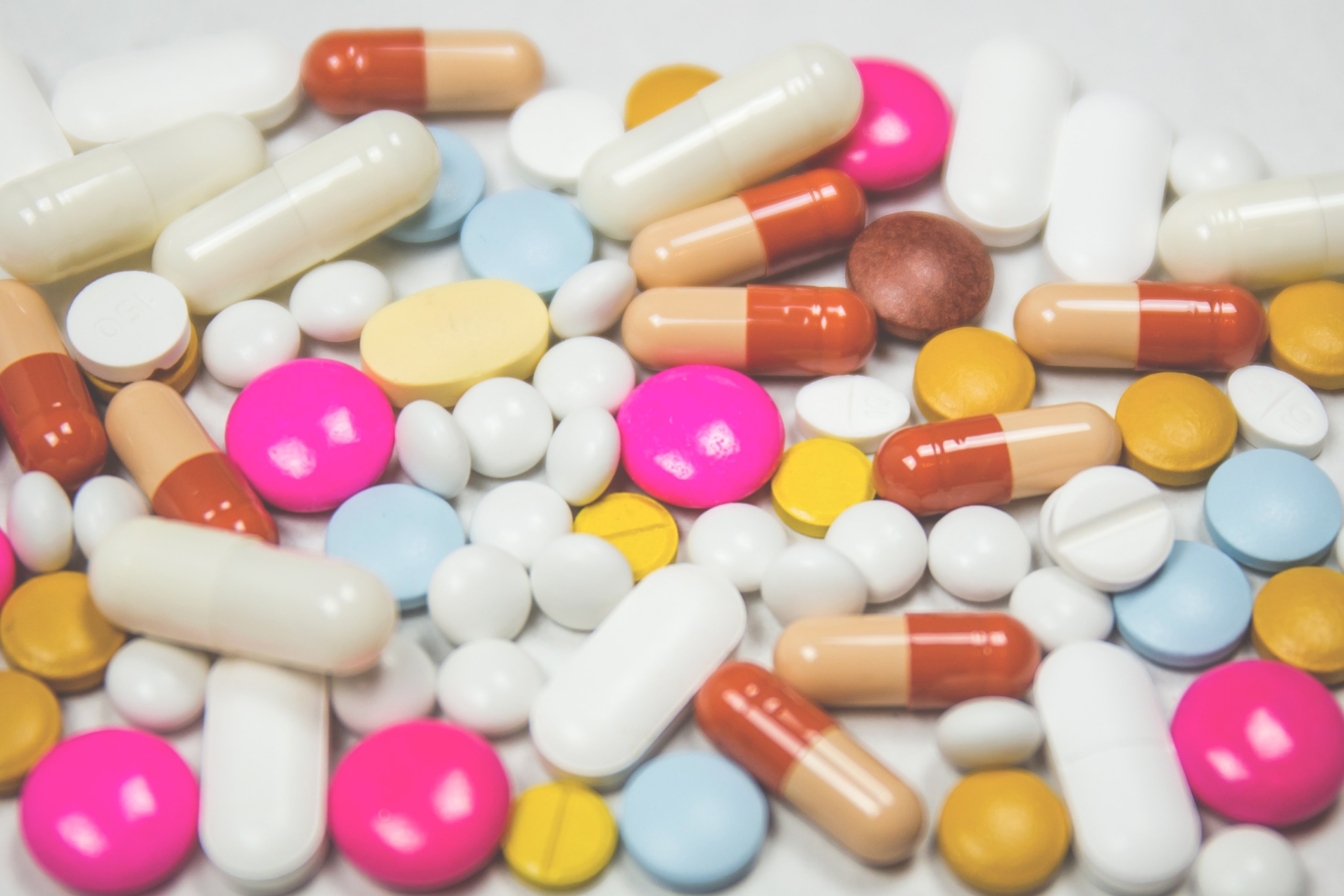
Editor’s Note: The opinions expressed here by the authors are their own, not those of Impakter.com — In the Featured Photo: Assortment of Pharmaceuticals . Featured Photo Credit: freestocks